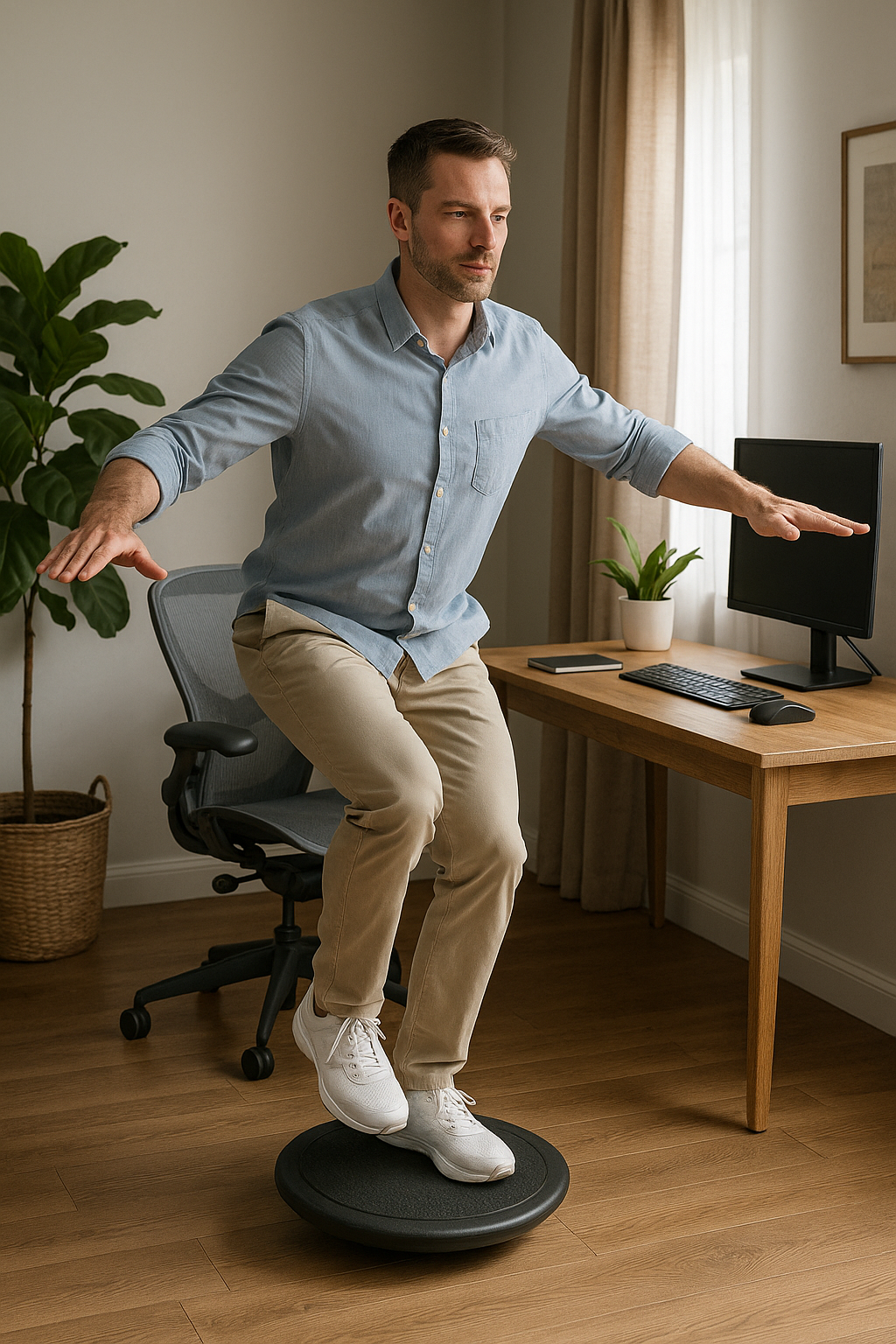
A strong back is one of the most underrated upgrades you can make to your everyday life. It helps you sit and stand taller, move with more control, and handle everything from carrying groceries to training hard in the gym. When your back is undertrained, the opposite often happens: posture gets sloppy, the shoulders creep forward, and small aches can start to feel like a constant background noise. The good news is that smart back exercises don’t need to be complicated, but they do need to be chosen with purpose.
The back isn’t one single muscle you can “hit” with one move. It’s a coordinated system that includes the lats, trapezius (upper, middle, and lower), rhomboids, rear delts, and the spinal erectors that help keep your torso stable. That’s why the best results usually come from combining a few complementary patterns: rowing, pulling vertically, and training the muscles that control your shoulder blades.
Why science-backed back exercises matter
Fitness trends come and go, but research gives you a shortcut to what’s most effective. One of the most useful tools here is EMG (electromyography), which measures how much a muscle is activated during an exercise. While EMG isn’t the only factor that matters for building strength or muscle, it’s a practical way to compare movements and understand which exercises tend to light up specific areas of the back.
That matters if you’re short on time, if you’re trying to improve posture from long hours at a desk, or if you want to train hard without just adding more volume. Instead of guessing, you can prioritize movements that consistently recruit the muscles you’re trying to develop.
What you’ll get from this guide
In the next sections, you’ll get a clear, practical breakdown of the most effective back exercises highlighted by muscle-activation research, including key staples like rows, pull-ups or chin-ups, and targeted work for the lower traps. You’ll also see beginner-friendly alternatives and options that fit different equipment setups, so you can build a back routine that matches your level.
As always, form comes first. If you have ongoing pain, numbness, or a history of injury, consider checking in with a qualified fitness professional or clinician before pushing intensity. For everyone else, the goal is simple: train the back with intention, build strength where it counts, and let better posture and performance follow.
The science behind effective back exercises
EMG (electromyography) is a method researchers use to estimate how hard a muscle is working during a movement. Small sensors placed on the skin detect electrical activity produced when a muscle contracts. In practical terms, EMG helps compare exercises by showing which ones tend to create higher activation in specific muscles of the back.
That said, high activation doesn’t automatically mean an exercise is “best” for everyone. Technique, range of motion, load, and how close you train to fatigue all influence results. Still, EMG is a useful compass for choosing efficient movements, especially when your goal is to strengthen posture muscles, build a wider back, or get more out of limited training time.
In muscle-activation testing highlighted by ACE Fitness, a few patterns stand out: the bent-over row consistently ranks as a top performer for multiple upper-back muscles (including the middle trapezius, erector spinae, and infraspinatus), I-Y-T raises are excellent for the lower trapezius, and pull-ups or chin-ups are among the strongest choices for latissimus dorsi activation. The takeaway is simple: no single move trains the entire back perfectly, so combining a row, a vertical pull, and a scapular-control exercise covers the bases.
Bent-over row: a high-return staple
The bent-over row is one of the most time-efficient back exercises because it trains several key areas at once: mid-back thickness (rhomboids and middle traps), upper-back stability (including infraspinatus), and the spinal erectors that keep your torso braced. It also reinforces the “hinge” position used in many athletic movements.
Form cues: Stand with feet about hip-width, hinge at the hips until your torso is close to parallel with the floor, and keep a neutral spine (think long neck, ribs down). Pull the weight toward your lower ribs or upper stomach while keeping elbows angled slightly back. Pause briefly, then lower with control. Avoid turning it into a standing shrug or a bounce off the thighs.
Helpful variations: An underhand grip (supinated) often increases biceps involvement and can change how the lats contribute, while a dumbbell row (one arm at a time) can help you reduce left-right imbalances and get a longer range of motion. If your lower back fatigues first, a chest-supported row is a smart swap to keep the focus on the upper back.
I-Y-T raises: lower-trap strength for posture
If your shoulders round forward from long hours at a desk, the lower trapezius is often undertrained. This muscle helps rotate and stabilize the shoulder blades, which supports better overhead mechanics and a more “open” posture. I-Y-T raises are a targeted way to train that control with light loads and high quality reps.
How to do them: Lie face down on an incline bench or hinge forward with a flat back. Start with thumbs pointing up and arms hanging straight down. Lift your arms into three positions: an “I” (straight overhead), a “Y” (about 45 degrees out), and a “T” (straight out to the sides). Move slowly, keep your neck relaxed, and focus on pulling the shoulder blades down and back rather than shrugging.
Because these are small, posture-focused muscles, lighter weights and strict form matter more than chasing load. If you feel it mostly in your neck, reduce the weight and slow the tempo.

Men's Posture Shirt™ - Black
Patented shirt that helps improve posture, activates muscles, and can reduce back pain.
Pull-ups and chin-ups: the lat builder
For back width and overall pulling strength, pull-ups and chin-ups are hard to beat. They strongly recruit the lats while also training the upper back, arms, and grip. The main difference is grip: pull-ups use an overhand grip, while chin-ups use an underhand grip that typically allows more elbow flexion and may feel easier for beginners.
Technique tips for more lat engagement: Start each rep by setting your shoulder blades (think “down and back” before you bend the elbows). Keep your ribs from flaring, and aim to bring your chest toward the bar rather than craning your neck. Use a full range of motion: controlled hang at the bottom, smooth pull to the top.
Beginner progressions: Use band-assisted reps, slow negatives (jump to the top and lower for 3–5 seconds), or a machine-assisted pull-up. Consistency matters more than variety here; practice the pattern and gradually reduce assistance.
More back exercises worth adding
Lat pulldown: A great complement to pull-ups because it lets you adjust load precisely and accumulate quality volume. Keep your torso mostly upright, pull the bar toward the upper chest, and avoid turning it into a behind-the-neck movement, which can stress the shoulders for many people.
Inverted row: A bodyweight alternative that trains the mid-back similarly to rows. Set a bar at waist height, keep your body in a straight line, and pull your chest to the bar. Elevate your feet to make it harder or bend your knees to make it easier.
Deadlift: While it’s not a “back isolation” move, it heavily trains the spinal erectors and teaches full-body bracing. Prioritize a neutral spine, keep the bar close to your body, and build load gradually. If you’re new, start with a lighter variation like a Romanian deadlift to groove the hinge pattern.
How to program back exercises for real-world results
The most effective back exercises work even better when they’re organised into a simple plan. Since no single movement trains every part of the back equally, aim to cover three roles in most weeks: a horizontal row for mid-back thickness and scapular control, a vertical pull for lat width, and a hinge or lower-back stability movement for trunk strength. Add a small dose of lower-trap and rear-shoulder work to support posture, especially if you sit a lot.
For most people, a balanced approach also means managing fatigue. Heavy rows and deadlifts can tax the lower back, so it often helps to pair one “spine-demanding” lift with one more supported option (like an inverted row or lat pulldown). This keeps quality high and reduces the chance that your grip or lower back becomes the limiting factor before your upper back is trained properly.
A balanced back workout routine (2–3 days per week)
Use the templates below to plug back exercises into your current plan. Choose loads that allow controlled reps and stop 1–3 reps before form breaks down.
Option A: Two-day routine (efficient and sustainable)
Day 1 (row focus)
1) Bent-over row: 3–4 sets of 6–10 reps
2) Pull-ups or chin-ups (assisted if needed): 3 sets of 5–8 reps
3) I-Y-T raises: 2–3 sets of 8–12 reps per letter (light and strict)
4) Optional: Deadlift or Romanian deadlift: 2–3 sets of 3–6 reps (keep technique crisp)
Day 2 (vertical pull focus)
1) Lat pulldown: 3–4 sets of 8–12 reps
2) Inverted row: 3 sets of 8–12 reps
3) Chest-supported row or one-arm dumbbell row: 2–3 sets of 10–12 reps
4) Optional: Back extension or hip hinge accessory: 2–3 sets of 8–12 reps
Option B: Three-day routine (hypertrophy-friendly volume)
Day 1: Bent-over row (4x6–10) + I-Y-T raises (3x8–12)
Day 2: Pull-ups/chin-ups (4x5–8) + lat pulldown (3x8–12)
Day 3: Inverted row (4x8–12) + Romanian deadlift (3x6–10)
Tips for integrating back exercises into your current plan
Balance push and pull: If you bench or do lots of pressing, keep at least the same number of pulling sets each week. This supports shoulder positioning and can help reduce the “rounded” look that comes from too much pressing and too little upper-back work.
Prioritise scapular control: Start rows and pull-ups by setting the shoulder blades (down and back) before you pull with the arms. This small change often improves lat and mid-back engagement and reduces neck-dominant pulling.
Use pain as information, not a challenge: Muscle effort is expected; sharp pain, tingling, or radiating symptoms are not. If a movement consistently irritates your shoulder or lower back, swap it (for example, chest-supported row instead of bent-over row) and consider professional guidance.
Progress gradually: Add reps first, then load. For posture-focused work like I-Y-T raises, progress by slowing tempo and improving control rather than chasing heavier weights.

Women's Posture Shirt™ - Black
Supports your posture, may relieve pain, and improves muscle activation for everyday and exercise.
Frequently Asked Questions
What are the best exercises for back pain prevention?
Back pain prevention is less about one “magic” movement and more about building capacity in the muscles that stabilise the spine and control the hips. Two widely used options are bird-dogs (for core and spinal stability) and good mornings (for strengthening the posterior chain with a controlled hip hinge). Bird-dogs are typically low-risk and focus on keeping the spine steady while the limbs move. Good mornings can be effective, but they should start very light and only progress if you can maintain a neutral spine and controlled range of motion.
How often should I train my back?
For general strength and posture maintenance, training back exercises twice per week works well for many people. If your goal is muscle growth (hypertrophy), three sessions per week can help you accumulate more high-quality volume, especially if you split the work across rows, vertical pulls, and lighter accessory movements. Regardless of frequency, aim for consistent technique and enough recovery to keep performance improving.
Can I do these exercises at home?
Yes. Inverted rows can be done under a sturdy table or using suspension straps, and pull-ups can be done with a doorway bar (installed safely and used as directed). If you do not have a pull-up option, you can still train similar patterns with resistance bands (band pulldowns and band rows). I-Y-T raises require minimal equipment and can be done with light dumbbells or even no weight if you slow the tempo.
What should I consider if I'm new to back exercises?
Start with lighter loads, fewer sets, and a focus on control. Learn the hip hinge before loading deadlifts or good mornings, and choose variations that help you maintain form (for example, chest-supported rows or lat pulldowns before heavy bent-over rows). Keep reps smooth, avoid jerking the weight, and stop sets when posture changes (rounding, shrugging, or excessive swinging) become noticeable. If you have a history of injury, ongoing symptoms, or uncertainty about technique, a qualified fitness professional can help you tailor the safest progression.
Kilder
- McGill, S. M. (2014). "Understanding and Preventing Back Pain: A Biomechanical Perspective." Journal of Biomechanics.
- ACE Fitness. (2018). "ACE-Sponsored Research: What Is the Best Back Exercise?" American Council on Exercise.
- Men's Health UK. (2020). "The Science-Based Back Workout." Men's Health.
- Smith, J. (2003). "The Role of Electromyography in Understanding Muscle Function." Sports Medicine.
- Harvard Health Publishing. (2021). "Effective Exercises for Building a Strong Back." Harvard Health.
- Nippard, J. (2021). "The Smartest Back Workout." Built With Science.
- Athlean-X. (2020). "Best Back Exercises for Size and Strength." YouTube.
- The Barbell. (2021). "Best Back Exercises for Mass and Strength." The Barbell.
- Jefit. (2021). "The Science Behind the Best Back Exercises." Jefit.