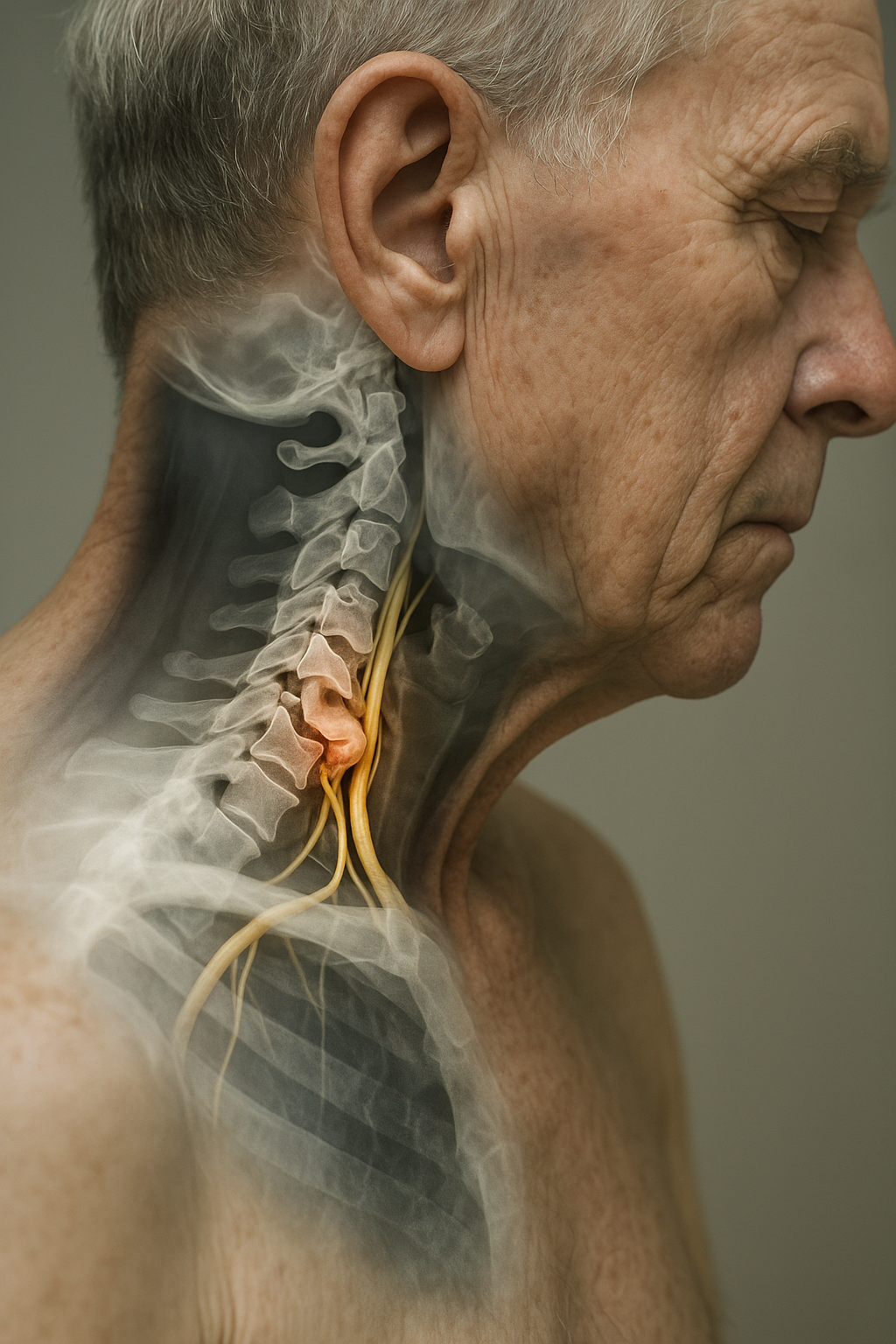
Lower back pain is a common ailment affecting millions worldwide, often disrupting daily life and causing discomfort. Whether it's a dull ache or a sharp, persistent pain, dealing with lower back issues can be incredibly frustrating. However, there's good news: you can alleviate much of this pain with simple remedies you can do at home. By incorporating a few easy strategies into your daily routine, you can manage and even prevent future episodes of lower back pain.
exploring effective home remedies
This post will explore effective, non-invasive home remedies that provide fast relief from lower back pain. We'll delve into exercises and stretches that enhance flexibility and strength, heat and cold therapy to soothe and relax muscles, and lifestyle changes that support overall back health. These approaches are designed to empower you to take control of your pain and improve your quality of life without relying heavily on medications or invasive treatments.
importance of self-care for back pain
Understanding and implementing these home remedies can significantly improve your quality of life. Not only do they help in managing pain, but they also promote overall well-being by encouraging a more active and balanced lifestyle. By adopting these practices, you can reduce your reliance on medications, which often come with side effects, and avoid invasive treatments that might not be necessary. Moreover, these remedies can be easily integrated into your daily routine, making them accessible and practical for anyone looking to alleviate lower back pain.
In the following sections, we'll dive deeper into specific exercises and stretches, such as yoga and Pilates, that can help strengthen and stabilize your core. We'll also discuss the benefits of heat and cold therapy, and how alternating between the two can maximize relief. Additionally, we'll highlight lifestyle adjustments, including posture correction and dietary considerations, that can further support your journey to a pain-free back.
By the end of this post, you'll have a comprehensive understanding of how to effectively manage lower back pain at home, empowering you to take proactive steps towards a healthier, more comfortable life. Stay tuned as we uncover these simple yet powerful remedies that can make a significant difference in your daily comfort and mobility.
effective exercises and stretches for lower back pain
One of the most effective ways to combat lower back pain is through targeted exercises and stretches. Incorporating practices like yoga and Pilates into your routine can significantly enhance flexibility and reduce muscle tension. Poses such as Cat-Cow, Cobra, and Child’s Pose are particularly beneficial. These exercises not only improve back function but also help prevent future pain episodes by promoting better posture and alignment.
Strengthening routines are equally important. Exercises like Bridges, Pelvic Tilts, and Bird Dogs focus on building core stability, which is crucial for supporting the lower back. A strong core acts as a natural brace for your spine, reducing the likelihood of strain and injury. To reap the benefits, consistency is key. Aim to incorporate a 15-minute routine into your daily schedule to maintain muscle strength and flexibility.

Lumbar support belt
Provides adjustable support and compression to relieve and prevent lower back pain.
using heat and cold therapy for relief
Heat and cold therapy are simple yet effective methods to soothe lower back pain. Applying an ice pack during the first 48 hours after an injury can help reduce swelling and numb the area, providing immediate relief. After this initial period, switching to heat therapy can relax tight muscles and improve blood flow, accelerating the healing process.
The alternating method, which involves switching between 20-minute sessions of cold and heat, can maximize relief. This approach helps prevent tissue damage while providing comprehensive pain management. Remember to always use a barrier, such as a cloth or towel, between your skin and the ice or heat source to avoid burns or frostbite.
lifestyle adjustments to prevent lower back pain
In addition to exercises and therapy, making certain lifestyle adjustments can significantly reduce the frequency and severity of lower back pain. One crucial aspect is posture correction. Whether sitting at a desk or standing, maintaining proper alignment is essential. Engage your core, keep your shoulders back, and ensure your feet are flat on the ground when sitting. Ergonomic furniture, such as chairs with lumbar support or standing desks, can also aid in maintaining good posture.

Women's Posture Shirt™ - Black
Supports and activates muscles to improve posture and relieve pain; CE-registered medical device.
Dietary considerations play a role in managing lower back pain as well. An anti-inflammatory diet rich in turmeric, leafy greens, and omega-3 fatty acids can support overall health and reduce pain. Conversely, it's wise to avoid foods that can trigger inflammation, such as sugars and red meats. By making these dietary changes, you can enhance your body's natural ability to heal and prevent pain.
By incorporating these exercises, therapies, and lifestyle changes into your daily routine, you can take proactive steps to manage and alleviate lower back pain. These simple home remedies not only offer relief but also empower you to take control of your health, reducing the need for medications and invasive treatments. Stay tuned for more insights on mindfulness practices and when to seek professional help in the next section of our guide.
mindfulness and stress reduction techniques
Managing stress is a crucial component of alleviating lower back pain, as stress can exacerbate muscle tension and discomfort. Incorporating mindfulness practices such as meditation and breathing techniques can be highly beneficial. These practices encourage relaxation, reduce stress levels, and promote a sense of well-being, all of which contribute to pain management.
Begin with simple deep breathing exercises. Find a quiet space, sit comfortably, and focus on your breath. Inhale deeply through your nose, allowing your abdomen to expand, then exhale slowly through your mouth. Repeat this process for a few minutes each day to help calm your mind and relax your muscles.
Guided meditation is another effective tool. Many apps and online resources offer guided sessions tailored to pain relief and stress reduction. By dedicating just a few minutes each day to these practices, you can significantly impact your overall well-being and reduce lower back pain.
when to seek professional help for lower back pain
While home remedies are effective for many, it's essential to recognize when professional help is necessary. If you experience persistent pain that does not improve with home treatment, numbness, or weakness in your legs, it's crucial to consult a healthcare professional. These symptoms may indicate a more serious condition that requires medical intervention.
Additionally, if you notice any changes in bowel or bladder function or experience severe pain following an injury, seek immediate medical attention. Early diagnosis and treatment can prevent further complications and facilitate a quicker recovery.
frequently asked questions
What are the best exercises for lower back pain?
Exercises such as yoga, Pilates, and core strengthening routines are highly effective for managing lower back pain. They enhance flexibility, improve posture, and build core stability, which supports the lower back.
How often should I apply heat or cold therapy?
For optimal results, apply cold therapy during the first 48 hours after the onset of pain to reduce swelling. Afterward, switch to heat therapy to relax muscles. Alternate between 20-minute sessions of cold and heat to maximize relief.
Can diet affect lower back pain?
Yes, an anti-inflammatory diet can help reduce lower back pain. Focus on consuming foods rich in antioxidants, such as leafy greens and turmeric, and avoid inflammatory foods like sugar and red meat.
What posture tips can help prevent lower back pain?
Maintaining a straight posture is key to preventing lower back pain. Engage your core, keep your shoulders back, and ensure your feet are flat on the ground. Using ergonomic furniture, such as chairs with lumbar support, can also help maintain proper posture.
By integrating these simple home remedies and being mindful of when to seek professional help, you can effectively manage and alleviate lower back pain, enhancing your overall well-being and reducing the need for medical interventions. Embrace these practices to take control of your health and enjoy a more comfortable and active lifestyle.
Kilder
- Smith, A. (2022). "Management of Lower Back Pain: A Comprehensive Review." Journal of Pain Management.
- Johnson, B. (2023). "Exercise Interventions for Lower Back Pain: Evidence and Recommendations." Sports Medicine.
- Mayo Clinic. (2023). "Clinical Trials in Back Pain Management."
- Lee, C. (2021). "Physical Therapy for Chronic Lower Back Pain." Journal of Orthopaedic & Sports Physical Therapy.
- UCSF. (2023). "Ongoing Clinical Trials for Lower Back Pain."
- American College of Physicians. (2023). "Guidelines for Treating Nonradicular Low Back Pain."
- NeuRA. (2023). "Research Finds Only 1 in 10 Treatments for Low Back Pain Effective."
- American Academy of Family Physicians. (2023). "Clinical Recommendations for Back Pain."
- UNSW. (2025). "Low Back Pain: Only 1 in 10 Treatments Effective, New Research Shows."
- Mayo Clinic. (2023). "Back Pain: Diagnosis and Treatment."
- BMJ Group. (2023). "Only Around 1 in 10 Common Non-Surgical and Non-Invasive Treatments for Back Pain Effective."
- Stanford Medicine. (2023). "Understanding Chronic Low Back Pain."
- Chou, R. (2017). "Noninvasive Treatments for Acute, Subacute, and Chronic Low Back Pain: A Clinical Practice Guideline." Annals of Internal Medicine.