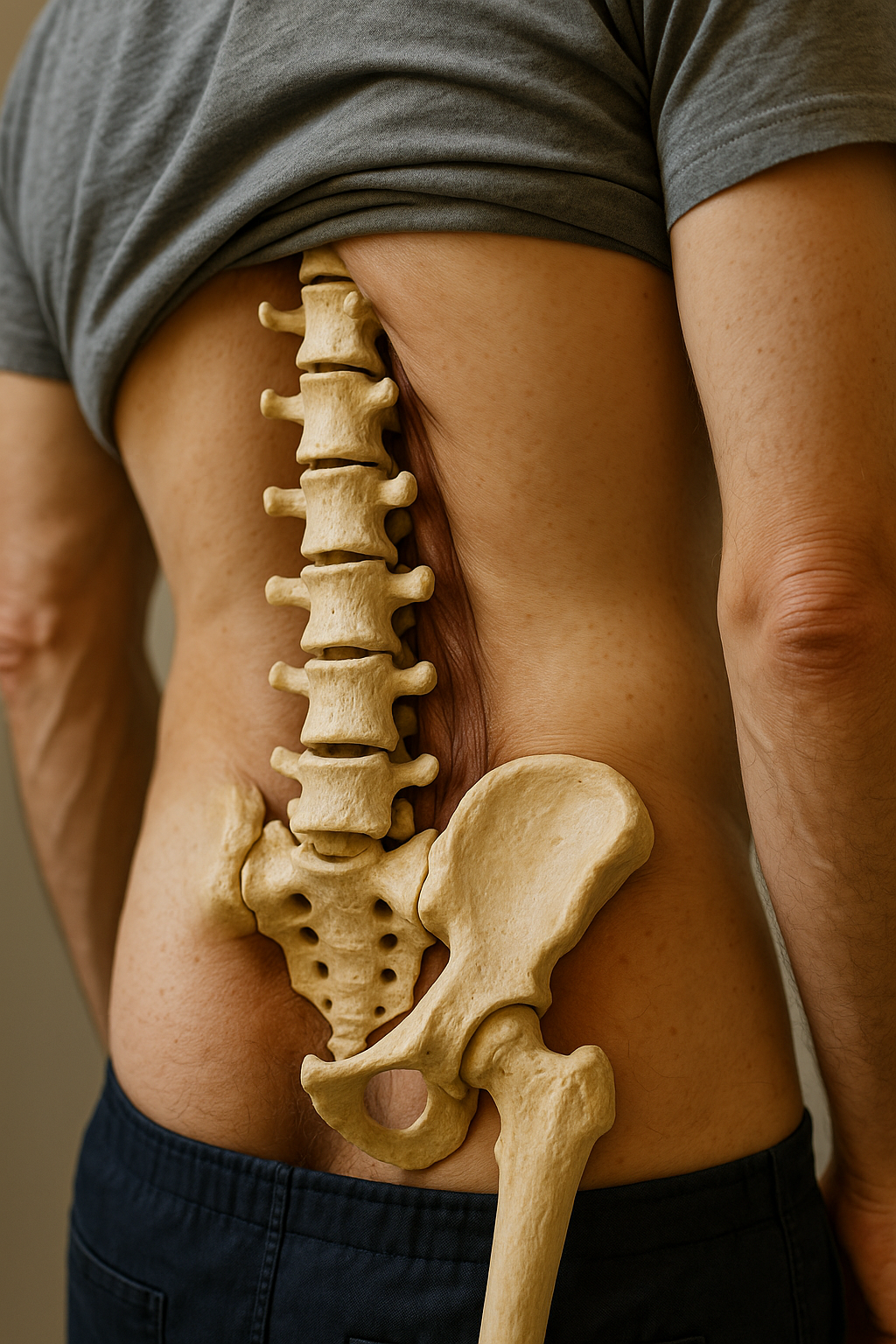
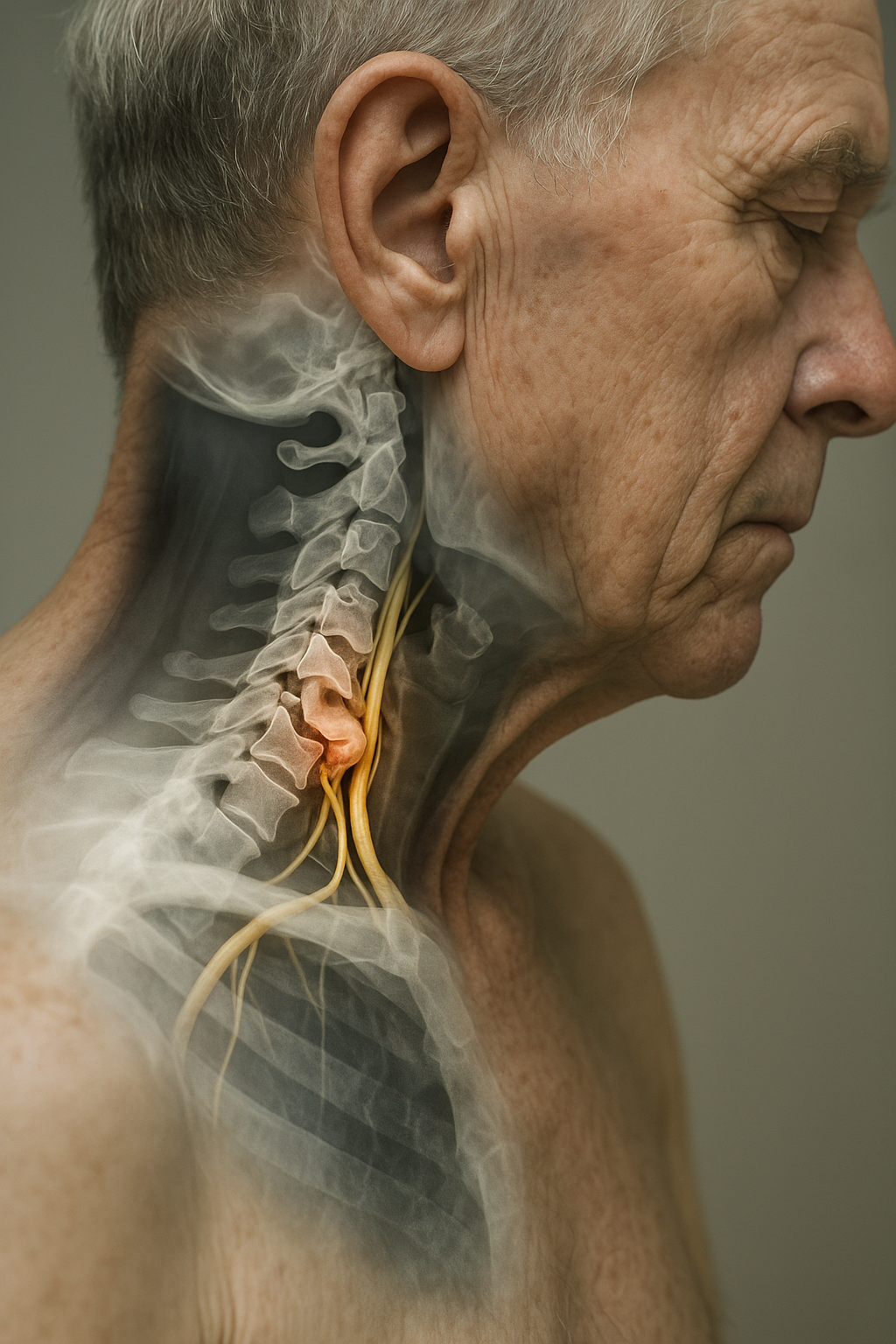
Sciatica is a condition that affects millions of people worldwide, often causing significant discomfort and disruption in daily life. Characterized by pain radiating along the path of the sciatic nerve, which runs from the lower back through the hips and down each leg, sciatica can manifest in various forms. Common symptoms include sharp pain, tingling, numbness, and muscle weakness. These symptoms can severely impact one's ability to perform routine activities, making it crucial to address the condition effectively to prevent long-term mobility issues.
Chiropractor or physiotherapist: making the right choice
When seeking relief from sciatica, many individuals face the challenging decision of choosing between a chiropractor and a physiotherapist. Each offers distinct approaches to treatment, leading to the common question: "Which is better for my sciatica?" Chiropractors focus on spinal adjustments and alignment techniques to provide quick symptom relief, while physiotherapists emphasize exercises and strengthening to address the root causes of the condition. Understanding these differences is key to making an informed decision.
Purpose of the post
This post aims to provide a balanced comparison of chiropractic and physiotherapy options for sciatica relief. By exploring the various approaches and benefits of each treatment, we hope to equip you with the knowledge needed to choose the path that best suits your needs. Whether you are considering chiropractic care for its immediate pain relief or physiotherapy for its long-term management strategies, understanding the nuances of each will help you make an informed decision that aligns with your health goals.
Chiropractic care for sciatica relief
Chiropractic care is often sought after for its distinctive approach to alleviating sciatica pain. The primary technique used by chiropractors is spinal adjustments, which aim to realign the spine and reduce nerve irritations that contribute to sciatica symptoms. These adjustments are designed to improve spinal function and alleviate acute pain, providing quick relief for those suffering from sciatica. Additionally, chiropractors may employ alignment techniques that focus on correcting postural imbalances, which can further help in reducing the pressure on the sciatic nerve.

Lumbar support belt
Giver støtte og stabilisering af lænden og kan lindre smerter ved ischias og lænderygproblemer.
Pros and cons of chiropractic care
One of the main advantages of chiropractic care is its non-invasive nature. Patients can experience immediate symptom relief without the need for medication or surgery. This approach is particularly appealing to those who prefer natural treatment methods. However, there are potential downsides to consider. Chiropractic sessions tend to be shorter, often ranging from 5 to 15 minutes, which may not provide enough time for a comprehensive evaluation of the condition. Additionally, some patients may experience rare side effects, such as headaches or temporary discomfort following an adjustment.
Physiotherapy for long-term sciatica management
Physiotherapy offers a different approach, focusing on long-term management of sciatica through exercises and physical conditioning. Physiotherapists use a variety of techniques, including targeted exercises, manual therapy, and massage, to address the root causes of sciatica. By strengthening muscles and improving movement patterns, physiotherapy aims to alleviate nerve pain and prevent future flare-ups. This approach is particularly effective in addressing underlying issues such as muscle weakness and movement dysfunctions that contribute to sciatica.

Men's Posture Shirt™ - Black
Aktiverer og stimulerer musklerne, kan lindre smerter og spændinger og fremmer en bedre holdning.
Advantages and limitations of physiotherapy
The benefits of physiotherapy are largely centered around its focus on long-term recovery and prevention. Patients who commit to a consistent exercise regimen can experience significant improvements in their symptoms over time. However, the process may require patience, as it can take several weeks or even months to see substantial results. Additionally, some individuals may experience soreness or fatigue from intensive physical therapy sessions, which can be a consideration for those with severe pain or limited mobility.
Evidence and efficacy in treatment choices
When deciding between chiropractic care and physiotherapy, it's important to consider evidence-based studies that evaluate their efficacy. Research published in PubMed highlights that both physiotherapy and chiropractic manipulation have similar effects on low back pain, a condition closely related to sciatica. This study underscores the importance of making an informed decision based on individual needs and preferences, rather than assuming one method is universally superior.
Combining treatments for optimal results
In recent years, there has been a growing trend towards combining chiropractic and physiotherapy treatments to achieve comprehensive care for sciatica. This integrated approach allows patients to benefit from the immediate pain relief provided by chiropractic adjustments while also addressing long-term issues through physiotherapy exercises. By tackling both the symptoms and underlying causes, patients can experience a more holistic recovery process. This combination of treatments is particularly beneficial for individuals seeking to maximize their recovery and prevent future episodes of sciatica.
Ultimately, the choice between a chiropractor and a physiotherapist for sciatica relief depends on personal preferences, the severity of symptoms, and the desired outcomes. Whether opting for the quick relief of chiropractic care or the long-term benefits of physiotherapy, understanding the unique advantages and limitations of each approach can guide individuals towards the most suitable treatment path for their needs.
Making an informed decision for sciatica relief
When faced with the decision of choosing between chiropractic care and physiotherapy for sciatica relief, it's essential to consider various factors that can influence the effectiveness of each treatment. The severity and nature of your sciatica symptoms play a crucial role in determining the most suitable approach. For instance, if your primary goal is immediate pain relief, chiropractic care might be more appealing due to its focus on spinal adjustments. On the other hand, if you're looking for a long-term solution that addresses the root causes of your discomfort, physiotherapy's emphasis on exercises and strengthening could be more beneficial.
Personal preferences and comfort with each treatment type should also guide your decision. Some individuals may prefer the hands-on approach of a chiropractor, while others might feel more at ease with the structured exercise routines provided by physiotherapists. Additionally, the availability of services in your area and the potential for combined care should be considered. Many clinics now offer integrated treatment plans that combine both chiropractic and physiotherapy, providing a comprehensive approach to managing sciatica.
Conclusion: finding the right path for sciatica management
Ultimately, the choice between a chiropractor and a physiotherapist for sciatica relief should be personalized to your individual needs and preferences. Both treatment options offer unique advantages, and the best path for you will depend on your specific symptoms, goals, and comfort levels. It's crucial to consult with healthcare professionals who can provide tailored advice based on your condition. By taking an informed approach and considering all available options, you can find the most effective strategy for managing your sciatica and improving your quality of life.
Frequently asked questions
What is the main difference between chiropractic and physiotherapy for sciatica?
The main difference lies in their approach: chiropractic care focuses on spinal adjustments for quick pain relief, while physiotherapy emphasizes exercises and long-term management to address the root causes of sciatica.
Can I see both a chiropractor and a physiotherapist for sciatica?
Yes, you can see both. Combining treatments can provide comprehensive care, addressing both immediate symptoms and underlying causes, potentially leading to more effective relief and prevention of future issues.
How long does it take to see results from physiotherapy or chiropractic care?
Results can vary depending on the individual and the severity of the condition. Chiropractic care often offers immediate relief, while physiotherapy may require several weeks of consistent effort to achieve sustained improvement.
Are there any risks associated with these treatments?
Both treatments are generally safe, but there are potential side effects. Chiropractic adjustments can occasionally lead to headaches, while physiotherapy may cause soreness, especially after intensive sessions.
How do I choose the right professional for my sciatica treatment?
Consider factors such as the severity of your symptoms, your treatment goals, and your personal comfort with each method. Consulting with healthcare providers can also help guide your decision, ensuring you choose the most suitable approach for your needs.
Källor
- Mornington Peninsula Chiropractic Centre. ”Is It Better to See a Physiotherapist or Chiropractor for Sciatica?”
- Revision Health Services. ”Chiropractor or Physical Therapy for Sciatica?”
- Peak Health. ”Physio or Chiropractor for Sciatica?”
- Performance Rehab. ”Physical Therapy vs. Chiropractor: 4 Key Differences for Pain Relief.”
- Alliance Orthopedics. ”Do I Need a Chiropractor or Physical Therapy for Sciatica Relief?”
- PubMed. ”Comparison of Physiotherapy, Chiropractic Treatment, and Back School in Patients with Low Back Pain.”
- One Oak Medical. ”Chiropractor vs. Physical Therapy for Sciatica Pain Relief.”