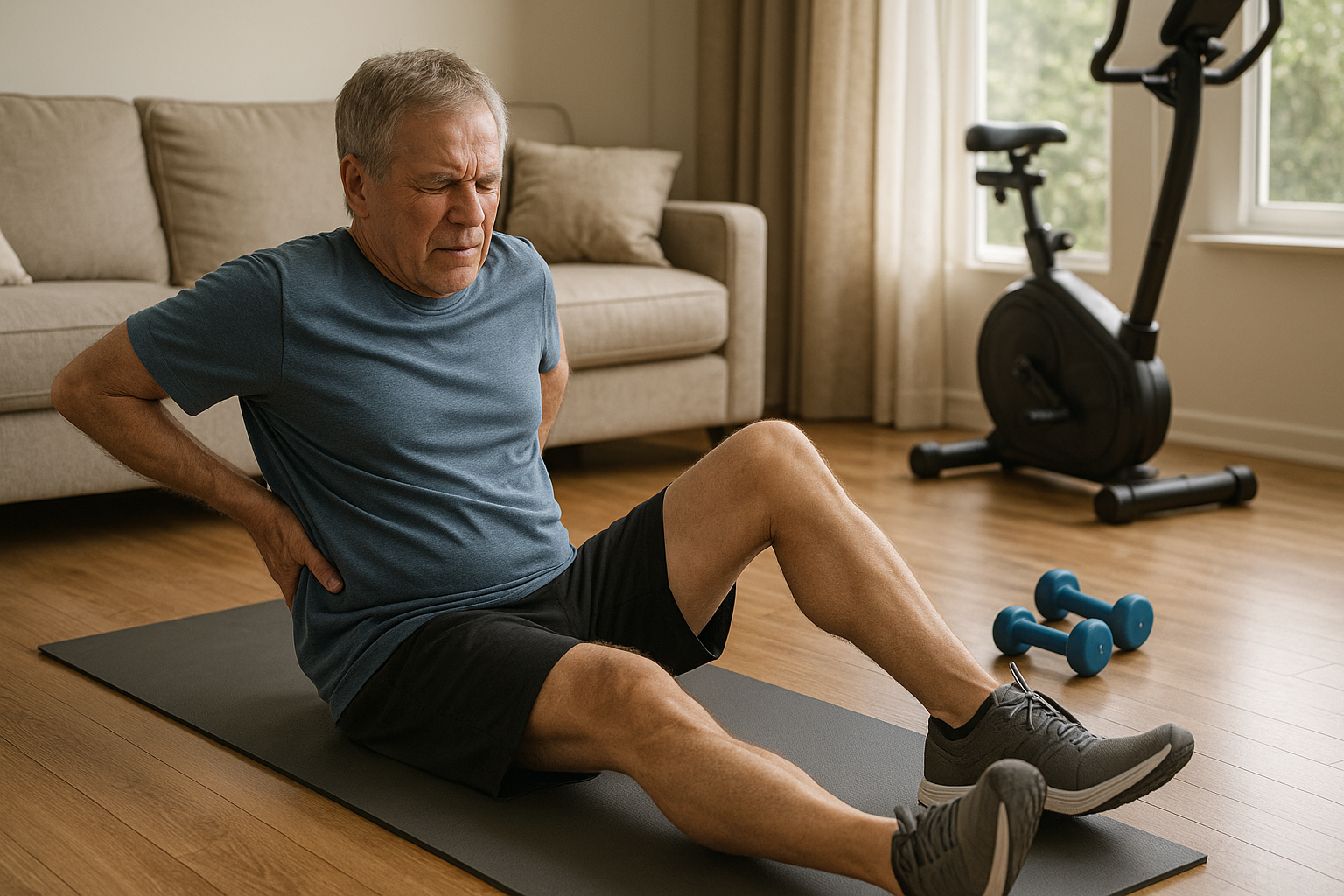
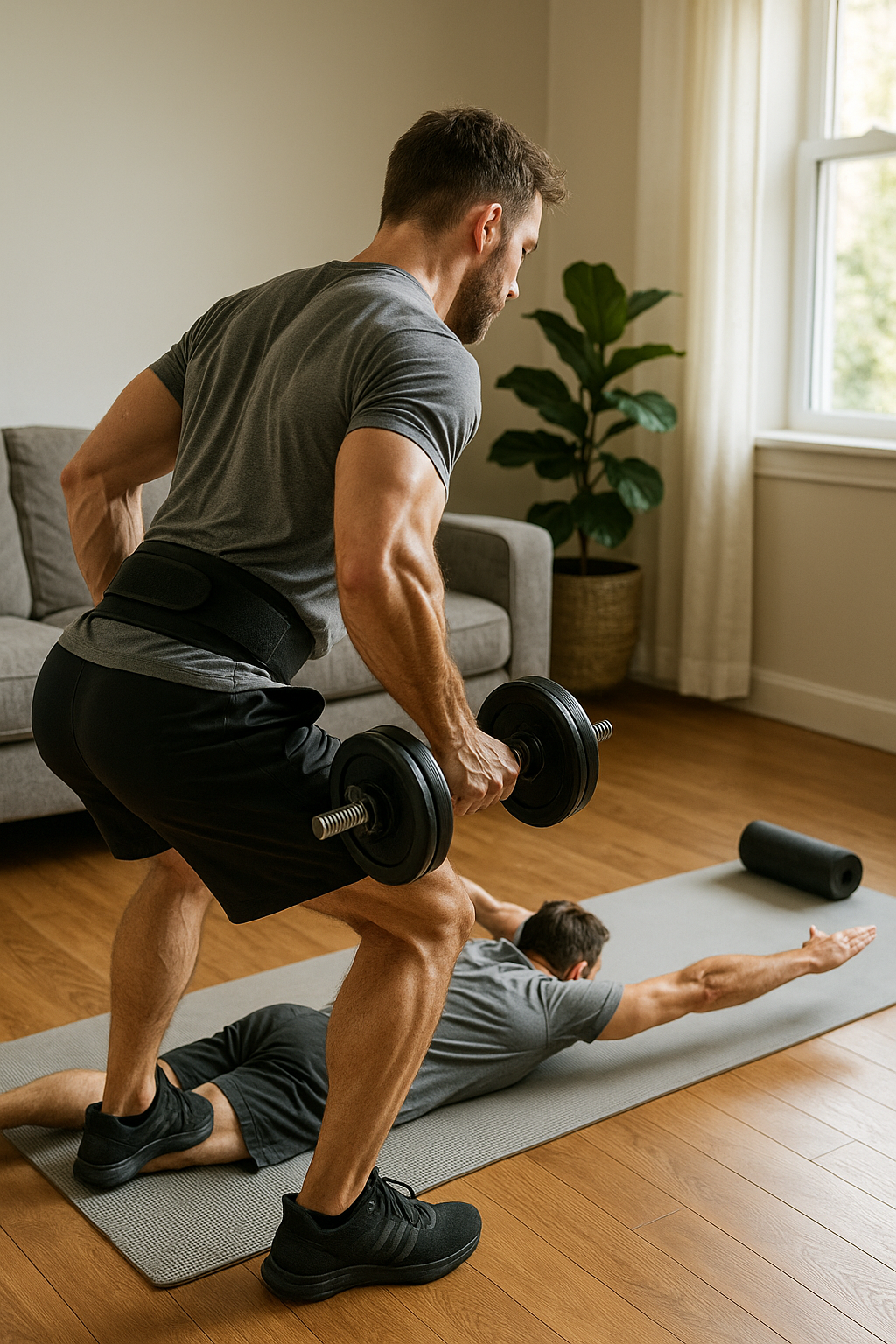
Piriformis syndrome is a condition that can significantly impact cyclists, causing discomfort and hindering performance. This syndrome occurs when the piriformis muscle, located in the buttock region, irritates the sciatic nerve, leading to pain and discomfort. Cyclists often experience symptoms such as buttock pain, tingling, and numbness that can extend along the back of the leg. The nature of cycling, with its repetitive motion and fixed posture, makes cyclists particularly susceptible to this condition. Understanding the relationship between piriformis syndrome and cycling is crucial for those who wish to maintain an active lifestyle without discomfort.
the role of ergonomics in cycling
Ergonomics plays a pivotal role in preventing injuries among cyclists, including those related to piriformis syndrome. A well-fitted bike and proper cycling posture are essential components in minimizing the risk of developing this painful condition. The repetitive nature of cycling, combined with the forward-leaning posture, can exacerbate the strain on the piriformis muscle. Therefore, ensuring that your bike is tailored to your body’s needs can help alleviate unnecessary stress on your muscles and joints.
Proper ergonomics in cycling involves adjusting the saddle height, handlebar position, and pedal alignment to suit your individual body mechanics. These adjustments can help distribute weight more evenly and reduce the likelihood of muscle irritation. Additionally, using ergonomic products such as specialized seat cushions or saddle designs can further enhance comfort and reduce the risk of piriformis syndrome.

Lumbar support belt
Provides adjustable lower back support and stability, great for pain from sciatica, herniated discs and leg pain.
purpose of the post
The goal of this post is to equip cyclists with practical ergonomic solutions and advice to effectively manage and prevent piriformis syndrome. By understanding the importance of ergonomics in cycling and implementing the recommended adjustments, cyclists can continue to enjoy their sport without the hindrance of pain. This post will delve into various strategies, from bike fitting to exercise protocols, to help you tackle piriformis syndrome head-on. Whether you're a seasoned cyclist or new to the sport, adopting these ergonomic practices can make a significant difference in your cycling experience.
In the following sections, we will explore in-depth information on the causes and symptoms of piriformis syndrome, as well as offer detailed ergonomic solutions for prevention and management. Stay tuned for practical tips and exercises that can help you maintain a pain-free cycling routine.
understanding the causes and symptoms of piriformis syndrome in cycling
Piriformis syndrome can be a significant concern for cyclists due to the unique demands of the sport. The fixed posture, forward lean, and repetitive pedaling motion inherent in cycling can contribute to the development of this condition. When cyclists maintain a bent-forward position for extended periods, the piriformis muscle can become overworked and tightened, leading to irritation of the sciatic nerve. This irritation results in the characteristic symptoms of piriformis syndrome, which include buttock pain, discomfort while sitting, and radiating leg pain that can hinder cycling performance.
Cyclists should be vigilant for signs of piriformis syndrome, especially if they experience pain during or after cycling sessions. Discomfort that intensifies while sitting or radiates down the leg can indicate that the piriformis muscle is under strain. Early recognition of these symptoms is crucial for implementing effective ergonomic solutions and preventing the condition from worsening.
ergonomic solutions for prevention and management
bike fit and positioning
A proper bike fit is essential for preventing and managing piriformis syndrome. Ensuring that your bike is tailored to your body's needs can significantly reduce strain on the piriformis muscle. Key aspects of bike fitting include adjusting the saddle height, handlebar position, and pedal alignment to suit your individual body mechanics. A saddle that is too high or low can alter your hip angle, increasing the risk of muscle irritation. Similarly, improperly positioned handlebars can lead to excessive forward lean, exacerbating strain on the lower back and buttocks.
Investing in ergonomic products can further enhance your cycling experience. Seat cushions designed to alleviate pressure on the buttocks, specialized saddle designs that support proper posture, and bike geometry adjustments can all contribute to reducing the risk of piriformis syndrome. A personalized bike fitting session with a professional can help identify the ideal setup for your body, ensuring optimal comfort and performance.
exercise and stretching protocols
Incorporating targeted exercises and stretching protocols into your routine can aid in both the prevention and management of piriformis syndrome. Foam rolling, stretching, muscle activation, and strengthening exercises are key components of a comprehensive relief plan. Specific exercises such as clamshells, lateral monster walks, and standing clamshells focus on activating and strengthening the glute and hip muscles, reducing the strain on the piriformis muscle.
Elastic band exercises can be particularly effective for targeting the gluteal and hip muscles, promoting flexibility and strength. Regularly performing these exercises can help maintain muscle balance and prevent the onset of piriformis syndrome. Consistency in your exercise routine is crucial for achieving long-term benefits and minimizing the risk of recurrence.
lifestyle and workplace adjustments
For cyclists with desk jobs, prolonged sitting can exacerbate symptoms of piriformis syndrome. It's important to take regular breaks to stand up, stretch, and move around during the workday. Implementing ergonomic desk setups can also make a significant difference. Adjusting your chair height, using lumbar supports, and incorporating footrests can help maintain proper posture and reduce strain on the lower back and hips.

Men's Posture Shirt™ - Black
Patented shirt that activates muscles and can relieve pain & tension for better posture at work, exercise, or leisure.
Maintaining an active lifestyle outside of cycling is equally important. Engaging in activities that promote overall fitness and flexibility can enhance your cycling performance and reduce the risk of developing piriformis syndrome. By integrating ergonomic solutions into both your cycling and daily routines, you can effectively manage and prevent this condition, ensuring a pain-free cycling experience.
integrating ergonomic solutions with clinical advice
For cyclists dealing with piriformis syndrome, combining ergonomic solutions with clinical advice can be highly beneficial. Ergonomic aids, such as specialized seat cushions and adjustable saddles, can work alongside medical treatments like physical therapy to provide comprehensive relief. These aids help reduce pressure on the piriformis muscle, allowing cyclists to continue their activities without exacerbating symptoms.
Recovery tools such as positioning pillows and lumbar supports are valuable for home use, offering comfort and support during rest. These tools can help maintain proper posture and alleviate strain on the lower back and buttocks, essential for recovery and prevention of further irritation to the piriformis muscle.
Adopting a holistic approach that combines ergonomics, targeted exercises, and professional guidance is crucial for effectively managing piriformis syndrome. This comprehensive strategy ensures that cyclists can address the root causes of their discomfort while enhancing their overall cycling experience.
conclusion: cycling smarter with ergonomics
Addressing piriformis syndrome proactively is essential for cyclists who wish to maintain an active lifestyle without pain. By integrating ergonomic adjustments into your cycling routine, you can significantly reduce the risk of developing this condition. Proper bike fit, combined with targeted exercises and lifestyle modifications, forms the foundation of a pain-free cycling experience.
Consider ergonomic solutions as a vital part of your cycling regimen. By doing so, you not only enhance your comfort and performance but also safeguard your long-term health. Embrace these practices to continue enjoying cycling without the hindrance of piriformis syndrome.
frequently asked questions
What is the primary cause of piriformis syndrome in cyclists?
The repetitive motion and fixed posture during cycling can irritate the piriformis muscle, leading to symptoms. This irritation often stems from improper bike fit and prolonged periods of cycling in a forward-leaning position.
Can I continue cycling if I have piriformis syndrome?
Yes, you can continue cycling, but it is crucial to make ergonomic adjustments and follow a tailored exercise regime to prevent worsening symptoms. Consulting with a healthcare professional for personalized advice is also recommended.
How can I ensure my bike is ergonomically fitted?
Consider a professional bike fitting session to adjust saddle height, handlebar position, and pedal alignment. Ergonomic products, such as seat cushions and specialized saddles, can also aid in achieving a better fit.
Are there specific ergonomic products recommended for preventing piriformis syndrome?
Yes, seat cushions, ergonomic saddles, and adjustable bike components can help reduce strain on the piriformis muscle. These products distribute pressure more evenly and promote proper posture during cycling.
What are some signs that my desk setup might be contributing to my symptoms?
Experiencing increased pain after prolonged sitting or noticing poor posture at your workstation are indicators to reassess your desk ergonomics. Adjusting chair height, using lumbar supports, and incorporating footrests can help alleviate these issues.
Kilder
- MyWhoosh. (n.d.). "Stop Cycling-Related Piriformis Syndrome from Being a Pain in Your Buttocks."
- Triathlete. (n.d.). "Piriformis Syndrome: Treatment, Prevention, and Exercises."
- The Zommunique. (2023). "Piriformis Syndrome in Cyclists."
- Mount Sinai. (n.d.). "Piriformis Syndrome."
- Sports Med Rockies. (n.d.). "Managing Piriformis Syndrome in Active Adults."
- OWC Health. (2024). "Piriformis Syndrome Exercises to Avoid: Protecting Your Piriformis Muscle."
- Cleveland Clinic. (n.d.). "Piriformis Syndrome."
- Simple Wellness. (n.d.). "Piriformis Syndrome & Cycling."
- OrthoTexas. (n.d.). "Piriformis Syndrome: Causes, Symptoms, and Treatment."
- Chain Reaction PT. (n.d.). "Piriformis Pain with Cycling: What It Is, Why It Happens, and What to Do About It."
- NCBI. (n.d.). "Piriformis Syndrome."
- Columbia Doctors. (n.d.). "What to Know About Piriformis Syndrome."
- VeloNews. (n.d.). "VeloNews Training Center: Piriformis Syndrome and Cycling."