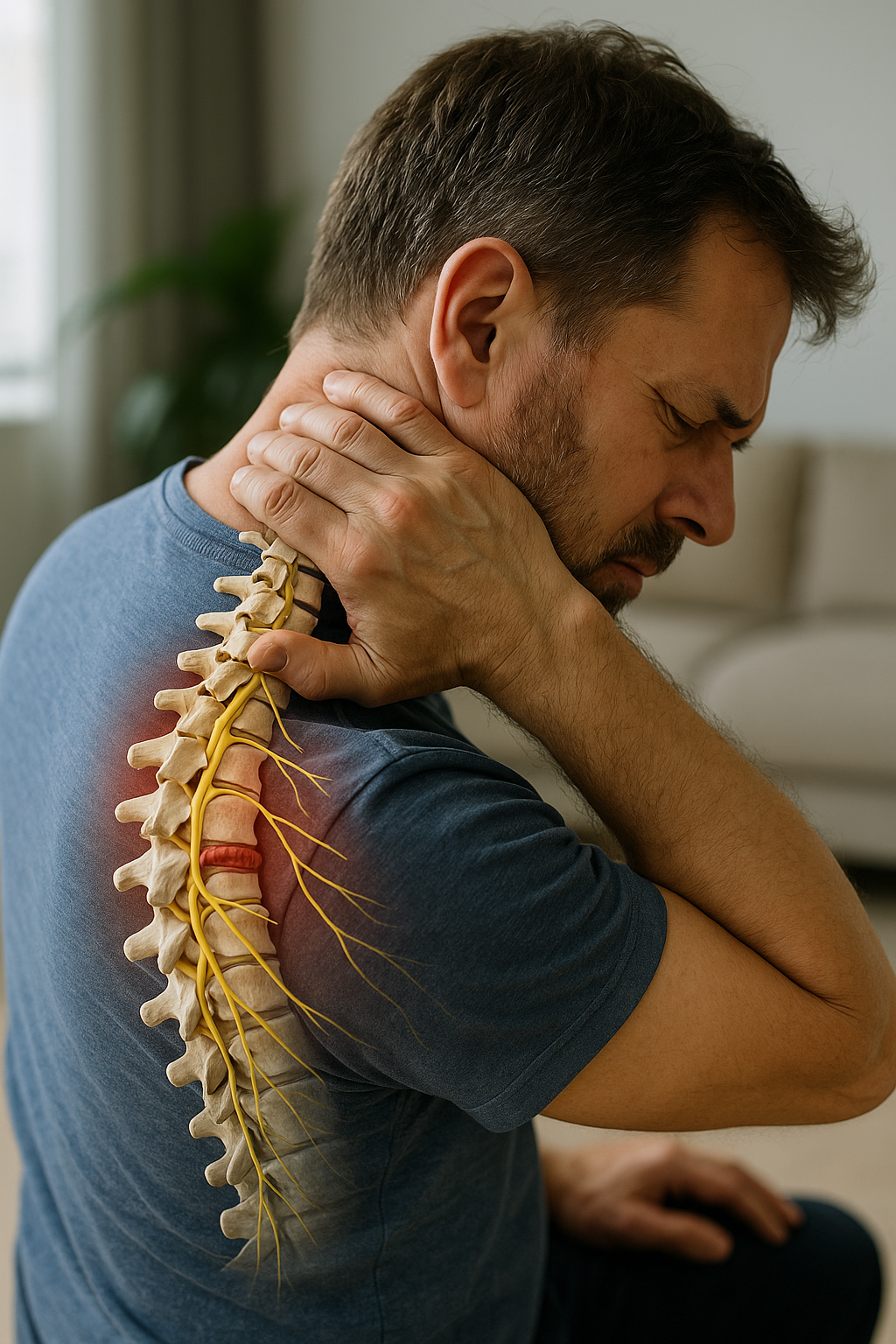
When people refer to a "crooked lower back," they are often describing an unsettling sensation or appearance where the lower spine seems misaligned. This condition can manifest as visible asymmetry, where one hip appears higher than the other, or as a noticeable lean to one side, making it difficult to stand up straight. Such experiences can be both physically uncomfortable and visually concerning, leading many to seek answers about their origins and implications.
understanding the concern: crooked lower back
The term "crooked lower back" doesn't correspond to a specific medical diagnosis but rather describes a range of symptoms or visual cues that suggest something is amiss with spinal alignment. These symptoms can arise from either structural issues, where the spine itself has a permanent deviation, or functional issues, where muscle or nerve problems cause temporary misalignment. Structural issues may include conditions like scoliosis, which involves a side-to-side curvature of the spine, or lordosis, characterized by an excessive inward curve.
why it matters
Understanding why your lower back appears crooked is crucial not only for peace of mind but also for your overall health and well-being. A misaligned spine can lead to chronic pain, reduced mobility, and even affect your daily activities, from walking and sitting to more strenuous physical tasks. Moreover, it can have a cascading effect on other parts of your body, potentially leading to discomfort in areas like the hips, knees, and even shoulders.
Identifying the root cause of a crooked lower back is essential for effective management and treatment. Whether it's a structural deformity requiring medical intervention or a functional issue that could be alleviated with lifestyle changes and ergonomic adjustments, knowing the underlying cause is the first step towards relief.
purpose of the post
This blog post aims to delve into the various reasons behind a crooked lower back, with a focus on distinguishing between structural and functional causes. We'll explore common medical conditions that may lead to spinal misalignment and discuss practical strategies for managing symptoms through ergonomic adjustments and self-care practices. By the end of this post, readers will have a clearer understanding of their condition and the steps they can take to improve their spinal health.
structural causes of a crooked lower back
When discussing a crooked lower back, it's essential to differentiate between structural and functional causes. Structural issues are those where the spine itself is curved or twisted, leading to visible asymmetry or misalignment. One common structural condition is scoliosis, which involves a side-to-side curvature of the spine. In more complex cases, rotoscoliosis can occur, where the spine not only curves but also rotates, causing uneven shoulders and hips, and in severe cases, even impacting breathing due to rib cage asymmetry. Professional assessment is crucial for managing scoliosis, as it can lead to long-term complications if left untreated.
Another structural issue is lordosis, commonly referred to as swayback, where there is an excessive inward curvature of the lower back. This condition can alter posture significantly, leading to back pain and potential mobility issues. Conversely, flatback syndrome involves the loss of the natural lumbar curve, causing a forward-leaning posture that can result from spinal surgery or degenerative diseases. Individuals with flatback syndrome often experience persistent pain and fatigue due to the inefficient posture.
While kyphosis typically affects the upper back, its presence can influence overall posture, including the lower back. Excessive rounding of the upper spine can lead to compensatory changes in the lumbar region, contributing to a crooked appearance. Understanding these structural conditions is vital, as they require targeted medical interventions and cannot be corrected by posture aids alone.
functional causes and their impact
Functional causes of a crooked lower back are often temporary and result from muscle or nerve-related issues. An acute strain or sprain in the back can lead to muscle spasms, which are characterized by sharp, localized pain and difficulty in straightening the back. These spasms can cause the back to appear crooked as the muscles contract involuntarily to protect the injured area.
Another common functional cause is sciatica, which occurs when the sciatic nerve is compressed, often by a herniated disc. This condition results in shooting pain down the leg and can cause a person to lean away from the affected side to alleviate discomfort, giving the appearance of a crooked back. Similarly, spinal stenosis, a narrowing of the spinal canal, can lead to pain and numbness during standing or walking, prompting individuals to adopt a bent posture to relieve symptoms.
Functional issues often respond well to conservative treatment approaches, such as physical therapy, ergonomic adjustments, and self-care strategies. Unlike structural problems, these conditions can often be managed with lifestyle changes and do not necessarily require surgical intervention.
recognizing red flags and seeking help
While many cases of a crooked lower back are manageable with self-care and ergonomic strategies, certain symptoms indicate the need for immediate medical attention. Red flags include sudden severe weakness or numbness in the legs, loss of bladder or bowel control, and persistent pain that does not improve with rest or over-the-counter medications. These symptoms may suggest serious underlying conditions, such as cauda equina syndrome, which requires urgent evaluation and treatment.
Understanding the distinction between structural and functional causes of a crooked lower back is crucial for effective management. By recognizing the signs and symptoms of each, individuals can seek appropriate care and take proactive steps to improve their spinal health. In the next section, we will explore ergonomic and self-care strategies that can help alleviate symptoms and support a healthier posture.
Evidence-informed self-care and ergonomics for a crooked lower back
Managing a crooked lower back effectively often involves a combination of self-care practices and ergonomic adjustments, particularly when the issue is functional rather than structural. For non-emergency situations, engaging in gentle movement rather than complete rest can be beneficial. This approach helps maintain mobility and prevents stiffness, which can exacerbate discomfort. Incorporating heat or ice applications can also provide relief from pain and muscle spasms, depending on the individual's specific symptoms.
Gradually reintroducing activity is crucial for recovery, especially for those experiencing muscle strain or nerve-related issues like sciatica. Core strengthening and postural exercises can support the spine and improve alignment over time. It's important to approach these exercises cautiously, ensuring that they are suitable for your specific condition and avoiding any movements that increase pain.
Ergonomics play a significant role in managing a crooked lower back. The way you sit, the height of your screen, and the support of your chair all influence spinal alignment. Ensuring that your workspace is set up to promote good posture can help reduce the strain on your back. This might include using a lumbar cushion to support the natural curve of your lower spine or adjusting your chair and desk height to maintain a neutral posture.

Lumbar support belt
Lower back support and relief belt, adjustable for daily use and pain relief.
How ergonomic aids and posture garments can help
While ergonomic aids and posture garments are not cures for structural issues like scoliosis, they can offer significant support in reducing postural stress and muscle fatigue. These tools provide feedback that encourages better posture, which can be particularly beneficial in a work environment where prolonged sitting is common.
Examples of helpful ergonomic aids include posture shirts and garments that gently encourage a more neutral alignment, as well as lumbar cushions that provide targeted support for the lower back. For businesses, investing in ergonomic solutions can lead to fewer pain-related breaks and increased productivity, as employees experience greater comfort and reduced risk of back pain.

Men's Posture Shirt™ - Black
Supportive shirt with Neuroband™ tech to aid posture, comfort, and muscle pain relief.
When to seek professional help and what to expect
It's important to recognize when professional intervention is necessary for a crooked lower back. If self-care strategies do not alleviate symptoms or if you experience red flag symptoms such as severe weakness, numbness, or loss of bladder control, seeking medical evaluation is crucial. Healthcare providers may conduct assessments that include a physical examination and imaging tests to determine the underlying cause of your symptoms.
Depending on the diagnosis, a multidisciplinary approach may be recommended, involving general practitioners, physiotherapists, chiropractors, or spine specialists. Anodyne products can be integrated into these management plans as supportive tools that complement other treatments, providing additional comfort and alignment support.
Frequently Asked Questions
What is the difference between structural and functional causes of a crooked lower back?
Structural causes involve permanent changes in the spine's shape, such as scoliosis or lordosis, while functional causes are often temporary and result from muscle or nerve issues, like spasms or sciatica.
Can ergonomic aids fix a crooked lower back?
No, ergonomic aids do not fix structural issues but can support better posture and reduce muscle fatigue, which may help alleviate discomfort in functional cases.
When should I see a doctor for my crooked lower back?
You should see a doctor if you experience red flag symptoms such as sudden severe weakness, numbness, loss of bladder or bowel control, or persistent pain that does not improve with self-care.
How can I prevent my lower back from becoming crooked?
Maintaining good posture, using ergonomic furniture, and engaging in regular exercise can help prevent a crooked lower back by supporting spinal health and reducing strain.
Kilder
- Lowenstein, J. (n.d.). "Flatback Syndrome: When a Straight Spine is Abnormal." Jason Lowenstein MD.
- Medical News Today. (n.d.). "Flatback Syndrome: Causes, Symptoms, and Treatment."
- Cleveland Clinic. (n.d.). "Lordosis: Overview, Symptoms, and Treatment."
- WebMD. (n.d.). "Scoliosis: Causes and Treatment."
- FYZICAL Therapy & Balance Centers. (n.d.). "Lower Back Pain: Can't Stand Up Straight?"
- Mayo Clinic. (n.d.). "Scoliosis: Symptoms and Causes."
- NHS. (n.d.). "Kyphosis: Overview and Treatment."
- Life Systems Chiropractic. (n.d.). "Lower Back Pain: Why Does My Body Lean to One Side?"
- Spine Connection. (n.d.). "Hyperlordosis: Understanding the Condition."
- Cleveland Clinic. (n.d.). "Lower Back Pain: Causes, Symptoms, and Diagnosis."