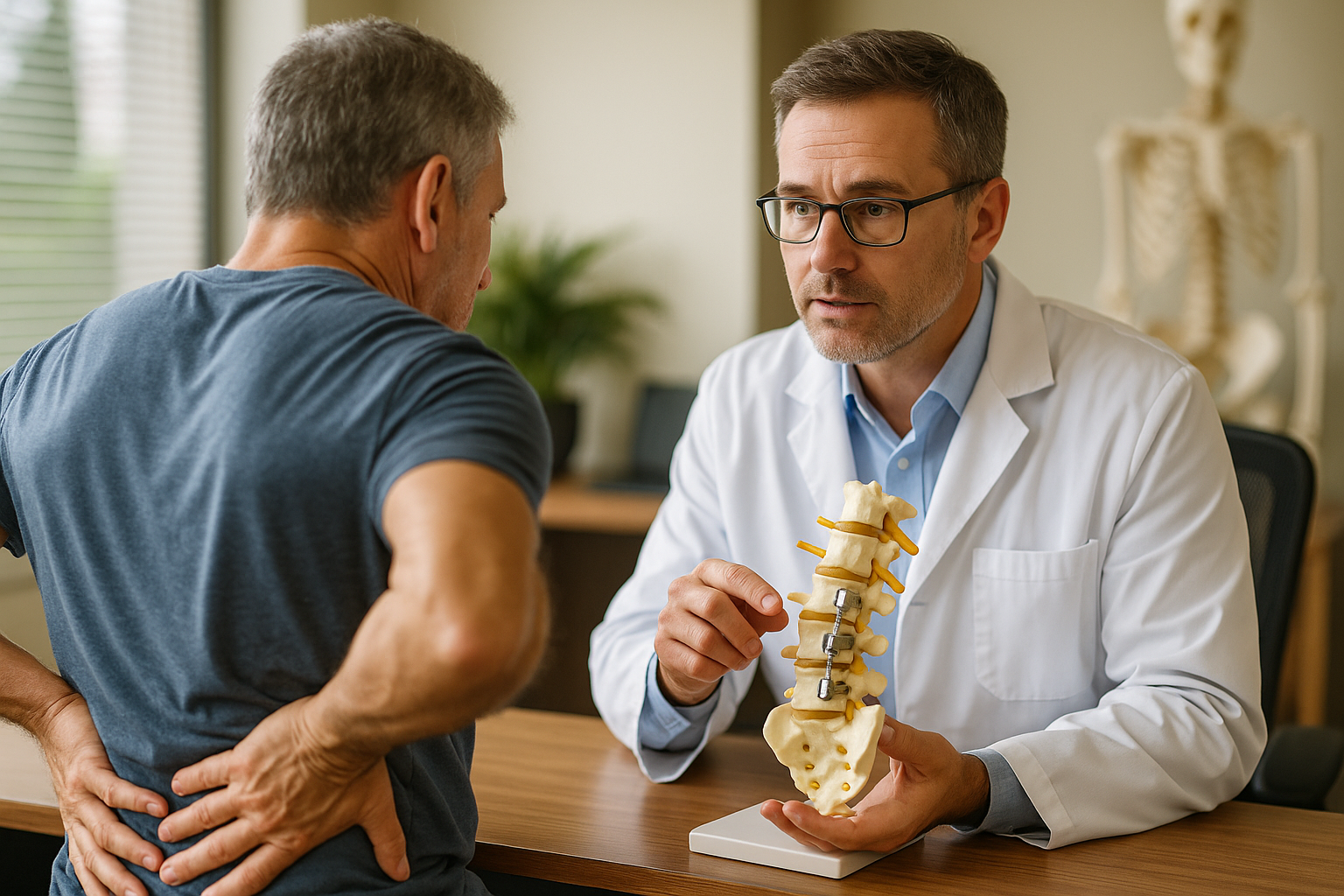
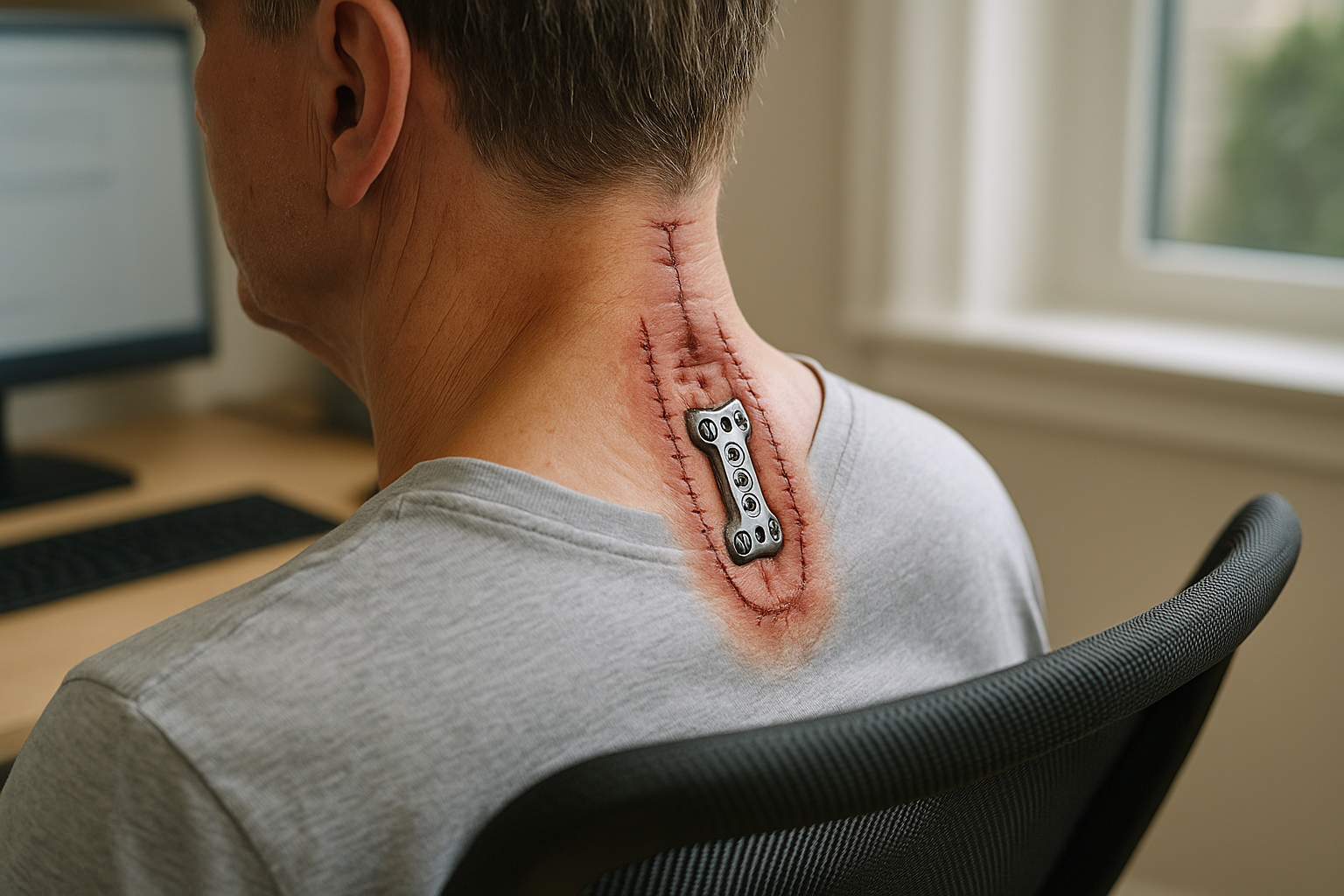
Living with arthritis in the spine can be a daunting challenge, affecting millions of individuals worldwide. This condition, often referred to as spinal osteoarthritis, involves the gradual degeneration of the spine's facet joints and intervertebral discs. It most commonly impacts the lower back and neck, leading to persistent pain and stiffness that can significantly hinder daily activities and overall quality of life.
Understanding spinal arthritis
Spinal arthritis is a condition characterized by the wear and tear of the cartilage that cushions the joints and discs in the spine. Over time, this degeneration can cause the bones to rub against each other, resulting in pain, inflammation, and reduced mobility. While it can affect anyone, spinal arthritis is particularly prevalent among older adults, with cases on the rise due to aging populations and increasingly sedentary lifestyles.
The impact of spinal arthritis is profound, as it is a leading cause of disability among adults. The condition can make simple tasks, such as walking or bending, incredibly painful, limiting a person's ability to perform daily activities and diminishing their quality of life. As a result, finding effective relief and management strategies is crucial for those living with this condition.
The quest for natural relief
Traditional treatments for arthritis in the spine often include medications and, in severe cases, surgery. However, these options come with their own set of challenges. Medications can lead to unwanted side effects, and surgeries carry inherent risks and require significant recovery time. Consequently, there is a growing interest in natural, non-invasive methods to manage symptoms and improve mobility.
Natural relief options focus on reducing pain and stiffness while enhancing overall spinal health. These methods include lifestyle modifications, physical therapy, and ergonomic adjustments that aim to alleviate stress on the spine and improve posture. By exploring these avenues, individuals can find relief without the need for more aggressive interventions.

Lumbar support belt
Stabilises and relieves the lower back; ideal for pain, sciatica, and herniated discs.
In the following sections, we will delve deeper into the symptoms and diagnosis of spinal arthritis, explore non-surgical treatment options, and discuss complementary therapies that can offer additional support. By understanding the full spectrum of available strategies, those affected by spinal arthritis can take proactive steps toward managing their condition and improving their quality of life.
Symptoms and diagnosis of spinal arthritis
Arthritis in the spine manifests in various ways, often starting with stiffness and pain that can be particularly pronounced in the morning or after long periods of inactivity. This discomfort is frequently localized in the lower back or neck, areas where spinal osteoarthritis is most prevalent. As the condition progresses, nerve compression may occur, leading to numbness, tingling, or even weakness in the arms or legs. These symptoms can significantly impact daily activities, making early diagnosis and management crucial.
Diagnosing spinal arthritis typically involves a combination of medical history evaluation, physical examinations, and imaging techniques. Physicians often rely on X-rays or MRI scans to assess the extent of joint degeneration and to rule out other conditions that may mimic arthritis symptoms. These diagnostic tools allow healthcare providers to visualize changes in the spine's structure, such as bone spurs or narrowing of the space between discs, which are indicative of osteoarthritis.
Exploring non-surgical treatment options
For those seeking relief from spinal arthritis, non-surgical treatments are often the first line of defense. Physical therapy plays a vital role in managing symptoms, focusing on exercises that improve flexibility, strength, and posture. Activities such as swimming, yoga, and tai chi are particularly beneficial, as they promote movement without placing undue stress on the spine.
In addition to physical therapy, medications can help manage pain and inflammation. Over-the-counter options like NSAIDs and acetaminophen are commonly used, providing relief from mild to moderate discomfort. For localized pain, topical treatments and muscle relaxants may offer additional benefits. These conservative management strategies aim to reduce symptoms and improve quality of life without resorting to more invasive procedures.
Lifestyle modifications are equally important in managing spinal arthritis. Maintaining a healthy weight can significantly reduce stress on the spine, alleviating pain and slowing the progression of the disease. Ergonomic adjustments, such as using supportive seating and posture aids, can also make a substantial difference. These changes not only help manage current symptoms but also prevent further deterioration.

Men's Posture Shirt™ - Black
Promotes better posture and can relieve pain/tension; patented NeuroBand™ tech.
Complementary therapies for spinal arthritis
Alongside traditional treatments, complementary therapies offer additional avenues for relief. Acupuncture and acupressure, for example, have gained popularity for their potential to alleviate pain and improve function in individuals with spinal arthritis. These therapies work by stimulating specific points on the body, which may help to reduce inflammation and promote natural healing processes.
Hot and cold therapy is another effective method for managing arthritis symptoms. Applying heat can relax tense muscles and increase circulation, while cold therapy can reduce swelling and numb sharp pain. These simple yet effective techniques can be easily incorporated into daily routines, providing immediate relief from discomfort.
Ergonomics also plays a crucial role in managing spinal arthritis. Incorporating ergonomic tools and practices can significantly reduce strain on the spine, improving posture and alleviating pain. Adjustable chairs, standing desks, and supportive cushions are examples of ergonomic solutions that can enhance comfort and functionality in everyday life.
By integrating these non-surgical and complementary therapies, individuals with spinal arthritis can achieve a more holistic approach to pain management. This comprehensive strategy not only addresses symptoms but also enhances overall spinal health, empowering individuals to lead more active and fulfilling lives.
Advanced non-invasive interventions for spinal arthritis
For individuals seeking advanced options beyond traditional non-surgical treatments, there are several promising interventions that provide relief from arthritis in the spine. One such method is the use of corticosteroid injections, which are administered directly into the affected area to reduce inflammation and alleviate pain. These injections can offer temporary relief and are often used in conjunction with other treatments to manage symptoms effectively.
Another innovative approach is radiofrequency ablation, a procedure that targets specific nerves responsible for transmitting pain signals. By using heat generated from radio waves, this technique can disrupt these signals, providing long-term pain relief for those with severe spinal arthritis. While these interventions are more advanced, they remain non-invasive and can be a viable option for individuals who are not candidates for surgery or prefer to avoid it.
Innovative therapies and technologies
As the understanding of spinal arthritis continues to evolve, so do the therapies and technologies designed to treat it. Researchers are exploring new treatments that harness the body's natural healing processes, such as regenerative medicine. This includes the use of platelet-rich plasma (PRP) therapy, which involves injecting concentrated platelets from the patient's blood into the affected area to promote healing and reduce inflammation.
Additionally, advancements in wearable technology are providing new ways to monitor and manage spinal arthritis. Devices that track posture and movement can offer real-time feedback, helping individuals make necessary adjustments to reduce strain on the spine. These innovations represent a growing field of possibilities that aim to improve the quality of life for those living with spinal arthritis.
Conclusion: embracing a holistic approach to spinal arthritis
Managing arthritis in the spine requires a comprehensive strategy that integrates multiple treatment modalities. By combining physical therapy, lifestyle modifications, ergonomic adjustments, and advanced interventions, individuals can effectively manage their symptoms and enhance their overall well-being. Emphasizing individualized treatment plans tailored to each person's unique needs ensures the most effective outcomes and minimizes discomfort.
Ultimately, adopting a holistic approach empowers individuals to take control of their condition and improve their quality of life. By staying informed about the latest advancements and exploring a variety of treatment options, those affected by spinal arthritis can find relief and continue to lead active, fulfilling lives.
Frequently asked questions
What causes arthritis in the spine?
Arthritis in the spine is primarily caused by the degeneration of cartilage in the facet joints and intervertebral discs. Factors contributing to this degeneration include age, genetics, obesity, and previous spinal injuries.
Can spinal arthritis be cured?
Currently, there is no cure for spinal arthritis. However, symptoms can be effectively managed through a combination of treatments and lifestyle changes, allowing individuals to maintain a good quality of life.
How can ergonomics help with spinal arthritis?
Ergonomic tools and practices can significantly reduce strain on the spine, improve posture, and alleviate pain. Incorporating items like adjustable chairs, standing desks, and supportive cushions into daily routines can complement other treatments and enhance comfort.
Is surgery necessary for spinal arthritis?
Surgery is typically considered only in severe cases where conservative treatments have failed, such as when spinal stenosis is present. Non-surgical options are generally preferred due to their lower risk and less invasive nature.
What are the best exercises for spinal arthritis?
Low-impact exercises like swimming, yoga, and tai chi are highly recommended for individuals with spinal arthritis. These activities help maintain flexibility and strength without placing undue stress on the spine, promoting overall spinal health.
Kilder
- Hospital for Special Surgery. "Spinal Arthritis."
- Mayo Clinic Health System. "Pain in the Back: Spinal Arthritis."
- Southern California Orthopedic Specialists. "Spine Arthritis."
- Total Spine Health & Injury Center. "Arthritis of the Spine."
- National Institute of Arthritis and Musculoskeletal and Skin Diseases. "Ankylosing Spondylitis."
- Mayo Clinic. "Osteoarthritis: Expert Answers."
- Cleveland Clinic. "Spinal Arthritis."
- Boston Medical Center. "Spinal Arthritis."
- Cedars-Sinai. "Lumbar/Lumbosacral Arthritis."