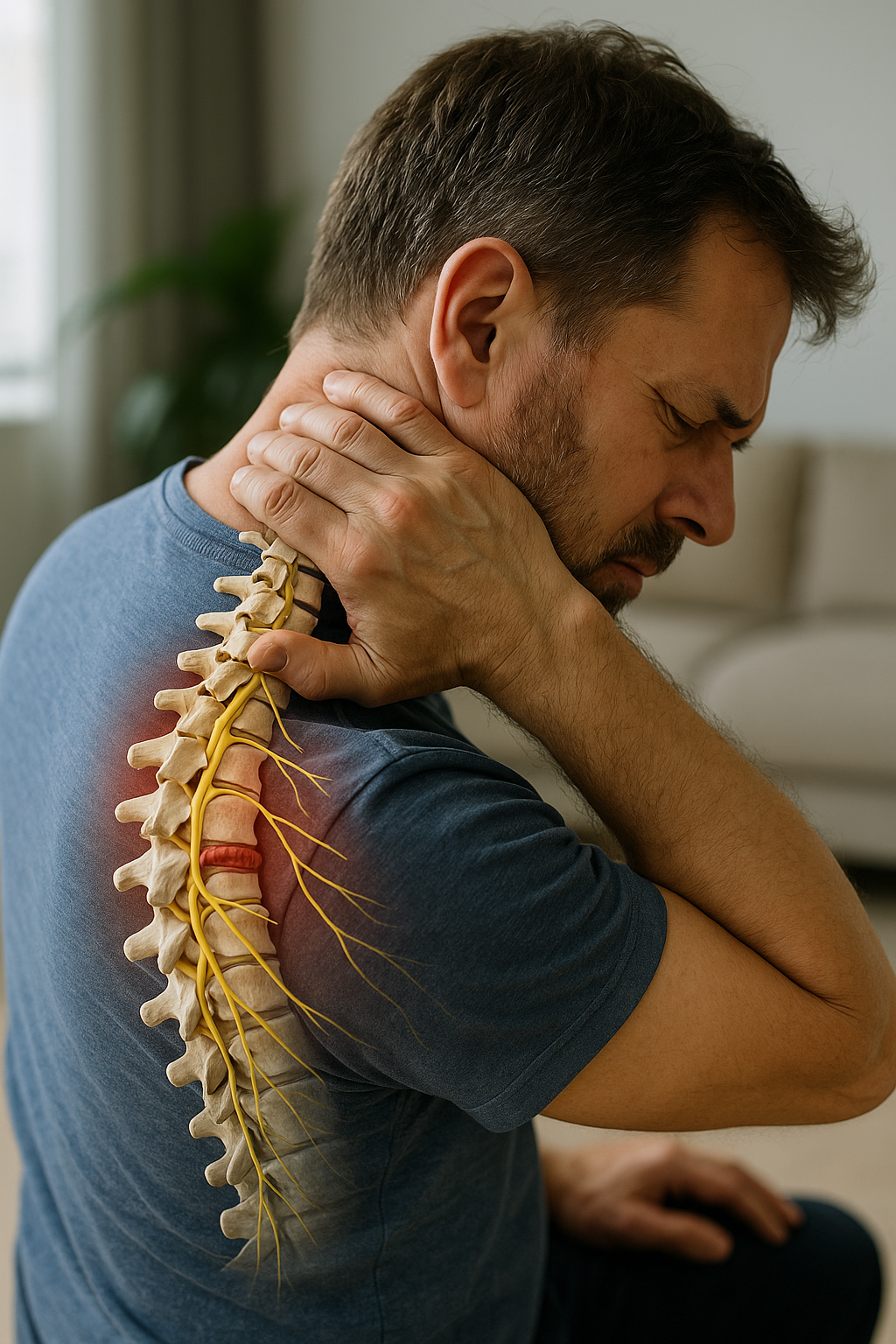
When you think of a pinched nerve in the neck, common symptoms like pain, numbness, and tingling often come to mind. However, dizziness might not be the first symptom you associate with this condition. Yet, for some individuals, dizziness can be an unexpected and disconcerting symptom of a pinched nerve in the neck. This connection might seem surprising, but understanding how it occurs is crucial for effectively managing the condition.
understanding the connection between neck nerves and dizziness
When users search for information about dizziness from a pinched nerve in the neck, they are often looking to understand the cause and potential solutions. The keyword indicates a need for clarity on whether a pinched nerve in the neck can indeed lead to dizziness, how this happens, and what steps can be taken to address it. Although dizziness is a less common and somewhat controversial symptom, it is important to explore its potential link to neck issues.
The cervical spine, located in the neck, plays a crucial role in sending signals between the brain and the rest of the body. When a nerve in this area becomes compressed or pinched, it can disrupt these signals, potentially leading to symptoms beyond the typical pain and numbness. Dizziness, although not as prevalent, can occur due to disturbed proprioceptive input from the cervical spine to the brain. This disruption can result in what is known as cervicogenic dizziness or cervical vertigo, where dizziness is directly related to neck problems.
the controversy surrounding dizziness as a symptom
The medical community is divided on the prevalence of dizziness as a symptom of a pinched nerve in the neck. Some professionals assert that while it is possible, it is not commonly observed. Others emphasize the importance of considering cervicogenic dizziness, particularly when other causes have been ruled out. This condition is characterized by dizziness linked to neck pain, with symptoms often worsening with specific head movements or positions.
Cervicogenic dizziness remains a controversial diagnosis because it is often a diagnosis of exclusion. This means that it is typically considered only after other potential causes of dizziness, such as inner ear issues or cardiovascular problems, have been eliminated. Despite this controversy, understanding the potential connection between neck issues and dizziness is essential for developing effective management strategies.
By exploring the unexpected link between a pinched neck nerve and dizziness, individuals can gain valuable insights into their symptoms. This understanding can guide them in seeking appropriate care, whether through conservative treatments or by consulting with healthcare professionals for a comprehensive evaluation.
can a pinched nerve in the neck cause dizziness?
While dizziness is not the most common symptom of a pinched nerve in the neck, it is indeed possible. According to high-authority sources like Healthline and ADR Spine, dizziness can occur due to disrupted proprioceptive input from the cervical spine to the brain. This disruption can lead to a condition known as cervicogenic dizziness. Proprioception is the body's ability to sense its position in space, and when this system is disturbed, it can result in dizziness.
It is crucial to differentiate cervicogenic dizziness from other potential causes of dizziness, such as inner ear disorders or cardiovascular issues. A thorough evaluation by a healthcare professional is often necessary to rule out these other causes. This differential diagnosis is essential because dizziness can be a symptom of various conditions, and pinpointing the exact cause is key to effective treatment.
understanding cervicogenic dizziness and cervical vertigo
Cervicogenic dizziness, also referred to as cervical vertigo, is characterized by dizziness that is closely associated with neck pain. This condition can also include symptoms such as vision disturbances and coordination problems. Diagnosing cervicogenic dizziness can be challenging because it is often a diagnosis of exclusion. This means that it is typically considered only after other potential causes of dizziness have been ruled out.
Treatment for cervicogenic dizziness often involves addressing the underlying neck issues. This can include improving posture, enhancing neck mechanics, and engaging in vestibular rehabilitation. Vestibular rehabilitation is a specialized form of physical therapy that focuses on improving balance and reducing dizziness symptoms. It can be particularly beneficial for those suffering from cervicogenic dizziness, as it helps retrain the brain to process signals from the neck more effectively.

Men's Posture Shirt™ - Black
Stimulates your muscles, relieves pain, and improves posture with patented NeuroBand™ tech.
mechanisms and scientific evidence behind dizziness from neck issues
Scientific insights into how cervical disc degeneration and mechanoreceptors contribute to dizziness provide a deeper understanding of the condition. Mechanoreceptors, such as Ruffini corpuscles, play a crucial role in proprioception. When the cervical spine experiences degeneration, these receptors may send abnormal signals to the brain, leading to a sensory mismatch with the visual and vestibular systems. This mismatch can result in dizziness.
Research, including studies like the JAMA Otolaryngology cohort study, has shown a modest increase in the risk of dizziness among patients with cervical spondylosis. While this risk increase is modest, it underscores the potential link between neck pathology and dizziness. Understanding these mechanisms can help in developing targeted treatment strategies for those experiencing dizziness due to neck issues.
conclusion: navigating the complexities of neck-related dizziness
While dizziness from a pinched nerve in the neck is relatively uncommon and somewhat controversial, it is a possibility that should not be overlooked. By understanding the mechanisms behind cervicogenic dizziness and the importance of differential diagnosis, individuals can take appropriate steps toward managing their symptoms. Whether through conservative treatments, such as posture correction and vestibular rehabilitation, or by seeking professional evaluation, addressing neck-related dizziness requires a comprehensive approach.
For those experiencing dizziness alongside neck pain, consulting with healthcare professionals can provide valuable insights and guide effective management strategies. By exploring the unexpected link between neck issues and dizziness, individuals can better navigate their symptoms and seek the most appropriate care.
Typical symptoms and red flags
A pinched nerve in the neck can manifest through a variety of symptoms, with neck pain, stiffness, and dizziness being among the most common. Dizziness related to neck issues, often referred to as cervicogenic dizziness, may worsen with specific head movements or positions. It is crucial to recognize these symptoms and differentiate them from other potential causes of dizziness.
However, certain red-flag symptoms necessitate immediate medical attention. These include severe headaches, neurological deficits such as numbness or weakness in the limbs, and incontinence. If you experience any of these symptoms, it is vital to seek urgent medical evaluation to rule out more serious conditions.
Treatment and management approaches
Managing symptoms associated with a pinched nerve in the neck often begins with conservative care. Rest and over-the-counter pain medications can alleviate discomfort, while physical therapy and manual therapy may improve neck mechanics and reduce dizziness. These treatments focus on enhancing posture and neck mobility, which are crucial in alleviating symptoms.
In addition to professional treatments, ergonomic and lifestyle strategies play a significant role in managing neck-related dizziness. Ensuring optimal desk and screen height, proper chair setup, and neck-friendly sleep ergonomics can help prevent exacerbation of symptoms. These adjustments are particularly beneficial for individuals who spend long hours at a desk or in front of a computer.

Women's Posture Shirt™ - Black
Stimulates your muscles, relieves tension, and improves posture with documented medical results.
In rare cases, when conservative treatments fail to provide relief, more invasive options such as surgery might be considered. However, these are typically reserved for severe cases where significant cervical spine pathology is present.
Frequently Asked Questions
Is dizziness from neck problems dangerous?
While dizziness from neck problems is not typically dangerous, it is crucial to rule out other serious causes. Consulting with a healthcare professional can help determine the underlying cause and ensure appropriate treatment.
How long does dizziness from a pinched nerve last?
The duration of dizziness from a pinched nerve varies, but most cases improve over time with conservative care. Engaging in physical therapy and making ergonomic adjustments can expedite recovery.
Can poor posture alone cause dizziness?
Poor posture can contribute to neck issues, potentially leading to dizziness. Maintaining proper posture and making ergonomic adjustments can help alleviate symptoms associated with neck-related dizziness.
Can this be cured with exercises?
Exercises can significantly reduce cervicogenic dizziness. Studies suggest that self-exercise programs focusing on neck strength and mobility can be effective, but a comprehensive management approach is essential for optimal results.
Källor
- "What Can a Pinched Nerve Cause." Chiropractor Snellville.
- "Can a Pinched Nerve Cause Dizziness?" Healthline.
- "Can a Pinched Nerve Cause Dizziness?" Total Ortho Sports Med.
- "Can a Pinched Nerve Cause Dizziness?" ADR Spine.
- "Pinched Nerve in Neck." Medical News Today.
- "Cervical Vertigo." Cleveland Clinic.
- "What to Know About Cervicogenic Dizziness." WebMD.
- "Cervicogenic Dizziness." Biomotion Physical Therapy.
- "Understanding Cervicogenic Dizziness." YouTube.