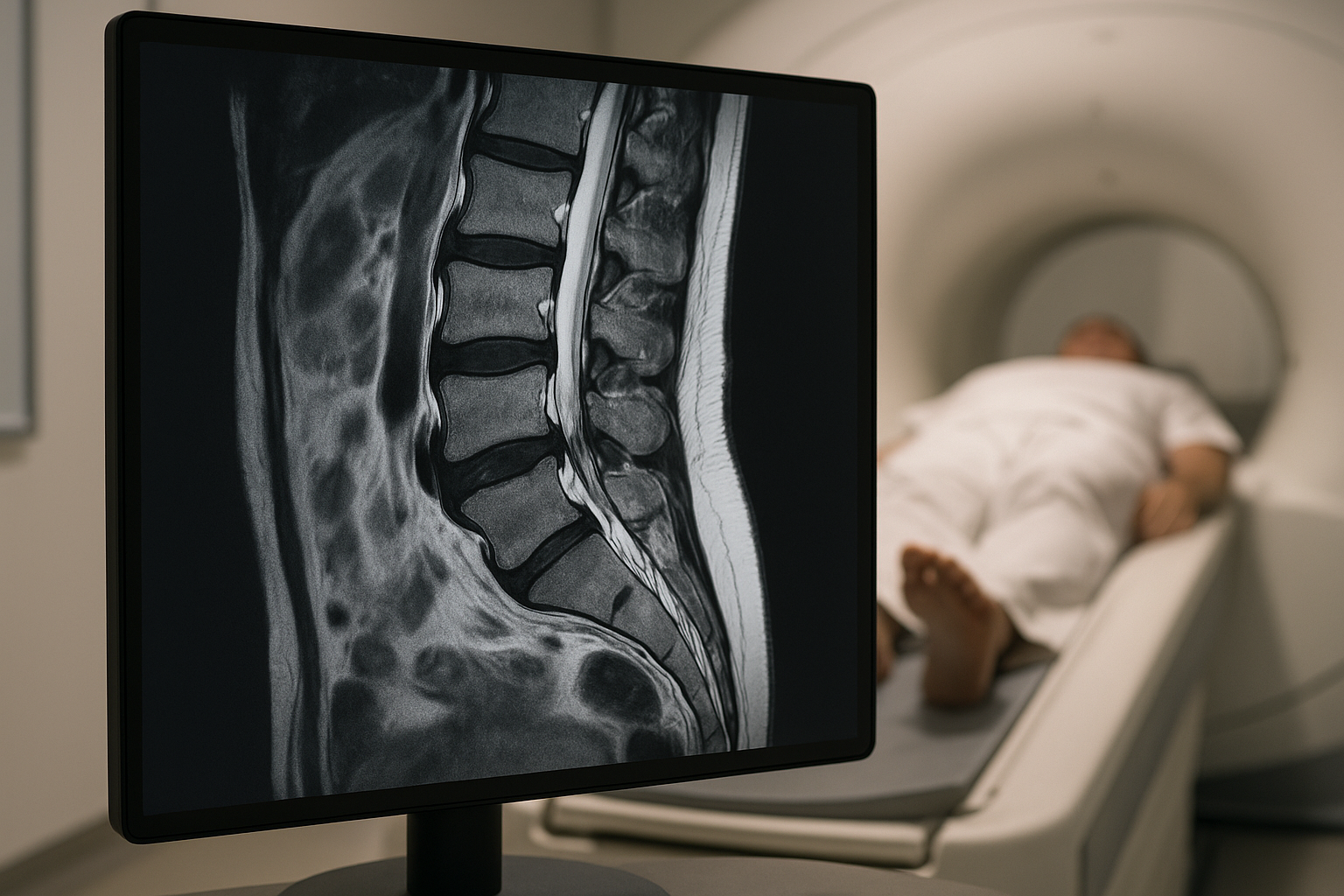
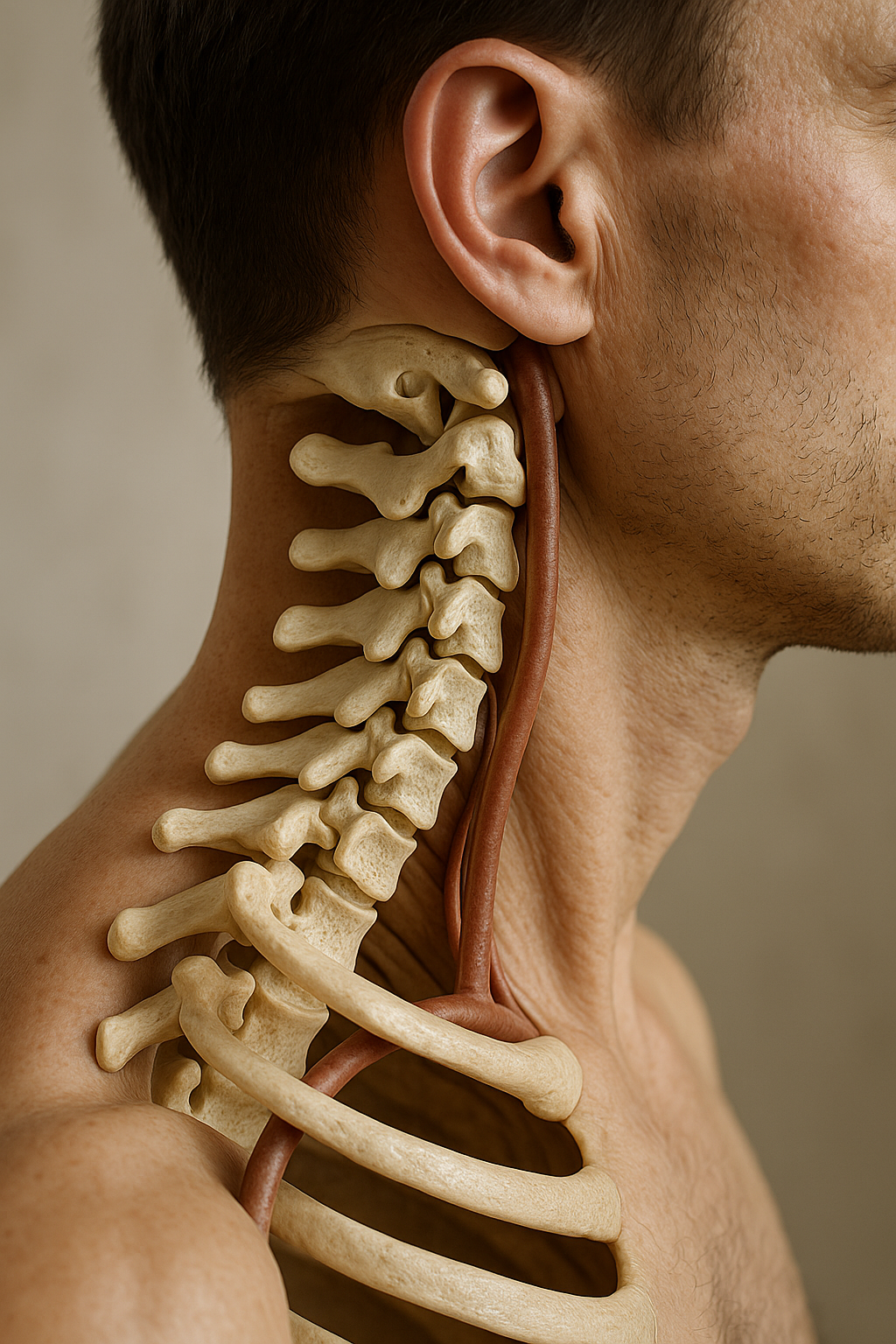
Lower back pain is a common ailment that affects millions of individuals worldwide, often interfering with daily activities and overall quality of life. Whether it's a dull ache or a sharp, stabbing sensation, lower back pain can be both physically and mentally draining. Understanding the various treatment options available is crucial for effectively managing this condition and preventing it from becoming a chronic issue.
understanding lower back pain
Lower back pain can arise from a variety of causes, including muscle strain, poor posture, or underlying medical conditions. It is one of the leading reasons for missed workdays and can significantly impact a person's ability to perform everyday tasks. Given its prevalence, many people search for effective treatment options to alleviate their discomfort and regain their mobility.
When it comes to addressing lower back pain, knowledge is power. Being informed about the range of treatment options can help individuals make educated decisions about their care. From self-care techniques to professional interventions, understanding what works best for your specific situation is vital. Additionally, knowing when to seek professional help can prevent the pain from escalating into a more severe problem.
why treatment matters
Addressing lower back pain early on is essential to prevent it from becoming a long-term issue. Chronic lower back pain can lead to a decrease in physical activity, which may result in muscle deconditioning and further complications. By tackling the problem head-on with a comprehensive treatment approach, individuals can improve their chances of a full recovery.
A well-rounded treatment plan typically includes a combination of self-care practices, professional therapies, and lifestyle adjustments. Self-care might involve staying active, using heat or ice packs, and taking over-the-counter pain relievers. On the professional side, options such as physiotherapy and manual therapy can provide targeted relief and improve physical function.
In conclusion, understanding lower back pain and its treatment options is crucial for effective management. By taking a proactive approach and seeking appropriate care, individuals can alleviate their pain, enhance their quality of life, and prevent future episodes. The journey to relief begins with knowledge and the willingness to explore various treatment avenues.
the treatment landscape for lower back pain
When it comes to treating lower back pain, the landscape is vast and varied, offering options that range from simple self-care techniques to more complex professional interventions. Understanding the full spectrum of available treatments can empower individuals to make informed choices that best suit their needs and conditions.
self-care and home treatment
For many, the first line of defense against lower back pain is self-care at home. Staying active is crucial; contrary to the outdated belief that bed rest is beneficial, most experts now recommend maintaining a level of physical activity to prevent stiffness and promote recovery. Engaging in gentle exercises and stretches can improve flexibility and strengthen the muscles that support the spine.
Heat and ice therapy are also popular home remedies. Applying a heating pad can help relax tense muscles, while ice packs can reduce inflammation and numb the area, providing temporary relief. Over-the-counter pain relievers, such as nonsteroidal anti-inflammatory drugs (NSAIDs), can further assist in managing pain and inflammation.
professional treatments
When self-care measures are not enough, seeking professional treatment can be the next step. Physiotherapy is a cornerstone of professional care for lower back pain, offering individualized exercise programs that focus on core stability, flexibility, and aerobic conditioning. These programs aim to enhance physical function and reduce pain through targeted exercises.
Manual therapy, including spinal manipulation and mobilization, can also be effective. These techniques, often administered by chiropractors or physiotherapists, involve hands-on manipulation of the spine to improve mobility and reduce pain.
psychological support and medications
For individuals with chronic lower back pain, psychological support can play a crucial role. Cognitive-behavioral therapy (CBT) and psychologically informed physiotherapy can help patients manage pain-related anxiety and fear of movement, which are common in chronic pain sufferers.
In some cases, medications may be prescribed to manage more severe pain. Muscle relaxants can relieve muscle spasms, while injections, such as corticosteroids, may be considered for specific conditions. These interventions are typically used when other treatments have not provided sufficient relief.
addressing chronic lower back pain
Chronic lower back pain often requires a multidisciplinary approach, combining physical, psychological, and sometimes pharmacological treatments. Understanding why pain becomes chronic is essential; factors such as muscle deconditioning, psychological stress, and fear of movement can all contribute to the persistence of pain.
Staying active is particularly important for those with chronic pain. Regular movement helps maintain muscle strength and flexibility, reducing the risk of further injury. Addressing psychological factors, such as fear of movement, can also improve outcomes, as these fears often lead to avoidance behaviors that worsen pain over time.
In conclusion, the treatment landscape for lower back pain is diverse, offering a range of options to suit different needs and conditions. From self-care and home remedies to professional interventions, understanding the available treatments can help individuals make informed decisions and find relief from pain. Whether dealing with acute or chronic pain, a comprehensive approach that incorporates both physical and psychological elements is often the most effective strategy for recovery.
ergonomics and posture in treatment
In the journey to find relief for lower back pain, attention to ergonomics and posture plays a critical role. Proper sitting, standing, and lifting techniques can significantly reduce the strain on your back, helping to alleviate pain and prevent future issues. Ensuring that your workstation is optimized for comfort and functionality is essential. This includes adjusting your chair height, desk setup, and computer screen position to maintain a neutral spine alignment. Taking regular breaks and incorporating micro-movements throughout your day can also aid in reducing the risk of developing or exacerbating lower back pain.

Lumbar support belt
Provides adjustable lower back support and relief, ideal for pain, tension, or sciatica.
role of ergonomic and posture-supporting products
Ergonomic aids and posture-supporting products can be valuable tools in managing lower back pain. These products, such as supportive chairs, lumbar cushions, and posture-correcting garments, are designed to reduce strain and encourage proper alignment. While they can provide significant support, it is essential to understand their role as part of a comprehensive treatment plan. They should be used in conjunction with other strategies, such as exercise and professional care, rather than as standalone solutions. These aids can help remind you to maintain good posture and reduce the physical demands on your back, particularly during prolonged periods of sitting or standing.

Women's Posture Shirt™ - Black
Documented shirt that activates muscles, relieves back pain, and improves posture awareness.
when to seek professional help
Knowing when to seek professional help for lower back pain is crucial in preventing further complications. While many cases of lower back pain can be managed with home care, there are instances where professional evaluation is necessary. If you experience severe pain, numbness, or weakness in your legs, or if the pain is accompanied by unexplained weight loss or fever, it is important to consult a healthcare professional promptly. Additionally, if your pain persists despite self-care measures, seeking guidance from a physiotherapist, chiropractor, or doctor can provide you with tailored treatment options and prevent the pain from becoming chronic.
conclusion
Finding relief from lower back pain involves a balanced approach that combines self-care, professional treatment, and ergonomic solutions. By understanding the importance of proper ergonomics, utilizing supportive products, and knowing when to seek professional help, individuals can effectively manage their pain and improve their quality of life. A proactive and informed approach to treatment can prevent lower back pain from becoming a long-term issue, allowing for a more active and fulfilling lifestyle.
frequently asked questions
What are the most effective exercises for lower back pain?
Effective exercises for lower back pain often include core strengthening, flexibility exercises, and gentle stretching. Activities such as pelvic tilts, bridges, and gentle yoga can help improve strength and flexibility, supporting the spine and reducing pain.
When should I see a doctor for lower back pain?
You should see a doctor if your lower back pain is severe, persistent, or accompanied by symptoms such as numbness, weakness in the legs, unexplained weight loss, or fever. These could be signs of a more serious condition that requires medical attention.
Can ergonomic aids really help with lower back pain?
Yes, ergonomic aids can support posture and reduce strain on the lower back. They are most effective when used as part of a comprehensive treatment plan that includes exercise and professional care. These aids help maintain proper alignment and reduce the physical demands on your back during daily activities.
What should I avoid doing if I have lower back pain?
If you have lower back pain, avoid activities that exacerbate your symptoms, such as heavy lifting, prolonged sitting or standing without breaks, and high-impact exercises. It's important to listen to your body and modify activities to prevent further strain or injury.
Källor
- Smith, J. (2022). "Comprehensive Review of Lower Back Pain Treatments." Journal of Pain Management.
- American College of Physicians. (2021). "Guideline for Treating Nonradicular Low Back Pain."
- University of Alabama at Birmingham. (2023). "New Chronic Low Back Pain Treatment Available."
- American Academy of Family Physicians. (2022). "Clinical Recommendations for Back Pain."
- Mayo Clinic. (2023). "Clinical Trials on Back Pain."
- World Health Organization. (2023). "Fact Sheet: Low Back Pain."
- UCSF. (2023). "Clinical Trials on Lower Back Pain."
- Johnson, L. (2023). "Effectiveness of Back Pain Treatments." PubMed.
- NeuRA. (2023). "Research Finds Only 1 in 10 Treatments for Low Back Pain Effective."
- UNSW. (2025). "Low Back Pain: Only 1 in 10 Treatments Effective."
- BMJ Group. (2023). "Effectiveness of Non-Surgical Treatments for Back Pain."
- Stanford Medicine. (2023). "Understanding Chronic Low Back Pain."
- Doe, R. (2021). "Journal of Orthopaedic & Sports Physical Therapy: Low Back Pain." JOSPT.