Living with osteoarthritis in the lower back can be a challenging experience that affects millions worldwide. As one of the most common forms of arthritis, it primarily targets the lumbar spine, bringing with it a host of symptoms that can interfere with daily life. Understanding this condition is crucial for those seeking to manage their symptoms effectively and maintain a high quality of life.
prevalence and impact of osteoarthritis in the lumbar spine
Osteoarthritis in the lower back is not just a rare occurrence; it's a widespread issue, particularly among older adults. This degenerative joint disease is a natural part of the aging process, often manifesting as the protective cartilage that cushions the joints wears down over time. The lumbar spine, responsible for supporting much of the body's weight, is especially susceptible to this wear and tear. As a result, many individuals experience the onset of osteoarthritis symptoms as they age, making it a significant public health concern.
symptoms overview: recognizing the signs
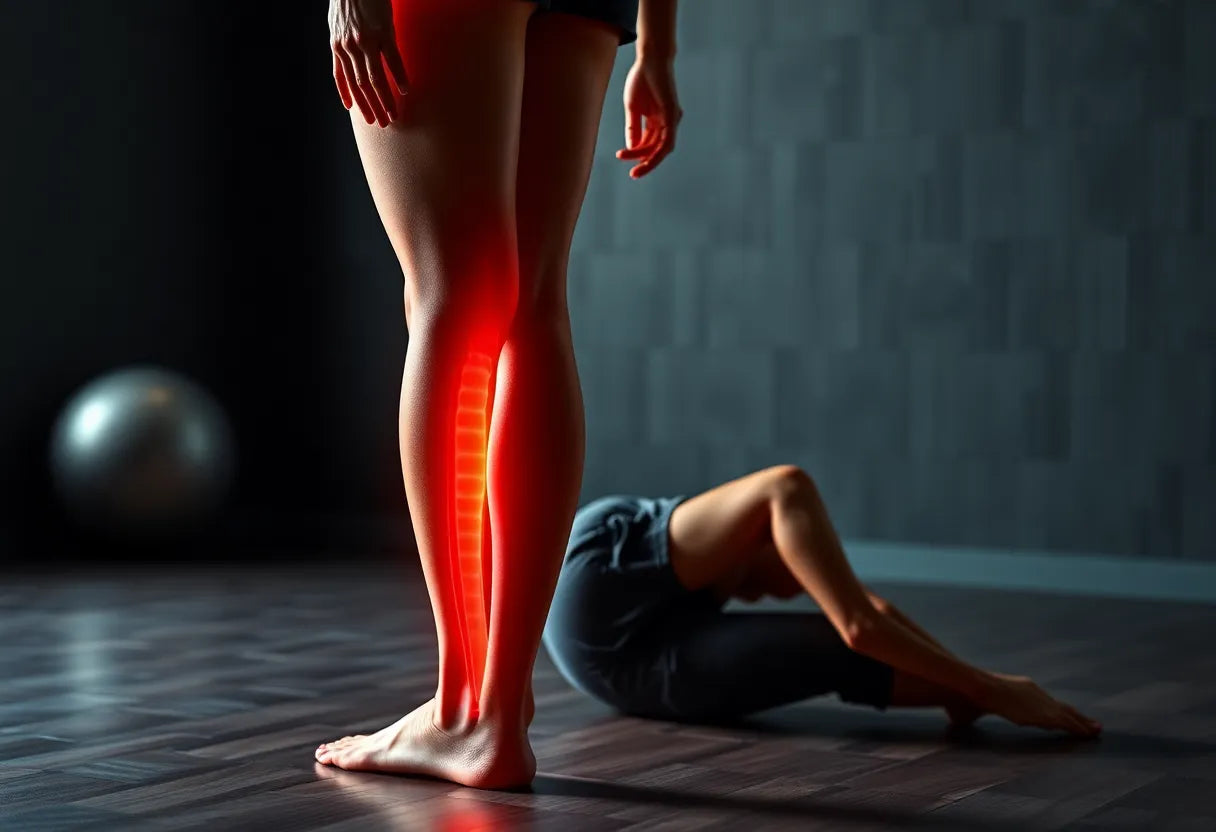
The symptoms of osteoarthritis in the lower back can vary, but they typically include persistent pain, stiffness, and a noticeable limitation in movement. This pain is often centered in the lower back but can radiate to the pelvic area, buttocks, and thighs. Such discomfort can hinder daily activities, making simple tasks like bending or standing for extended periods challenging. Stiffness, particularly in the morning or after sitting for long periods, is another common symptom, contributing to a decreased range of motion and flexibility. These symptoms can profoundly impact an individual's well-being, making it essential to address them promptly.
importance of early recognition
Recognizing the early signs of osteoarthritis in the lower back is vital for effective management. Early intervention can prevent the condition from worsening, allowing individuals to maintain their mobility and quality of life. By understanding the symptoms and seeking medical advice early, patients can explore various treatment options that may include lifestyle changes, physical therapy, and medication. These strategies can help manage pain and improve function, emphasizing the importance of not ignoring the initial signs of discomfort.
In conclusion, osteoarthritis in the lower back is a common condition that requires attention and understanding. By acknowledging its prevalence, recognizing its symptoms, and acting promptly, individuals can take proactive steps towards managing their condition and living a fulfilling life. As we delve deeper into this topic, we'll explore more about the core symptoms and the various treatment options available to those affected by this condition.
core symptoms of lower back osteoarthritis
Understanding the core symptoms of osteoarthritis in the lower back is essential for effective management and relief. The primary symptom is persistent pain, typically centered in the lumbar region. This pain can extend to the pelvic area, buttocks, and thighs, often intensifying after prolonged periods of standing or sitting. This characteristic pain pattern is crucial for distinguishing osteoarthritis from other conditions affecting the lower back.
Movement limitations are another significant aspect of this condition. Individuals may experience stiffness and a reduced range of motion, making everyday activities like bending or twisting challenging. Interestingly, both movement and inactivity can trigger symptoms. For instance, stiffness often worsens after periods of rest, while activities that involve bending or twisting can exacerbate discomfort.
Additional symptoms may include joint creaking, known as crepitus, muscle spasms, and tenderness around the affected joints. Swelling can also occur, further limiting mobility and contributing to discomfort. Recognizing these symptoms early can lead to more effective management strategies and improved quality of life.
non-surgical treatment approaches
Managing osteoarthritis in the lower back often begins with non-surgical treatment strategies. Medication is a common approach, with options ranging from over-the-counter pain relievers like acetaminophen and NSAIDs to prescription medications such as duloxetine for chronic pain management. Topical pain-relieving creams and muscle relaxants can also provide relief, while medications targeting nerve pain, such as gabapentin, may be recommended in certain cases.
Physical interventions play a pivotal role in managing symptoms. Physical therapy is highly beneficial, focusing on strengthening muscles surrounding the joints, enhancing flexibility, and reducing pain. Techniques such as hot and cold therapy can also be effective, as they improve blood flow, reduce swelling, and alleviate muscle spasms.
Lifestyle modifications are equally important in managing osteoarthritis. Weight loss can significantly reduce stress on the lumbar spine, while activity modifications, proper posture, and regular exercise are crucial for maintaining mobility and reducing pain. Core strengthening exercises, in particular, help support the spine and improve overall function.
advanced interventions for pain relief
For individuals who do not find sufficient relief from conservative treatments, advanced interventions may be considered. Injection therapies offer targeted pain relief and can help in identifying specific pain sources. Options include medial branch blocks, radiofrequency ablation, and intra-articular steroid injections. These treatments not only provide pain relief but also facilitate participation in physical therapy by reducing discomfort.
supportive and assistive devices
Supportive and assistive devices can significantly enhance mobility and reduce pain for those with lower back osteoarthritis. Shock-absorbing footwear and insoles help distribute weight evenly, reducing stress on the spine. Walking aids such as canes, braces, and splints provide additional support, making daily activities more manageable. These practical solutions address the challenges of daily living and contribute to improved mobility and quality of life.

Lumbar support belt
Stabilizes and relieves the lower back—ideal for daily support and pain reduction.
By understanding the core symptoms and exploring a variety of non-surgical and advanced treatment options, individuals with lower back osteoarthritis can find effective strategies to manage their symptoms and improve their daily lives. In the next section, we will delve into holistic and complementary approaches to further enhance pain management and overall well-being.
holistic and complementary approaches to managing lower back osteoarthritis
For those seeking additional relief from lower back osteoarthritis, holistic and complementary therapies offer promising avenues. These approaches can be integrated into a comprehensive treatment plan to enhance pain management and overall well-being.
Acupuncture, an ancient practice rooted in traditional Chinese medicine, involves the insertion of thin needles into specific points on the body. It is believed to stimulate the body's natural pain-relieving mechanisms, offering potential relief for osteoarthritis-related discomfort. Similarly, massage therapy can help reduce muscle tension and improve circulation, which may alleviate pain and stiffness in the lower back.
Mind-body practices such as tai chi and yoga are also beneficial. These gentle exercises promote flexibility, balance, and strength, all of which are crucial for maintaining mobility and reducing pain. Additionally, the application of capsaicin cream, derived from chili peppers, can provide localized pain relief by desensitizing nerve endings in the skin.
prevention and long-term management strategies
While osteoarthritis cannot be reversed, adopting preventive strategies can help manage symptoms and slow progression. Proper lifting techniques and posture correction are essential for minimizing strain on the lumbar spine. Wearing appropriate footwear with adequate support can also play a significant role in reducing stress on the joints.

Women's Posture Shirt™ - Black
Improves posture and can relieve pain and tension with patented Neuroband™ technology.
Maintaining a healthy weight is another critical factor in managing osteoarthritis. Excess weight places additional pressure on the lumbar spine, exacerbating symptoms. By focusing on a balanced diet and regular exercise, individuals can not only manage their weight but also improve their overall health.
Smoking cessation is also recommended, as smoking can impair blood flow and contribute to cartilage degeneration. By implementing these lifestyle changes, individuals can effectively manage their symptoms and enhance their quality of life.
frequently asked questions
What are the early signs of lower back osteoarthritis?
Early signs include persistent lower back pain, stiffness, and difficulty in movement, particularly after periods of inactivity.
Can lifestyle changes really help manage osteoarthritis pain?
Yes, lifestyle modifications such as regular exercise, weight management, and posture correction can significantly reduce pain and improve mobility.
When should I consider seeing a doctor for my lower back pain?
If back pain persists for more than a week or significantly impacts your daily activities, it's advisable to consult a healthcare professional for evaluation and management.
Are there any effective non-medication treatments for osteoarthritis?
Yes, physical therapy, hot and cold therapy, and the use of supportive devices can be effective in managing symptoms without medication.
Is surgery ever necessary for lower back osteoarthritis?
Surgery is typically considered only when conservative treatments fail to provide relief or if there is severe joint damage affecting quality of life.
By exploring these holistic approaches and preventive strategies, individuals with lower back osteoarthritis can find effective ways to manage their condition and improve their daily lives. Combining traditional medical treatments with complementary therapies can lead to a more comprehensive and personalized approach to pain relief and mobility enhancement.
Kilder
- Arthritis Foundation. "Understanding Osteoarthritis in the Back."
- Mayo Clinic. "Osteoarthritis: Diagnosis and Treatment."
- NHS. "Osteoarthritis: Treatment."
- WebMD. "Spinal Osteoarthritis (Degenerative Arthritis of the Spine)."
- NYU Langone Health. "Nonsurgical Treatment for Osteoarthritis of the Spine."
- Cleveland Clinic. "Spinal Arthritis."
- Total Spine Institute. "Arthritis of the Spine."
- YouTube. "Understanding Osteoarthritis."
- Cleveland Clinic. "Osteoarthritis."