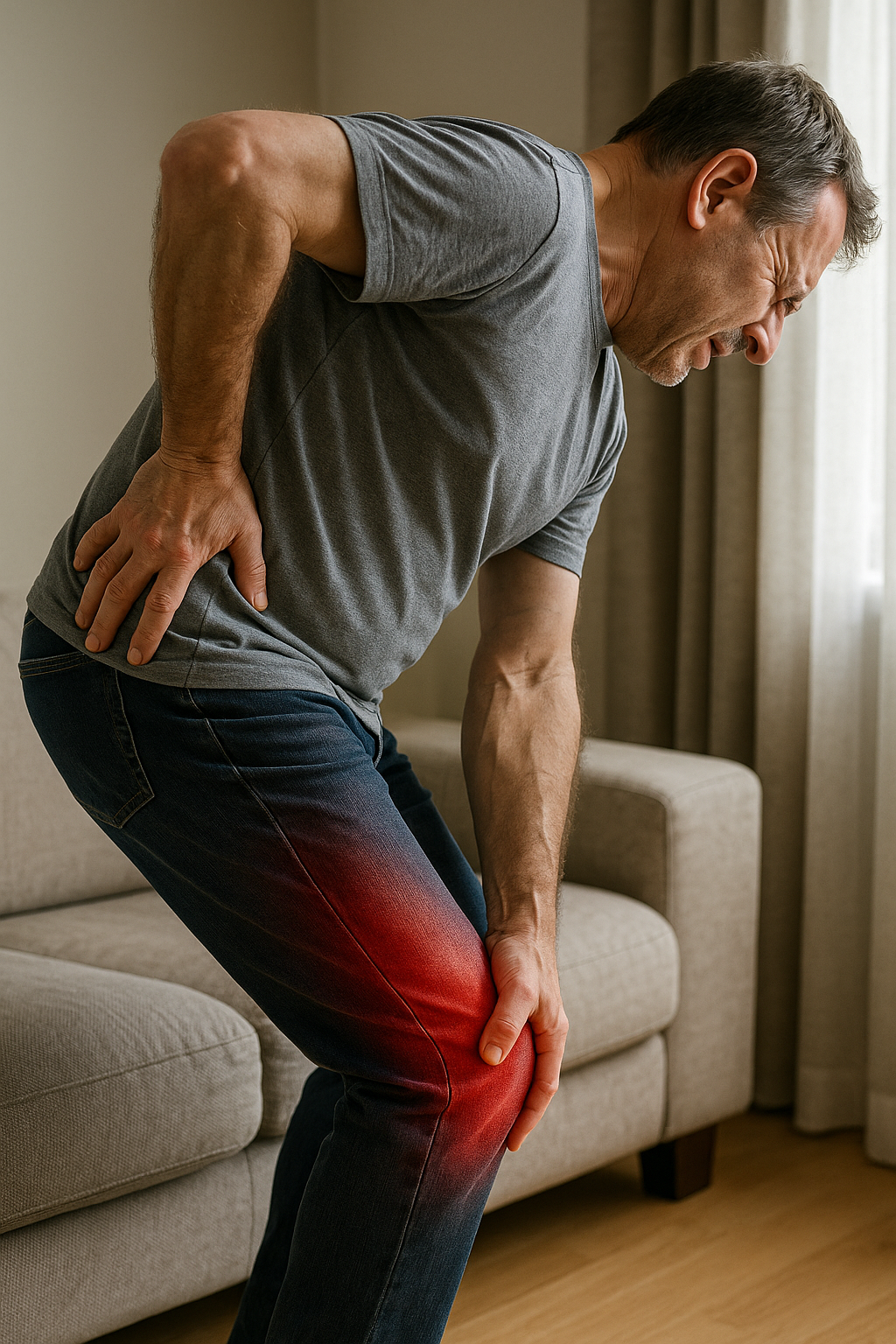
Understanding sacrum pain is essential for anyone experiencing discomfort in the lower back region. The sacrum is a critical structural component in the human body, acting as a bridge between the spine and the pelvis. This triangular bone, nestled between the two hip bones, plays a pivotal role in supporting the upper body and transferring weight to the lower limbs. When the sacrum experiences pain, it is often linked to issues with the sacroiliac (SI) joint, a condition known as sacroiliitis. This type of pain can arise from inflammation or dysfunction at the junction where the sacrum meets the pelvis, leading to significant discomfort and mobility challenges.
Common symptoms of sacrum pain
Sacrum pain typically manifests as a dull or sharp ache in the lower back and buttocks, which can sometimes radiate down the legs. These symptoms often become more pronounced with certain activities or positions, such as prolonged sitting or standing. Individuals may also notice increased discomfort during transitional movements, like standing up from a seated position. This pain can interfere with daily activities, making it difficult to perform routine tasks without experiencing discomfort. Recognizing these symptoms early is crucial, as they can escalate into chronic pain if left unaddressed.
Impact on daily life
The impact of sacrum pain on daily life can be profound, affecting everything from simple movements to more complex physical activities. For those suffering from this condition, even routine tasks such as walking, bending, or lifting can become challenging. The persistent discomfort can lead to reduced mobility, affecting overall quality of life and mental well-being. Moreover, the pain can disrupt sleep patterns, leading to fatigue and decreased productivity. Addressing sacrum pain promptly is vital to prevent these symptoms from becoming a long-term issue. Implementing simple lifestyle changes can significantly alleviate pain and improve function, allowing individuals to regain control over their daily activities and enhance their overall well-being.

Lumbar support belt
Stabiliserer og lindrer lændesmerter med justerbar støtte til dagligt brug.
Causes of sacrum pain
Sacrum pain can arise from various causes, each contributing to the discomfort experienced in the lower back region. One of the primary causes is biomechanical issues. Poor posture, for example, can place undue stress on the sacrum, leading to pain. Similarly, leg length discrepancies and muscle weakness can create an imbalance that affects the alignment and function of the sacroiliac joint.
Trauma and injury are also significant contributors to sacrum pain. Falls or accidents can lead to direct injury to the sacrum or the surrounding areas, resulting in acute pain that may become chronic if not properly addressed. Additionally, pregnancy and hormonal changes can influence sacrum pain. During pregnancy, the body undergoes various changes, including the loosening of ligaments around the pelvis, which can increase the strain on the sacrum and SI joint.
Inflammatory and degenerative conditions such as ankylosing spondylitis and age-related degeneration are also known to cause sacrum pain. These conditions lead to inflammation or deterioration of the joint structures, resulting in persistent pain and discomfort in the sacral area.
Diagnosis and assessment of sacrum pain
Diagnosing sacrum pain involves a comprehensive assessment to determine the underlying cause. The process typically begins with a physical examination, where a healthcare professional evaluates the patient's posture, gait, and range of motion. During this examination, the doctor may also palpate the sacral area to identify any tenderness or swelling.
Imaging techniques, such as X-rays and MRIs, play a crucial role in diagnosing sacrum pain. These imaging tools provide detailed views of the bones and soft tissues, helping to identify any abnormalities or degenerative changes in the sacrum or SI joint. In some cases, confirmatory procedures like anesthetic injections are used. By injecting an anesthetic into the SI joint, doctors can determine if the joint is the source of pain, as relief from the injection indicates the joint's involvement.
Conservative treatment options
For those experiencing sacrum pain, conservative treatment options are often recommended as the first line of defense. Medications such as nonsteroidal anti-inflammatory drugs (NSAIDs) and analgesics can provide short-term relief from pain and inflammation. However, these should be used judiciously and under medical supervision.
Physical therapy is a cornerstone of conservative treatment for sacrum pain. A tailored physical therapy program focusing on core and pelvic strengthening exercises can help stabilize the sacrum and alleviate pain. Stretching and stabilization techniques are also beneficial in improving flexibility and reducing tension around the sacral area.
Supportive aids, like SI belts and braces, can offer additional stabilization to the sacrum and SI joint. These aids help reduce movement and provide support, which can be particularly helpful during activities that exacerbate pain.

Women's Posture Shirt™ - Black
Forbedrer kropsholdning og kan lindre smerter og spændinger i ryggen.
Lifestyle modifications are also crucial in managing sacrum pain. Maintaining a healthy weight can reduce the strain on the sacrum and surrounding structures. Additionally, improving posture and making ergonomic adjustments at work, such as using standing desks, can prevent further stress on the sacrum and alleviate pain.
In conclusion, understanding the causes and treatment options for sacrum pain is essential for effective management. By addressing the underlying issues and implementing conservative treatments, individuals can find relief and improve their quality of life. In the next section, we will explore advanced treatment options and lifestyle changes that can further aid in managing sacrum pain.
Advanced treatment options for sacrum pain
When conservative treatments are insufficient for managing sacrum pain, advanced options may be considered. Injections, such as corticosteroids or anesthetics, can provide significant relief by reducing inflammation and numbing the affected area. These injections are often guided by imaging to ensure accuracy and effectiveness. Another advanced technique is radiofrequency ablation, which involves disrupting nerve signals to provide longer-term pain relief, typically lasting six to 12 months.
For cases where pain persists despite these interventions, surgical options may be explored. Minimally invasive procedures, such as sacroiliac joint fusion, are generally considered a last resort. These surgeries aim to stabilize the joint and alleviate pain by using implants or bone grafts. While effective for some, surgery carries risks and requires a thorough evaluation by a healthcare professional.
Alternative therapies, including heat and cold therapy, can complement medical treatments. Applying heat can relax tense muscles, while cold therapy can reduce inflammation and numb sharp pain. Although the role of regenerative treatments like platelet-rich plasma (PRP) is still debated, some individuals report positive outcomes.
Lifestyle changes for prevention and relief
Implementing lifestyle changes can play a crucial role in both preventing and alleviating sacrum pain. Ergonomic solutions, such as adjusting your workspace to promote proper posture, can significantly reduce strain on the sacrum. Investing in supportive chairs and ensuring your computer screen is at eye level can prevent the onset of pain associated with prolonged sitting.
Regular exercise is another vital component in managing sacrum pain. Incorporating activities that promote flexibility and strength, such as yoga or Pilates, can enhance core stability and reduce tension around the sacral area. These practices not only improve physical health but also contribute to mental well-being by reducing stress, which can exacerbate pain.
Mind-body practices, including mindfulness and meditation, can help manage pain by promoting relaxation and reducing stress. These techniques can be particularly beneficial for those whose sacrum pain is influenced by psychological factors.
Frequently Asked Questions
What is the sacrum and why does it hurt?
The sacrum is a triangular bone at the base of the spine, connecting the spine to the pelvis. Pain in this area often results from issues with the sacroiliac joint, such as inflammation, injury, or biomechanical imbalances.
How can I tell if my sacrum pain is serious?
If sacrum pain is persistent, severe, or accompanied by symptoms such as numbness, weakness, or loss of bladder control, it is important to seek medical evaluation. A healthcare professional can determine the seriousness of the condition through a comprehensive assessment.
What are the best exercises for sacrum pain relief?
Exercises that focus on strengthening the core and improving flexibility, such as pelvic tilts, bridges, and gentle yoga poses, can be beneficial. These exercises help stabilize the sacrum and reduce tension in the surrounding muscles.
Can lifestyle changes really make a difference in managing sacrum pain?
Yes, lifestyle changes can significantly impact sacrum pain management. Adjusting posture, using ergonomic aids, maintaining a healthy weight, and incorporating regular exercise can alleviate pain and prevent future issues.
When should I consider seeing a doctor for sacrum pain?
If sacrum pain persists despite home remedies and lifestyle changes, or if it interferes with daily activities, consulting a doctor is advisable. Early intervention can prevent the progression of pain and improve outcomes.
Källor
- Healthdirect. "Sacroiliitis."
- Total Spine. "Understanding SI Joint Pain: Causes, Symptoms, and Effective Relief Methods."
- Spine Center of Texas. "Sacroiliitis & Sacroiliac Joint Pain."
- Mayo Clinic. "Sacroiliitis: Diagnosis & Treatment."
- Ortho Health. "Treatment for Sacroiliac Joint Pain."
- WebMD. "SI Joint Back Pain."
- Mass General Brigham. "SI Joint Pain."
- Mayo Clinic. "Sacroiliitis: Symptoms & Causes."
- American Family Physician. "Sacroiliitis."