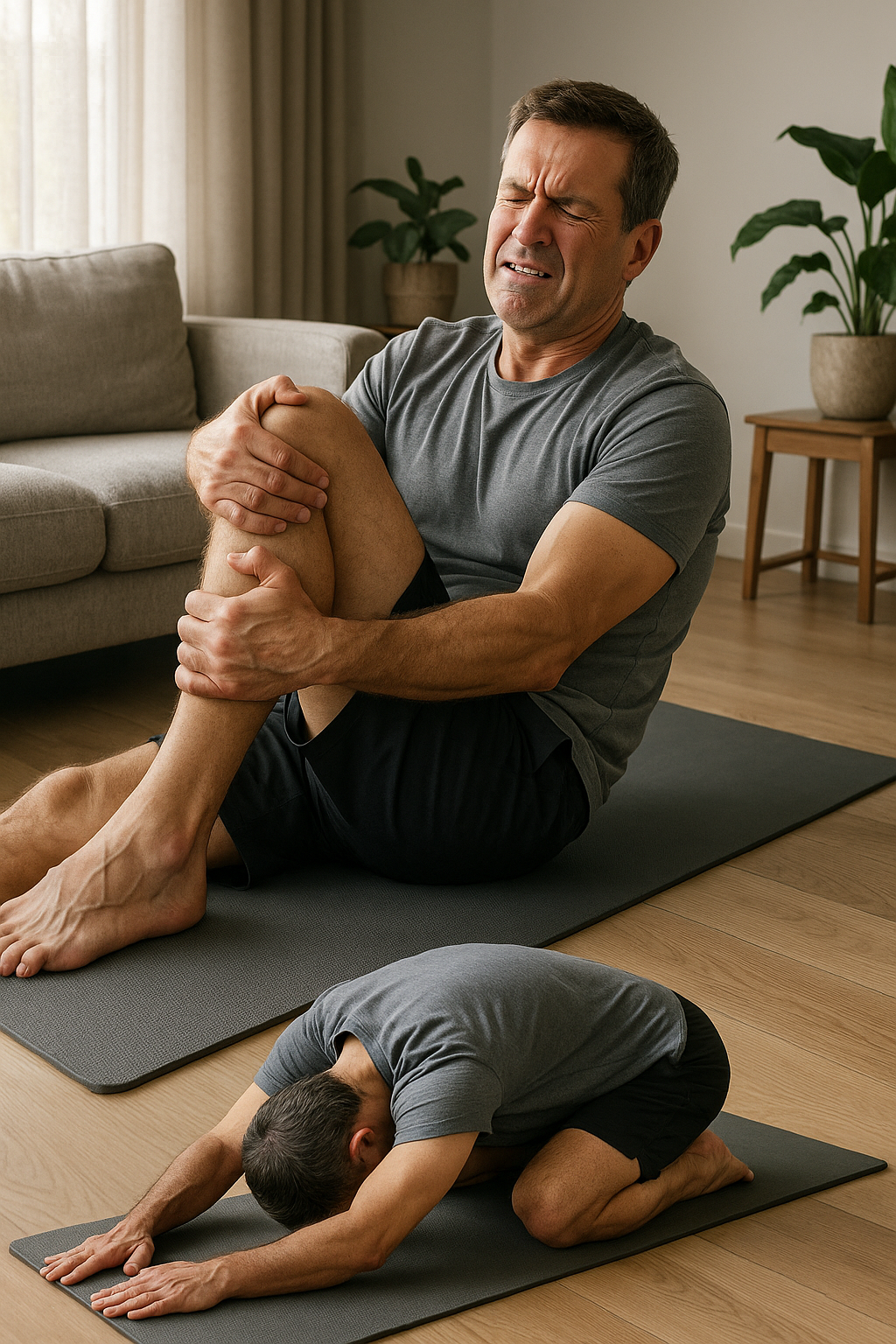
The sacroiliac (SI) joint is a pivotal structure in the human body, acting as a crucial link between the spine and the legs. Situated at the base of the spine, the SI joint plays a significant role in stabilizing the pelvis and facilitating smooth movement. Despite its importance, the SI joint often goes unnoticed until issues arise. Common problems related to SI joint instability include low back pain, discomfort in the buttocks, and even leg pain, which can significantly affect daily activities and quality of life.
importance of sacroiliac joint stability
Stability in the sacroiliac joint is essential for managing pain and enhancing functional movement. When the SI joint is unstable, it can lead to compensatory movements and increased stress on surrounding muscles and joints. By focusing on stabilizing this joint, individuals can improve their overall mobility and reduce pain. Research supports the role of targeted exercises in enhancing SI joint stability, showing that specific routines can significantly alleviate symptoms and improve function.
overview of the guide
This guide is designed to provide you with a comprehensive approach to sacroiliac joint stability exercises that can be safely performed at home. Whether you are experiencing mild discomfort or looking to prevent future issues, these exercises will help you build the necessary strength and stability. The guide is structured to encourage a gradual and consistent approach, ensuring that you can progress at your own pace while minimizing the risk of injury. By following this guide, you can take proactive steps towards maintaining a healthy and stable sacroiliac joint.
evidence-based pillars of sacroiliac joint stability
To effectively stabilize the sacroiliac joint, it's essential to focus on specific areas that provide support and enhance function. Evidence-based exercises target core stability, gluteus medius and hip abductor strength, hip adductor and isometric control, and flexibility around the pelvis. Each of these components plays a vital role in maintaining a balanced and stable sacroiliac joint.
core stability exercises
The foundation of sacroiliac joint stability lies in strengthening the core. Deep trunk and pelvic stabilizers, such as the transversus abdominis and multifidus, are crucial for providing support to the SI joint. Research indicates that core stability programs, which include exercises like the abdominal drawing-in maneuver and quadruped arm/leg raises, significantly enhance SI joint support and reduce pain.
gluteus medius and hip abductor strength
Strengthening the gluteus medius and hip abductors is essential for stabilizing the pelvis. These muscles help maintain pelvic alignment and prevent excessive motion in the SI joint. Common exercises like clamshells and resisted side-steps are effective in targeting these muscle groups. Incorporating these exercises into your routine can improve pelvic stability and reduce the risk of SI joint dysfunction.
hip adductor and isometric control
Hip adductors and isometric exercises play a significant role in stabilizing the sacroiliac joint. Exercises such as lying hip adduction and isometric squeezes help in building strength and control. These exercises are particularly beneficial for individuals experiencing SI joint instability, as they promote balance and reduce unnecessary strain on the joint.
flexibility and mobility around the pelvis
Flexibility exercises are crucial for reducing tension and improving mobility around the pelvis. Stretching the hamstrings, hip flexors, and piriformis can alleviate tightness and enhance movement. Incorporating stretches into your routine not only helps in maintaining flexibility but also aids in reducing the compensatory movements that can stress the SI joint.
level 1 exercises – foundational si joint stability
For those experiencing early-stage or more irritable pain, Level 1 exercises focus on low load and controlled movements to build foundational stability. These exercises are designed to be gentle yet effective, ensuring that you can safely begin your journey towards improved sacroiliac joint stability.
abdominal drawing-in
Start by lying on your back with your knees bent and feet flat on the floor. Slowly draw in your lower abdomen without moving your spine, holding the contraction for 5-10 seconds. Repeat 10-15 times, focusing on controlled breathing and gentle engagement of the core muscles.
supine bridge (basic)
Lie on your back with knees bent and feet flat on the floor. Engage your core and glutes, then lift your hips to create a straight line from shoulders to knees. Hold for 5-10 seconds before lowering. Perform 8-12 repetitions, ensuring smooth and controlled movements.
clamshell (no band)
Lie on your side with knees bent and feet together. Keeping your feet in contact, lift your top knee as high as possible without rotating your pelvis. Hold briefly at the top, then lower. Aim for 10-15 repetitions on each side to strengthen the gluteus medius.
isometric hip adduction (pillow squeeze)
While lying on your back with knees bent, place a pillow between your knees. Gently squeeze the pillow and hold for 5-10 seconds before releasing. Repeat this exercise 10 times, focusing on controlled and even pressure.
gentle pelvic tilts and knee-to-chest
Perform gentle pelvic tilts by lying on your back and slowly tilting your pelvis upward and downward. Follow this with a knee-to-chest stretch, bringing one knee at a time towards your chest and holding for a few seconds. These exercises help in promoting mobility and reducing tension around the pelvis.
By integrating these foundational exercises into your routine, you can begin to build the necessary stability and strength in your sacroiliac joint, setting the stage for more dynamic movements and advanced stability exercises in the future.

Lumbar support belt
Supports and stabilises the lower back, adjustable for pain relief in daily activities.
safety and professional guidance
While sacroiliac joint stability exercises can be highly beneficial, it's important to exercise caution and seek professional guidance when necessary. If you experience severe pain, trauma, or neurological symptoms, consult a healthcare provider to rule out any serious underlying conditions. Combining these exercises with manual therapy, such as joint mobilization, can often lead to optimal outcomes, as supported by research. A physical therapist can tailor a program to your specific needs, ensuring safe and effective progression.
frequently asked questions
what are the signs of sacroiliac joint instability?
Sacroiliac joint instability can manifest as low back pain, buttock pain, or discomfort radiating into the legs. You might also experience a feeling of weakness or instability in the pelvis. If these symptoms persist or worsen, it's advisable to consult a healthcare provider for a comprehensive evaluation.
how often should I perform these exercises?
For best results, aim to perform these exercises 3-4 times a week. Consistency is key to building strength and stability. As you progress, you can gradually increase the intensity and frequency, but always listen to your body and avoid pushing through pain.
can these exercises be done if I have acute pain?
If you have acute pain, it's crucial to modify exercises to avoid exacerbating your symptoms. Focus on gentle movements and prioritize exercises that do not provoke pain. Consulting with a physical therapist can provide you with personalized modifications to safely navigate through acute phases.
what role does posture play in si joint stability?
Posture significantly impacts sacroiliac joint health. Poor posture, especially during prolonged sitting, can increase stress on the SI joint. Ergonomic aids, such as lumbar supports and posture-correcting chairs, can help maintain proper alignment and reduce strain, complementing your exercise routine.

Men's Posture Shirt™ - Black
Patented shirt stimulates muscles and helps relieve back pain & tensions.
are there any contraindications for these exercises?
While these exercises are generally safe, certain conditions may require caution. Individuals with severe osteoporosis, recent fractures, or acute inflammatory joint conditions should consult with a healthcare provider before starting an exercise program. Always prioritize safety and seek professional advice if unsure.
conclusion
Incorporating a structured exercise program focused on sacroiliac joint stability can significantly enhance your quality of life by reducing pain and improving function. By following the outlined exercises and seeking professional guidance when needed, you can achieve a stable and healthy sacroiliac joint. Remember, consistency and gradual progression are key to long-term success.
Källor
- "Enhancing SI Joint Stability through Exercise." Frontiers in Physiology.
- "The Role of Core Stability in SI Joint Health." National Center for Biotechnology Information.
- "SI Joint Dysfunction and Pain Management Strategies." Pain Physician Journal.
- "Exercise Interventions for SI Joint Stability." National Center for Biotechnology Information.
- "Clinical Trials on SI Joint Exercise Programs." ClinicalTrials.gov.
- "SI Joint Exercises for Pain Relief." YouTube.
- "Strengthening Exercises for SI Joint Stability." Pakistan Journal of Health Sciences.
- "Rehabilitation for SI Joint Pain and Dysfunction." SI-BONE.