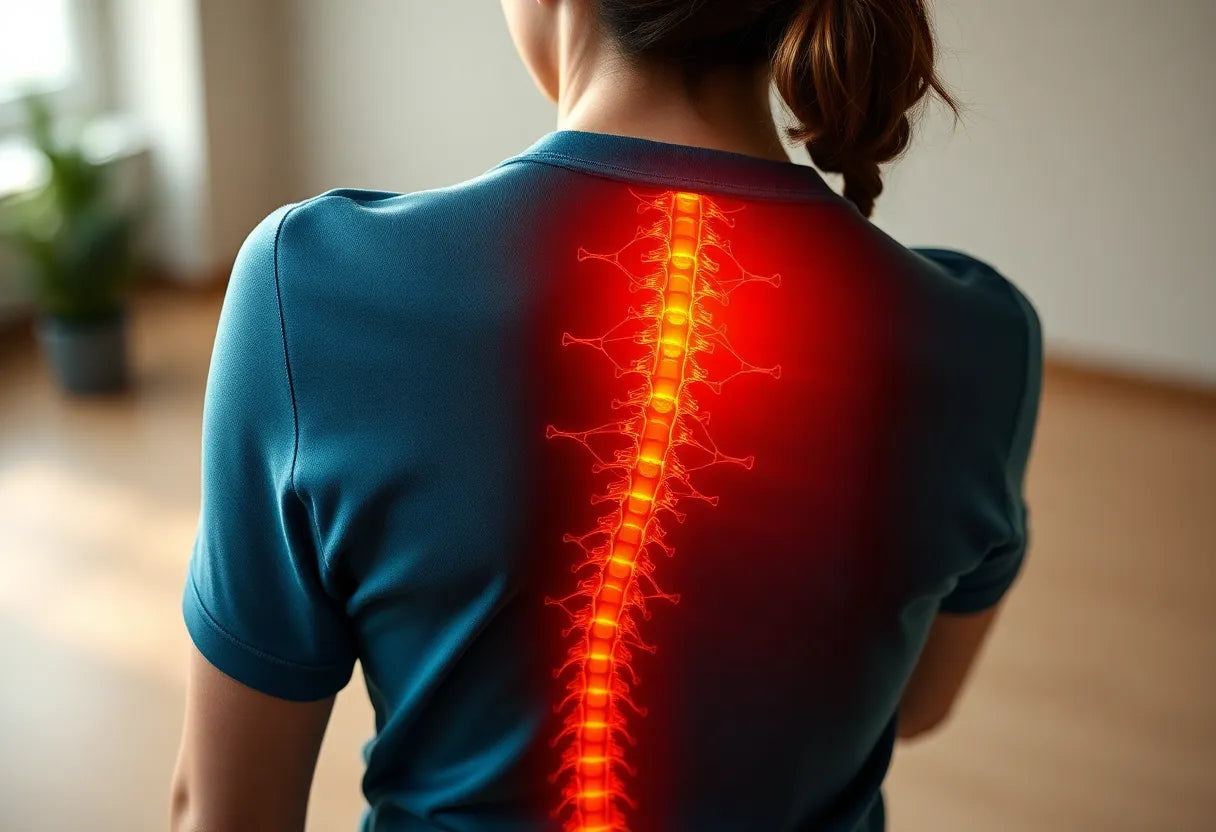
Spinal stenosis is a condition that affects the spine, leading to the narrowing of the spaces within it, which can put pressure on the nerves traveling through the spine. This nerve compression can cause a variety of symptoms, including pain, numbness, and muscle weakness. However, one of the less commonly discussed but equally significant effects of spinal stenosis is its impact on balance and coordination. Understanding how spinal stenosis affects balance is crucial for managing the condition effectively and improving quality of life.
how spinal stenosis affects balance and coordination
Spinal stenosis can significantly affect balance and coordination due to the compression of nerves that are essential for maintaining these functions. The nerves in the spinal column are responsible for transmitting signals between the brain and the body, including those that control movement and balance. When these nerves are compressed, it can lead to disruptions in these signals, resulting in balance issues and coordination problems. Individuals with spinal stenosis may experience symptoms such as dizziness, unsteadiness, and difficulty walking, all of which can increase the risk of falls and injuries.
importance of addressing balance issues in spinal stenosis
Addressing balance issues in individuals with spinal stenosis is of paramount importance. Balance problems can significantly impact a person's ability to perform daily activities and maintain independence. Moreover, they can lead to a higher risk of falls, which can result in serious injuries, especially in older adults. By understanding the connection between spinal stenosis and balance, individuals can take proactive steps to manage these symptoms and improve their overall quality of life. This may include seeking medical advice, exploring treatment options, and implementing lifestyle changes to support balance and coordination.
purpose of this post
The purpose of this blog post is to delve deeper into the ways spinal stenosis affects balance and explore the various treatment options available. We aim to provide reassurance to those experiencing these symptoms by discussing the prognosis and potential for recovery. By shedding light on the connection between spinal stenosis and balance, we hope to empower individuals with the knowledge and tools they need to navigate the challenges associated with this condition. Whether you're seeking information about symptoms, treatment options, or simply looking for reassurance, this post is here to guide you through the complexities of spinal stenosis and balance issues.
how spinal stenosis affects balance
Spinal stenosis affects balance primarily through the compression of nerves that play a vital role in maintaining equilibrium. According to insights from Harvard Health and the Mayo Clinic, this nerve compression can lead to a range of symptoms that directly impact balance. Common manifestations include dizziness, unsteadiness, and coordination problems. These symptoms arise because the compressed nerves struggle to transmit the necessary signals between the brain and the body, leading to a disruption in balance and coordination.
Moreover, the severity of balance issues can serve as an indicator of the extent of nerve compression. As symptoms worsen, they can point to a more significant compression of the spinal nerves, necessitating immediate medical attention. In some cases, individuals may experience severe unsteadiness, increasing the risk of falls and injuries, further emphasizing the importance of addressing these symptoms promptly.
treatment options for balance-related issues
Addressing balance issues caused by spinal stenosis requires a comprehensive approach, starting with a professional diagnosis. Consulting with specialists, as recommended by Harvard Health and the Mayo Clinic, is essential to accurately assess the severity of the condition and determine the most appropriate treatment plan. A multi-option treatment framework is often employed, which may include physical therapy, medication, and surgery, depending on the individual's specific needs.
Physical therapy is a cornerstone of treatment for balance-related issues, focusing on exercises designed to improve strength, flexibility, and coordination. These exercises can help alleviate symptoms and enhance balance, reducing the risk of falls. Medications may also be prescribed to manage pain and inflammation, further supporting mobility and balance.

Men's Posture Shirt™ - White
Patented NeuroBand™-shirt aktiverer muskler og kan lindre smerte, spændinger og forbedre balance.
For more severe cases, surgical interventions may be considered. Innovations in medical technology have introduced cutting-edge treatments such as interspinous spacers and endoscopic surgery, which are available at specialized spine centers. These minimally invasive procedures can relieve nerve compression, offering hope for those struggling with balance complications.
conservative management and physical therapy
Before considering surgical options, conservative management through exercise and physical therapy is often recommended. This approach empowers individuals to take control of their symptoms and improve balance without the need for invasive procedures. The American College of Rheumatology and Cleveland Clinic advocate for starting with physical therapy, which can provide significant benefits in terms of balance and overall mobility.
Physical therapy programs typically include exercises tailored to the individual's condition, focusing on strengthening core muscles, improving posture, and enhancing coordination. These exercises not only help in managing symptoms but also play a crucial role in preventing further deterioration of balance and mobility. By committing to a regular exercise routine, individuals can experience improvements in their quality of life and regain confidence in their ability to perform daily activities.

Women's Posture Shirt™ - Black
CE-registreret Posture Shirt™ hjælper med at støtte ryg, lindre smerter og styrke holdning.
In conclusion, understanding how spinal stenosis affects balance and exploring the available treatment options is crucial for managing this condition effectively. By seeking professional guidance and engaging in conservative management strategies, individuals can address balance issues and work towards improving their overall quality of life. The next section will delve into preventative measures and ergonomic interventions to further support those navigating the challenges of spinal stenosis.
preventative measures and ergonomic interventions for balance
For individuals with spinal stenosis, implementing preventative measures and ergonomic interventions can significantly enhance balance and overall quality of life. Ergonomic solutions, such as workstation modifications, can play a crucial role in preventing posture deterioration that can exacerbate balance issues. Adjusting the height of desks and chairs, ensuring proper monitor placement, and using ergonomic keyboards and mice can help maintain proper posture, reducing strain on the spine and improving balance.
Additionally, wearable support solutions, including braces, compression garments, and postural aids, can provide stability during balance challenges. These aids are designed to support the spine and improve posture, thereby enhancing the user's ability to maintain balance during daily activities. They can be particularly beneficial for individuals who experience frequent unsteadiness or have a higher risk of falls.
quality of life and activity modifications
Maintaining quality of life with chronic balance impairment due to spinal stenosis involves making strategic adjustments to daily activities. Simple changes, such as using handrails, installing grab bars in bathrooms, and ensuring adequate lighting, can make a significant difference in preventing falls and improving safety at home. Additionally, engaging in regular low-impact exercises, like swimming or tai chi, can help improve strength and coordination, further supporting balance.
Preventative positioning is another effective strategy for at-risk populations. By adopting positions that reduce strain on the spine and promote balance, individuals can avoid exacerbating their condition. For example, sitting with feet flat on the ground and using lumbar support can help maintain spinal alignment, reducing the risk of balance-related issues.
frequently asked questions
What are the early signs of spinal stenosis affecting balance?
Early signs of spinal stenosis affecting balance include symptoms such as frequent falls, difficulty walking, and unsteadiness. These symptoms occur due to nerve compression, which disrupts the signals necessary for maintaining balance and coordination.
When should I seek medical attention for balance issues related to spinal stenosis?
Medical attention should be sought if balance problems are severe or accompanied by other symptoms such as bowel or bladder dysfunction, which could indicate a medical emergency like cauda equina syndrome. Prompt evaluation by a healthcare professional is crucial in such cases.
Can physical therapy alone improve balance in spinal stenosis patients?
Physical therapy can significantly improve balance in spinal stenosis patients by strengthening muscles and enhancing coordination. However, it is most effective when part of a comprehensive treatment plan that may include other interventions such as medication or ergonomic aids.
Are there non-surgical treatments available for balance issues caused by spinal stenosis?
Yes, non-surgical treatments for balance issues include physical therapy, medications to manage symptoms, and ergonomic aids to support posture and stability. These options can be effective in managing symptoms and improving quality of life.
How can ergonomic aids help with balance problems in spinal stenosis?
Ergonomic aids, such as braces and postural supports, help by stabilizing the spine and improving posture, which can enhance balance. These aids complement other treatments by providing additional support during daily activities.
Källor
- Harvard Health Publishing. "Spinal Stenosis: Treatment Options for Managing Symptoms."
- Maryland Orthopedic Specialists. "Common Spinal Stenosis Symptoms to Beware Of."
- Mayo Clinic. "Spinal Stenosis: Diagnosis & Treatment."
- American College of Rheumatology. "Spinal Stenosis."
- Mount Sinai. "Spinal Stenosis."
- Mayo Clinic Health System. "Feeling Off Balance? A Nerve Condition May Be to Blame."
- University of Utah Health. "Lumbar Spinal Stenosis."
- Brown Health. "Spinal Stenosis: Symptoms and Treatment."
- Cleveland Clinic. "Spinal Stenosis."