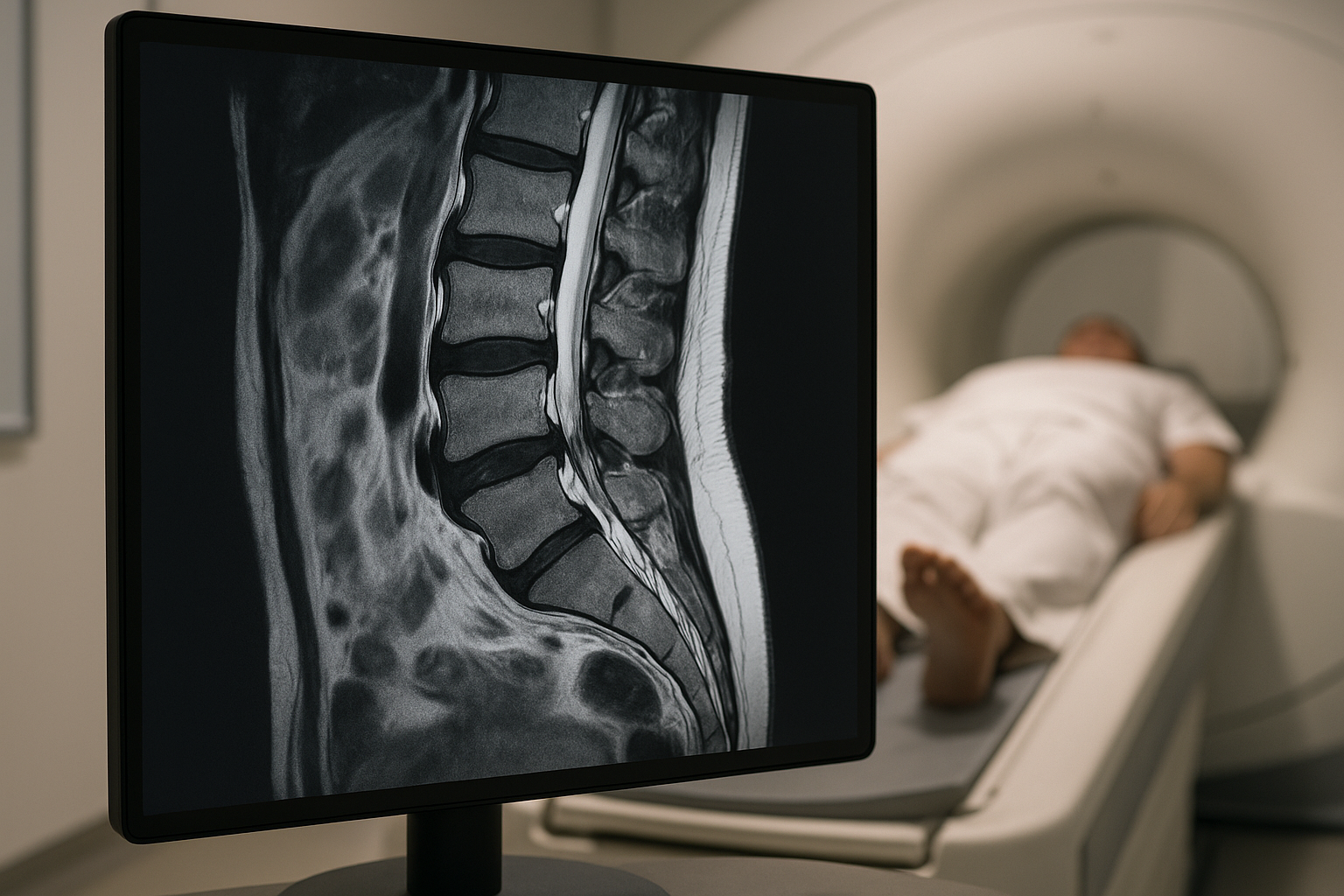
Pregnancy is a time of great joy and anticipation, but it can also bring unexpected discomforts, one of which is sciatica pain. Sciatica is characterized by pain that originates from irritation or compression of the sciatic nerve, the longest nerve in the body, which runs from the lower back through the buttocks and down the legs. During pregnancy, especially in the later stages, the expanding uterus can press against the sciatic nerve, leading to this discomfort. Unfortunately, pregnancy sciatica pain is a common experience for many expecting mothers.
Understanding pregnancy sciatica
The prevalence of sciatica during pregnancy is notable, with many women experiencing its effects as the baby grows and the body adapts to accommodate the new life. This pressure on the sciatic nerve can result in a range of symptoms, including radiating leg pain, tingling, numbness, and even weakness in the lower extremities. These symptoms can vary in intensity and duration, often exacerbated by certain movements or positions, making everyday activities challenging.
Importance of addressing sciatica in pregnancy
Addressing sciatica pain during pregnancy is crucial, as it can significantly impact an expecting mother's daily life and overall quality of life. The discomfort can interfere with sleep, mobility, and the ability to perform routine tasks, adding stress to an already physically demanding time. Therefore, finding safe and effective relief strategies is essential not only for the mother's comfort but also for the health and well-being of both the mother and the developing baby.
Managing pregnancy sciatica pain requires a careful approach that prioritizes safety and efficacy. It's important to explore relief options that do not compromise maternal or fetal health. This includes adopting gentle exercise routines, utilizing proper body mechanics, and considering professional guidance when necessary. Understanding the nature of sciatica and its impact during pregnancy can empower expecting mothers to take proactive steps toward relief and ensure a more comfortable pregnancy journey.
Causes and symptoms of pregnancy sciatica
Pregnancy sciatica is primarily caused by the growing uterus and the accompanying weight changes that exert pressure on the sciatic nerve. As the baby develops, the uterus expands, which can lead to nerve compression, especially in the later stages of pregnancy. This compression is often exacerbated by posture changes, as the body adjusts to accommodate the growing baby, leading to increased lumbar lordosis, or inward curvature of the lower spine. Women with a history of back issues may also be more prone to experiencing sciatica during pregnancy.
The symptoms of pregnancy sciatica can vary but typically include a sharp, shooting pain that radiates from the lower back down through the buttocks and into the legs. Some women may also experience tingling, numbness, or weakness in the lower extremities. These symptoms can be aggravated by certain movements, such as bending, lifting, or even sitting for extended periods. Recognizing these symptoms early can help in managing the condition effectively.
Conservative relief strategies for pregnancy sciatica
Positions and sleep adjustments
One of the simplest yet effective ways to alleviate pregnancy sciatica pain is through positional adjustments. Lying on the side opposite to the pain can significantly reduce pressure on the sciatic nerve. Additionally, using a pillow between the knees and possibly under the belly can provide extra support and alignment, contributing to a more restful sleep.
Exercise and movement
Maintaining mobility through gentle exercises is crucial for managing sciatica pain during pregnancy. Activities such as walking, swimming, and prenatal yoga are particularly beneficial as they help maintain flexibility and strength without putting undue stress on the body. Swimming, in particular, offers the advantage of buoyancy, which supports the body and reduces pressure on the sciatic nerve.
Stretching exercises
Incorporating safe stretching exercises into your routine can help relieve tension and improve flexibility in the muscles surrounding the sciatic nerve. Here are some recommended stretches:
- Seated piriformis stretch: Sit with one ankle on the opposite knee and lean forward gently to stretch the piriformis muscle.
- Modified warrior pose: Stand with one foot forward, bend the front knee, and stretch the arms overhead to open the hips and lengthen the spine.
- Hip flexor stretch: Kneel on one knee with the other foot forward, gently push the hips forward to stretch the hip flexors.
Manual and thermal therapies
Pregnancy-safe massage and chiropractic care from trained professionals can provide significant relief from sciatica pain. These therapies help in releasing muscle tension and improving spinal alignment. Additionally, applying heat or cold packs to the lower back or legs can offer temporary relief by reducing inflammation and soothing sore muscles.
By understanding and implementing these conservative relief strategies, expecting mothers can manage pregnancy sciatica pain more effectively, ensuring a more comfortable and healthier pregnancy experience.

Lumbar support belt
Provides stabilisation and relief for your lower back, ideal for pregnancy-related sciatica and back pain.
Ergonomic and posture tips for pregnancy sciatica
Maintaining proper posture is essential for minimizing pregnancy sciatica pain. As your body changes, adapting your posture to reduce strain on your back and sciatic nerve is crucial. When sitting, use a chair with good lumbar support or add a lumbar support cushion. Ensure your feet are flat on the floor, or use a footrest to keep your knees slightly higher than your hips.
When standing, distribute your weight evenly on both feet and avoid locking your knees. If you need to stand for extended periods, elevate one foot on a small stool or box to reduce pressure on your lower back. These ergonomic adjustments can help alleviate discomfort and prevent worsening sciatica symptoms.

Women's Posture Shirt™ - Black
Improve posture and relieve tension or pain; stimulates muscles and supports all-day postural awareness.
Medication and when to seek medical advice
For many expecting mothers, managing pregnancy sciatica pain may include the use of medication. Acetaminophen is generally considered a safe option for pain relief during pregnancy, but it is crucial to consult with your healthcare provider before taking any medication.
It's also important to recognize when medical advice is necessary. If you experience severe or constant pain, significant leg weakness, or issues with bowel or bladder control, seek immediate medical attention. These symptoms could indicate a more serious condition requiring prompt evaluation and treatment.
Postpartum considerations for sciatica
In many cases, pregnancy sciatica pain resolves after childbirth as the pressure on the sciatic nerve decreases. However, some women may continue to experience symptoms postpartum. To manage persistent sciatica, focus on ergonomic strategies such as proper lifting techniques when caring for your baby. Use your legs rather than your back to lift, and hold your baby close to your body to reduce strain.
When feeding your baby, ensure you are seated comfortably with proper back support, and consider using a breastfeeding pillow to maintain a good posture. These adjustments can help prevent the recurrence of sciatica symptoms and support a smoother postpartum recovery.
Frequently Asked Questions
Is sciatica normal during pregnancy?
Yes, sciatica is a common condition during pregnancy, particularly in the later stages when the growing uterus can press against the sciatic nerve.
How can I relieve sciatic pain while pregnant at night?
To relieve sciatic pain at night, lie on your side with a pillow between your knees to align your spine. This position helps reduce pressure on the sciatic nerve.
What exercises are safe for managing pregnancy sciatica?
Gentle exercises like swimming, walking, and prenatal yoga are generally safe for managing pregnancy sciatica. Specific stretches, such as the seated piriformis stretch, can also be beneficial.
When should I worry about sciatic pain in pregnancy?
If you experience severe or constant pain, leg weakness, or issues with bowel or bladder control, seek medical advice promptly, as these symptoms may require urgent evaluation.
Can I use a foam roller during pregnancy for sciatica?
Yes, you can use a foam roller during pregnancy to relieve sciatica, but it is advisable to do so under the guidance of a healthcare provider to ensure safety and effectiveness.
Källor
- Orthopedic & Laser Spine Surgery. (n.d.). "Ways to Deal with Sciatica Pain During Pregnancy."
- Cleveland Clinic. (n.d.). "Sciatica."
- Austin Pain Doctor. (n.d.). "I'm Experiencing Sciatica During Pregnancy: What Are My Treatment Options?"
- HSSH Health. (n.d.). "Sciatica in Pregnancy: Causes, Diagnosis, Treatments."
- Healthline. (n.d.). "Sciatica Pain Stretches."
- RMC Cares. (2020). "Sciatic Nerve Pain During Pregnancy: Here's What to Do."
- McNulty Spine. (n.d.). "6 Tips to Relieve Sciatica During Pregnancy."
- Walnut Hill OBGYN. (n.d.). "Ease Sciatic Nerve Pain During Pregnancy."
- NHS. (n.d.). "Sciatica."