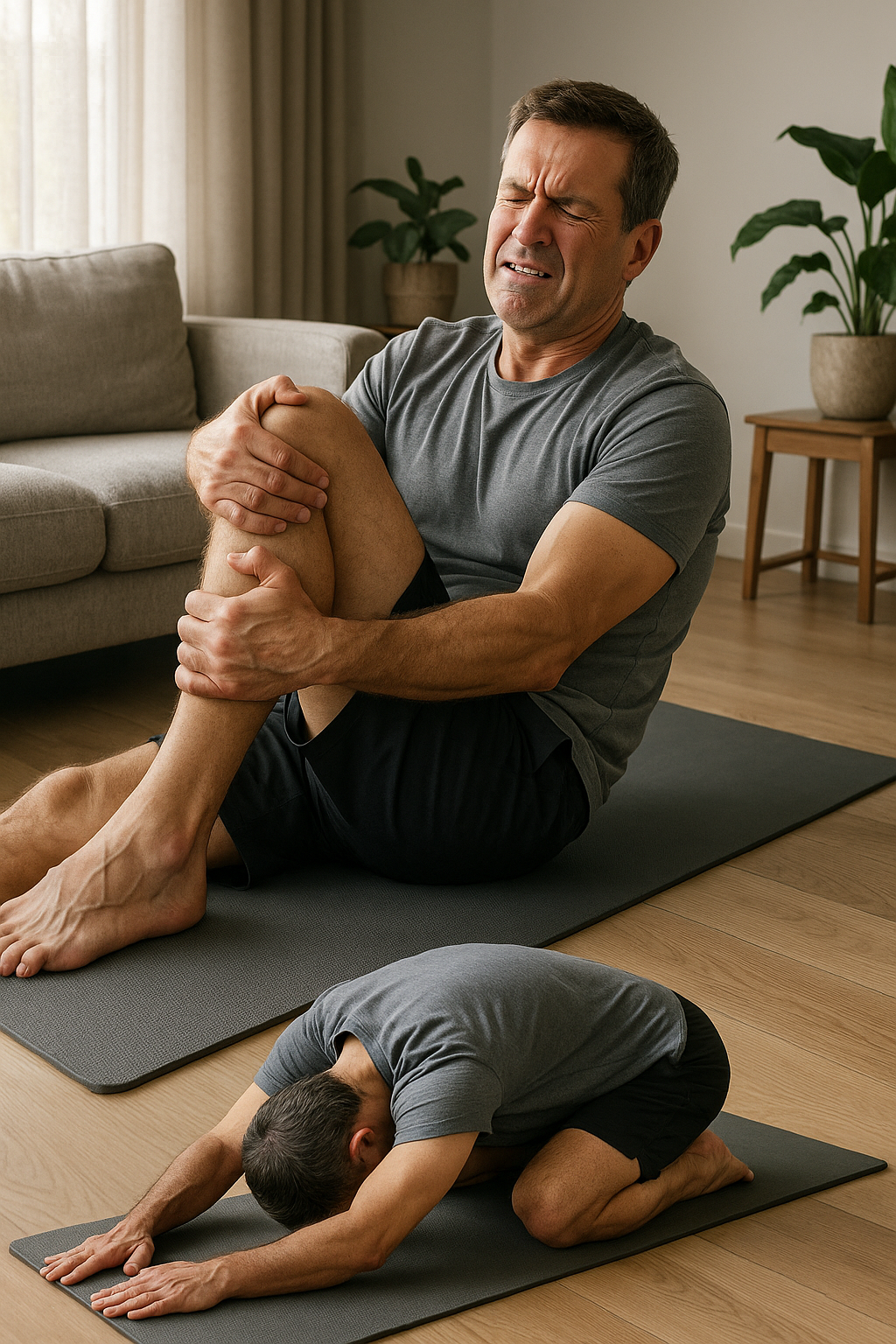
The intricate connection between jaw and neck tension is often overlooked, yet these areas are biomechanically linked through muscles like the sternocleidomastoid and scalenes. This relationship means that tension in one area can easily affect the other, leading to discomfort and pain. Common culprits contributing to this tension include poor posture, prolonged screen use, and stress-related clenching. As many people spend hours hunched over computers or mobile devices, the strain on both the jaw and neck is exacerbated, creating a cycle of tension that can be difficult to break.
Understanding this interconnectedness is crucial for effective relief. By addressing both jaw and neck tension simultaneously, you can achieve more comprehensive and lasting results. This guide aims to provide you with practical exercises and ergonomic tips designed to target both areas, helping you alleviate discomfort and improve your overall well-being.
Jaw tension often manifests as clenching or grinding, known as bruxism, which can lead to temporomandibular joint (TMJ) issues. On the other hand, neck tension is frequently associated with forward head posture, sometimes referred to as "tech neck," due to the increased time spent looking at screens. By incorporating exercises that focus on relaxation, posture correction, and strengthening, you can address these issues head-on.
In the following sections, you will find a series of exercises specifically designed to release tension in the jaw and neck. These exercises are easy to perform at home or even at your desk, making them accessible for anyone looking to reduce discomfort. Additionally, ergonomic adjustments and posture tips will be discussed to help prevent tension from returning, ensuring that your efforts lead to long-term relief.
By taking a proactive approach to managing jaw and neck tension, you can improve not only your physical comfort but also your quality of life. Whether you're dealing with stress-induced clenching or the effects of poor posture, these exercises and tips will guide you towards a more relaxed and tension-free state. Stay tuned as we delve deeper into specific exercises and routines tailored to your needs.
safety tips before starting jaw and neck exercises
Before diving into exercises to alleviate jaw and neck tension, it's essential to prioritize safety to ensure that the movements are beneficial rather than harmful. Gentle movement is key—any exercise should be performed without causing sharp pain or discomfort. If you experience any sharp pain, locking, or increased deviation in your jaw or neck, it's advisable to stop immediately and consult a healthcare professional.
Particularly, individuals with a history of recent trauma, severe arthritis, or neurological issues should seek advice from a medical professional before beginning any exercise routine. These conditions can complicate the exercises and potentially exacerbate symptoms if not properly managed. Ensuring that you approach these exercises with caution will help you gain the most benefit while minimizing the risk of injury.
jaw relaxation exercises for tmj and clenching
relaxed jaw with tongue on roof of mouth
To perform this exercise, sit upright and place the tip of your tongue on the roof of your mouth, just behind your upper front teeth. Keep your teeth slightly apart and gently open and close your mouth. This exercise should be repeated 6–10 times for 1–2 sets. By engaging in this simple movement, you can effectively reduce clenching and lower jaw muscle tension, which is often a contributor to TMJ discomfort.
jaw rest position awareness
This exercise focuses on maintaining a relaxed jaw position. Keep your lips closed, teeth apart, and tongue gently touching the roof of your mouth. Hold this position for about 6 seconds, repeating the process 6 times while breathing calmly. This helps reinforce a natural resting position for your jaw, reducing unnecessary tension.
breathing and stress release
Breathing exercises can significantly aid in reducing stress-related jaw tension. Practice slow nasal inhalation, allowing your belly to rise, followed by a slow exhale. Perform 5–10 breaths, focusing on relaxing the jaw, face, and shoulders. This exercise not only helps in calming the muscles but also promotes overall relaxation, which is crucial in managing stress-induced clenching.
neck posture exercises for forward head and tech neck
chin tucks / neck retraction
For this exercise, sit or stand tall with your shoulders relaxed. Tuck your chin slightly down and draw your head straight backward, as if creating a double chin. Hold this position for 3–5 seconds and repeat the process 10–15 times. Chin tucks are effective in strengthening deep neck flexors, correcting forward head posture, and reducing strain on both the jaw and neck.

Women's Posture Shirt™ - Black
Activates muscles and improves posture to help relieve pain and tensions in neck, shoulders, and back.

Men's Posture Shirt™ - White
Stimulates muscles, improves posture, and helps reduce pain in the neck, shoulders, and back.
optional: wall or lying chin tucks
As a progression or alternative to chin tucks, you can perform them against a wall or while lying down. This variation enhances posture correction and provides additional support, making it easier to focus on the movement without straining other muscles.
By incorporating these exercises into your routine, you target the underlying causes of jaw and neck tension, such as poor posture and muscle imbalance. These exercises not only offer immediate relief but also contribute to long-term improvements in posture and muscle function. Stay tuned for more exercises and tips in the next section, where we will explore additional stretches and strengthening routines to further alleviate tension and promote relaxation.
```htmlneck stretches to release tension
Neck stretches are essential for alleviating tension and promoting flexibility. By incorporating these stretches into your routine, you can target the muscles that contribute to neck and jaw discomfort.
side tilt stretch (upper trapezius)
Begin by sitting or standing with a straight back. Gently tilt your head so that your right ear moves toward your right shoulder, ensuring your shoulder does not lift. You can add light overpressure with your right hand for a deeper stretch. Hold this position for 15–30 seconds and repeat 2–3 times on each side. This stretch targets the upper trapezius muscles, which are often tight in individuals with neck tension.
levator scapulae stretch
Sit upright and turn your head 45° to the right, then look down toward your right armpit. Place your right hand behind your head and gently pull to deepen the stretch along the left side of your neck and shoulder. Hold for 20–30 seconds and repeat on both sides 2–3 times. This stretch helps release tension in the levator scapulae muscles, which can contribute to neck and jaw strain.
neck rotation and flexion/extension
For neck rotation, slowly turn your head to look over your shoulder, holding the position for a few breaths before switching sides. For flexion and extension, tilt your chin to your chest and then up toward the ceiling, repeating each movement up to 10 times. These exercises promote mobility and help reduce stiffness in the neck.
gentle jaw strengthening and mobility
Strengthening and improving the mobility of your jaw can prevent tension and enhance function.
goldfish exercise – partial opening
Place your tongue on the roof of your mouth and position one finger in front of your ear on the TMJ, with another finger on your chin. Open your jaw halfway and then close it, feeling the movement at the TMJ. Repeat this exercise 6 times per set, up to 6 sets per day. This exercise helps in strengthening the jaw muscles and improving control.
isometric jaw opening (jaw abduction)
Sit upright and place your fist or 2–3 fingers under your chin. Attempt to gently open your mouth while your hand resists, ensuring that your jaw barely moves. Hold this position for 6 seconds and repeat 6 times. This exercise strengthens the jaw muscles and enhances control, reducing strain on the TMJ.
side-to-side jaw movement
With your mouth slightly open and teeth not touching, move your lower jaw gently to the right and left. Optionally, add mild resistance with your fingers for strengthening. Focus on smooth, pain-free movement. This exercise aids in maintaining jaw mobility and reducing tension.
sample daily routines for jaw and neck tension
Creating a routine can help you consistently address jaw and neck tension. Here are two sample routines:
desk worker routine (5–8 minutes)
- 1–2 sets of jaw relaxation exercises (tongue on roof, relaxed jaw)
- 10–15 chin tucks
- Side tilt and levator scapulae stretches (20–30 seconds each side)
- 5–10 slow breaths
tmj-focused routine (10 minutes)
- Relaxed jaw exercises and breathing
- 10 chin tucks
- Goldfish partial opening, 2–3 sets of 6 reps
- Isometric jaw opening and side-to-side movement
ergonomic and posture tips to prevent tension
Incorporating ergonomic and posture adjustments into your daily life can help prevent jaw and neck tension from developing. Ensure that your workspace is set up to promote good posture, with your computer screen at eye level and your chair adjusted so that your feet rest flat on the floor. Taking regular breaks to stretch and move can also help alleviate tension and improve overall comfort.
frequently asked questions
what causes jaw and neck tension?
Jaw and neck tension can result from poor posture, stress, and prolonged screen use, which often lead to clenching and forward head posture.
how often should I do these exercises?
For optimal results, practice these exercises daily. Each exercise includes specific recommendations for frequency and duration.
when should I see a professional?
If you experience persistent pain, locking, or neurological symptoms, it is advisable to consult a healthcare provider for further evaluation.
can these exercises help with headaches?
Yes, relieving jaw and neck tension can reduce the frequency and intensity of headaches, particularly those related to muscle tension.
```Kilder
- Brown, L. (2023). "Biomechanical Links Between Jaw and Neck Tension." Journal of Musculoskeletal Science.
- Müller, H. (2022). "Posture and Its Impact on Jaw and Neck Health." German Journal of Physical Therapy.
- Lee, S. (2024). "Ergonomic Solutions for Reducing Neck Strain." Journal of Occupational Health.
- University of Mississippi Medical Center. (2023). "Neck and Jaw Stretching Exercises."
- Ahmadi, R. (2023). "The Role of Breathing in Reducing Jaw Tension." Journal of Health and Oral Education.
- Smith, J. (2023). "The Effectiveness of Chin Tucks for Neck Pain." International Journal of Physical Therapy.
- ClinicalTrials.gov. (2023). "Study on Jaw and Neck Exercise Interventions."