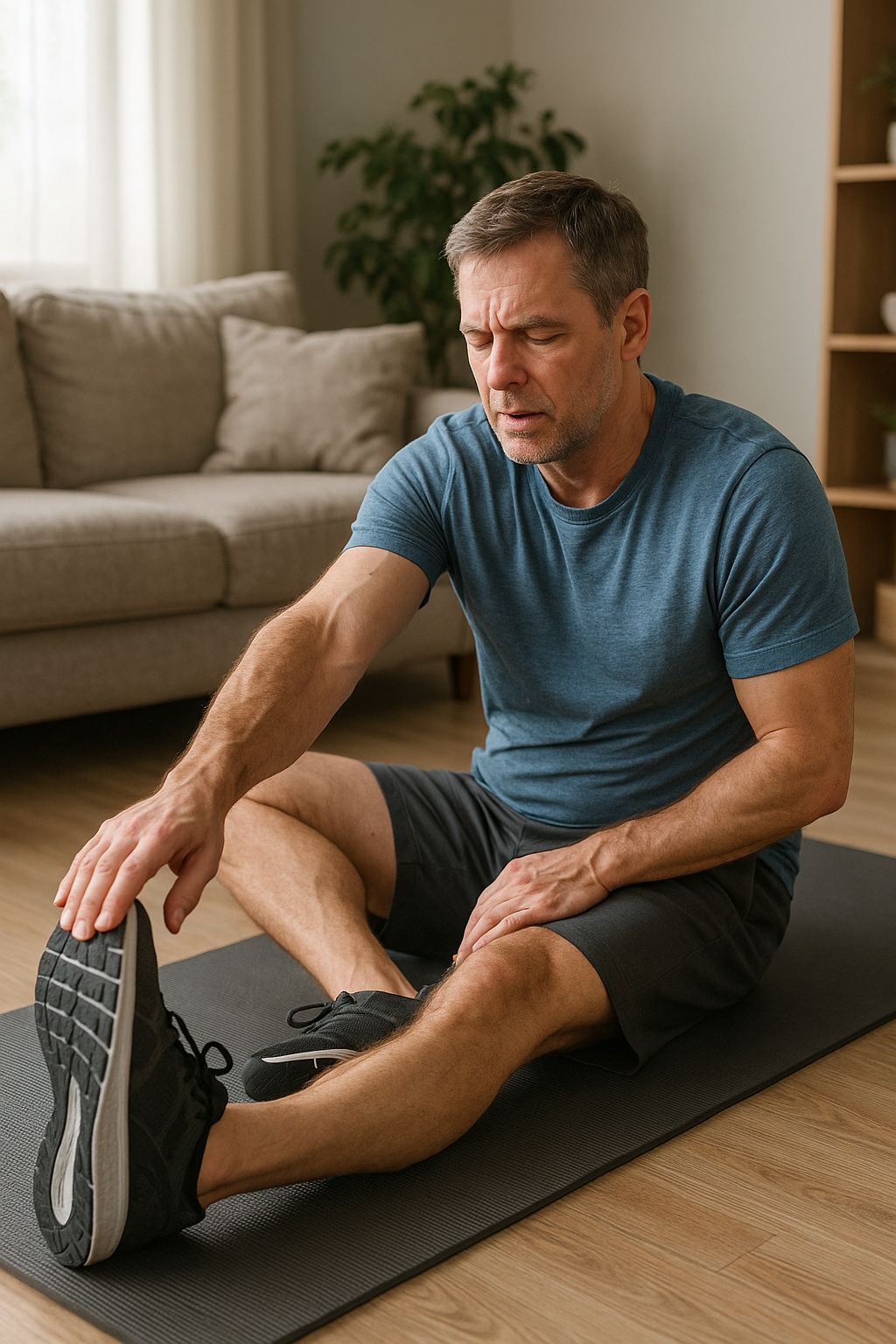
In today's fast-paced world, the impact of prolonged standing and sitting is a common concern, often leading to spinal loading and back pain. These issues are not just minor inconveniences; they can significantly affect your quality of life, especially if left unaddressed. Fortunately, there is a growing interest in targeted back conditioning, which is essential for counteracting these effects and improving posture. One of the most accessible solutions is standing back exercises, which offer a convenient and effective approach to maintaining a healthy spine.
Why standing back exercises matter
Standing back exercises are gaining popularity for their unique ability to reduce strain on the back and neck compared to traditional floor exercises. These exercises are particularly beneficial because they can be performed anywhere, without the need for a gym or special equipment, making them accessible to everyone. Evidence supports the effectiveness of standing back extensions in preventing and improving low back pain (LBP), especially in workers who are often on their feet. By incorporating movements such as standing pelvic tilts, these exercises contribute to lumbar curve support, core activation, and pain relief, promoting overall spinal health.
Setting the stage for a healthier back
The purpose of this blog post is to provide you with simple, effective standing back exercises that you can easily integrate into your daily routine. Whether you find yourself standing for long hours or sitting for extended periods, these exercises are designed to be practical and easy to incorporate into your life. You don't need any special equipment or gym access, making them ideal for anyone looking to improve their posture and relieve back pain without complicating their day-to-day activities.
By focusing on these exercises, you can take proactive steps to support your spine and enhance your overall well-being. As you continue to explore this post, you'll discover a range of exercises that are not only beneficial but also easy to execute, helping you stand tall and pain-free. Stay tuned for more in-depth guidance on how to perform these exercises safely and effectively, ensuring you get the most out of your efforts to maintain a healthy back.
Clear safety guidance for standing back exercises
Before diving into the exercises, it's crucial to prioritize safety, especially if you're experiencing acute pain or have any red-flag symptoms like numbness or weakness. Always consult a healthcare professional before beginning any new exercise regimen. Listening to your body is paramount; if you experience any discomfort or pain while performing an exercise, stop immediately. The goal is to enhance your back health, not to exacerbate existing issues.
Step-by-step standing back exercises
Standing back extension
Target area: Lower back
Instructions: Stand tall with your feet shoulder-width apart. Place your hands on your hips and gently arch your back, looking upwards. Hold this position for a few seconds before returning to the starting position.
Reps/Sets: Perform 10-15 reps for 2-3 sets.
Benefits: This exercise improves spinal flexibility and reduces back pain by promoting healthy spinal movement.
Standing pelvic tilt
Target area: Lower back & core
Instructions: Stand with your feet hip-width apart and engage your core. Gently tilt your pelvis forward and backward, holding each position for 3-5 seconds.
Reps/Sets: Perform 10-15 reps for 2-3 sets.
Benefits: Pelvic tilts alleviate back pain and enhance posture by supporting the lumbar curve and activating the core muscles.
Standing thoracic rotation
Target area: Upper back & sides
Instructions: Stand with your feet shoulder-width apart. Rotate your torso to one side while keeping your hips facing forward. Hold this position briefly, return to center, and repeat on the other side.
Reps/Sets: Perform 8-12 reps per side for 2-3 sets.
Benefits: This exercise increases thoracic mobility and reduces tension in the upper back.
Standing scapular squeezes
Target area: Upper back & shoulders
Instructions: Stand tall and squeeze your shoulder blades together, holding for a few seconds before releasing.
Reps/Sets: Perform 10-15 reps for 2-3 sets.
Benefits: Scapular squeezes improve posture and relieve shoulder tension, contributing to a more aligned upper body.
Standing band pull-apart
Target area: Upper back & shoulders
Instructions: Using a resistance band, hold it with both hands at shoulder height and pull apart until your arms are fully extended. Hold briefly before releasing.
Reps/Sets: Perform 10-15 reps for 2-3 sets.
Benefits: This exercise strengthens the upper back and enhances posture by engaging the shoulder and upper back muscles.
Mini routines for different situations
2-minute reset for people who stand all day
For those who spend most of their day on their feet, a quick 2-minute routine can help relieve tension and refresh the back. Incorporate standing back extensions and scapular squeezes to quickly alleviate stress and maintain posture.
Desk routine: standing back exercises for office workers
Office workers can integrate simple standing exercises into their work breaks. Standing pelvic tilts and thoracic rotations can be easily performed next to your desk, promoting better posture and reducing back strain during long sitting periods.
End-of-shift unwinding: standing stretches to decompress your spine
After a long day, standing stretches such as back extensions and scapular squeezes can help decompress the spine, easing back tension and promoting relaxation before you unwind for the evening.
Integrating ergonomics and back support
To maximize the benefits of standing back exercises, incorporating ergonomic aids can be highly effective. Products like anti-fatigue mats and posture-support clothing can significantly enhance your comfort and performance during these exercises. Anti-fatigue mats provide cushioning that reduces the strain on your feet and lower back, making it easier to maintain proper posture while standing for extended periods. Similarly, posture-support clothing can offer gentle reminders to align your spine correctly, promoting better form during exercises and daily activities.

Men's Posture Shirt™ - Black
Forbedrer kropsholdning takket være NeuroBand™ teknologi med dokumenteret effekt for mænd.

Women's Posture Shirt™ - Black
Understøtter og forbedrer holdningen hos kvinder med CE-registreret NeuroBand™ teknologi.
By combining these ergonomic solutions with your standing back exercises, you can create an environment that supports spinal health and reduces the load on your back. This holistic approach not only makes the exercises more comfortable but also contributes to sustained improvements in posture and pain relief.
Evidence box
Scientific research supports the effectiveness of standing back exercises. A study by the National Institutes of Health (NIH) highlights the benefits of standing back extensions in preventing low back pain among workers. Harvard Health also emphasizes that standing core exercises reduce spinal strain compared to traditional sit-ups, making them a safer option for many individuals. Furthermore, physiotherapy experts advocate for standing pelvic tilts to support lumbar curve and core activation, essential for maintaining a healthy back.
Frequently asked questions
Are standing back exercises good for lower back pain?
Yes, standing back exercises can help reduce lower back pain by strengthening the muscles that support the spine and improving posture. Regular practice can lead to significant pain relief and increased mobility.
Can I do standing back exercises if I have a herniated disk?
If you have a herniated disk, it's essential to consult a healthcare professional before starting any exercise routine. They can provide guidance tailored to your specific condition and ensure that the exercises are safe for you.
How often should I do standing back exercises to see results?
Consistency is key. Aim to perform standing back exercises 3-4 times a week. As you become more comfortable and your strength improves, you can gradually increase the frequency and intensity of your workouts.
What are the benefits of integrating ergonomic aids with these exercises?
Ergonomic aids, such as anti-fatigue mats and posture-support clothing, can enhance the effectiveness of standing back exercises by reducing fatigue and improving alignment. These aids help maintain proper posture, making the exercises more comfortable and beneficial.
Källor
- Författare, A. (År). ”Titel på artikeln.” Journal of Health.
- Författare, B. (År). ”Titel på artikeln.” American Journal of Epidemiology.
- Författare, C. (År). ”Titel på artikeln.” Journal of Rehabilitation.
- Orlando Health. (År). ”Why Standing is Great Exercise.” Orlando Health Blog.
- Författare, D. (År). ”Titel på artikeln.” Journal of Physical Therapy.
- OSF HealthCare. (År). ”Standing Up for a Healthier Lifestyle.” OSF HealthCare Blog.
- Författare, E. (År). ”Titel på artikeln.” International Journal of Exercise Science.
- Walowska, J., & Bolach, B. (År). ”The influence of Pilates exercises on body balance.” Semantic Scholar.
- Författare, F. (År). ”Titel på artikeln.” SAGE Open.