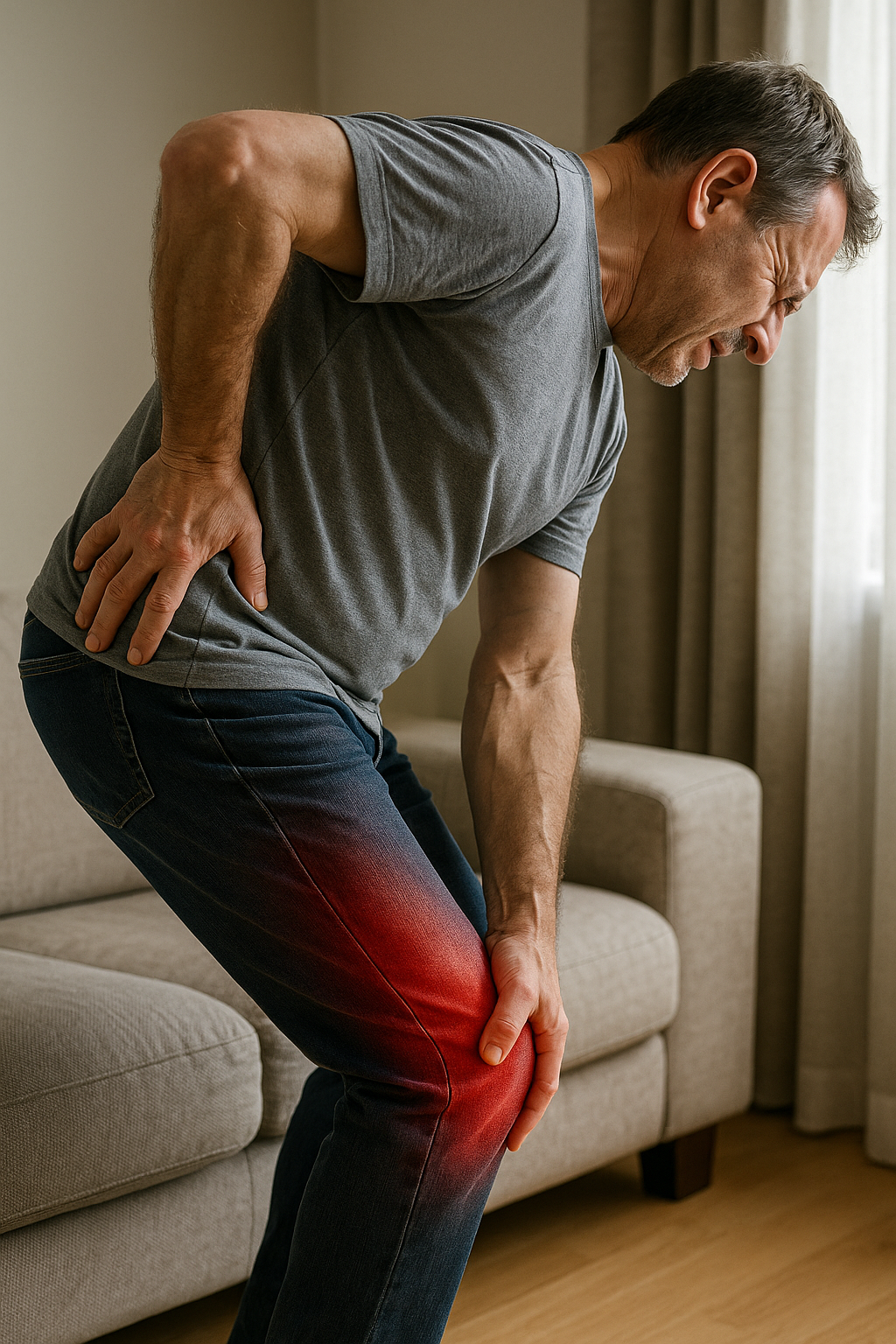
Sciatica pain is a common ailment that affects a significant portion of the population, with studies indicating that up to 80% of individuals experience it at some point in their lives. This condition is more than just an inconvenience; it can significantly hinder daily activities and reduce quality of life. Understanding what sciatica pain is and how it manifests is crucial for managing its impact effectively.
Defining sciatica pain
Contrary to what some might think, sciatica is not a disease but rather a syndrome—a collection of symptoms that arise from irritation, compression, or inflammation of the sciatic nerve. This nerve is the largest in the body, originating in the lumbar spine and running through the buttocks, down each leg. When this nerve is affected, it can result in pain that radiates from the lower back or buttocks down one leg. This discomfort is often described as a dull ache, a sharp shooting pain, or a burning sensation, sometimes compared to an electric shock. Accompanying symptoms may include numbness, tingling, and even muscle weakness, which can worsen with activities like sitting, coughing, or sneezing.
Purpose of this article
The aim of this article is to provide a comprehensive understanding of sciatica pain, delving into its symptoms, causes, and available treatment options. By gaining insight into this condition, individuals can better recognize the early signs of sciatica, which is essential for effective management and prevention of more severe complications. Whether you're experiencing mild discomfort or severe pain, understanding sciatica can empower you to take proactive steps towards relief and recovery.
As we explore the intricacies of sciatica pain, it's important to keep in mind that early detection and intervention are key. The sooner symptoms are recognized and addressed, the better the chances of managing the condition effectively without resorting to invasive treatments. In the following sections, we'll delve deeper into the anatomy of the sciatic nerve, the core symptoms associated with sciatica, and the primary causes that trigger this condition. With this knowledge, you can navigate your journey towards alleviating sciatica pain and improving your overall well-being.

Lumbar support belt
Justerbart bælte, der støtter og aflaster lænden – ideelt ved iskiassmerter og diskusprolaps.
Understanding the anatomy and definition of sciatica
The sciatic nerve, being the largest nerve in the human body, plays a pivotal role in our ability to move and feel sensations in the lower body. Originating in the lumbar region of the spine, it travels through the buttocks and down each leg, branching out to innervate various muscles and skin areas. Sciatica occurs when this nerve is irritated, compressed, or inflamed, leading to a range of uncomfortable symptoms collectively known as sciatica pain. This condition is often misunderstood as a standalone disease, but it is indeed a syndrome—a collection of symptoms indicating an underlying issue with the sciatic nerve.
Recognizing the core symptoms of sciatica
Sciatica is characterized by a distinct set of symptoms that primarily affect one side of the body. The hallmark of sciatica is pain that radiates from the lower back or buttock down the leg, often reaching the foot. This pain can vary in intensity and is frequently described as a burning sensation, sharp or jolting pain, or even an electric shock-like feeling. Accompanying these sensations are symptoms such as numbness, tingling—often referred to as "pins and needles"—and muscle weakness in the affected leg. These symptoms can intensify during certain activities, such as sitting for prolonged periods, coughing, or sneezing, making everyday tasks challenging and sometimes unbearable.
Exploring the primary causes of sciatica
The origins of sciatica are varied, with several conditions potentially leading to the compression or irritation of the sciatic nerve. The most common cause is a herniated or bulging disc, where the soft inner material of a spinal disc protrudes through a tear in its outer layer, pressing on the nerve roots. This is particularly common in younger adults and can result from sudden movements or lifting heavy objects improperly.
Another prevalent cause is spinal stenosis, which involves the narrowing of the spinal canal, often due to aging. This narrowing can compress the nerves, including the sciatic nerve, leading to the symptoms of sciatica. Other, less common causes include spondylolisthesis, where one vertebra slips over another, and conditions like piriformis syndrome, pregnancy, tumors, and even poor posture, which can all contribute to sciatic nerve irritation.
Current treatment trends for sciatica
When it comes to treating sciatica, the focus is primarily on conservative methods. These non-invasive treatments are effective for most individuals and typically involve a combination of self-care and professional interventions. Self-care strategies include applying ice or heat to the affected area, taking nonsteroidal anti-inflammatory drugs (NSAIDs) like ibuprofen, and modifying activities to avoid aggravating the symptoms.
Professional treatments often involve physical therapy, which is crucial for long-term management of sciatica. Physical therapists can guide patients through exercises designed to strengthen the muscles supporting the spine, improve flexibility, and reduce nerve pressure. In some cases, corticosteroid injections may be administered to reduce inflammation and alleviate pain. Surgery is considered a last resort and is only recommended for severe or persistent cases of sciatica that do not respond to other treatments.

Women's Posture Shirt™ - Black
Trænings- og hverdags-t-shirt der aktiverer musklerne og kan lindre smerter/spændinger.
Prevention and long-term management strategies
Preventing sciatica and managing it in the long term involves a proactive approach to lifestyle changes and physical health. Engaging in regular exercise, particularly activities that strengthen the core and improve posture, can significantly reduce the risk of sciatica. Ergonomic adjustments in the workplace, such as using lumbar supports and maintaining proper posture while sitting, can also prevent flare-ups. Additionally, physical therapy can be instrumental in preventing recurrence by teaching patients how to move safely and maintain spinal health.
By understanding the anatomy, symptoms, and causes of sciatica, individuals can take informed steps towards managing this condition effectively. Whether through conservative treatments or lifestyle modifications, the goal is to alleviate pain and improve quality of life, enabling those affected by sciatica to return to their daily activities with minimal discomfort.
Insights into sciatica: prevalence and management
Sciatica is a prevalent condition that affects a significant portion of the population. Studies indicate that up to 80% of individuals will experience sciatica at some point in their lives. This statistic underscores the importance of understanding the condition and its management. Sciatica is often perceived as a debilitating ailment due to its impact on daily activities and overall quality of life. However, with the right knowledge and strategies, managing sciatica effectively is possible.
Medical research consistently highlights the importance of physical therapy as a cornerstone in the long-term management of sciatica. Physical therapy not only helps alleviate immediate symptoms but also plays a crucial role in preventing recurrence. By focusing on strengthening exercises, flexibility improvement, and posture correction, individuals can significantly reduce the risk of future episodes. This proactive approach is essential, especially considering that sciatica can recur if underlying issues are not addressed.
Comparing the causes of sciatica
| Cause | Description | Commonality |
|---|---|---|
| Herniated Disc | Disc material presses on nerve roots | Very Common |
| Spinal Stenosis | Spinal canal narrowing | Common |
| Spondylolisthesis | Vertebral slippage | Less Common |
| Other Causes | Piriformis syndrome, tumors, etc. | Rare |
Understanding the various causes of sciatica is crucial for effective treatment and prevention. Herniated discs are the most common cause, particularly among younger adults, due to the pressure they exert on nerve roots. Spinal stenosis, often age-related, is another frequent cause, involving the narrowing of the spinal canal. Less common causes include spondylolisthesis and other conditions such as piriformis syndrome or tumors. Recognizing these causes allows for targeted treatment strategies, tailored to the individual's specific condition.
Frequently Asked Questions
What is the difference between sciatica and general back pain?
Sciatica specifically involves nerve pain that radiates from the lower back down one leg, often accompanied by sensations like numbness or tingling. General back pain may not involve nerve compression and typically does not radiate down the leg.
Can sciatica heal on its own?
Yes, most cases of sciatica resolve on their own with conservative treatment over several weeks to months. Self-care measures and physical therapy can significantly aid recovery.
When should I see a doctor for sciatica?
It is advisable to see a doctor if sciatica symptoms persist beyond 6-8 weeks, or if there is significant weakness, severe pain, or loss of bladder or bowel control.
Are there any exercises to help relieve sciatica pain?
Yes, specific stretches and strengthening exercises can help alleviate sciatica pain. These exercises focus on improving flexibility and strengthening the muscles supporting the spine.
What lifestyle changes can help manage sciatica?
Maintaining good posture, using ergonomic aids, and staying active are key lifestyle changes that can help manage and prevent sciatica. Regular exercise and weight management also play a significant role in reducing the risk of recurrence.
Kilder
- UTHealth Neurosciences. "Sciatica." UTHealth.
- Sharma, S., & Haas, M. (2021). "Sciatica." StatPearls. National Center for Biotechnology Information.
- "Sciatica Pain Relief." Tylenol.
- "Sciatica." Cleveland Clinic.
- "Sciatica." MedlinePlus.
- "Sciatica." American Academy of Orthopaedic Surgeons.
- "Sciatica." Penn Medicine.
- "Understanding Sciatica." PRC Alliance Pain Relief Centers.