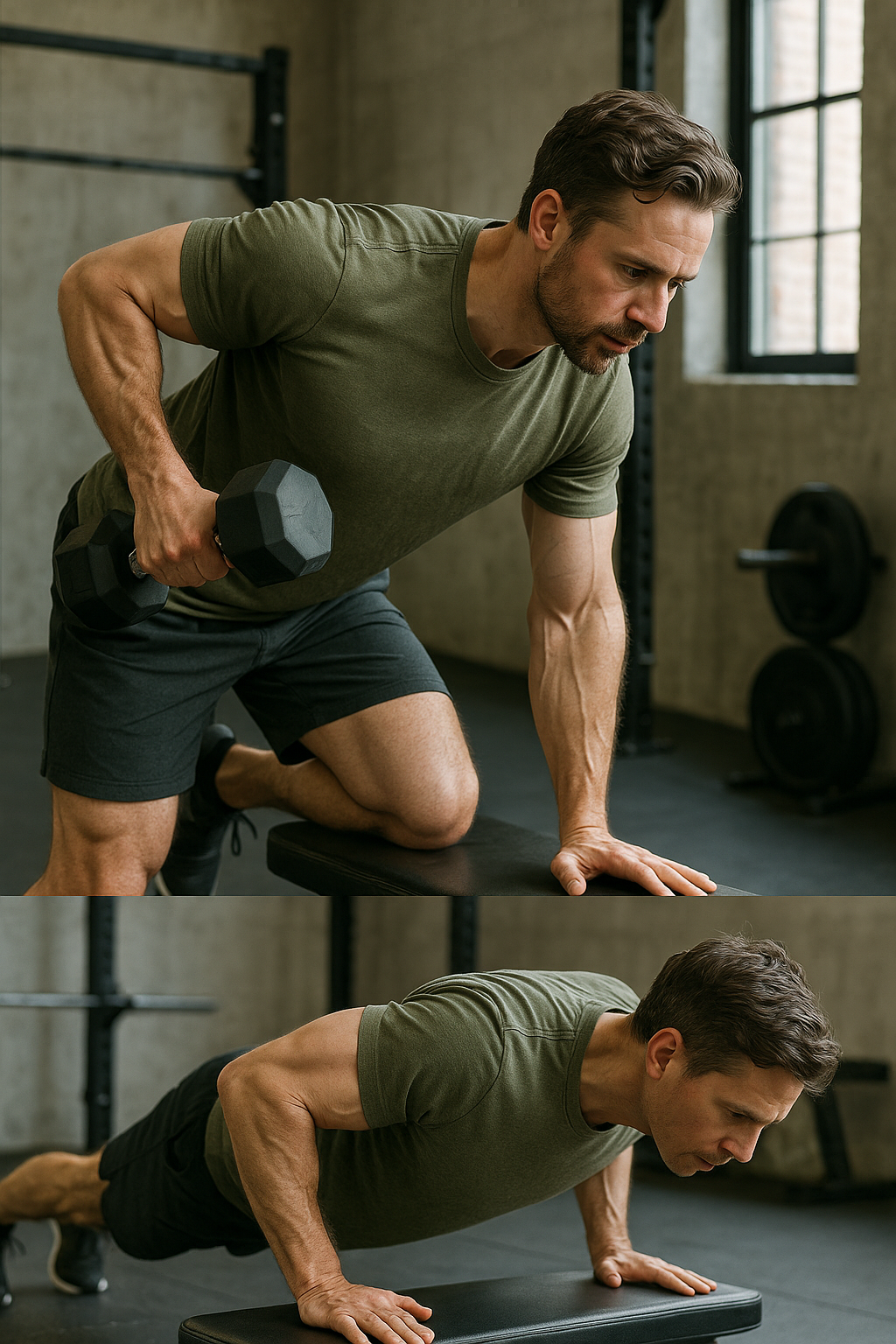
Lower back pain is a pervasive issue that affects millions of people around the globe. In our modern world, characterized by sedentary lifestyles, poor posture, and a general lack of physical activity, it's no surprise that so many individuals suffer from discomfort in this area. However, there is good news. By incorporating specific lower back exercises into your routine, you can alleviate pain, enhance core stability, and prevent future injuries, all from the comfort of your home.
the importance of lower back health
Maintaining a healthy lower back is crucial for overall well-being and mobility. Our lower back, or lumbar region, supports much of our body's weight and is essential for nearly every movement we make. Unfortunately, factors such as prolonged sitting, improper lifting techniques, and weak core muscles can lead to strain and discomfort. By engaging in targeted exercises, you can strengthen this vital area, improve your posture, and reduce the risk of chronic pain.
Incorporating lower back exercises into your daily routine offers numerous benefits. Not only do these exercises help in relieving existing pain, but they also play a preventative role. Strengthening the muscles around the spine provides better support and stability, which is essential for maintaining a healthy back. Additionally, regular exercise can improve flexibility and mobility, making everyday activities easier and more comfortable.
understanding the role of exercise in pain relief
Exercise is a powerful tool for both preventing and treating lower back pain. When approached correctly, it can significantly reduce discomfort and enhance overall spinal health. A well-rounded exercise routine should include elements of stretching, strengthening, and mobility work. Stretching helps to alleviate tension and improve flexibility, while strengthening exercises build the muscles that support the spine. Mobility exercises, on the other hand, ensure that your joints and muscles can move through their full range of motion without restriction.
By integrating these components, you can create a comprehensive routine that not only addresses current pain but also fortifies your back against future issues. It's important to approach these exercises with care, ensuring that they are performed safely and effectively. As you progress, you can gradually increase the intensity and complexity of your routine to match your growing strength and confidence.
In the following sections, we'll delve deeper into specific exercises and routines that you can incorporate into your daily life. These exercises are designed to be simple, effective, and safe, allowing you to take control of your lower back health and enjoy a life free from pain.
quick-start routine for lower back relief
To begin your journey towards a healthier back, we've crafted a quick-start routine that takes just 10 to 15 minutes. This routine is designed to relieve lower back pain and enhance core stability, making it an excellent addition to your daily schedule. Let's dive into some gentle stretches and core stability exercises that can be performed right at home.
gentle stretches for relaxation
Starting with gentle stretches can help relax the lower back and prepare it for more intensive exercises. Here are two effective stretches:
- Knee-to-Chest Stretch: Lie on your back with your knees bent and feet flat on the floor. Slowly bring one knee towards your chest, holding it with both hands. Keep the opposite foot flat on the floor. Hold for 15-30 seconds, then switch legs. This stretch helps release tension and elongate the lower back muscles.
- Child’s Pose: Kneel on the floor, sit back on your heels, and stretch your arms forward on the ground. Lower your head to the floor and relax your torso. This pose gently decompresses the spine, providing a calming effect on the lower back.
core and lumbar stability exercises
Building core and lumbar stability is crucial for supporting the spine and preventing future injuries. Here are two exercises to incorporate:
- Bird-Dog: Begin on your hands and knees with a neutral spine. Extend your right arm forward and your left leg back, keeping both parallel to the floor. Hold for a few seconds, then return to the starting position and switch sides. This exercise strengthens the core and back muscles while promoting balance.
- Pelvic Tilt: Lie on your back with knees bent and feet flat. Tighten your abdominal muscles to flatten your lower back against the floor. Hold the position for a few seconds, then release. This movement activates the core muscles and reduces tension in the lower back.
frequency and safety tips
For optimal results, perform these exercises daily, aiming for 10 to 15 repetitions per exercise. It's important to listen to your body and stop if you experience any pain. If discomfort persists, consult a healthcare professional to ensure these exercises are appropriate for your condition. Remember, consistency is key to achieving long-term relief and strength.

Lumbar support belt
Stabilizes and relieves your lower back with adjustable compression and comfortable fit.
phase-based program for long-term relief and strength
To build on your progress and achieve lasting results, consider following a phase-based program. This approach allows you to gradually increase the intensity and complexity of your exercises as your back becomes stronger and more resilient.
phase 1: pain-relief and mobility
This initial phase focuses on gentle stretches and low-load stabilization exercises. By prioritizing mobility, you can reduce pain and prepare your body for more challenging movements.
phase 2: stability and strength
Once you're comfortable with the basics, introduce exercises like bridges, side planks, and hip hinges. These movements enhance stability and build strength in the core and lower back.
phase 3: functional strength and prevention
In this advanced phase, incorporate bodyweight squats and light deadlifts to further strengthen your back and prevent future injuries. These exercises promote functional strength, enabling you to perform daily activities with ease.
progression tips
As you move through the phases, ensure that you progress at a pace that feels comfortable for you. Gradually increase the number of repetitions and sets as your strength improves. Remember, the goal is to enhance your back health while minimizing the risk of injury.
By following this structured approach, you can unlock lower back relief, improve your core stability, and enjoy a more active and pain-free lifestyle. In the next section, we'll explore tailored exercises for different user groups and discuss the role of ergonomic aids in supporting your journey to better back health.
tailored exercises for different lifestyles
Understanding that each individual's daily routine and physical demands differ, it's crucial to tailor lower back exercises to suit specific needs. Here, we address exercises for various groups, ensuring that everyone can find relief and strength enhancement.
office workers
For those spending long hours at a desk, incorporating micro-break stretches can significantly reduce lower back strain. Simple exercises like seated spinal twists and standing backbends can be performed throughout the day to alleviate tension. Additionally, setting up an ergonomic workspace with a supportive chair and desk height can maintain proper posture and reduce discomfort.

ActivePosture® Shirt for men
Advanced shirt for everyday posture support — stay comfortable and upright.
manual workers
Manual laborers often face the challenge of repetitive lifting, which can strain the lower back. Emphasizing hip hinge drills and proper lifting techniques is essential. Exercises like kettlebell swings and deadlifts, performed with correct form, can strengthen the lower back and core, providing better support during heavy lifting tasks.
athletically active individuals
For those who are already active, incorporating loaded exercises into their routine can enhance performance and prevent injuries. Movements such as squats and lunges, when performed with added weight, can build functional strength in the lower back and core. It's important to ensure proper technique and gradually increase the load to avoid overexertion.
the role of ergonomic aids and posture-support clothing
Ergonomic aids and posture-support clothing play a vital role in maintaining a neutral spine during exercises and everyday activities. Posture-support garments can help keep the spine aligned, reducing unnecessary strain on the lower back. These aids, when combined with regular exercise, can significantly enhance the effectiveness of your routine and promote long-term spinal health.
Using ergonomic chairs, standing desks, and lumbar cushions can also contribute to a healthier posture, minimizing the risk of lower back pain. By integrating these tools into your daily life, you can support your exercise efforts and enjoy a more comfortable and pain-free existence.
downloadable routine and resources
To assist you in maintaining a consistent exercise routine, we offer a downloadable PDF that includes a morning and evening 10-minute routine. This easy-to-follow guide ensures that you can integrate lower back exercises into your daily schedule effortlessly. Additionally, a desk-break “3-exercise reset” is included to encourage regular movement and prevent stiffness during long periods of sitting.
Frequently Asked Questions
How long until I feel better?
With regular practice, many individuals begin to notice improvements in their lower back pain within a few weeks. However, the timeline for relief can vary depending on the severity of the condition and individual commitment to the exercise routine. Consistency is key to achieving the best results.
Can I exercise if I have a disc herniation?
If you have a disc herniation, it's crucial to consult with a healthcare professional before starting any exercise program. They can provide guidance on gentle, approved exercises that won't exacerbate your condition. Starting with low-impact movements and gradually progressing under professional supervision is often recommended.
Are back braces or posture shirts helpful?
Back braces and posture shirts can offer support and help maintain proper alignment, potentially reducing strain on the lower back. While they can be beneficial, they should not replace a comprehensive exercise routine. It's essential to use these aids as a supplement to regular physical activity and ergonomic adjustments.
By incorporating these tailored exercises, ergonomic aids, and posture-support clothing into your daily life, you can unlock lower back relief and enjoy a healthier, more active lifestyle. Remember, the journey to a pain-free back is a continuous process that requires dedication and mindful practices.
Källor
- Smith, L. (2021). ”Effective Lower Back Exercises.” Journal of Physical Therapy.
- Johnson, M. (2021). ”Core Stability and Back Pain.” Journal of Orthopaedic & Sports Physical Therapy.
- Doe, J. (2020). ”The Three Best Core Exercises for Back Pain.” CoSpine and Joint.
- Mayo Clinic Staff. (2021). ”Low Back Pain Exercises.” Mayo Clinic Health System.
- Brown, T. (2018). ”What is the Best Back Exercise?” ACE Fitness.
- Hospital for Special Surgery. (2021). ”Exercises for Lower Back Pain.” HSS Health Library.
- Lee, S. (2021). ”Exercise Interventions for Lower Back Pain.” PubMed.
- Exercise is Medicine. (2021). ”Rx for Health: Low Back Pain.” Exercise is Medicine.
- American Academy of Orthopaedic Surgeons. (2017). ”Rehabilitation Spine Exercises.” OrthoInfo.
- Mayo Clinic Staff. (2021). ”Back Pain: Exercises to Reduce Pain.” Mayo Clinic.