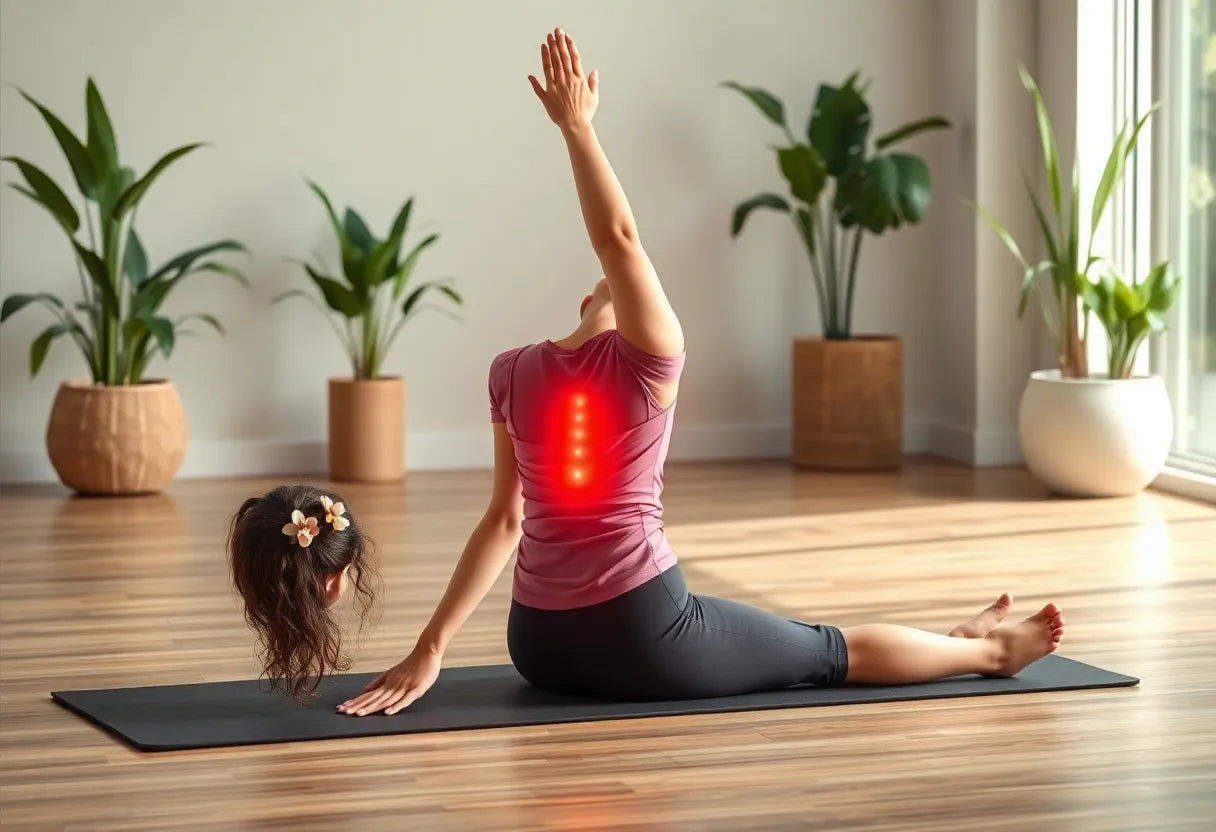
Back pain is a common ailment that affects millions of people worldwide, significantly impacting daily activities and overall quality of life. Whether it's a dull ache or a sharp, persistent pain, back discomfort can limit mobility and reduce productivity. Understanding the nature of back pain is the first step towards effective management. It often arises from poor posture, muscle strain, or underlying medical conditions, making it crucial to address these issues proactively.

Men's Posture Shirt™ - Black
Patented NeuroBand™ shirt to help stimulate back muscles and relieve pain.
One of the most effective ways to manage and alleviate back pain is through regular exercise. Incorporating targeted exercises into your routine can help unlock your back's potential, leading to a pain-free and more active lifestyle. These exercises are designed to strengthen the muscles supporting the spine, improve flexibility, and enhance overall body mechanics.
the role of exercise in pain management
Exercise therapy is a cornerstone in the management of chronic back pain, offering moderate improvements in both pain and function. Unlike passive treatments such as electrotherapy or education alone, exercise promotes active engagement, empowering individuals to take control of their health. The benefits of exercise extend beyond pain relief; they include improved posture, increased strength, and enhanced flexibility, which collectively contribute to a healthier back.
Research highlights that certain exercise modalities, such as core stabilization and strength training, are particularly effective in reducing back pain. These exercises target the muscles that support the spine, enhancing their ability to withstand stress and reducing the likelihood of injury. Additionally, mind-body practices like Pilates and Yoga have gained recognition for their role in reducing pain and disability, thanks to their focus on flexibility and mental relaxation.
As you embark on this journey to unlock your back's potential, it's essential to approach exercise with consistency and mindfulness. The exercises outlined in this guide are carefully selected to provide a comprehensive approach to back pain management. By incorporating these exercises into your routine, you can expect not only pain relief but also improvements in overall well-being and function.
In the sections that follow, we will delve deeper into specific exercises and techniques that are instrumental in managing back pain. These exercises are designed to be accessible to individuals of all fitness levels, ensuring that everyone can benefit from a stronger, more resilient back. Stay tuned as we explore the transformative power of exercise in achieving a pain-free life.
core stabilization exercises for back pain
Core stabilization exercises play a pivotal role in managing back pain by enhancing the strength and endurance of the muscles that support the spine. A strong core acts as a natural brace for the back, reducing the risk of injury and alleviating existing pain. These exercises focus on maintaining proper form and technique, ensuring that the core muscles are effectively engaged without placing undue stress on the back.
plank
To perform a plank, position yourself face down, supporting your body on your forearms and toes. Keep your body in a straight line from head to heels, avoiding any sagging or arching of the back. Hold this position for 30 seconds, gradually increasing the duration as your strength improves. This exercise not only strengthens the core but also enhances overall stability.
bird dog
The bird dog exercise is performed on your hands and knees. Extend one arm and the opposite leg simultaneously, keeping them in line with your body. Hold this position for a few seconds before switching sides. This exercise promotes balance and coordination while strengthening the lower back and abdominal muscles.
bridging
Bridging is an excellent exercise for activating the glutes and lower back muscles. Lie on your back with your knees bent and feet flat on the floor. Lift your hips towards the ceiling, forming a straight line from your shoulders to your knees. Hold this position, then slowly lower your hips back down. Bridging helps in stabilizing the pelvis and strengthening the lower back.
strength and resistance exercises for spinal support
Incorporating strength and resistance exercises into your routine is crucial for building the muscles that support the spine. These exercises enhance flexibility and reduce the risk of back injuries by improving spinal alignment and posture.
dead bug
The dead bug exercise is performed by lying on your back with your arms and legs raised. Lower the opposite arm and leg towards the floor, keeping your core engaged, then return to the starting position and alternate. This exercise is effective in enhancing core stability and coordination.
squats
Squats are fundamental for strengthening the lower body and supporting the spine. Stand with your feet shoulder-width apart and lower your body as if sitting back into a chair, ensuring your knees stay behind your toes. Rise back up and repeat. Squats improve leg strength and promote proper alignment of the spine.
lunges
Lunges target the muscles of the lower body while also engaging the core for stability. Step forward with one leg, lowering your hips until both knees are bent at a 90-degree angle. Push back to the starting position and switch legs. Lunges enhance balance and strengthen the muscles supporting the spine.
mind-body and flexibility exercises
Mind-body exercises like Pilates and Yoga are integral to reducing back pain and disability. These practices focus on flexibility, balance, and mental relaxation, contributing to overall well-being.
pilates hundreds
To perform the Pilates hundreds, lie on your back with your legs raised and pump your arms up and down while holding a core contraction. This exercise enhances core strength and endurance, supporting the spine's natural alignment.
cat-cow (yoga)
The cat-cow sequence is performed on hands and knees. Alternate between arching your back (cat) and rounding it (cow), synchronizing the movements with your breath. This exercise increases spinal flexibility and relieves tension in the back muscles.
child’s pose
Child’s pose is a restorative Yoga posture that stretches the back and promotes relaxation. Kneel on the floor, reaching your arms forward while lowering your chest toward your knees. This pose gently stretches the spine and reduces stress.
Incorporating these exercises into your routine can significantly improve your back's strength, flexibility, and overall function. By focusing on core stabilization, strength, and mind-body integration, you can unlock your back's potential and achieve a pain-free lifestyle. Remember to perform these exercises consistently and mindfully to experience the best results.
stretching and tai chi for back pain relief
Stretching and Tai Chi are excellent practices for enhancing flexibility and promoting circulation, both of which are crucial for managing back pain. Stretching helps in lengthening tight muscles and improving range of motion, while Tai Chi, with its gentle, flowing movements, focuses on balance and coordination, reducing stress and enhancing overall well-being.
hip flexor stretch
The hip flexor stretch is performed by kneeling on one knee and placing the opposite foot forward, forming a 90-degree angle with both legs. Gently press your hips forward until you feel a stretch in the front of the hip. Hold for 20-30 seconds and switch sides. This stretch helps alleviate tension in the hip flexors, which can contribute to back discomfort.
tai chi sequences
Tai Chi involves performing slow, controlled movements that emphasize balance and breathing. These sequences can be practiced by following a class or online video. The focus on mindful movement and posture helps improve spinal alignment and reduce stress, making Tai Chi an effective component of a back pain exercise regimen.
exercise regimen and psychological benefits
For optimal results, it's recommended to engage in back pain exercises 1-2 times per week, with each session lasting 15-30 minutes. This frequency allows for significant improvements in strength, flexibility, and pain management. Additionally, regular exercise can lead to psychological benefits, such as enhanced well-being, increased self-efficacy, and improved cognitive function. These mental health benefits are integral to a comprehensive approach to back pain management, promoting a positive outlook and motivation to maintain an active lifestyle.
frequently asked questions
what is the best type of exercise for back pain?
Core stabilization, Pilates, and Yoga are highly effective for managing back pain due to their focus on strengthening the muscles that support the spine and enhancing flexibility.
how often should I do back pain exercises?
Aim for 1-2 sessions per week, with each session lasting 15-30 minutes. Consistency is key to achieving and maintaining improvements.
can I do these exercises if I have severe back pain?
It's essential to consult a healthcare professional before starting any exercise regimen, especially if you have severe back pain. They can provide personalized advice and modifications to ensure safety.
how long will it take to see improvements?
Significant improvements may be observed in as little as 4 weeks, with optimal results typically achieved at 16 weeks of consistent practice.
are there any exercises I should avoid with back pain?
High-impact activities or exercises that cause pain during performance should be avoided. Focus on low-impact, controlled movements that promote stability and flexibility.
Incorporating a variety of exercises, including core stabilization, stretching, and mind-body practices, can unlock your back's potential and lead to a pain-free life. By following the recommended regimen and consulting with healthcare professionals as needed, you can effectively manage back pain and enhance your overall quality of life.

Lumbar support belt
Support and stabilize your lower back for pain relief in daily activities.
Kilder
- Maher, C. et al. (2021). "Exercise for Chronic Low Back Pain: A Systematic Review". Journal of Orthopaedic & Sports Physical Therapy.
- Veterans Affairs. (2022). "Managing Low Back Pain: A Guide for Patients".
- Mayo Clinic Staff. "Back Pain: How Exercise Helps".
- Mayo Clinic Health System. (2021). "Low Back Pain Exercises".
- Hospital for Special Surgery. "Exercises for Lower Back Pain".
- Shnayderman, I. et al. (2014). "The Effectiveness of Exercise Therapy for Chronic Non-specific Low Back Pain: A Review". Journal of Physical Therapy Science.
- American Academy of Orthopaedic Surgeons. (2017). "Rehabilitation for the Spine".
- University Health Services, Berkeley. "Low Back Pain: Exercises".
- Kaiser Permanente. "Low Back Pain: Exercises to Reduce Pain".