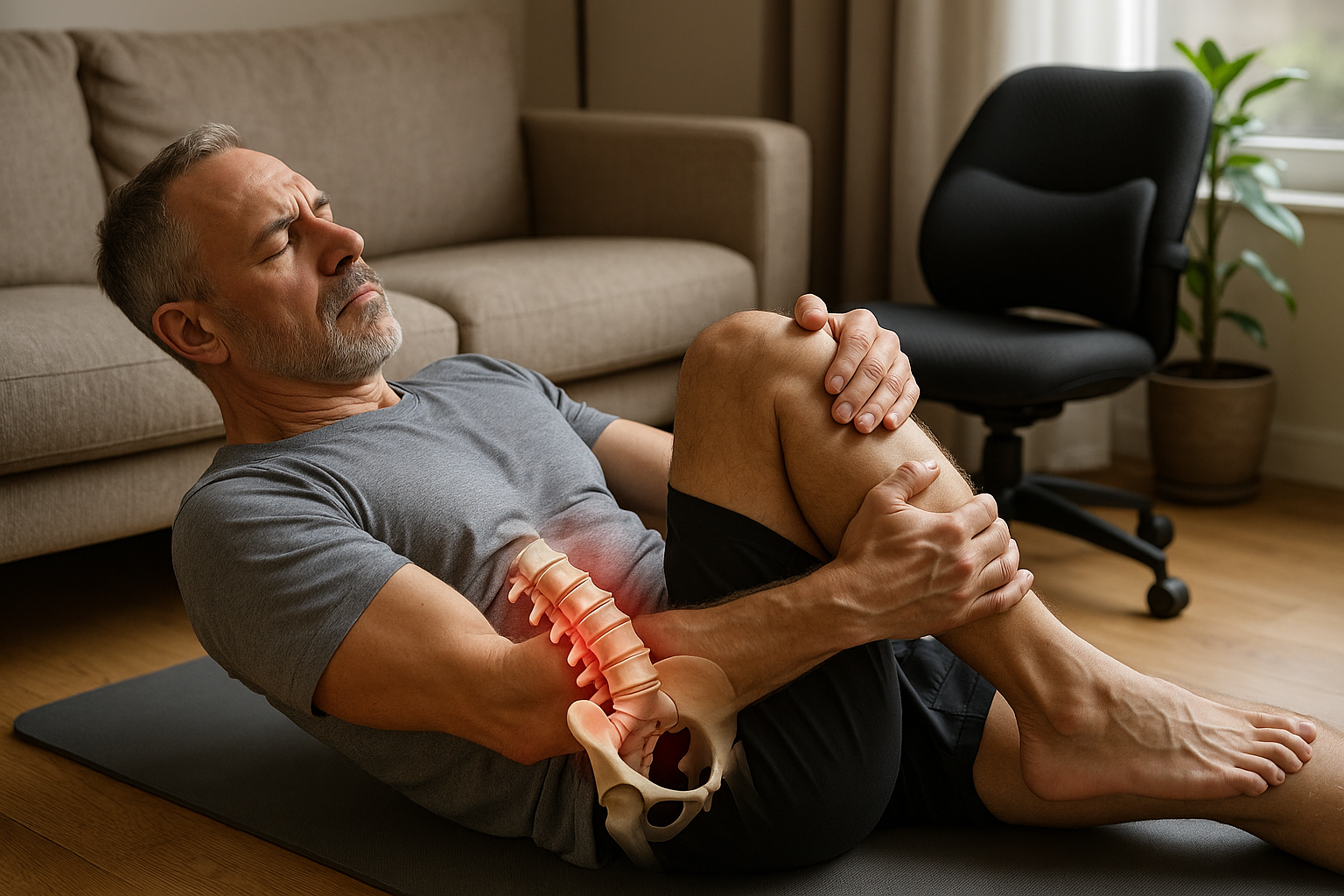
Cervical spinal stenosis is a condition characterized by the narrowing of the spinal canal in the neck region, which exerts pressure on the spinal cord and surrounding nerves. This compression can lead to a range of debilitating symptoms, including persistent neck pain, numbness, and weakness in the arms and legs. These symptoms can significantly impact one's quality of life, making even simple daily activities challenging and often painful.
the role of surgery in cervical spinal stenosis
For many individuals, conservative treatments such as physical therapy, medications, or injections may provide some relief. However, when these methods fail to alleviate symptoms or when the condition progresses to a severe stage, surgery becomes a crucial option. Surgical intervention aims to decompress the spinal cord and nerves, thereby alleviating symptoms and preventing further neurological damage. By exploring surgical options, patients can gain insights into the potential outcomes and recovery processes associated with each procedure.
importance of making informed decisions
Understanding the intricacies of cervical spinal stenosis surgery is essential for making informed healthcare decisions. Patients must be aware of the different surgical procedures available, the expected outcomes, and the potential risks involved. This knowledge empowers individuals to have meaningful discussions with their healthcare providers, ensuring that they choose the most appropriate treatment path tailored to their specific needs and medical conditions.
In the following sections, we will delve deeper into the various surgical procedures, discuss non-surgical alternatives, and outline the expected outcomes and recovery timelines associated with cervical spinal stenosis surgery. By equipping yourself with comprehensive information, you can take proactive steps toward a pain-free future and improved quality of life.
surgical procedures for cervical spinal stenosis
When it comes to addressing cervical spinal stenosis through surgery, understanding the available procedures is crucial. One of the most common surgical techniques is anterior cervical discectomy and fusion (ACDF). This procedure involves the removal of a damaged disc through an incision in the front of the neck, followed by the fusion of the adjacent vertebrae. The fusion is achieved using bone grafts and sometimes a metal plate to ensure stability. The success rate of ACDF is notably high, with over 90% of patients experiencing significant pain relief and improved spinal alignment.
Another surgical option is laminectomy, which involves the removal of the lamina, the back part of the vertebra covering the spinal canal. This procedure aims to create more space for the spinal cord and nerves, alleviating pressure. In contrast, laminoplasty reshapes and repositions the lamina rather than removing it, allowing for canal expansion while preserving spinal motion. Laminoplasty is particularly beneficial for patients who wish to maintain neck mobility and can result in a canal expansion of approximately 30%.
Additional procedures such as foraminotomy, discectomy, and corpectomy focus on enlarging the spaces through which nerves exit the spinal canal or removing specific portions of the disc or vertebrae. These techniques can often be performed using minimally invasive methods, which help reduce tissue damage and promote quicker recovery.
Post-decompression, fusion and stabilization are often necessary to maintain spinal integrity. This involves the use of screws and grafts to support the spine as it heals. Full fusion can take anywhere from six to eighteen months, during which the spine gradually stabilizes.
non-surgical alternatives for cervical spinal stenosis
Before considering surgery, it's essential to explore non-surgical alternatives. These options include physical therapy, non-steroidal anti-inflammatory drugs (NSAIDs), steroid injections, and the use of cervical braces. Physical therapy focuses on strengthening the neck muscles and improving flexibility, which can help alleviate symptoms. NSAIDs and steroid injections work to reduce inflammation and pain, providing temporary relief. Cervical braces may also be used to support the neck and limit movement, reducing strain on the spinal cord and nerves.

Men's Posture Shirt™ - Black
Posture shirt with patented NeuroBand™ tech for muscle activation & relief.

Women's Posture Shirt™ - Black
Patented shirt for postural support—helps relieve pain and tension all day.
These non-surgical treatments are generally recommended as the first line of defense, particularly for those with mild to moderate symptoms. Surgery is typically reserved for cases where these methods fail to provide adequate relief or when the condition leads to significant neurological impairment.
outcomes and expectations post-surgery
Understanding the expected outcomes and recovery timelines is vital for anyone considering cervical spinal stenosis surgery. Most patients experience an improvement in pain and mobility within a few months following surgery. The success rates for procedures like ACDF are impressive, with over 90% of patients reporting substantial pain relief. Additionally, the likelihood of needing reoperation is low when proper rehabilitation protocols are followed.
It's important to note that neurological improvements can continue to occur up to two years after surgery, offering hope for patients with nerve-related symptoms. Recovery timelines can vary, but initial improvements are often seen within the first few months, with full recovery potentially taking six to twelve months. Patients are encouraged to engage in rehabilitation exercises and follow their healthcare provider's guidance to maximize recovery outcomes and return to a pain-free lifestyle.
Risks and considerations in cervical spinal stenosis surgery
While cervical spinal stenosis surgery can provide significant relief and improve quality of life, it is important to be aware of potential risks. These risks include infection, nerve damage, and non-fusion of the vertebrae. Although these complications are relatively rare, they underscore the importance of selecting an experienced surgeon. An experienced surgical team can help minimize these risks and ensure a more successful outcome. Patients should discuss these potential risks with their healthcare providers to make an informed decision about their surgical options.
The recovery process: what to expect
The recovery process following cervical spinal stenosis surgery is a critical phase that can significantly affect the overall outcome. Immediately after surgery, patients may experience some discomfort, which is typically managed with pain relief medications. During the first week, rest is crucial, and patients are encouraged to limit physical activity to allow the body to begin the healing process.
In the weeks following surgery, gradual reintroduction to daily activities is advised. By weeks two to four, many patients can return to work, provided their job does not involve heavy physical labor. Rehabilitation exercises play a vital role during this period, aiding in the restoration of mobility and strength.
Full recovery can take anywhere from two to six months, with most patients resuming normal activities by the end of this period. However, individual recovery times may vary based on the patient's overall health and adherence to rehabilitation protocols. Continuous follow-up with healthcare providers is essential to monitor progress and address any concerns that may arise during recovery.
Frequently Asked Questions
What are the most common symptoms indicating the need for cervical spinal stenosis surgery?
Common symptoms that may indicate the need for cervical spinal stenosis surgery include severe neck pain, persistent numbness, and weakness in the limbs. These symptoms can significantly impact daily activities and quality of life, prompting consideration of surgical intervention.
How long does it take to recover from cervical spinal stenosis surgery?
Initial recovery from cervical spinal stenosis surgery typically takes about 4-6 weeks, during which patients may gradually resume light activities. Full recovery, including the return to normal activities and complete healing, can take between 6 to 12 months, depending on the individual's health and adherence to rehabilitation.
What are the success rates of cervical spinal stenosis surgery?
The success rates of cervical spinal stenosis surgery are generally high. For instance, the anterior cervical discectomy and fusion (ACDF) procedure has a success rate of over 90% for pain relief and improved spinal alignment.
Are there any non-surgical alternatives that can delay the need for surgery?
Yes, there are several non-surgical alternatives that can be considered before opting for surgery. These include physical therapy, non-steroidal anti-inflammatory drugs (NSAIDs), steroid injections, and the use of cervical braces. These treatments aim to alleviate symptoms and improve quality of life without surgery.
What are the potential risks associated with cervical spinal stenosis surgery?
Potential risks of cervical spinal stenosis surgery include infection, nerve damage, and non-fusion of the vertebrae. However, these complications are rare, especially when the procedure is performed by an experienced surgeon. Patients should discuss these risks with their healthcare provider to understand the full scope of the procedure.
Källor
- Neurosurgeons of New Jersey. (n.d.). "Cervical Stenosis Surgery."
- Neurosurgeons of New Jersey. (n.d.). "Cervical Spinal Stenosis Surgery Recovery."
- UCSF Health. (n.d.). "Cervical Stenosis."
- National Center for Biotechnology Information. (2023). "Cervical Spinal Stenosis: A Comprehensive Review."
- Hospital for Special Surgery. (n.d.). "Cervical Laminoplasty."
- Smith, J. (n.d.). "Spinal Stenosis Surgery Recovery." Jeremy Smith MD.
- Milwaukee Orthopaedic Group Limited. (n.d.). "Spinal Stenosis."
- Physio-pedia. (n.d.). "Surgical and Post-Operative Management of Cervical Spine Stenosis."
- Mayo Clinic. (n.d.). "Spinal Stenosis: Diagnosis and Treatment."
- New York Spine Institute. (n.d.). "What to Expect When Recovering from Spinal Stenosis Surgery."
- Cleveland Clinic. (n.d.). "Spinal Stenosis."
- Dr. Gilete. (n.d.). "Regain Neck Mobility After Cervical Surgery."
- Mayo Clinic. (n.d.). "Cervical Spinal Stenosis."
- Goodman Campbell Brain and Spine. (n.d.). "A Guide to Recovering from Spinal Stenosis Surgery."
- NYU Langone Health. (n.d.). "Surgery for Spinal Stenosis."
- Houston Spine Surgeon. (n.d.). "Post-Op Cervical Fusion."