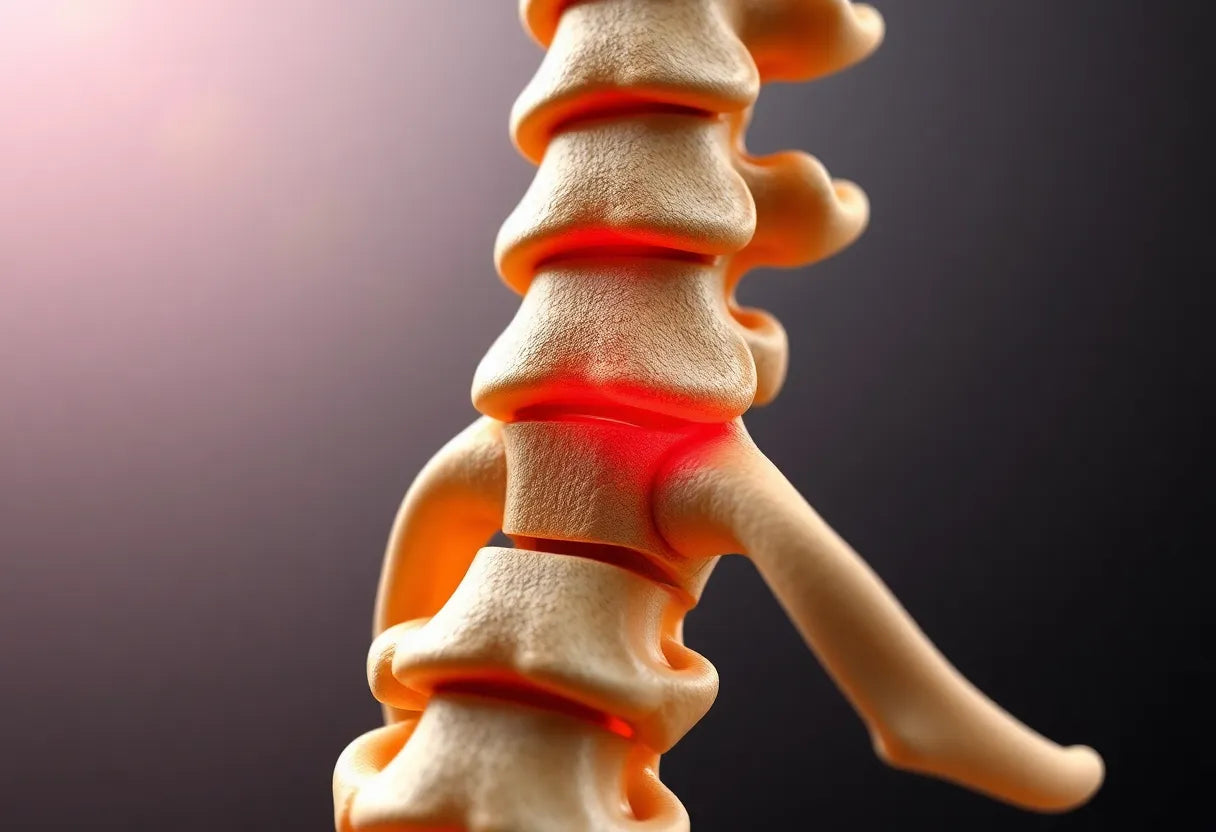
Nerve pathways in the back are a marvel of biological engineering, intricately woven into the fabric of our spinal anatomy. These pathways are not just conduits for nerve signals; they are the lifelines that enable sensation and movement, making them essential for our daily activities. Understanding these nerve pathways is crucial, especially when considering their role in back pain—a common ailment affecting millions worldwide.
importance of understanding nerve pathways
The complexity of nerve pathways in the back contributes significantly to both the onset and relief of back pain. These pathways consist of the spinal nerves, which are responsible for transmitting signals between the brain and various parts of the body. When functioning correctly, they facilitate smooth and coordinated movements and provide sensory feedback. However, any disruption or compression in these pathways can lead to discomfort, pain, or even debilitating conditions.
Back pain is a prevalent issue, with studies showing that it affects up to 80% of adults at some point in their lives. This can have a profound impact on one's quality of life, limiting mobility and affecting daily routines. The ability to understand and address the causes of back pain is therefore essential, not only for improving individual well-being but also for reducing the economic burden associated with treatment and lost productivity.
objective of the post
This blog post aims to delve into the anatomy and function of spinal nerves, exploring their pathways and the implications they hold for pain relief. By examining the structure and roles of these nerves, we can better appreciate how they influence our overall spinal health. The goal is to bridge the gap between anatomical knowledge and practical pain relief strategies, offering insights that can aid in the development of effective treatments and preventative measures.
In the following sections, we will explore the intricate anatomy of spinal nerves, detailing their origins, routes through the vertebral column, and their distribution to muscles and skin. We will also discuss the clinical relevance of these pathways, highlighting how understanding them can lead to more effective pain management solutions. Whether you're a healthcare professional or someone seeking relief from back pain, this exploration of nerve pathways in the back promises to provide valuable insights and practical guidance.
anatomy of spinal nerves: understanding the backbone of nerve pathways
The spinal cord is the central conduit for nerve pathways in the back, hosting a network of 31 pairs of spinal nerves. These nerves are categorized into different groups: 8 cervical, 12 thoracic, 5 lumbar, 5 sacral, and 1 coccygeal. Each group plays a crucial role in the intricate system of nerve pathways, with specific functions and pathways that contribute to both sensory and motor functions.
Each spinal nerve originates from the spinal cord as two distinct roots. The dorsal (posterior) root is responsible for carrying sensory fibers from the body back to the spinal cord, facilitating the sensation of touch, pain, and temperature. On the other hand, the ventral (anterior) root transmits motor signals from the spinal cord to the skeletal muscles, enabling movement and coordination.
pathways and functions: the division of labor in nerve pathways
Upon exiting the vertebral canal through the intervertebral foramina, each spinal nerve divides into several branches, each with distinct roles. The dorsal ramus innervates the skin and muscles of the back, playing a key role in maintaining posture and facilitating movement. Meanwhile, the ventral ramus supplies the anterior trunk and limbs, essential for a broad range of movements and functions.
The rami communicantes are another critical component, linking spinal nerves to the sympathetic trunk. This connection is vital for autonomic signaling, which regulates involuntary functions such as heart rate and digestion, underscoring the comprehensive role of nerve pathways in maintaining bodily functions.
clinical relevance: cauda equina and dermatomes
Understanding the clinical implications of nerve pathways in the back is essential for diagnosing and treating various conditions. The cauda equina is a notable formation where the lower nerve roots (lumbar, sacral, coccygeal) extend downward before exiting the spinal column. This occurs due to the mismatch between spinal cord and vertebral growth, and any compression in this region can lead to serious conditions requiring immediate medical attention.
Dermatomes are another crucial concept in the clinical landscape. These are specific skin regions innervated by sensory fibers of each spinal nerve. Dermatomes are instrumental in diagnosing nerve injuries or diseases, as they help localize the affected nerve by mapping symptoms such as pain or numbness to specific spinal nerve roots. Dermatome maps are often used by healthcare professionals to pinpoint the source of nerve-related issues, offering a valuable diagnostic tool.
functional implications: how nerve pathways affect health and pain
The role of spinal nerves in motor and sensory functions is profound, and disruptions in these pathways can lead to significant health challenges. Conditions such as sciatica, which involves irritation or compression of the sciatic nerve, exemplify how nerve pathway issues manifest as pain or dysfunction. Sciatica can cause severe pain that radiates from the lower back down to the legs, often requiring targeted interventions to alleviate symptoms.
Understanding the anatomy and function of nerve pathways in the back is not only crucial for diagnosing and managing back pain but also for developing effective treatment strategies. By exploring these pathways, healthcare providers can tailor interventions that address the root causes of pain, improving patient outcomes and enhancing quality of life.
In conclusion, the intricate network of nerve pathways in the back is fundamental to our overall health and mobility. By gaining a deeper understanding of these pathways, we can better address the challenges of back pain and develop strategies that promote spinal health and well-being.
Linking anatomy to pain relief
Understanding nerve pathways in the back is not just an academic exercise; it has practical implications for pain management. By comprehending the intricate network of spinal nerves and their functions, healthcare professionals can devise more effective strategies for alleviating back pain. Ergonomic solutions, such as those provided by Anodyne, are designed to support proper posture and reduce stress on nerve pathways, thereby minimizing pain and discomfort.

Men's Posture Shirt™ - Black
Helps improve posture, relieves back pain and tension, ideal for daily comfort.
For instance, ergonomic chairs and workstations can help maintain the natural curve of the spine, reducing the risk of nerve compression and associated pain. Similarly, exercises that strengthen the core muscles can support spinal alignment, preventing undue pressure on nerve pathways. By integrating anatomical knowledge with practical solutions, individuals can achieve significant improvements in their spinal health and overall quality of life.

Lumbar support belt
Giver støtte samt smertelindring til lænden og hjælper mod rygsmerter.
Enhancing understanding through visual and interactive elements
To deepen the understanding of nerve pathways in the back, incorporating visual and interactive elements can be highly beneficial. Educational videos and interactive diagrams can illustrate the complex anatomy of the spinal cord and its nerves, making it easier to grasp their functions and clinical significance. Resources like Ninja Nerd offer multimedia learning experiences that can enhance both patient and professional education.
Interactive tools can also facilitate self-assessment and awareness, allowing individuals to better understand their own symptoms and seek appropriate interventions. By using these resources, individuals can become more informed about their condition and actively participate in their pain management journey.
Conclusion: the importance of nerve pathways in back health
The intricate network of nerve pathways in the back plays a crucial role in maintaining our health and mobility. By understanding their anatomy and function, we can better address the challenges of back pain and develop effective strategies for relief. The connection between anatomical knowledge and practical solutions is vital for improving spinal health and enhancing quality of life.
Frequently Asked Questions
What are nerve pathways in the back?
Nerve pathways in the back are networks of spinal nerves that transmit signals between the body and the brain. They are essential for sensation and movement, enabling us to perform daily activities and respond to environmental stimuli.
How do nerve pathways affect back pain?
Nerve pathways can be affected by disruptions or compressions, leading to back pain. Such issues can be diagnosed by identifying symptoms like pain or numbness in specific areas, often related to particular spinal nerve roots.
What are dermatomes and why are they important?
Dermatomes are specific skin regions innervated by sensory fibers of spinal nerves. They are crucial for diagnosing nerve-related issues, as they help localize the affected nerve by mapping symptoms to specific spinal nerve roots.
Can understanding nerve pathways help in treating back pain?
Yes, understanding nerve pathways can guide the development of targeted treatment and pain management strategies. By identifying the root causes of pain, healthcare providers can tailor interventions to improve patient outcomes.
What are some common conditions related to nerve pathways in the back?
Common conditions include sciatica, which involves irritation or compression of the sciatic nerve, leading to pain that radiates from the lower back down the legs. Understanding nerve pathways is crucial for diagnosing and managing such conditions effectively.
Källor
- Kenhub. (n.d.). "Spinal Nerves." Kenhub.
- NCBI. (2019). "Spinal Cord." NCBI Bookshelf.
- University of Texas. (n.d.). "Neuroscience Online: Chapter 3." Neuroscience Online.
- TeachMeAnatomy. (n.d.). "Spinal Cord." TeachMeAnatomy.
- Spine-Health. (n.d.). "Sciatic Nerve Anatomy." Spine-Health.
- Cleveland Clinic. (n.d.). "Spinal Cord." Cleveland Clinic.
- Kenhub. (n.d.). "Neural Pathways." Kenhub.
- AANS. (n.d.). "Anatomy of the Spine and Peripheral Nervous System." AANS.
- NCBI. (2019). "Peripheral Nervous System." NCBI Bookshelf.
- TeachMeAnatomy. (n.d.). "Nerves of the Back." TeachMeAnatomy.
- Cleveland Clinic. (n.d.). "Dermatomes." Cleveland Clinic.
- Physio-pedia. (n.d.). "Spinal Nerves." Physio-pedia.