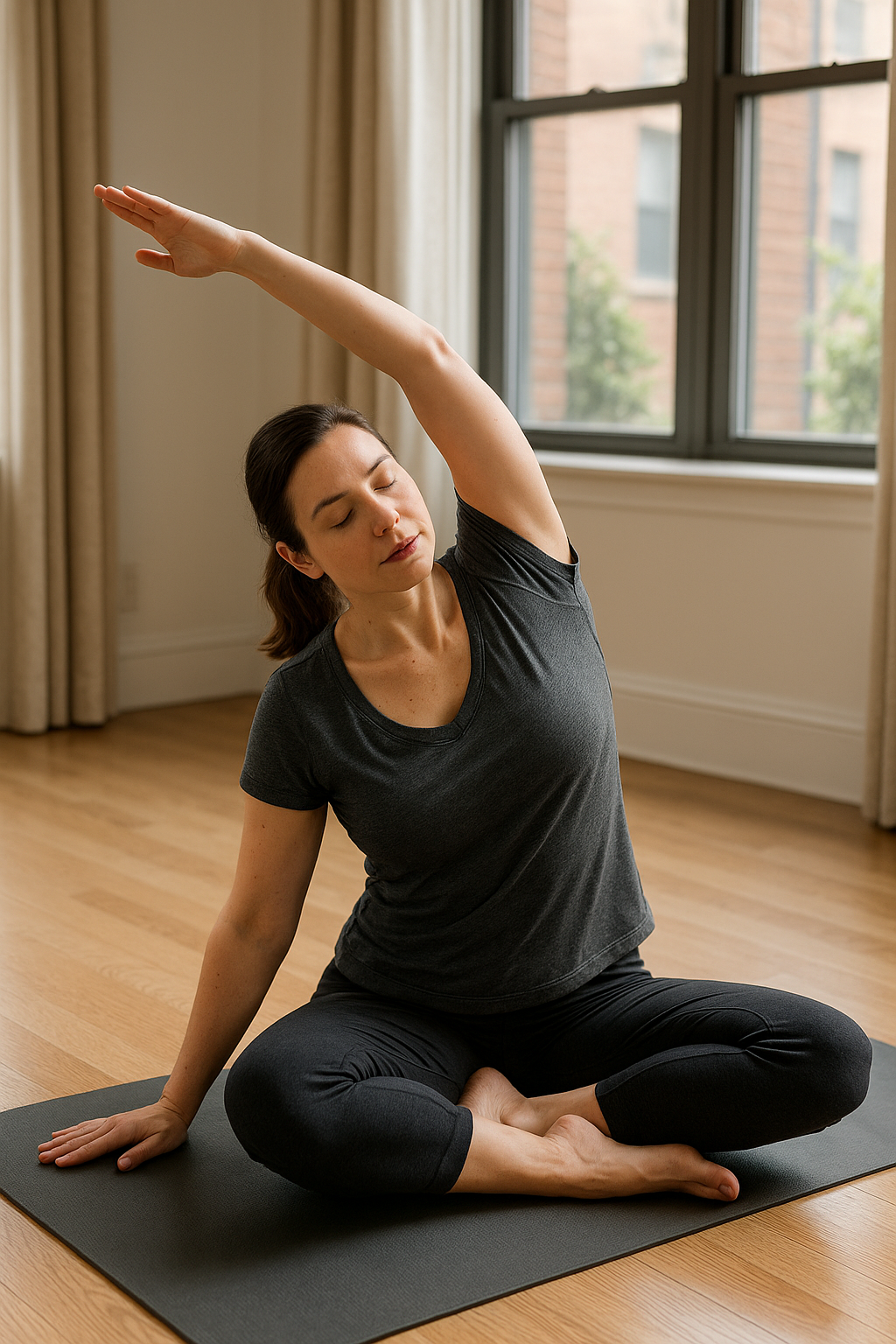
Modern life asks a lot of the body and mind at the same time: long hours sitting, constant notifications, and a nervous system that rarely gets a real pause. That’s one reason yoga and meditation have moved from niche practices to everyday tools for people who want steadier energy, better focus, and a calmer relationship with stress. When you combine mindful movement with intentional stillness, you’re not just “relaxing” for a moment—you’re training skills that can carry into work, sleep, and how you hold your posture throughout the day.
At their core, yoga and meditation are simple ideas with deep roots. Yoga is often described as “union”: a practice of connecting breath, body, and attention so you feel more integrated rather than pulled in ten directions. Meditation is the focused training of awareness—learning to notice thoughts, sensations, and emotions without immediately reacting to them. In many traditions, meditation is not separate from yoga but a natural continuation of it: movement and breath prepare the body to sit more comfortably, while the calmer mind makes movement feel more intentional.
What yoga and meditation really mean for beginners
If you’re new, it helps to drop the common myths. Yoga is not a flexibility contest, and meditation is not about “emptying your mind.” A typical yoga practice might include gentle postures, breathing techniques, and short pauses to observe how you feel. Meditation might be as straightforward as sitting on a chair and following the breath for two minutes. The shared principle is attention: noticing what’s happening in your body and mind, then choosing a response that supports your well-being.
Why mind-body practices are everywhere right now
Interest has grown because the problems are familiar: stress, mental overload, tight shoulders, restless sleep, and that low-level tension that builds when you’re always “on.” Yoga and meditation fit into real schedules—at home, in studios, or in short breaks between meetings—and they offer something many people miss: a repeatable way to downshift and reset.
The Anodyne perspective: calm mind, supported body
At Anodyne, we look at yoga and meditation as more than wellness trends. They’re practical complements to ergonomics. As you become more aware of breath and body alignment, you often start noticing the small habits that drive discomfort—collapsed sitting, forward head posture, or bracing through the lower back. Pairing mindful practice with ergonomic support can make it easier to maintain healthier positions, reduce strain, and build comfort into the way you move and rest.

Men's Posture Shirt™ - Black
Patented Posture Shirt™ supports muscle activation, posture, and pain relief for men.
The science behind yoga and meditation
Yoga and meditation are often described in personal terms—feeling calmer, sleeping better, moving with less tension—but research increasingly helps explain why these changes happen. In clinical settings, combined protocols that integrate yoga practices with meditation have been linked to measurable improvements in psychological distress. One example is an integrated Heartfulness meditation and yoga approach, which has been associated with reductions in overall distress and somatization, a term used when stress and emotional strain show up as physical symptoms such as aches, tightness, or fatigue. For many people, that connection is the missing link: the mind feels overloaded, and the body carries the load in the form of tension patterns that can become “normal” over time.
On the physiological side, yoga and meditation influence the autonomic nervous system—the balance between the body’s stress response and its recovery mode. Studies that look at heart rate variability (HRV), a common marker linked to stress resilience and recovery, suggest that meditative practices can shift the body toward a calmer baseline. While different styles vary in method and intensity, the practical takeaway is consistent: when you train breath control, attention, and relaxation, you’re also training your body to recover more efficiently from daily stressors.
Mental health benefits: stress, focus, and emotional regulation
One reason yoga and meditation are so widely recommended for modern life is that they build skills that support mental well-being in a repeatable way. Research on yoga meditation in specific groups, including female college students, has found improvements in stress levels and emotional regulation. That matters because emotional regulation isn’t about never feeling stressed—it’s about noticing stress earlier, responding with more choice, and recovering faster after a difficult moment.
In everyday terms, yoga and meditation can help you create a small gap between a trigger and your reaction. That gap is where healthier habits live: taking a slower breath instead of tightening your jaw, relaxing your shoulders instead of bracing, or pausing before you spiral into worst-case thinking. Over time, those micro-adjustments can add up to better mood stability, clearer focus, and a more grounded sense of control—especially when practice is consistent, even if sessions are short.
Physical health and body awareness: why you start noticing your posture
Beyond mental benefits, yoga and meditation are powerful tools for body awareness. Many people live slightly “disconnected” from physical signals until discomfort becomes too loud to ignore. Mindful movement changes that by repeatedly asking you to feel what’s happening: where you’re gripping, where you’re collapsing, and how your breath responds to certain positions. Meditation reinforces the same skill from the inside out—observing sensations without immediately tensing against them.
This is where yoga and meditation can indirectly support posture and comfort. When you become more aware of your body, you’re more likely to notice patterns like forward head posture, rounded shoulders, locked knees, or a lower back that’s constantly braced. You may also begin to recognize the difference between “stretching” and “straining,” which is essential if you’re trying to move more while managing pain or stiffness.
For relaxation and tension release, guided practices such as yoga nidra and body scan meditation are especially relevant. Both encourage systematic relaxation by moving attention through the body. Research comparing yoga nidra and body scan suggests yoga nidra may produce stronger immediate improvements in well-being right after a session, while longer-term outcomes can be similar over time. If your goal is to downshift quickly after work or before sleep, that short-term effect can be meaningful—particularly if stress tends to show up as tight hips, a stiff neck, or a clenched jaw.

Women's Posture Shirt™ - Black
Patented Posture Shirt™ for women, supports muscle activation, better posture, and pain relief.
Market insights: why yoga and meditation are now mainstream
The rapid growth of yoga and meditation isn’t just anecdotal—it’s reflected in market data. The North American yoga and meditation service market has been valued in the tens of billions of dollars, with forecasts pointing to continued growth over the next decade. The meditation market globally is also projected to expand significantly, driven by apps, online programs, workplace well-being initiatives, and broader cultural acceptance of mental health support.
For individuals, this mainstream shift has a practical upside: it’s easier than ever to find beginner-friendly options, including short classes, chair-based sessions, and guided meditations that don’t require special equipment. For workplaces and health-focused businesses, the growth signals something else: yoga and meditation are increasingly seen as legitimate, structured tools for stress management and performance—not just leisure activities.
And that’s where the opportunity becomes more personal. As these practices become more accessible, it’s easier to experiment and discover what helps your unique nervous system and body. Some people benefit most from gentle movement before sitting quietly. Others prefer a brief meditation first, then a few stretches to release tension. The best approach is the one you will actually repeat—because consistency is what turns a calming experience into a lasting change.
Yoga and meditation for posture, pain relief, and daily ergonomics
It’s easy to think of yoga and meditation as practices you do on a mat, separate from the rest of your day. In reality, their most practical value often shows up in the positions you repeat for hours: sitting at a desk, driving, standing in a kitchen, or looking down at a phone. When attention is trained through yoga and meditation, you become more likely to notice early warning signs—jaw tension, lifted shoulders, shallow breathing, or a lower back that feels “held.” That awareness is the first step toward changing the pattern before it becomes pain.
From an ergonomic perspective, discomfort is rarely caused by one “bad” posture. More often, it’s the combination of repetition, static load, and stress-driven muscle bracing. Yoga can help by gently restoring mobility and strength in areas that commonly become stiff (hips, upper back, shoulders). Meditation supports the same goal from the nervous system side: it can reduce the tendency to tense against sensations and encourages a calmer baseline, which may make it easier to sit, stand, and move with less strain.
Ergonomic aids can amplify these benefits. A supportive chair, lumbar cushion, or posture-supporting garment can help you find a more neutral position, but your body still needs frequent movement and reset moments. Think of ergonomics as shaping your environment, and yoga and meditation as training your habits within that environment. Together, they can make “good posture” feel less like effort and more like a default.
Simple routines you can repeat anywhere
Consistency matters more than intensity. Short sessions done regularly can be more effective than occasional long workouts, especially if your main challenge is tension from sitting or mental overload. The routines below are designed to be equipment-minimal and easy to fit into a workday.
5–10 minute chair-based yoga sequence
1) Seated grounding (30 seconds): Place both feet flat. Lengthen through the spine without forcing the chest up. Exhale slowly and let the shoulders drop.
2) Neck and shoulder reset (1–2 minutes): Gently turn the head side to side, then tilt ear toward shoulder. Add slow shoulder rolls. Keep the movement small and pain-free.
3) Seated twist (1 minute each side): Sit tall, rotate from the ribcage, and keep hips facing forward. Breathe into the side body and soften the jaw.
4) Seated hip hinge (1–2 minutes): With hands on thighs, hinge forward from the hips with a long back, then return upright. This counters prolonged slumping without aggressive stretching.
5) Ankle pumps and calf activation (1 minute): Lift and lower heels, then toes. This supports circulation and reduces the “stuck” feeling from long sitting.
6) Chest opener (1 minute): Interlace fingers behind the back if comfortable, or place hands on the chair and gently draw shoulder blades back and down. Avoid forcing range of motion.
Two-minute breathing and meditation break
Sit comfortably (chair is fine). Inhale through the nose for a slow count of four, exhale for a slow count of six. Repeat for 8–10 cycles. If thoughts pull you away, return to the feeling of the exhale. This is a practical way to downshift during a busy day, and it often reduces stress-driven bracing in the shoulders and abdomen.
Accessible options for limited mobility or chronic pain
If you have pain, the goal is not to “push through.” Choose smaller movements, reduce range, and prioritize supported positions. A rolled towel behind the lower back, a cushion under the hips, or a chair with armrests can make meditation and gentle yoga feel safer. If floor sitting aggravates symptoms, it is completely reasonable to practice on a chair long-term. Comfort supports consistency, and consistency is what produces change.
Frequently Asked Questions
Do I need to be flexible to practice yoga and meditation?
No. Flexibility is not a requirement, and it is not the main point. Yoga is adaptable: you can use a chair, shorten your stance, bend your knees, or reduce range of motion. Over time, many people gain mobility, but the practice can start exactly where you are.
Is meditation a religious practice?
Meditation has spiritual roots in several traditions, but it is widely practiced in a secular way for mental clarity, stress reduction, and emotional balance. You can approach meditation as attention training without adopting any religious framework.
What if sitting on the floor hurts my back?
Use support. Sit on a chair, place a cushion under your hips, or use a lumbar support to reduce strain. The best meditation posture is one you can maintain comfortably while breathing steadily—pain is a sign to modify, not endure.
How often should I practice yoga and meditation to feel benefits?
Many beginners do well with 5–10 minutes most days. A realistic target is three to five sessions per week, with brief breathing breaks on busy days. Regular practice tends to be more helpful than occasional long sessions.
Can yoga and meditation help with desk-related neck and shoulder tension?
They can be useful tools. Gentle mobility, posture awareness, and short breathing-based resets can reduce the buildup of tension during the day. Pairing these habits with a supportive garment can make the effect stronger and easier to maintain.
Källor
- Hearing Aid Express. (n.d.). "Exploring the Potential Benefits of Yoga and Meditation on Your Hearing Health."
- All In Therapy Clinic. (n.d.). "Can Meditation and Yoga Improve Mental Health?"
- Rupa Health. (n.d.). "Mental Health Benefits of Yoga and Meditation."
- Harvard Health Publishing. (n.d.). "Yoga for Better Mental Health."
- Premier Fitness Studio. (n.d.). "The Benefits of Yoga & Meditation: A Holistic Approach to Wellness."
- American Psychological Association. (n.d.). "Meditation."
- Asheville Wellness Tours. (n.d.). "What are the Mental Benefits of Yoga and Meditation?"
- AllCare Health. (n.d.). "Staying Healthy: Yoga and Meditation - What Works and Why."
- Spruce Psychiatric. (n.d.). "How Yoga and Meditation Can Benefit Your Mental Health."
- National Center for Biotechnology Information. (2018). "Yoga for Depression: A Systematic Review and Meta-Analysis."
- PubMed. (2018). "Effects of Yoga on Mental and Physical Health: A Short Summary of Reviews."
- Frontiers in Psychology. (2023). "The Impact of Yoga and Meditation on Mental Health: A Review."