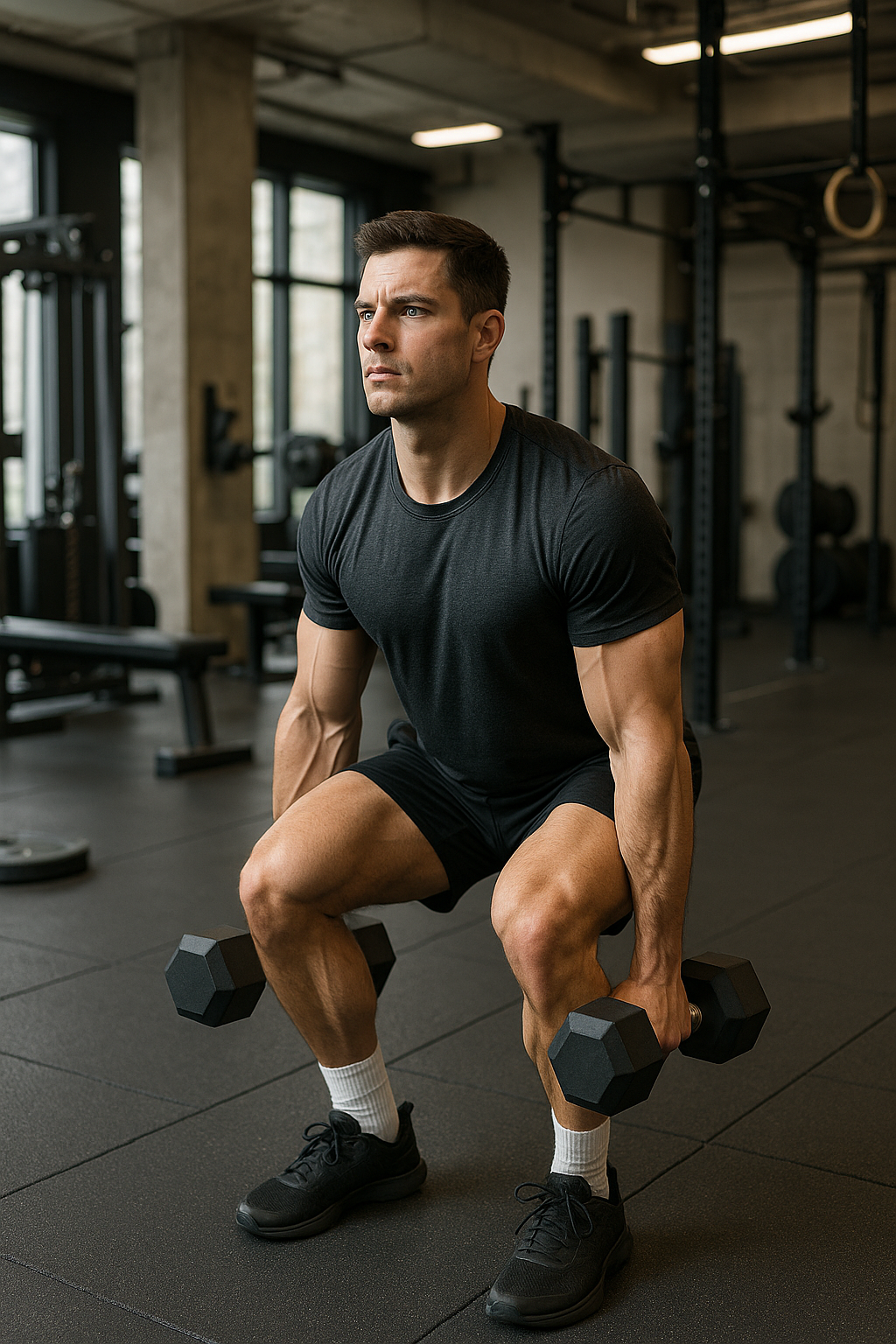
In today's fast-paced world, fitness programs tailored specifically for men have become increasingly important. These programs are designed not only to build strength but also to enhance posture, offering a dual focus that caters to the diverse goals men might have. Whether it's muscle gain, fat loss, strength enhancement, or overall fitness improvement, a well-structured fitness program can make a significant difference in achieving these objectives.
why structured fitness programs are essential
Structured fitness programs are crucial for achieving fitness goals effectively and safely. By following a well-designed plan, men can ensure that they are working out with the right intensity and frequency to see results while minimizing the risk of injury. A structured program provides a roadmap that aligns workouts with personal goals, ensuring that every session contributes towards a larger objective.
Moreover, integrating ergonomic principles into these programs can further enhance their effectiveness. By focusing on proper form and posture during exercises, men can prevent injuries and improve their overall physical alignment. This approach not only supports injury prevention but also improves the efficiency of workouts, allowing for better strength gains and muscle development.
the power of posture in fitness
Have you ever considered how improving your posture could amplify your strength training results? The benefits of combining strength training with posture improvement strategies are often underestimated. Good posture not only enhances your physical appearance but also optimizes your body's biomechanics, leading to more effective workouts.
Proper posture ensures that your muscles are engaged correctly during exercises, which maximizes the effectiveness of each movement. It also reduces the strain on joints and ligaments, allowing for smoother and more efficient motion. By focusing on posture, men can unlock new levels of strength and endurance, making their fitness journey more rewarding and sustainable.

Men's Posture Shirt™ - Black
Patented shirt stimulates muscles and relieves pain while improving posture during daily activities or workouts.
In the following sections, we will delve deeper into popular fitness goals for men, explore how ergonomic principles can be integrated into training, and provide a sample weekly structure for a balanced fitness program. Stay tuned to discover how you can tailor your fitness routine to not only meet your goals but also enhance your overall well-being.
exploring popular fitness goals for men
When it comes to fitness programs for men, there are several key goals that often dominate the landscape. Understanding these goals can help tailor a program that meets individual needs while promoting overall health and fitness.
muscle gain programs
Muscle gain is a common objective for many men embarking on a fitness journey. Programs focused on hypertrophy typically include routines that emphasize compound lifts such as squats, deadlifts, and bench presses. These exercises are foundational for building muscle mass as they engage multiple muscle groups simultaneously, promoting efficiency and growth.
Key to these programs is the principle of progressive overload, which involves gradually increasing the weight, frequency, or number of repetitions in your strength training routine. This approach ensures continuous muscle adaptation and growth. Equally important is allowing adequate recovery time, as muscle repair and growth occur during rest periods.
fat loss and conditioning
For those aiming to shed body fat and improve conditioning, integrating high-intensity interval training (HIIT) and steady-state cardio into their routines is highly effective. HIIT workouts, which alternate between short bursts of intense activity and rest, are particularly beneficial for burning calories and improving cardiovascular health.
Nutrition plays a crucial role in fat loss programs. A balanced diet that supports your workout regimen is essential for achieving and maintaining a healthy weight. Consistency in both exercise and dietary habits is critical to seeing results.
strength building
Programs aimed at building strength focus on maximizing the amount of weight lifted in key exercises. The "Big 5" exercises—squat, deadlift, bench press, overhead press, and pull-up—are staples in strength training routines. These exercises are not only effective for building strength but also for improving functional fitness.
Periodization, the systematic planning of athletic or physical training, is crucial in strength programs. By cycling through different phases of training, such as hypertrophy, strength, and power phases, individuals can optimize their strength gains. Tracking progress through metrics like weight lifted and repetition counts is essential for evaluating success and making necessary adjustments.
integrating ergonomics and posture improvement
ergonomic principles in training
Incorporating ergonomic principles into fitness programs can significantly enhance performance and prevent injuries. This involves selecting exercises that align with the body's natural movements and ensuring proper form throughout each exercise. For instance, opting for joint-friendly modifications like using a neutral grip during presses can reduce strain on the shoulders.
Attention to form not only protects joints but also maximizes the effectiveness of workouts. Ensuring proper alignment during exercises like squats and deadlifts can prevent common injuries and enhance muscle engagement.
posture-focused exercises
Improving posture is an often-overlooked aspect of fitness that can greatly impact overall health and performance. Exercises such as rows and deadlifts, when performed with proper form, can strengthen the back and core muscles, promoting better posture.
Balancing push and pull exercises is crucial for maintaining shoulder health and preventing muscular imbalances. Incorporating exercises that target the posterior chain can help counteract the effects of prolonged sitting and improve postural alignment.
weekly structure and progression
Designing a balanced fitness program involves creating a weekly structure that includes varied workouts, rest days, and progression plans. A typical week might include days dedicated to strength training, cardio, and flexibility, with rest days strategically placed to allow for recovery and muscle growth.
Adapting the program to fit individual needs and goals is essential. This might involve adjusting the intensity, frequency, or type of exercises based on personal progress and feedback. Consistently evaluating and tweaking the program ensures continued improvement and motivation.
By focusing on these elements, men can develop a comprehensive fitness program that not only meets their goals but also promotes long-term health and well-being. In the next section, we will explore advanced considerations and customization options to further tailor fitness programs to specific needs and circumstances.
Advanced considerations and customization
As men progress in their fitness journey, it's crucial to tailor programs to meet evolving needs, particularly as they age or face specific lifestyle challenges. Customizing fitness programs ensures that each individual can achieve their goals while maintaining joint health and overall well-being.
Tailoring programs for different age groups
Men under 30 often focus on performance and aesthetics, benefiting from high-intensity workouts that build muscle and enhance athleticism. However, incorporating posture exercises early can prevent future issues. For those aged 30-50, the focus shifts to maintaining strength while addressing the impacts of prolonged sitting, which is common in desk jobs. Programs for this age group should emphasize balance and flexibility to counteract sedentary habits.
For men over 50, longevity and joint health become priorities. Fitness routines should include low-impact exercises that protect the joints while maintaining strength and mobility. Incorporating exercises that enhance balance and prevent falls is also crucial as part of a comprehensive fitness plan for older adults.
Adapting programs for specific needs
Men with desk jobs often experience poor posture due to long hours of sitting. Fitness programs for these individuals should include exercises that strengthen the back and core, promoting better posture and reducing discomfort. Additionally, ergonomic aids such as posture shirts and lumbar supports can be integrated into daily routines to enhance posture outside of workouts.

Lumbar support belt
Decompresses and supports the lower back, ideal for combating pain and providing daily support or relief.
For those recovering from injuries, customized programs that focus on rehabilitation and gradual strength building are essential. Modifying exercises to reduce strain on affected areas while still promoting overall fitness is key. Consulting with a physical therapist can provide additional guidance on safe and effective modifications.
Frequently Asked Questions
What is the best workout routine for men?
The best workout routine for men depends on individual goals such as muscle gain, fat loss, or strength building. A balanced program that incorporates strength training, cardiovascular exercises, and flexibility work, tailored to personal objectives and lifestyle, is most effective.
How many days per week should men work out?
The frequency of workouts depends on specific goals and fitness levels. Generally, 3-5 days per week is recommended, allowing for rest and recovery. For muscle gain, more frequent strength sessions may be beneficial, while fat loss might focus on a combination of cardio and strength training.
What are the best exercises for improving posture?
Exercises that target the back and core, such as rows, deadlifts, and planks, are excellent for improving posture. Balancing push and pull exercises helps maintain shoulder health and prevents muscular imbalances.
How can ergonomic aids enhance my workout?
Ergonomic aids like posture shirts and supports can improve form and reduce the risk of injury by encouraging proper alignment during exercises. These aids are particularly beneficial for individuals with desk jobs or those recovering from injuries.
Can I combine strength training with cardio effectively?
Yes, combining strength training with cardio is effective for overall fitness. It is important to balance the two by scheduling cardio sessions on separate days or after strength workouts to ensure adequate energy and recovery for each type of exercise.
Källor
- The Top Gym. (n.d.). ”Fitness Regimen for Men.”
- Men's Journal. (n.d.). ”Top Workout Routines According to Science.”
- The Lasting Shape. (n.d.). ”Træningsprogram til Mænd.”
- Men's Health UK. (n.d.). ”Two-Day Workout Plan.”
- Iform. (n.d.). ”Treningsprogram: Slik bygger du en estetisk fysikk i tråd med Men's Physique.”
- Healthline. (n.d.). ”Workout Routine for Men.”
- Lifehack. (n.d.). ”The Ultimate Workout Routines for Men.”
- StrongBody. (n.d.). ”Slik velger du riktig treningsprogram.”
- ProTrainer. (n.d.). ”Programme Musculation Homme.”
- Men's Health DE. (n.d.). ”Trainingspläne.”