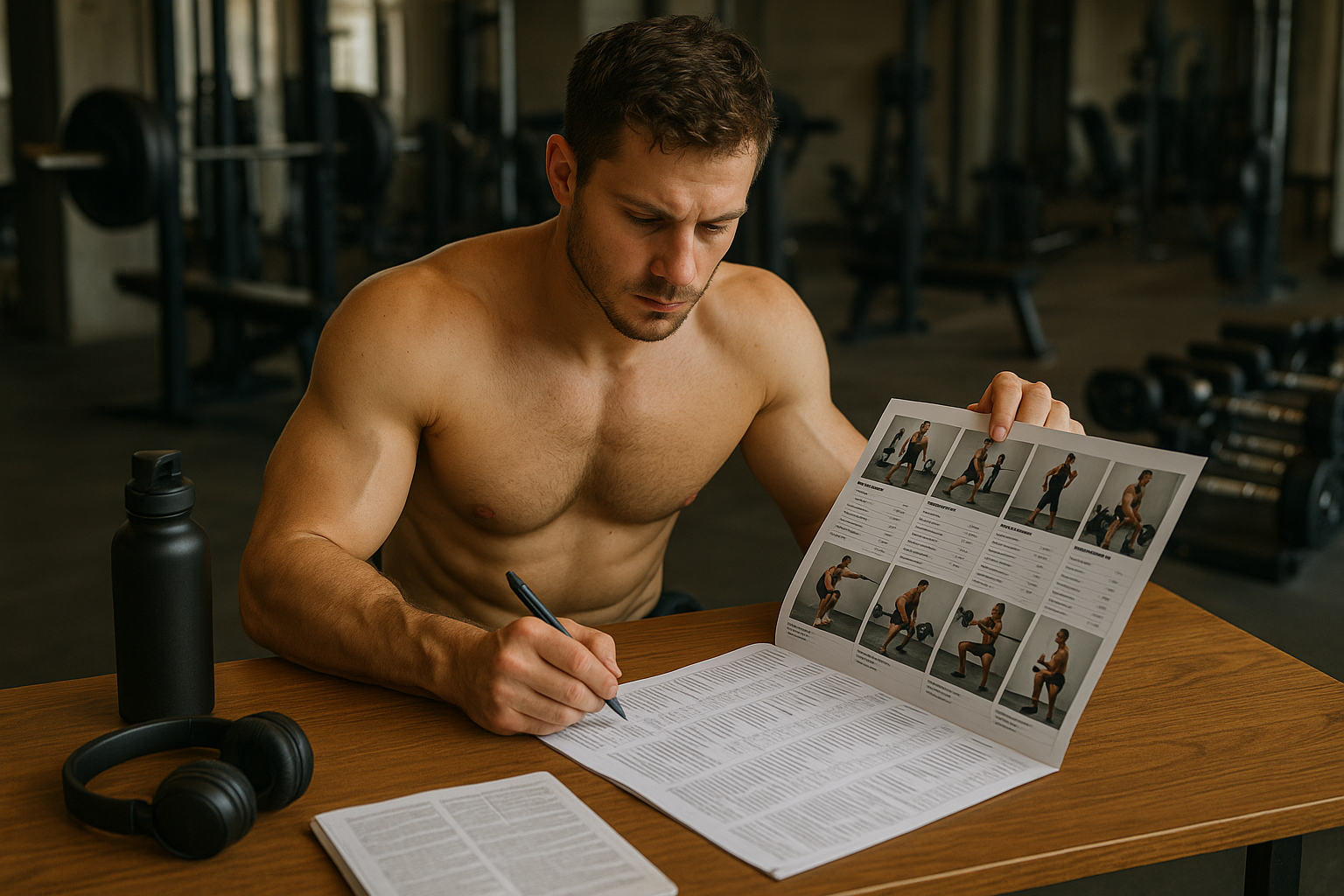


In the quest to lose weight and feel great, many people find themselves searching for that perfect balance between diet and exercise. It's a universal goal, and achieving it often requires a well-rounded approach that integrates both physical activity and lifestyle changes. While traditional training methods focus heavily on calorie burning through intense workouts, a new paradigm is emerging—ergonomic training. This approach not only supports weight loss but also enhances posture and joint health, making it an ideal choice for people from all walks of life, including those who spend long hours at a desk or have musculoskeletal concerns.
Introducing ergonomic training for weight loss
Ergonomic training is designed to be accessible and beneficial for everyone. Unlike conventional workout routines that might strain your body, ergonomic training emphasizes exercises that align with your body's natural movements. This focus on posture and joint health ensures that your workouts are not only effective but also sustainable in the long term. By incorporating ergonomic principles, this method helps reduce the risk of injury and discomfort, making it particularly suitable for individuals who are new to exercise or have existing physical limitations.
The importance of a holistic approach to weight loss
To effectively lose weight, it's essential to adopt a holistic approach that combines a calorie deficit with a structured exercise regimen. Leading health authorities emphasize the importance of this dual strategy. By consuming fewer calories than you burn and engaging in regular physical activity, you create the conditions necessary for weight loss. Ergonomic training fits seamlessly into this framework by offering exercises that are both calorie-burning and supportive of overall health. This approach not only helps you shed pounds but also improves your posture, reduces pain, and enhances your overall quality of life.
As you embark on your weight loss journey, consider the benefits of ergonomic training. It offers a balanced, sustainable path to achieving your fitness goals while ensuring that your body remains healthy and pain-free. In the following sections, we'll delve deeper into how you can incorporate ergonomic principles into your training routine and explore specific exercises that can help you achieve your weight loss objectives without compromising on comfort or safety.

Men's Posture Shirt™ - Black
Patented shirt stimulates muscles, can relieve pain, and improves posture while active or sitting.
Understanding the calorie deficit and exercise synergy
At the heart of any successful weight loss strategy is the concept of a calorie deficit—burning more calories than you consume. This principle is fundamental, yet it requires a strategic approach to be effective. According to the Mayo Clinic, reducing your daily intake by 500 to 750 calories, combined with increased physical activity, can lead to a healthy and sustainable weight loss of about 0.5 to 1 kilogram per week. This approach is not just about cutting calories but also about boosting your metabolism through exercise.
Exercise plays a pivotal role in creating a calorie deficit. It not only burns calories but also enhances metabolic rate, particularly when strength training is involved. By building muscle, you increase your body's resting energy expenditure, meaning you burn more calories even when you're not actively exercising. This makes the combination of a calorie deficit and regular exercise a powerful tool for weight loss.
Effective exercise recommendations for weight loss
When it comes to exercise, a balanced routine that includes both cardio and strength training is essential. Health experts recommend engaging in 150 to 300 minutes of moderate-intensity cardio each week, paired with at least two strength training sessions. This combination not only aids in weight loss but also supports cardiovascular health and muscle development.
To keep your routine engaging and effective, consider varying your workouts. For instance, you might alternate between running, cycling, or swimming for cardio, and incorporate exercises like squats, lunges, and push-ups for strength training. This variety not only prevents boredom but also challenges different muscle groups, enhancing overall fitness and weight loss results.
Weekly training schedules for optimal results
Creating a structured weekly training schedule can help you stay on track and achieve your weight loss goals. For example, you might follow a plan that includes three days of cardio, two days of strength training, and two rest or active recovery days. This approach allows for adequate recovery while maintaining a consistent exercise routine.
Incorporating ergonomic principles into your training schedule can further enhance your results. For instance, focus on maintaining proper posture during strength exercises to prevent injury and improve effectiveness. Ergonomic aids, such as posture shirts or supports, can be particularly beneficial for those with existing musculoskeletal concerns.
Ergonomic considerations for a healthier workout
Ergonomic training is not just about weight loss; it's about doing so safely and sustainably. By prioritizing posture and joint health, you can minimize the risk of injury and ensure that your workouts are both effective and enjoyable. This is especially important for individuals who spend long hours sitting or have a history of back or neck pain.
Simple adjustments, such as using ergonomic aids or modifying exercises to suit your body's needs, can make a significant difference. For example, if you experience discomfort during traditional squats, try using a stability ball for support or perform wall squats to reduce strain on your joints.
Incorporating ergonomic principles into your routine
To integrate ergonomic principles into your workout routine, start by focusing on exercises that support natural body movements. Pay attention to your form and alignment, and use ergonomic aids as needed. Gradually increase the intensity and complexity of your workouts to ensure continuous progress without overloading your body.
Ultimately, the goal of ergonomic training is to help you lose weight and feel great without compromising your health. By adopting a balanced approach that includes a calorie deficit, a mix of cardio and strength training, and ergonomic considerations, you can achieve sustainable weight loss and improve your overall well-being.

Women's Posture Shirt™ Zipper - Black
Patented shirt with zipper to improve posture, relieve pain, and support muscles gently.
Creating ergonomic training plans for weight loss
Designing an ergonomic training plan involves more than just selecting exercises; it requires a thoughtful approach that considers individual needs and limitations. A well-structured 4-week plan should seamlessly integrate cardio, strength, and flexibility exercises, all while focusing on maintaining proper posture and joint alignment. This ensures that your workouts are not only effective but also safe and sustainable.
Start with a balanced schedule that includes three days of moderate-intensity cardio, two days of strength training, and two days of flexibility exercises. For cardio, activities such as brisk walking, cycling, or swimming are excellent choices. During strength training, focus on exercises like squats, lunges, and push-ups, ensuring that each movement is performed with proper form to prevent injury. Flexibility exercises, such as yoga or Pilates, can help improve joint mobility and reduce muscle tension, further supporting your ergonomic training goals.
Special considerations for different needs
When tailoring ergonomic training plans, it's important to consider the unique needs of individuals with specific health concerns. For those with back or neck pain, modifications such as using a stability ball for support during exercises can alleviate pressure on the spine. Older adults may benefit from low-impact activities that minimize joint strain, like water aerobics or gentle stretching routines.
For individuals with sedentary lifestyles, incorporating short, frequent movement breaks throughout the day can help counteract the effects of prolonged sitting. Ergonomic aids, such as posture shirts or lumbar supports, can also play a crucial role in maintaining spinal alignment and reducing discomfort during workouts.
Frequently Asked Questions
Is cardio or strength training better for weight loss?
Both cardio and strength training are important for weight loss. While cardio helps burn calories and improve cardiovascular health, strength training boosts metabolism by building muscle, which supports long-term weight loss and posture.
How many minutes should I work out each week to lose weight?
Aim for 150–300 minutes of moderate-intensity cardio and at least two strength training sessions per week. This combination supports effective weight loss and overall health.
How can ergonomic aids support my weight loss training?
Ergonomic aids, such as posture shirts and supports, help maintain proper posture, reduce strain on joints, and enhance workout comfort and effectiveness, making your training sessions safer and more enjoyable.
What exercises are best for people with back pain?
Low-impact cardio and strength exercises that support core stability and joint alignment are ideal for those with back pain. Walking, swimming, and modified strength routines can help improve fitness without exacerbating pain.
Källor
- Healthline. "4-Week Workout Plan for Weight Loss."
- Healthline. "Best Full-Body Workouts for Weight Loss."
- Mayo Clinic. "Exercise for Weight Loss: Calories Burned in 1 Hour."
- Healthline. "Best Exercise for Weight Loss."
- Healthline. "Best Exercise to Lose Weight."
- Healthline. "Gym Routine for Fat Loss and Muscle Gain."
- Medical News Today. "Exercise Schedule for Weight Loss."
- Wiley Online Library. "Obesity Reviews: Exercise and Weight Loss."
- Basic-Fit. "How to Train for Weight Loss."
- WebMD. "Exercises for Weight Loss."
- Healthline. "Best Exercise for Weight Loss Video."
- PubMed. "Research on Exercise and Weight Loss."
- PMC. "Exercise and Weight Loss Study."
- Load Muscle. "Workout Plan for Weight Loss."
- Muscle & Strength. "Beginner Fat Loss Workout."