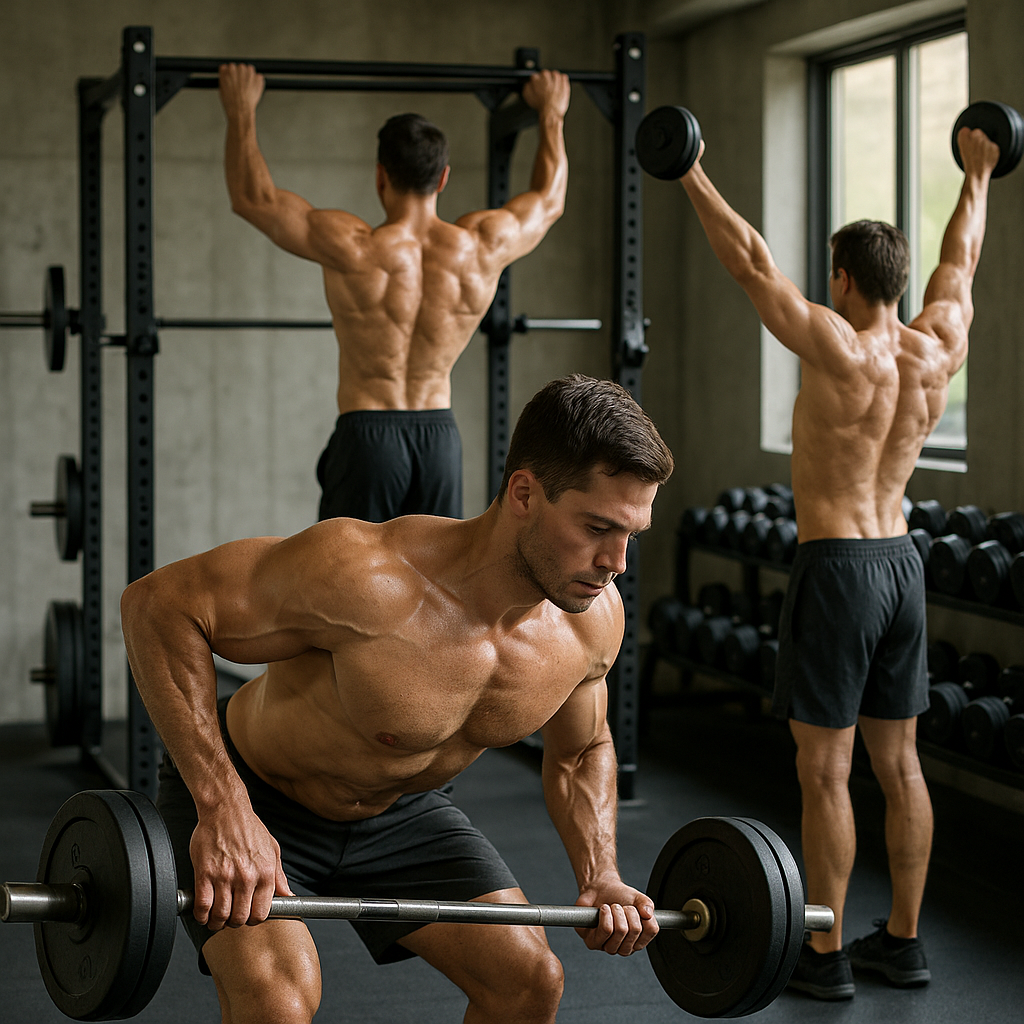
Shoulders are the quiet workhorses of everyday life. They help you reach overhead shelves, carry groceries, push a door open, hold a child, and keep your posture upright at a desk. In training, they’re just as essential: pressing, pulling, throwing, swimming, and even running all rely on stable, well-coordinated shoulder mechanics. When the shoulder complex isn’t doing its job, the body often compensates elsewhere, and that’s when irritation and performance plateaus tend to show up.
It’s also an area where small problems can feel surprisingly disruptive. Shoulder pain can make sleep uncomfortable, limit range of motion, and turn simple movements into something you “think about” instead of just doing. Common culprits include rotator cuff irritation, overuse from repetitive lifting, and posture-related strain where the shoulder blades sit forward and upward for hours at a time. Over time, that position can make it harder for the shoulder blade to rotate and glide smoothly, which may contribute to pinching sensations during overhead work.

Men's Posture Shirt™ - Black
Patented shirt that stimulates muscles and can relieve neck, back, and shoulder pain.
The good news: the right shoulder exercises can do more than “strengthen the shoulder.” Targeted work can improve how the shoulder blade moves, build capacity in the rotator cuff, and reinforce the muscles that keep the joint centered and stable. That matters whether your goal is getting back to pain-free daily movement, preventing setbacks, or adding strength for sport and gym performance.
Why evidence-based shoulder training matters
There’s no shortage of shoulder routines online, but not all exercises are equally effective for the muscles that most people actually need to wake up. Evidence-based programming helps cut through the noise by focusing on movements that reliably activate key stabilizers like the serratus anterior, mid/lower trapezius, and the rotator cuff. One tool researchers use is EMG (electromyography), which measures muscle activation during specific exercises. While EMG isn’t the only factor that matters, it’s a practical way to compare variations and choose options that encourage better shoulder mechanics rather than reinforcing compensation patterns.
That’s especially important because shoulder training often needs a dual purpose: rehabilitation and performance. A desk worker dealing with tightness and aching may need low-irritation, control-focused drills. An athlete may need progressions that build strength and resilience under load without letting the upper trapezius dominate every rep. The most useful approach blends both: start with control and positioning, then progress toward strength.
What you’ll get from this guide
Next, we’ll break down the most effective shoulder exercises highlighted in EMG-driven recommendations, including push-up variations for serratus anterior activation, scapular stabilizer work that targets the mid/lower traps, and rotator cuff staples like side-lying external rotation. You’ll also see how to progress these movements in a practical, phased way so your shoulders feel better and perform better.
EMG-driven shoulder exercises: what the data helps you choose
EMG (electromyography) is a method researchers use to estimate how hard a muscle is working during a specific movement. Sensors placed on the skin pick up electrical activity, which is often reported as a percentage of a muscle’s maximum voluntary contraction (MVIC). In practice, EMG doesn’t tell you whether an exercise is “best” for everyone, but it does help identify patterns: which variations reliably light up key stabilizers, and which ones tend to encourage compensation (often the upper trapezius taking over when the serratus anterior and lower trapezius should be doing more).
For many people with cranky shoulders, the goal isn’t just bigger delts. It’s better scapular control: the shoulder blade should glide, tilt, and rotate upward smoothly so the ball-and-socket joint stays centered as your arm moves overhead.
Push-up variations for serratus anterior activation
If you only add one movement for shoulder blade control, make it the push-up plus. The “plus” is the extra reach at the top: after you straighten your elbows, you push the floor away a little more so the shoulder blades wrap forward around the ribcage. EMG research consistently places this variation among the strongest options for serratus anterior activation while keeping the upper trapezius from dominating.
- How to do it: Hands under shoulders, ribs stacked over pelvis. Lower with control, press up, then add the plus by reaching the upper back toward the ceiling without shrugging.
- Best regression: Knee push-up plus if full plank irritates the shoulder or you can’t keep the neck relaxed.
- Progression: Elevate feet or add an unstable surface (like hands on a stability device) once you can keep the “plus” clean. Unstable options can increase overall demand, but quality matters more than wobble.
Scapular stabilizer work that targets mid/lower traps
When posture and desk work pull the shoulders forward, the mid and lower trapezius often lose influence. That’s a problem because these fibers help control upward rotation and posterior tilt of the scapula, which supports comfortable overhead motion.
- Prone Y with upward rotation: Lying face down (on a bench or the floor), lift the arms in a Y shape (thumbs up) while keeping the shoulder blades moving down and around the ribcage, not up toward the ears. This variation is frequently highlighted for strong mid/lower trapezius involvement and favorable scapular mechanics.
- Prone trap activation (trap raise style): Similar setup, but focus on initiating the lift by gently setting the shoulder blade first, then raising the arm. Keep the neck long and avoid arching the low back to “fake” range.
Programming tip: these drills work best with lighter loads and slower tempo. Think control and positioning, not max weight.
Rotator cuff staple: side-lying external rotation
For the rotator cuff, side-lying external rotation is a standout because it strongly targets the infraspinatus and teres minor while minimizing the tendency to shrug. That makes it useful when you’re trying to restore balanced shoulder mechanics, especially if overhead work triggers irritation.
- Setup: Lie on your side with the working elbow tucked to your ribs (a small towel between elbow and side can help). Start with the forearm across your stomach.
- Execution: Rotate the forearm upward while keeping the elbow pinned and the shoulder relaxed. Stop before the shoulder rolls back.
- Loading: Start with very light weight and build volume first; the cuff responds well to consistent, submaximal work.
Rehabilitation and strengthening progressions that make sense
Shoulder exercises tend to work best when you progress from stable, closed-chain patterns (hand fixed on a wall/bench/floor) to more demanding open-chain loading (weights moving through space). Closed-chain drills can improve coordination and tolerance because the shoulder blade has a “reference point” to organize against.
Closed-chain options: wall slides and bench slides
Wall slides and bench slides are common in corrective programs because they can gradually increase activation in muscles like the anterior deltoid and trapezius while reinforcing upward rotation. A practical way to scale them is by changing the angle: wall (easier) to incline bench (harder) to floor-based variations (hardest), always prioritizing smooth scapular motion over range.
- Wall slide cue: Forearms on the wall, gently press into the wall as you slide up. Keep ribs down and avoid shrugging.
- Bench slide cue: Forearms on a bench, slide forward while keeping the shoulder blades rotating upward and the neck relaxed.
Note on age and capacity: older adults may feel these more in the front of the shoulder and less in the lower traps. That’s not a reason to avoid them, but it is a reason to use shorter ranges, slower tempo, and more rest as needed.
What current trends suggest for pain and performance
Recent rehab trends increasingly favor appropriately challenging, specific strengthening (rather than only low-load “band work”) for rotator cuff-related shoulder pain, as long as symptoms are monitored and progression is gradual. In other words: once you can control the basics, building real strength and endurance often helps the shoulder tolerate real life.
Up next, we’ll turn these exercises into a simple phased plan you can follow, with practical tips for desk workers and athletes so the improvements carry over beyond the gym.
How to build a shoulder exercise routine that actually sticks
The most effective shoulder exercises are the ones you can perform consistently with good form. Instead of chasing a long list of movements, build a small routine that matches your goal (pain relief, posture support, strength, or sport performance) and your current tolerance. A useful rule: prioritize quality scapular motion first, then add load and complexity.
Start by choosing one serratus-focused drill (like push-up plus), one mid/lower trap drill (like prone Y or trap raise), and one rotator cuff drill (like side-lying external rotation). From there, progress by changing leverage (wall to bench to floor), adding reps, slowing tempo, or gradually increasing resistance. If your shoulder feels worse during or after training (especially sharp pain, night pain spikes, or increasing loss of range), scale back and consider professional assessment.
Simple programming templates for desk workers and athletes
You don’t need separate shoulder exercises for “rehab” and “performance” as long as you scale intensity appropriately. What changes is the dosage and how you integrate the work into your week.
- Desk worker template (10–12 minutes, 3–5 days/week): wall slides (2–3 sets), push-up plus (2–3 sets), side-lying external rotation (2–3 sets). Keep reps moderate and stop 1–2 reps before form breaks.
- Strength training add-on (2–3 days/week after lifting): push-up plus or bench version (3 sets), prone Y or trap raise (3 sets), side-lying external rotation (3 sets). Use slower tempo on the prone and cuff work.
- Overhead athlete focus (2–4 days/week depending on season): keep the same base, but progress the serratus and scapular work toward more demanding angles (incline to floor) while keeping the rotator cuff work consistent for endurance.
For most people, the “sweet spot” is enough volume to build endurance in stabilizers without turning every session into a max-effort shoulder day. The shoulder complex responds well to frequent, controlled practice.
Ergonomics and lifestyle habits that support shoulder exercises
Shoulder training works faster when your day-to-day setup stops undoing your progress. If you spend hours with the shoulders drifting forward and the head creeping toward the screen, the scapular muscles you’re trying to strengthen have to fight an uphill battle.
- Screen and keyboard position: keep the screen at eye level and the keyboard close so you’re not reaching forward all day.
- Arm support: use armrests or a desk setup that lets the forearms rest lightly, reducing constant shoulder elevation.
- Micro-breaks: every 30–60 minutes, stand up, take a few deep breaths, and do 5–8 slow scapular retractions or a short wall slide set.
- Sleep and recovery: if side-sleeping irritates the shoulder, hug a pillow to keep the arm supported and reduce strain.
These changes don’t replace shoulder exercises, but they reduce the background irritation that can make progress feel slow.

Women's Posture Shirt™ - Black
Patented posture shirt for women that can relieve pain and activate back and shoulder muscles.
Frequently Asked Questions
What are the best shoulder exercises for shoulder pain relief?
For many people, pain relief improves when shoulder exercises restore scapular control and rotator cuff capacity. Practical starting points include push-up plus (serratus anterior activation and better shoulder blade mechanics), side-lying external rotation (infraspinatus and teres minor focus with less shrugging), and wall slides (closed-chain control for upward rotation). Choose variations that feel controlled and non-sharp, and progress gradually.
How often should I perform shoulder exercises?
For general maintenance and posture support, 2–3 sessions per week is often enough. For rehabilitation or recurring irritation, many people do better with shorter sessions 3–5 days per week using lighter loads and strict form. Consistency matters more than intensity early on.
Can shoulder exercises prevent injuries?
They can reduce risk by improving how the shoulder blade and rotator cuff stabilize the joint during lifting, throwing, and overhead work. When the serratus anterior and mid/lower trapezius contribute appropriately, the upper trapezius is less likely to dominate, and the shoulder tends to move with better alignment under load.
Are these shoulder exercises suitable for all ages?
Yes, with smart scaling. Older adults may need shorter ranges of motion, slower tempo, and more rest, especially on slides and overhead angles. The goal is smooth, repeatable reps without compensations like shrugging or arching the lower back.
What equipment is needed for these shoulder exercises?
You can cover most needs with minimal equipment: a wall or bench for slides, a light dumbbell for side-lying external rotation, and optionally a resistance band for added load. Unstable surfaces can be used as a progression, but they’re not required to get results.
Källor
- Therapeutic Exercise for the Shoulder. Physio-pedia.
- Mass General Strength Training for the Shoulder. Massachusetts General Hospital.
- Exercises for Healthy Joints: Exercises for the Shoulders. Arthritis UK.
- Top Shoulder Mobility Exercises for Recovery. Elevate Orthopedics.
- Rehabilitation for Shoulder Problems. OrthoInfo.
- Home Exercises for the Unstable Shoulder. University of Washington Orthopaedics and Sports Medicine.
- Shoulder Exercises for Frozen Shoulder. Mayo Clinic.
- Shoulder and Elbow Guidelines. Vanderbilt University Medical Center.