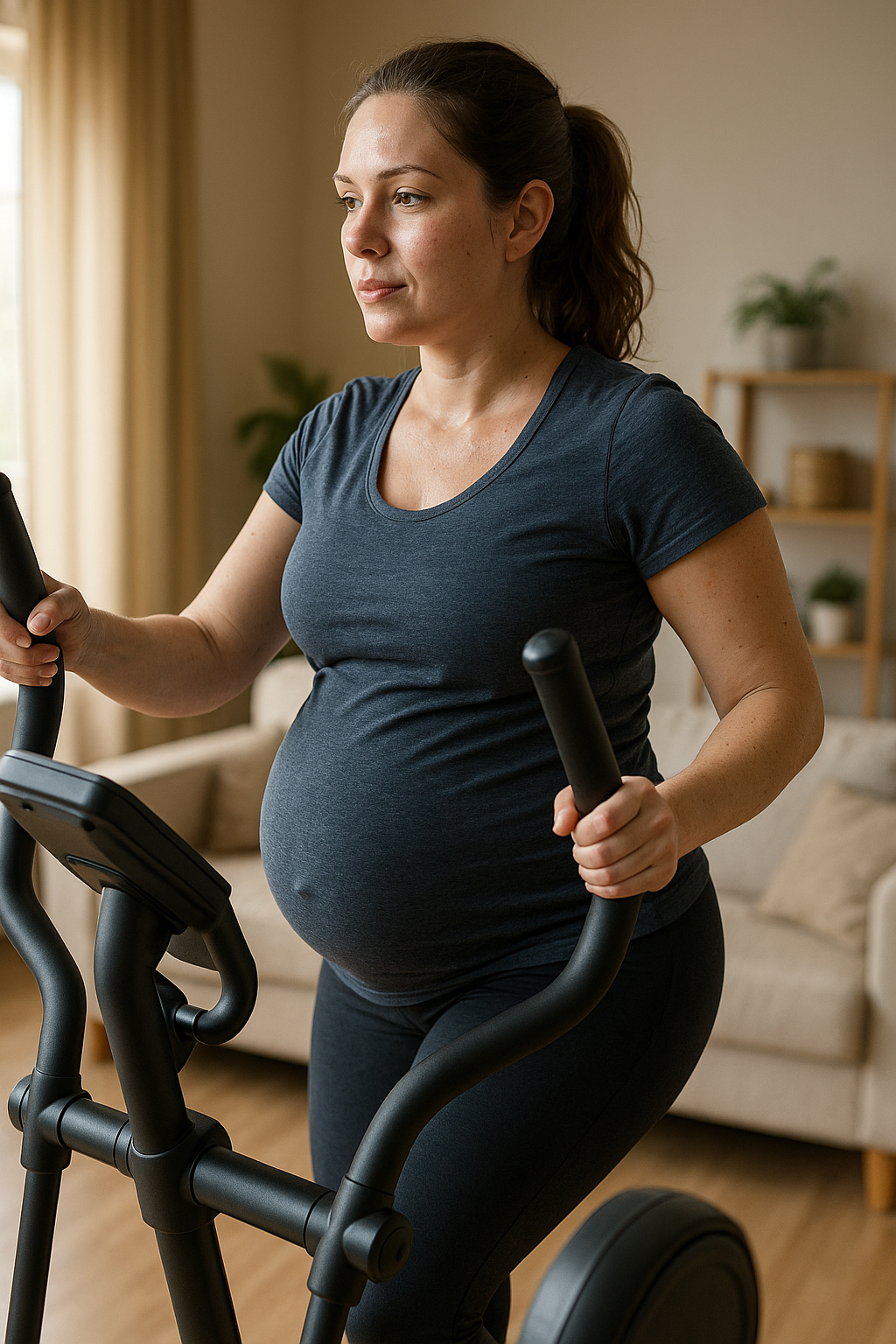
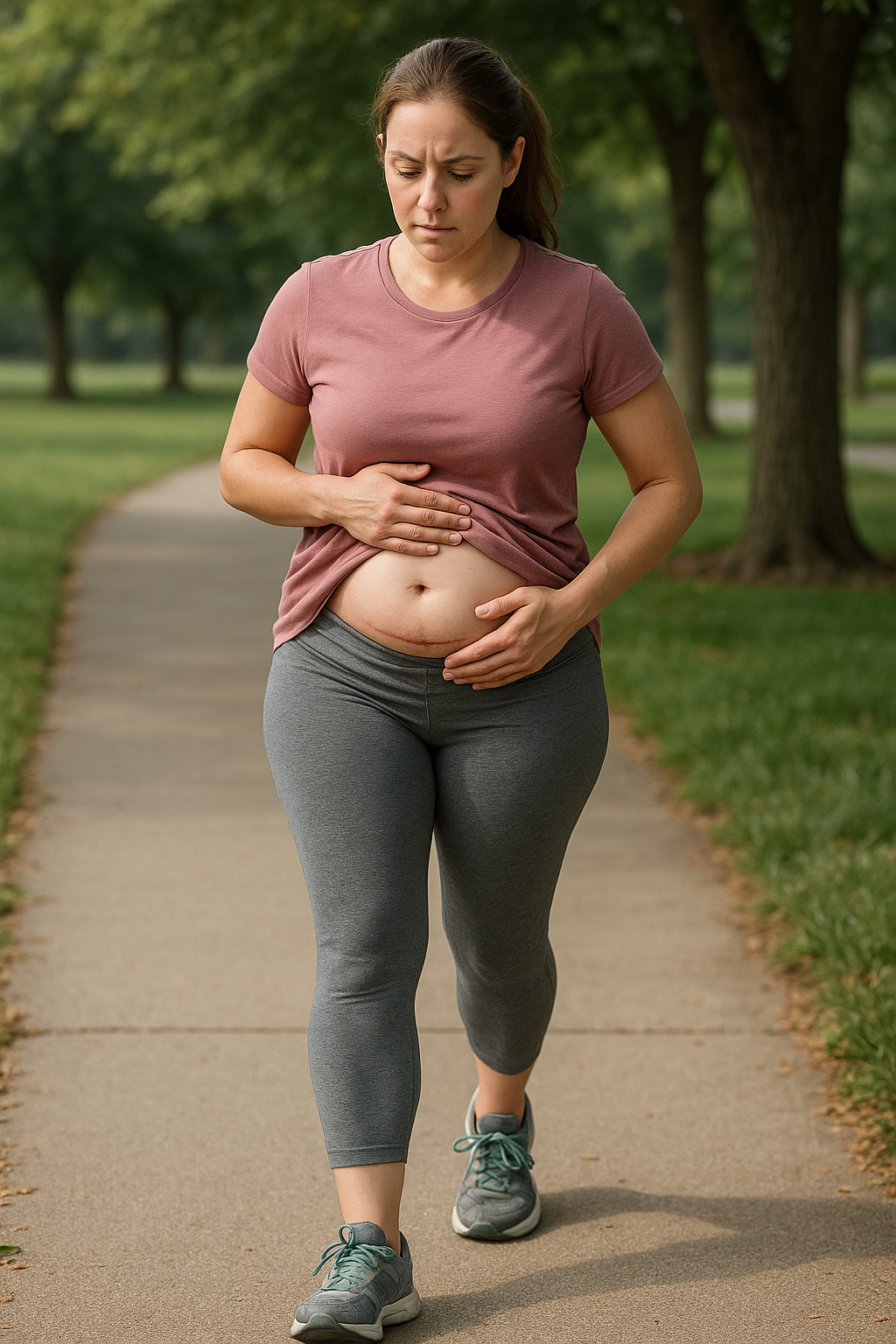
Staying active during pregnancy is more than just a trend; it's a crucial component of maintaining overall health and well-being for both the expecting mother and the baby. Engaging in regular fitness activities can lead to numerous benefits such as improved mood, reduced discomfort, and better sleep. However, as the body undergoes significant changes during pregnancy, it's essential to focus on safety and adapt exercises to suit these changes.
Understanding the importance of fitness during pregnancy
The journey of pregnancy is a transformative experience, and maintaining an active lifestyle can play a pivotal role in enhancing this journey. Regular exercise during pregnancy can help alleviate common discomforts such as back pain and fatigue, and it can also boost energy levels. Furthermore, staying active can promote better sleep patterns, which are often disrupted during pregnancy. By keeping the body moving, pregnant women can also improve their mood, thanks to the endorphins released during physical activity.
Safety, however, is paramount when it comes to pregnancy fitness. It is vital to adapt exercises to accommodate the body's changing needs and to ensure that movements are safe for both the mother and the developing baby. This often involves modifying existing routines and choosing activities that are gentle on the body.
Addressing common concerns
One of the most frequent questions expecting mothers have is whether it is safe to exercise during pregnancy. The answer is generally yes, but with certain precautions. Most healthcare professionals recommend that pregnant women engage in at least 150 minutes of moderate-intensity aerobic activity per week, provided there are no medical complications. This can be broken down into manageable sessions throughout the week, allowing for flexibility and consistency.
Another common concern is the type of exercises that are suitable during pregnancy. Activities like walking, swimming, and low-impact aerobics are often recommended due to their low risk of injury and their ability to be easily adjusted as pregnancy progresses. It's important for pregnant women to listen to their bodies and avoid exercises that cause discomfort or pain.
By understanding the importance of fitness during pregnancy and addressing common concerns, expecting mothers can confidently incorporate exercise into their routines, ensuring a healthier and more comfortable experience for themselves and their babies. As we delve deeper into this topic, we'll explore recommended exercise guidelines and suitable activities that prioritize safety and well-being.
Recommended exercise guidelines for pregnant women
For expecting moms, maintaining an active lifestyle is not only beneficial but also recommended by health authorities. The general guideline suggests that healthy pregnant women aim for at least 150 minutes of moderate-intensity aerobic activity each week. This can be broken down into 30-minute sessions over five days or shorter, more frequent sessions, making it manageable and adaptable to different schedules.
When embarking on a fitness journey during pregnancy, it's crucial to start slowly and gradually increase the intensity of workouts. The "talk test" is a practical way to gauge the appropriate level of exertion: you should be able to maintain a conversation while exercising. This ensures that the activity remains moderate and doesn't overstrain the body, which is essential for both maternal and fetal health.
Suitable exercises for pregnant women
Finding the right exercises is key to staying fit while pregnant. Aerobic activities such as walking, swimming, and stationary cycling are excellent choices due to their low-impact nature. These activities not only support cardiovascular health but also reduce the risk of injury and can be easily adjusted as pregnancy progresses.
Incorporating strength and flexibility exercises is equally important. Modified yoga and Pilates can improve core strength and flexibility, while light resistance training helps maintain muscle tone. Pelvic-floor exercises are particularly beneficial for pregnant women, as they prepare the body for childbirth and aid in postpartum recovery.
Practical tips for a safe workout include starting with a warm-up to prepare the body, staying hydrated throughout the session, and finishing with a cool-down to gradually bring the heart rate back to normal. Wearing comfortable, non-restrictive clothing also enhances the overall exercise experience.

Women's Posture Shirt™ - Black
Supports and improves posture, reduces pain, and enhances muscle activation.
Exercises to approach with caution or avoid
While staying active is encouraged, certain activities should be approached with caution or avoided altogether during pregnancy. High-risk activities such as contact sports, scuba diving, and exercises with a high fall risk, like skiing or horseback riding, should be avoided to prevent injury. Additionally, hot yoga and exercises that involve lying flat on the back for extended periods, especially after the first trimester, should be avoided due to potential risks to both mother and baby.
Adapting exercise by pregnancy stage
As pregnancy progresses, adapting exercises to each stage is vital for safety and comfort. In the first trimester, the focus should be on managing fatigue and maintaining familiar activities. The second trimester is an ideal time to modify exercises that demand balance and to avoid prolonged periods lying on the back. During the third trimester, prioritizing stability and comfort becomes essential, and it may be necessary to reduce the intensity of workouts as the due date approaches.
By following these guidelines, pregnant women can enjoy the benefits of staying active while ensuring their safety and well-being. Tailoring exercise routines to suit individual needs and stages of pregnancy not only supports physical health but also contributes to a more enjoyable and comfortable pregnancy experience.
Recognizing warning signs and seeking medical advice
While exercise is generally safe and beneficial during pregnancy, it's crucial to be aware of warning signs that may indicate the need to stop and seek medical advice. If you experience symptoms such as vaginal bleeding, dizziness, severe shortness of breath, chest pain, or regular painful contractions, it is important to pause your activity immediately and consult with a healthcare provider. Other signs include leakage of amniotic fluid, feeling faint or unwell, and experiencing abdominal pain. Listening to your body and prioritizing safety is key to a healthy pregnancy fitness routine.
Ergonomic and comfort guidance
Ensuring comfort and ergonomics during exercise can significantly enhance the experience for expecting moms. Proper footwear is essential, as supportive shoes can help maintain balance and reduce strain on joints. Opt for non-restrictive clothing that allows for ease of movement and accommodates a growing belly. Additionally, choose exercise environments with stable surfaces and controlled temperatures to prevent overheating. Incorporating ergonomic adjustments into daily activities, such as using support when sitting or standing, can also reduce physical strain.

Lumbar support belt
Supports and stabilises the lower back, ideal for pain relief and comfort.
Beginner-friendly weekly activity plan
For those new to exercise or looking to maintain a routine during pregnancy, a beginner-friendly weekly activity plan can offer structure and motivation. Here's a sample schedule to consider:
- Monday: 20–30 minutes of walking, focusing on maintaining a steady pace.
- Tuesday: Gentle mobility and pelvic-floor exercises to enhance flexibility and support core strength.
- Wednesday: Swimming or water exercise, which provides low-impact resistance and supports the body.
- Thursday: Rest or light walking to allow for recovery and maintain activity levels.
- Friday: Modified strength training using light weights or resistance bands.
- Saturday: Walking or pregnancy-adapted yoga to promote relaxation and flexibility.
- Sunday: Rest and gentle stretching to prepare for the upcoming week.
Frequently asked questions
How can I tell if I'm exercising too hard?
If you're unable to maintain a conversation while exercising, it may indicate that you're pushing too hard. Use the "talk test" to ensure your activity level remains moderate. It's important to listen to your body and adjust intensity as needed.
Are there specific exercises for reducing back pain?
Yes, exercises such as pelvic tilts, cat-cow stretches, and prenatal yoga can help alleviate back pain by strengthening the core and improving flexibility. Always focus on maintaining proper posture and alignment during these exercises.
What should I do if I feel dizzy or unwell during exercise?
If you experience dizziness or feel unwell, stop exercising immediately and rest. Ensure you are hydrated and have eaten adequately before your workout. If symptoms persist, consult with your healthcare provider.
Can I continue with my pre-pregnancy workout routine?
In many cases, you can continue with your pre-pregnancy routine with modifications for safety and comfort. It's essential to consult with your healthcare provider to tailor the routine to your current needs and avoid high-risk activities.
How can I stay motivated to exercise throughout pregnancy?
Setting realistic goals, finding activities you enjoy, and exercising with a partner or group can boost motivation. Remember to celebrate small milestones and focus on the positive impact exercise has on your well-being and pregnancy experience.
By following these guidelines and incorporating safe, enjoyable activities into your routine, expecting moms can stay active and healthy throughout their pregnancy journey.
Källor
- American College of Obstetricians and Gynecologists. (2020). "Physical Activity and Exercise During Pregnancy and the Postpartum Period."
- Mayo Clinic Health System. "Exercise During Pregnancy."
- American College of Obstetricians and Gynecologists. "Exercise During Pregnancy FAQs."
- Cleveland Clinic. "Pregnancy-Safe Workouts."
- National Center for Biotechnology Information. "Exercise During Pregnancy."
- NHS. "Exercise in Pregnancy."
- WebMD. "Exercise During Pregnancy."
- UC Davis Health. "Is Exercise Safe During Pregnancy?"
- Mayo Clinic. "Pregnancy Exercises: Keep Fit and Healthy."
- Centers for Disease Control and Prevention. "Physical Activity Guidelines for Pregnant and Postpartum Women."
- Hospital for Special Surgery. "Exercise During Pregnancy."