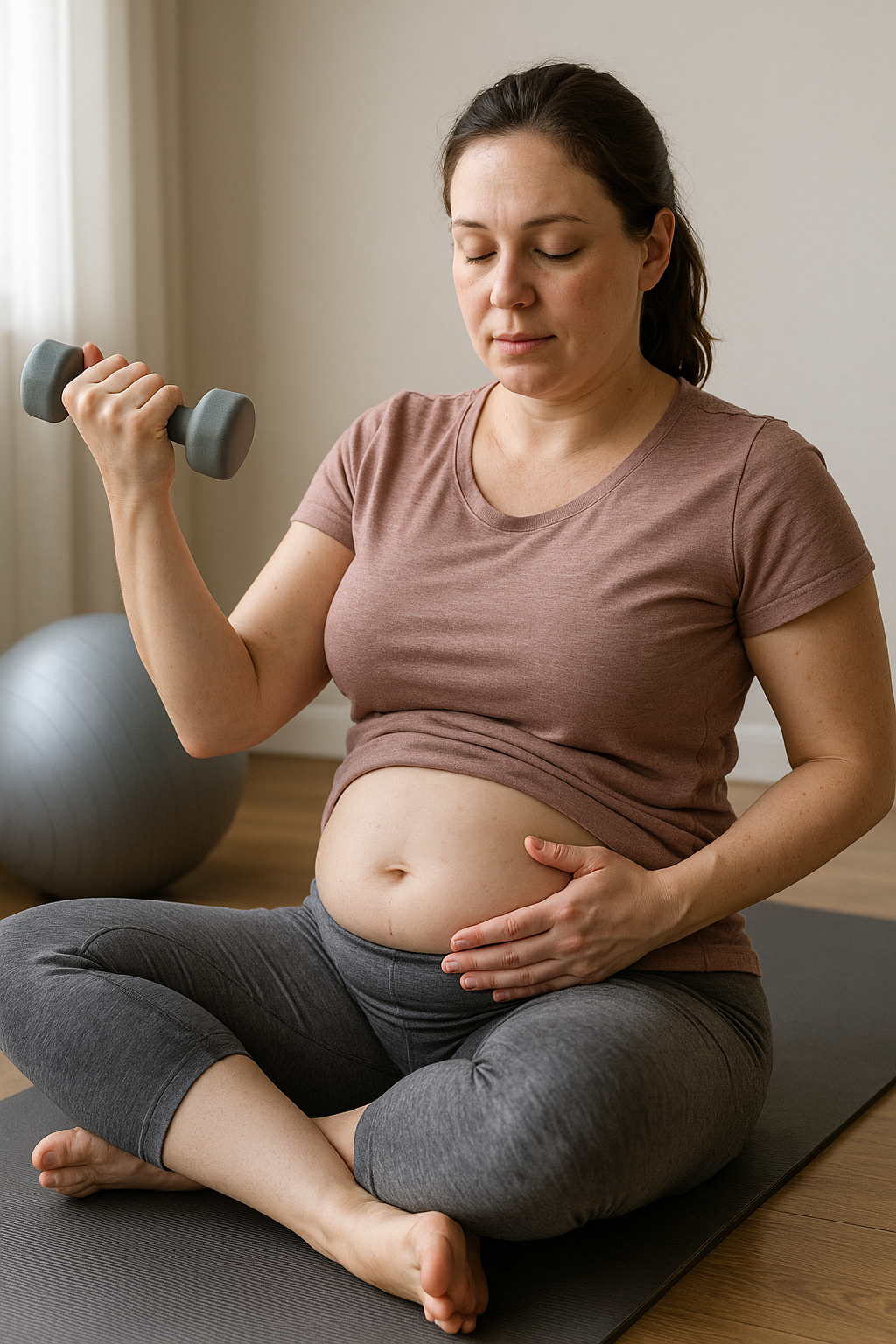
Staying active during pregnancy is not only possible but highly beneficial for both the mother and the baby. Engaging in regular fitness activities can lead to improved mood, better sleep, and a reduction in common pregnancy-related discomforts such as back pain and swelling. As a result, many expecting mothers are increasingly interested in maintaining a fitness routine throughout their pregnancy.
importance of staying active during pregnancy
Fitness for pregnant women is a topic that has gained significant attention and for good reason. Regular exercise during pregnancy can enhance overall well-being and prepare the body for labor and delivery. It helps in maintaining a healthy weight, reducing the risk of gestational diabetes, and improving cardiovascular health. Beyond the physical benefits, exercise can also boost mental health by reducing stress and anxiety, which are common during pregnancy.
safety first: consulting healthcare professionals
While the benefits are clear, safety remains a top priority when it comes to fitness for pregnant women. It is crucial to consult with healthcare providers before embarking on or modifying any fitness regimen during pregnancy. Each pregnancy is unique, and what works for one person might not be suitable for another. A healthcare provider can offer personalized advice, ensuring that the exercise routine is safe for both the mother and the developing baby.
adapting to bodily changes
Pregnancy brings about significant changes in a woman's body, necessitating adjustments in physical activities. As the pregnancy progresses, the body's center of gravity shifts, and joints become more relaxed due to hormonal changes. This can affect balance and increase the risk of injury. Therefore, it is important to modify exercises to accommodate these changes. Low-impact activities such as walking, swimming, and prenatal yoga are often recommended as they are gentle on the body while still providing excellent health benefits.
Understanding the nuances of fitness for pregnant women is essential for ensuring a healthy and active pregnancy. By staying informed and working closely with healthcare providers, expecting mothers can enjoy the advantages of exercise while keeping themselves and their babies safe.

Women's Posture Shirt™ - Black
Improves posture and can relieve pain/tension; medical-grade, ideal for work, training & leisure.
recommended exercise guidelines for pregnant women
Staying active during pregnancy is crucial, and health organizations such as the American College of Obstetricians and Gynecologists (ACOG) and the NHS recommend that pregnant women aim for at least 150 minutes of moderate-intensity exercise per week. This can be broken down into manageable sessions, such as 30 minutes a day, five days a week, or even shorter intervals spread throughout the week. The key is to maintain consistency without overexertion.
An effective way to monitor exercise intensity is through the "conversation test." This simple method involves ensuring that you can hold a conversation during your workout, but not sing. This level of exertion typically indicates a moderate intensity, which is suitable for most expecting mothers.
suitable exercise forms for expecting mothers
When it comes to fitness for pregnant women, low-impact activities are highly recommended. Walking is an excellent choice as it helps maintain cardiovascular health without putting excessive strain on the joints. Swimming and water aerobics are also beneficial as they offer full-body workouts with minimal risk of injury due to the buoyancy of water.
Stationary cycling is another safe option, providing a good cardiovascular workout while minimizing the risk of falls. Prenatal yoga and Pilates are particularly advantageous as they focus on improving flexibility, balance, and core strength, all of which are essential during pregnancy.
benefits of strength training during pregnancy
Incorporating light to moderate strength training into your routine can offer numerous benefits, such as improved muscle tone and endurance, which are vital for labor and delivery. It is important to use proper form and avoid heavy weights to prevent injury. Exercises that focus on the arms, back, and pelvic floor can be particularly beneficial.
Strength training not only aids in muscle maintenance but also supports joint health and helps alleviate common pregnancy-related pains, such as lower back discomfort. Always ensure that any strength training routine is approved by a healthcare provider, especially if you are new to this type of exercise.

Lumbar support belt
Lower back belt for pain relief and stabilization; adjustable support for daily comfort.
benefits of exercising during pregnancy
Engaging in regular physical activity during pregnancy offers a multitude of benefits that extend beyond physical health. Physically, exercise can help reduce back pain, decrease the risk of excessive weight gain, and improve energy levels. Emotionally, it can boost mood, reduce feelings of stress and anxiety, and enhance overall well-being.
Moreover, studies suggest that women who maintain a fitness routine during pregnancy may experience shorter labor and face fewer complications during delivery. This underscores the importance of staying active not only for immediate health benefits but also for a smoother birthing process.
In conclusion, maintaining a safe and effective fitness routine during pregnancy is highly beneficial for both the mother and the baby. By following recommended exercise guidelines, choosing suitable activities, and incorporating strength training, expecting mothers can enjoy a healthier, more comfortable pregnancy. Always prioritize safety by consulting with healthcare providers to tailor a fitness plan that best suits individual needs and circumstances.
safety considerations for exercising during pregnancy
When engaging in fitness for pregnant women, safety should always be the top priority. If you're new to exercise, it's essential to start slowly and gradually increase intensity to avoid unnecessary strain. This approach helps your body adapt to the new routine without causing stress or injury.
Hydration is another critical factor. Pregnant women should ensure they drink plenty of water before, during, and after workouts to prevent dehydration, which can be harmful to both mother and baby. Similarly, avoiding overheating is crucial, as elevated body temperatures can pose risks during pregnancy. Exercise in a cool environment and wear breathable, comfortable clothing and supportive footwear to help regulate body temperature and prevent injuries.
activities to avoid during pregnancy
While staying active is beneficial, certain activities should be avoided to ensure the safety of both mother and baby. High-risk exercises, such as contact sports, horseback riding, and skiing, pose a significant risk of falls or injuries and should be avoided. Additionally, exercises that involve lying flat on the back after the first trimester can affect blood flow and should be modified or replaced with safer alternatives.
Hot yoga and other activities that increase body temperature excessively should also be avoided. Instead, focus on safer, low-impact exercises that accommodate the changing body during pregnancy.
warning signs to stop exercising
It's crucial to listen to your body and be aware of any warning signs that may indicate the need to stop exercising and consult a healthcare provider. Symptoms such as vaginal bleeding, dizziness, severe headaches, or unusual shortness of breath warrant immediate attention. Other signs include chest pain, muscle weakness, and decreased fetal movement. If any of these symptoms occur, stop exercising immediately and seek medical advice.
frequently asked questions
Can I start exercising if I wasn't active before pregnancy?
Yes, it is possible to start exercising during pregnancy, even if you weren't active before. However, it's important to get medical clearance first. Begin with low-impact activities and gradually increase intensity as your body adapts.
How can I modify my routine as my pregnancy progresses?
As your pregnancy progresses, you may need to adjust the intensity and duration of your workouts. Focus on exercises that accommodate a growing belly, such as prenatal yoga or water aerobics, and avoid any movements that cause discomfort.
Is it safe to do abdominal exercises?
Yes, abdominal exercises can be safe with the right modifications. Avoid exercises that involve lying flat on your back and opt for movements that support the core without straining it, such as side planks or pelvic tilts.
What are the best exercises for reducing back pain?
Exercises like prenatal yoga, swimming, and gentle stretching can help alleviate back pain during pregnancy. These activities focus on strengthening the back and improving flexibility, providing relief from discomfort.
How can I stay motivated to exercise during pregnancy?
To stay motivated, set realistic goals and track your progress. Joining prenatal fitness classes can also provide a sense of community and encouragement. Remember to celebrate small milestones to maintain engagement and motivation throughout your pregnancy journey.
Kilder
- American College of Obstetricians and Gynecologists. (2020). "Physical Activity and Exercise During Pregnancy and the Postpartum Period."
- American College of Obstetricians and Gynecologists. (n.d.). "Exercise During Pregnancy."
- Mayo Clinic Health System. (n.d.). "Exercise During Pregnancy."
- Cleveland Clinic. (n.d.). "Pregnancy-Safe Workouts."
- WebMD. (n.d.). "Exercise During Pregnancy."
- National Center for Biotechnology Information. (n.d.). "Exercise and Pregnancy."
- Better Health Channel. (n.d.). "Pregnancy and Exercise."
- NHS. (n.d.). "Exercising in Pregnancy."
- Johns Hopkins Medicine. (n.d.). "Exercise During Pregnancy."
- Centers for Disease Control and Prevention. (n.d.). "Physical Activity Guidelines for Pregnant and Postpartum Women."