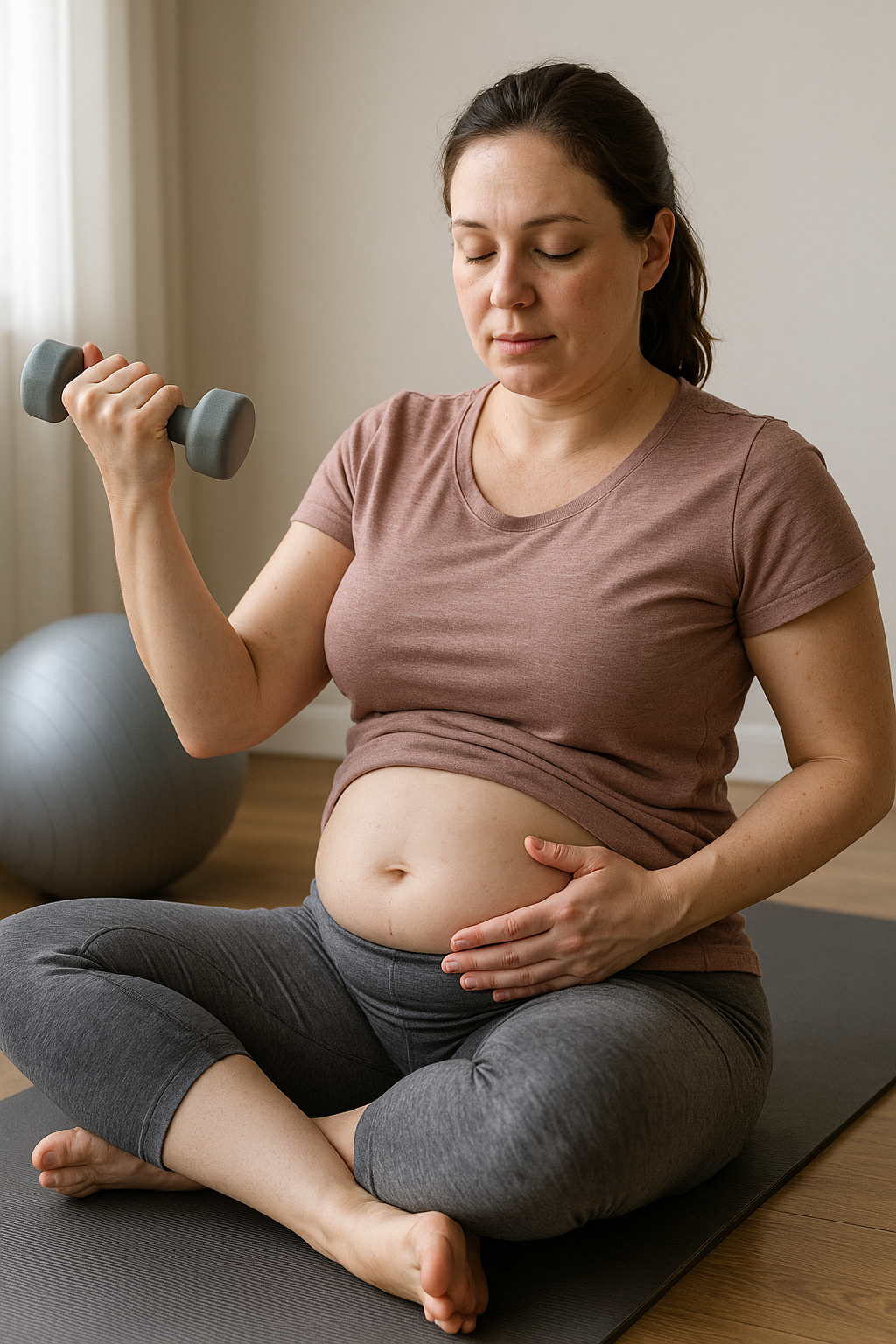
Staying active during pregnancy is a topic that often sparks curiosity and concern among expecting mothers. The good news is that fitness for pregnant women is not only safe for most but also highly beneficial. Engaging in regular physical activity can improve overall health and well-being, making the journey to motherhood smoother and more enjoyable. However, it's crucial to start with the right information and professional guidance.
Understanding fitness during pregnancy
When it comes to fitness during pregnancy, understanding the balance between activity and safety is key. For most women, maintaining a fitness routine is encouraged, but it's essential to consult healthcare professionals before embarking on any new exercise regimen. This ensures that the activities chosen are suitable for the individual's health status and pregnancy progression. Common concerns often revolve around the safety of exercise during pregnancy and the appropriate amount of activity. Rest assured, with the right precautions, exercise can be a safe and rewarding part of pregnancy.
The importance of staying active
Staying active during pregnancy offers a multitude of benefits that extend beyond physical health. Regular exercise can help alleviate common pregnancy discomforts such as back pain and constipation, while also reducing the risk of gestational diabetes and preeclampsia. Moreover, it contributes to better cardiovascular fitness, improved mood, and enhanced sleep quality. These benefits collectively prepare the body for labor and foster a quicker postpartum recovery.

Women's Posture Shirt™ - Black
Activates muscles, relieves tension, and improves posture—ideal for work, exercise, and leisure.
This blog post will guide you through essential aspects of fitness for pregnant women, including safety considerations, recommended activity levels, suitable exercises, trimester-specific advice, and recognizing warning signs. By the end, you will have a comprehensive understanding of how to maintain an active lifestyle safely during this transformative period. Remember, every pregnancy is unique, so it's vital to tailor your fitness routine to your personal needs and always listen to your body.
Is exercise safe during pregnancy?
One of the most pressing questions for expecting mothers is whether exercise is safe during pregnancy. According to authoritative sources like the American College of Obstetricians and Gynecologists (ACOG), the Centers for Disease Control and Prevention (CDC), and the National Health Service (NHS), moderate exercise is generally safe for most pregnant women. These organizations emphasize that engaging in physical activity does not increase the risks of miscarriage, low birth weight, or early delivery for those with uncomplicated pregnancies. However, it is crucial to create an individualized exercise plan, especially for women with certain health conditions or pregnancy complications, and to seek guidance from healthcare professionals.
Recommended activity levels for expecting mothers
For pregnant women, the Office on Women’s Health and the CDC recommend aiming for at least 150 minutes of moderate-intensity aerobic activity each week. This can be broken down into manageable sessions, such as 30 minutes on most days of the week. For beginners, a gradual progression is advised, starting with just five minutes per day and increasing by five minutes weekly until reaching a more sustained routine. This approach allows the body to adapt to the new demands of exercise while ensuring safety and comfort.
Benefits of exercise during pregnancy
Engaging in regular physical activity during pregnancy offers numerous benefits. It can significantly reduce common pregnancy-related discomforts such as back pain and constipation. Moreover, exercise lowers the risk of developing gestational diabetes and preeclampsia. Pregnant women who exercise often experience improved cardiovascular fitness, enhanced mood, better sleep quality, and a more efficient preparation for labor. Additionally, maintaining an active lifestyle may decrease the likelihood of requiring a caesarean birth.

Lumbar support belt
Adjustable back support to relieve and stabilize your lower back during daily activities.
Suitable exercises for pregnant women
Choosing the right exercises is essential for a safe and effective pregnancy fitness routine. Recommended activities include walking, swimming, stationary cycling, and low-impact aerobics. Prenatal yoga and Pilates are excellent choices, as they focus on flexibility, strength, and relaxation. When it comes to strength training, it is advisable to use light weights and concentrate on posture and balance. Pelvic-floor exercises are also beneficial, helping to support the body’s changes during pregnancy. It’s important to maintain a routine that feels comfortable and avoids overexertion.
As you continue your fitness journey during pregnancy, remember that every woman’s experience is unique. Tailor your exercise routine to suit your individual needs, and always consult with healthcare professionals to ensure that your activities are safe and beneficial for both you and your baby. By staying informed and attentive to your body’s signals, you can enjoy the many advantages that come with staying active during this remarkable time in your life.
Exercises and activities to avoid during pregnancy
While many exercises are safe and beneficial during pregnancy, some activities should be avoided to ensure the safety of both mother and baby. Contact sports like soccer or basketball, as well as activities with a high risk of falling, such as skiing or horseback riding, pose significant risks. Scuba diving and hot yoga are also discouraged due to potential complications with pressure changes and overheating, respectively. Additionally, after the 16-week mark, it's advisable to avoid prolonged periods of lying flat on the back, as this can affect circulation. Always ensure that your exercise environment is safe and comfortable to prevent unnecessary strain or injury.
Trimester-specific exercise advice
As your pregnancy progresses, your exercise routine may need adjustments to accommodate your changing body and energy levels. In the first trimester, it’s common to experience fatigue and nausea, so starting gently, especially if you were inactive before pregnancy, is key. The second trimester often brings improved energy, but balance may become an issue as your belly grows, so avoid exercises that require lying on your back. In the third trimester, focus on comfort and stability, incorporating low-impact movements and breathing exercises to prepare for labor. Always prioritize exercises that feel right for your body and consult with healthcare professionals when necessary.
Warning signs: when to stop exercising
Listening to your body is crucial during pregnancy, and recognizing warning signs can help prevent complications. Stop exercising immediately and seek medical attention if you experience symptoms such as vaginal bleeding, leaking amniotic fluid, dizziness, shortness of breath, chest pain, or severe headaches. Other signs include decreased fetal movement or any sudden pain. These symptoms could indicate a need for medical evaluation, and it’s important to consult your healthcare provider to ensure the safety of both you and your baby.
Advice for beginners and experienced exercisers
Whether you’re new to exercise or continuing a pre-pregnancy routine, adapting your fitness regimen is essential. Beginners should start with low-intensity activities, gradually increasing duration and intensity as their bodies adapt. Experienced exercisers can often continue with modified versions of their usual workouts, focusing on maintaining comfort and safety. Regardless of fitness level, staying active is beneficial, but it’s important to tailor your routine to your current condition and always consult healthcare professionals for personalized advice.
Sample routine for expecting mothers
For those seeking a gentle exercise routine, consider a 20-minute session that includes a warm-up, supported squats, wall push-ups, and side-stepping. Incorporate light resistance exercises and focus on pelvic-floor awareness. Finish with a cool-down to ensure your body transitions safely from exercise to rest. This routine can be adjusted based on personal comfort and energy levels, and it’s vital to listen to your body’s signals throughout.
Frequently Asked Questions
Can I exercise during pregnancy?
Yes, exercise is generally safe for most pregnant women and offers numerous benefits. However, it's important to consult with healthcare professionals to tailor a routine that suits your specific health needs.
How many minutes should I exercise while pregnant?
The recommendation is at least 150 minutes of moderate-intensity aerobic activity per week, which can be broken down into 30-minute sessions on most days.
Is walking safe during pregnancy?
Walking is a safe and effective exercise for pregnant women, offering cardiovascular benefits without the high impact on joints.
Can I run while pregnant?
If you were a runner before pregnancy and feel comfortable, you can continue running with modifications. Always listen to your body and consult your healthcare provider.
Can I lift weights while pregnant?
Yes, but it's advisable to use lighter weights and focus on proper form and balance. Avoid heavy lifting and seek guidance from a fitness professional if needed.
Which exercises should I avoid?
Avoid contact sports, activities with a high fall risk, scuba diving, and exercises that involve lying flat on your back after 16 weeks.
Can I exercise during the first trimester?
Yes, exercise during the first trimester is safe for most women. Start gently, especially if you were not active before pregnancy, and adjust your routine as needed.
Is it safe to exercise on my back while pregnant?
After 16 weeks, it is generally advised to avoid exercises that involve lying flat on your back, as this can affect circulation.
When should I stop exercising?
If you experience warning signs like vaginal bleeding, dizziness, or severe pain, stop exercising immediately and consult your healthcare provider.
Can exercise help with pregnancy back pain?
Yes, regular exercise can help alleviate back pain by strengthening muscles and improving posture. Focus on low-impact activities and consult with your healthcare provider for personalized recommendations.
Källor
- American College of Obstetricians and Gynecologists. (2020). "Physical Activity and Exercise During Pregnancy and the Postpartum Period."
- American College of Obstetricians and Gynecologists. (n.d.). "Exercise During Pregnancy."
- Mayo Clinic Staff. (n.d.). "Pregnancy Exercises: Keep Fit and Healthy."
- National Health Service. (n.d.). "Exercise in Pregnancy."
- Cleveland Clinic. (n.d.). "Pregnancy-Safe Workouts."
- Mayo Clinic Health System. (n.d.). "Exercise During Pregnancy: Safety, Benefits & Guidelines."
- National Center for Biotechnology Information. (n.d.). "Exercise During Pregnancy."
- Better Health Channel. (n.d.). "Pregnancy and Exercise."
- Public Library of Science. (2015). "Exercise During Pregnancy: A Review of Patterns and Determinants."
- UC Davis Health. (2025). "Is Exercise Safe During Pregnancy? Experts Share Which Activities to Do and Which You Should Avoid."
- Public Library of Science. (2022). "Exercise and Pregnancy: A Review of the Evidence."
- Public Library of Science. (n.d.). "The Impact of Physical Activity During Pregnancy on Health Outcomes."
- The Royal Women's Hospital. (n.d.). "Active Pregnancy."
- WebMD. (n.d.). "Exercise During Pregnancy."
- Public Library of Science. (2021). "Exercise in Pregnancy: Current Recommendations."