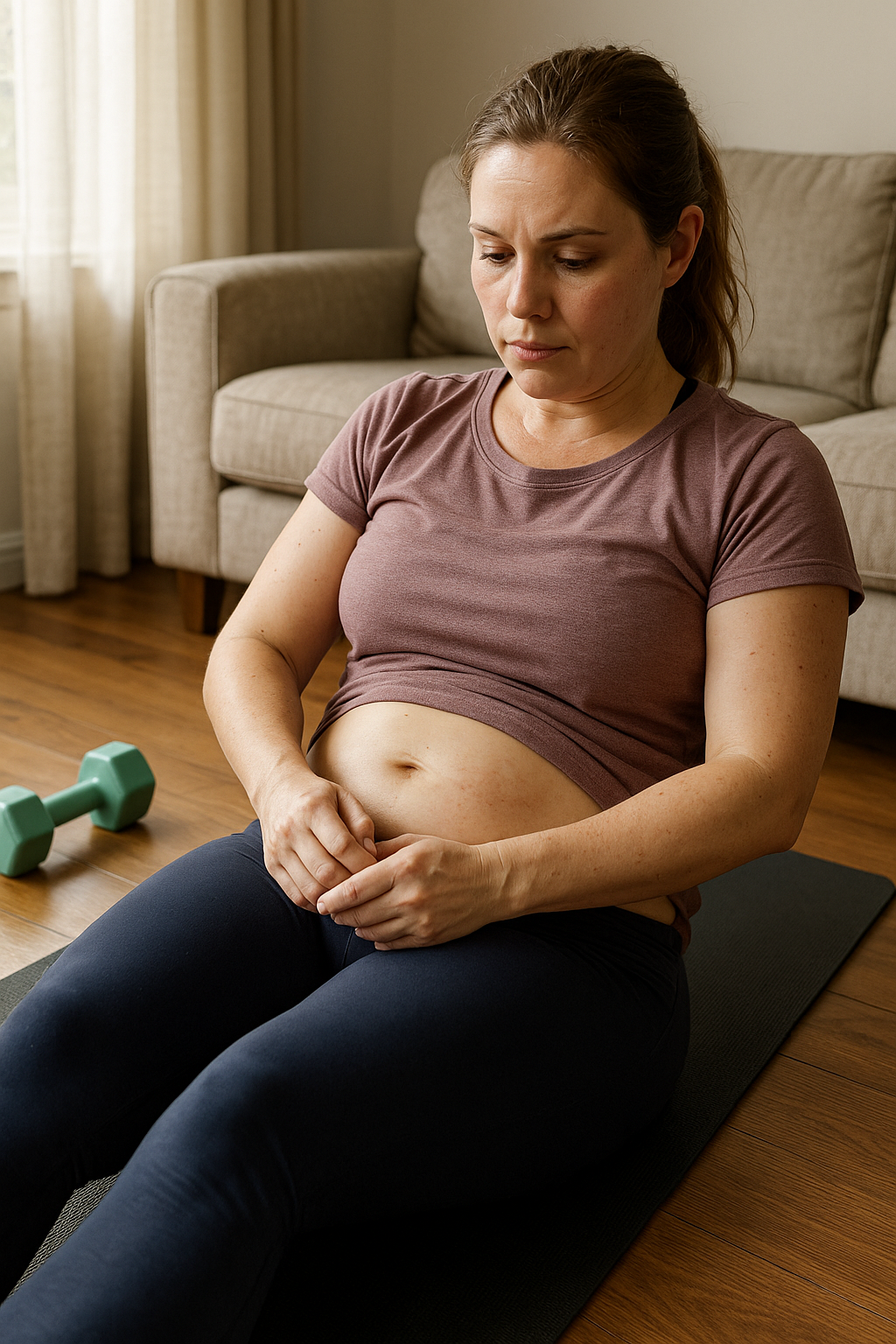
In the world of fitness, finding an exercise routine that is both effective and accessible can be a challenge. Enter chair Pilates, a unique form of exercise that brings the benefits of traditional Pilates to a seated or chair-supported position. This adaptation makes it an ideal choice for individuals across various fitness levels, including beginners, older adults, and those looking for a low-impact workout option.
Understanding the essence of chair Pilates
Chair Pilates is designed to adapt the core principles of Pilates—such as controlled movements, core strength, and flexibility—into exercises that can be performed while seated or with the support of a chair. This approach not only makes it more accessible to a wider audience but also provides a comfortable and safe environment for those who may have mobility issues or balance concerns. By focusing on posture, breath control, and gentle movements, chair Pilates helps improve overall fitness without the need for extensive equipment or a large exercise space.

Women's Posture Shirt™ - Black
Posture shirt that activates muscles, relieves tension, and provides documented support.
How chair Pilates differs from other forms of Pilates
When comparing chair Pilates to other popular forms of Pilates, several distinct differences emerge. Mat Pilates, for instance, typically involves exercises performed on a mat, emphasizing core strength through a series of floor exercises. Wall Pilates, on the other hand, uses a wall for support and often includes standing exercises that challenge balance and strength. Reformer Pilates requires specialized equipment, focusing on resistance training and often demanding a higher level of physical fitness.
While chair yoga may seem similar due to the use of a chair, it primarily focuses on flexibility and relaxation rather than the strength and core-focused exercises found in chair Pilates. This distinction is crucial for those seeking a workout that not only enhances flexibility but also builds strength and stability.
Why choose chair Pilates?
Chair Pilates offers numerous benefits, making it an appealing choice for a diverse range of individuals. Its low-impact nature is particularly advantageous for beginners and older adults, providing a gentle introduction to regular exercise without the risk of high-impact strain. Additionally, it serves as an excellent option for those recovering from injuries or with balance concerns, offering a safe and supportive environment to regain strength and mobility.
Moreover, chair Pilates is incredibly adaptable, allowing practitioners to modify exercises to suit their individual needs and capabilities. This adaptability, combined with the ease of performing exercises in a limited space, makes chair Pilates a convenient and effective workout for anyone looking to enhance their fitness journey.
Unveiling the benefits of chair pilates
Chair Pilates offers a multitude of benefits that extend beyond traditional exercise routines. Physically, it enhances strength, flexibility, balance, and mobility, which are crucial for maintaining a healthy and active lifestyle. The seated or chair-supported exercises focus on core engagement, which helps improve posture and stability. This is particularly beneficial for individuals who may struggle with balance or are recovering from injuries, as it provides a safe and controlled environment to build strength without the risk of falling.
Mentally, chair Pilates contributes to improved overall well-being. The emphasis on breath control and mindful movement fosters a sense of calmness and confidence. By integrating these practices, participants can experience reduced stress levels and a boost in mood, which are essential components of mental health. The low-impact nature of chair Pilates ensures that it is gentle on the joints, making it an excellent choice for those with arthritis or joint pain.
Who can benefit from chair pilates?
Chair Pilates is an inclusive exercise option that caters to a diverse range of individuals. Beginners will find it an easy entry point into regular physical activity, as the exercises can be modified to match their fitness levels. Older adults, in particular, can benefit from chair Pilates as it supports mobility and balance without the high-impact strain associated with other forms of exercise. The adaptability of chair Pilates also makes it a practical choice for office workers who seek a quick, efficient workout that can be performed in a limited space, such as during a lunch break or in a home office.
Moreover, individuals returning to exercise after a hiatus or those recovering from an injury will appreciate the gentle reintroduction to physical activity that chair Pilates provides. The exercises focus on gradual progression, allowing participants to build strength and confidence at their own pace.
Essential equipment and setup for chair pilates
One of the appealing aspects of chair Pilates is its minimal equipment requirements. The primary item needed is a stable, non-wheeled chair that provides adequate support. Comfortable clothing that allows for a full range of motion is recommended, along with sufficient space to perform the exercises safely. An exercise mat can be used for added comfort, especially if the chair has a hard surface.
While not essential, non-slip footwear can enhance stability during standing exercises. Safety is paramount in chair Pilates, so it's important to choose a sturdy chair and avoid sharp or jerky movements. Participants should listen to their bodies and prioritize comfort to prevent injury.

Men's Posture Shirt™ - Black
Promotes better posture, activates muscles and relieves tension for daily back support.
Safety and progression in chair pilates
Chair Pilates is designed to be a safe and accessible form of exercise, but it's important to approach it with mindfulness and caution. For those with balance concerns or recovering from injury, chair Pilates offers a supportive environment to gradually increase strength and mobility. The exercises can be easily modified to accommodate different fitness levels, ensuring that each participant can progress at a comfortable pace.
To maximize the benefits of chair Pilates, it's crucial to maintain proper form and engage the core muscles throughout each exercise. Participants should focus on controlled movements and avoid rushing through the routine. By adhering to these principles, individuals can safely build strength, flexibility, and confidence over time.
The 28-day chair Pilates plan
The 28-day chair Pilates plan is structured to guide you through a progressive journey of fitness, divided into four phases: Familiarisation, Foundation, Progression, and Consolidation. Each phase is designed to gradually build your strength, flexibility, and balance, making chair Pilates an effective and sustainable exercise routine.
During the Familiarisation phase, you'll focus on basic breathing and posture exercises, allowing you to become comfortable with the movements. As you move into the Foundation phase, you'll build on these basics with exercises that enhance core strength and mobility.
The Progression phase introduces more challenging exercises, increasing the repetitions and incorporating balance work. Finally, the Consolidation phase brings together all the skills you've developed, allowing you to perform full-body routines that support functional fitness.
Daily routine
Each day includes a warm-up, 3-6 exercises, and a cool-down. The warm-up focuses on gentle breathing and posture exercises to prepare your body. The main exercises involve a combination of seated and chair-supported standing movements, designed to engage different muscle groups and improve overall fitness. The cool-down consists of stretching and relaxation techniques to aid recovery and enhance flexibility.
Sessions are designed to last 10-20 minutes, making it easy to incorporate into your daily routine. This consistency is key to achieving the best results from your chair Pilates practice.
Common mistakes to avoid
To ensure a safe and effective workout, it's important to avoid common mistakes. Using an unstable chair can compromise your safety, so always choose a stable, non-wheeled chair. Remember to breathe naturally during exercises and avoid holding your breath, as this can increase tension and reduce the effectiveness of your workout.
Rushing through movements can lead to poor form and potential injury, so focus on controlled, deliberate motions. Lastly, listen to your body and avoid pushing through pain. If an exercise causes discomfort, modify it or skip it altogether.
Realistic expectations
After 28 days of consistent practice, you can expect improved familiarity with the exercises and enhanced consistency in your fitness routine. While individual results may vary, many participants experience gains in mobility, strength, and balance. It's important to approach the program with realistic expectations, understanding that progress depends on your starting point and commitment to the routine.
Frequently Asked Questions
Can I do chair Pilates every day?
Yes, chair Pilates is designed to be gentle enough for daily practice. However, it's important to listen to your body and take rest days if needed to prevent overuse injuries.
Is chair Pilates suitable for seniors?
Absolutely. Chair Pilates is particularly beneficial for seniors due to its low-impact nature and focus on improving balance, strength, and flexibility.
Can chair Pilates help with back pain?
Chair Pilates can be beneficial for managing back pain by strengthening core muscles and improving posture. However, it's advisable to consult with a healthcare professional before starting any new exercise program if you have chronic back issues.
Do I need a Pilates reformer?
No, a Pilates reformer is not necessary for chair Pilates. All you need is a stable chair and a small space to perform the exercises.
How long should each session last?
Each chair Pilates session is designed to last between 10 to 20 minutes, making it easy to fit into your daily schedule.
Is chair Pilates the same as chair yoga?
While both use a chair, chair Pilates focuses more on strength and core stability, whereas chair yoga emphasizes flexibility and relaxation.
Can chair Pilates help me lose weight?
Chair Pilates can contribute to weight loss as part of a balanced diet and regular exercise routine, but it is primarily aimed at improving strength, flexibility, and balance.
What type of chair should I use?
A stable, non-wheeled chair with a flat seat is ideal for chair Pilates. Ensure it provides adequate support and allows you to perform exercises safely.
Should I exercise if I have joint pain?
If you have joint pain, chair Pilates can be a gentle way to stay active. However, consult with a healthcare provider to ensure it's appropriate for your specific condition.
Kilder
- WellFit Insider. (n.d.). ”Chair Pilates Exercises for Seniors.” WellFit Insider.
- Pilates Protocols. (n.d.). ”Chair Pilates Exercises.” Pilates Protocols Blog.
- Harvard Health Publishing. (n.d.). ”Pilates: A Good Option for Older Adults.” Harvard Health.
- National Center for Biotechnology Information. (2021). ”Pilates and Older Adults: A Systematic Review.” NCBI.
- Rezerv. (n.d.). ”28-Day Pilates Challenge: Complete Beginner's Guide.” Rezerv Blog.
- Shadow of a Dancer. (n.d.). ”Pilates for Seniors: What Changes in the First Eight Weeks.” Shadow of a Dancer Blog.
- Healthline. (n.d.). ”Pilates for Seniors: Benefits and Tips.” Healthline.
- National Center for Biotechnology Information. (n.d.). ”Effects of Pilates in Older Adults: A Meta-Analysis.” NCBI.
- SciELO. (n.d.). ”Chair Pilates and Its Impact on Seniors' Health.” SciELO.
- Australian Government Department of Health. (2024). ”Pilates Evidence Evaluation.” Department of Health.
- PubMed. (n.d.). ”The Role of Pilates in Older Adults' Fitness Regimens.” PubMed.
- AgeBold. (n.d.). ”Chair Pilates for Seniors: Exercises to Try, Benefits, and How to Stay Consistent.” AgeBold Resources.
- BetterMe. (n.d.). ”28-Day Pilates Challenge.” BetterMe Articles.
- National Center for Biotechnology Information. (n.d.). ”Pilates and Its Benefits for Seniors.” NCBI.