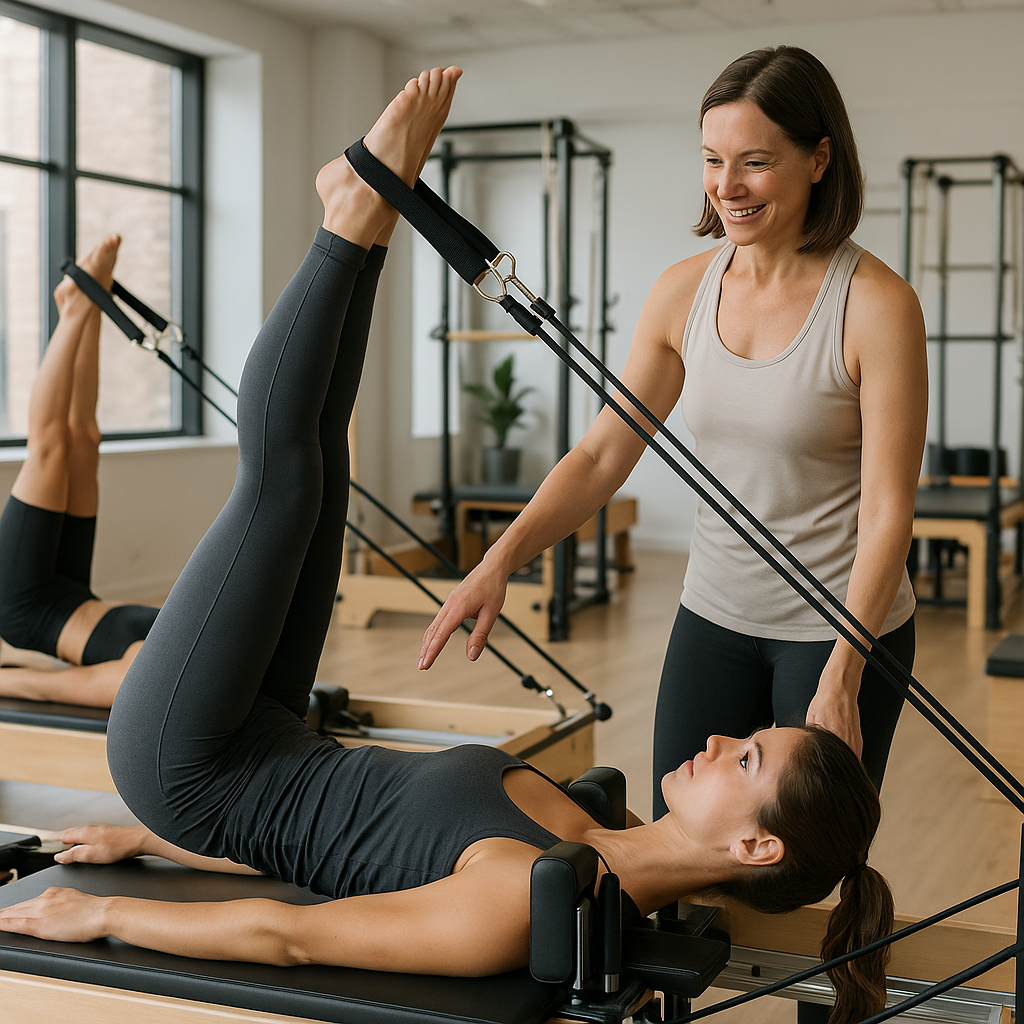
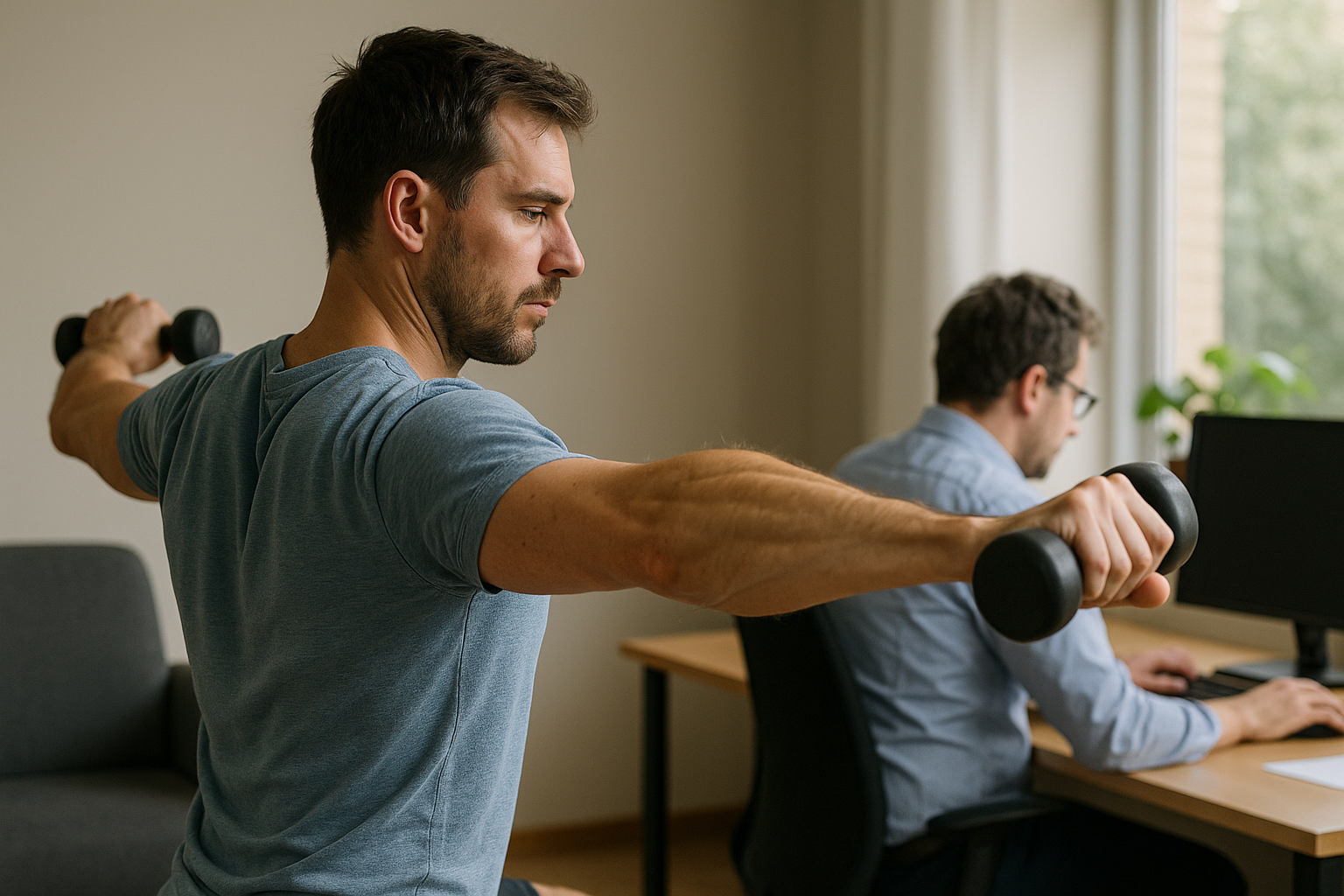
When it comes to fitness goals, ab training often conjures images of chiseled six-packs and toned midsections. However, the true value of core training extends far beyond aesthetics. While a defined abdomen is a common motivation, focusing solely on appearance can overshadow the broader benefits that a strong core provides. From improved posture to enhanced athletic performance and reduced risk of injury, ab training is a multifaceted approach to fitness that supports overall health and daily function.
understanding core training
Core training, often synonymous with ab training, involves exercises that target the muscles in your abdomen, lower back, and pelvis. These muscles form the foundation for movement and stability, playing a critical role in almost every physical activity. Traditionally, people engage in ab workouts with the primary aim of achieving a visually appealing midsection. However, the benefits of core training are much more comprehensive. A strong core can enhance your posture, making everyday activities like sitting and standing more comfortable and less taxing on your body. Additionally, athletes often find that a solid core improves their performance, as it provides the necessary support for powerful and efficient movement.
But what if your ab training could unlock more than just a toned midsection? This question invites us to explore the deeper advantages of core exercises, encouraging a shift in perspective from purely aesthetic goals to functional and health-oriented outcomes.
common misconceptions
One prevalent misconception about ab training is that it solely serves the purpose of sculpting the body. While visible abs are a desirable outcome for many, reducing core training to mere aesthetics undermines its holistic benefits. A well-rounded approach to ab training supports not only visual goals but also functional strength that aids in daily activities. From lifting groceries to maintaining balance as you age, a strong core is integral to a healthy lifestyle.
By dispelling the myth that ab training is just for looks, we can appreciate its role in fostering a well-rounded fitness regimen. Emphasizing core strength as a key component of overall health encourages a more inclusive approach to fitness, one that values function and form equally.
the science of ab training
To truly understand the impact of ab training, it’s essential to delve into the anatomy of the core. The core is composed of several major muscles, including the rectus abdominis, obliques, and transverse abdominis. Each of these muscles plays a distinct role in stabilizing the body and facilitating movement. The rectus abdominis, often associated with the "six-pack," is crucial for flexing the lumbar spine. The obliques, located on the sides of the abdomen, are responsible for trunk rotation and lateral flexion. Meanwhile, the transverse abdominis, the deepest layer of abdominal muscles, acts like a corset, providing stability and support to the spine and pelvis.
To maximize core activation, studies utilizing electromyography (EMG) have identified exercises that effectively engage these muscles. Bicycle crunches, for instance, are celebrated for their ability to activate multiple muscle groups simultaneously, particularly the obliques and rectus abdominis. Captain’s Chair leg raises are also highly effective, especially for targeting the lower abs. These exercises not only contribute to muscle definition but also enhance functional strength, supporting daily activities and athletic performance.
effective ab exercises for a strong core
Incorporating a variety of exercises into your routine is key to comprehensive core training. Here are some top exercises that target different areas of the core:
- Bicycle Crunches: This exercise is excellent for engaging the entire core, especially the obliques. By simulating a pedaling motion, it activates the rectus abdominis and transverse abdominis effectively.
- Captain’s Chair Leg Raises: Known for targeting the lower abs, Captain’s Chair leg raises also engage the hip flexors and obliques, making them a versatile addition to any workout.
- Exercise Ball Movements: Utilizing an exercise ball can enhance stability and balance, engaging the core muscles in a dynamic way. Exercises such as ball crunches and planks on the ball challenge the core to maintain balance and alignment.
These exercises not only contribute to muscle definition but also enhance functional strength, supporting daily activities and athletic performance.
integrating ergonomics into ab training
While performing ab exercises, maintaining proper posture and alignment is crucial to prevent injuries and maximize effectiveness. Ergonomic tools and posture aids can play a significant role in achieving this. For instance, using a supportive mat or a posture shirt can help maintain spinal alignment during exercises, reducing strain on the back and neck.

Men's Posture Shirt™ - Black
Boosts posture, relieves pain, and activates core and back muscles in everyday life or training.

Women's Posture Shirt™ - Black
Improves your posture, relieves pain, and supports back/shoulder muscles for daily use or activity.
Ensuring proper form involves more than just executing the movements correctly; it requires awareness of how your body is positioned throughout the exercise. Keeping your spine neutral and your core engaged not only protects against injury but also enhances the activation of the targeted muscles. By integrating ergonomic principles into your ab training routine, you can achieve safer and more effective workouts.
In conclusion, ab training goes beyond achieving a visually appealing midsection. By understanding the science behind core exercises, selecting effective workouts, and incorporating ergonomic practices, you can unlock the full potential of your core. This holistic approach not only supports aesthetic goals but also promotes overall health and functionality, making ab training a vital component of any fitness regimen.
Training frequency and avoiding common mistakes
When it comes to ab training, finding the right balance between frequency and intensity is crucial. Overtraining can lead to muscle fatigue and increase the risk of injury, while undertraining might not yield the desired results. Ideally, incorporating ab exercises 2-3 times a week is sufficient for most individuals. This schedule allows for adequate recovery and muscle growth, ensuring that you build a strong and resilient core.
Common mistakes in ab workouts often stem from improper form and neglecting the diverse muscles that make up the core. For instance, focusing solely on the rectus abdominis while ignoring the obliques and transverse abdominis can lead to imbalances. To address this, ensure your routine includes exercises that target all areas of the core. Additionally, maintaining proper form is essential—engage your core throughout the exercises and avoid straining your neck and back by using ergonomic supports when necessary.
Emerging trends and future directions in ab training
The landscape of ab training is evolving, with new trends and technologies enhancing how we approach core workouts. Wearable technology and AI tools are becoming increasingly popular, offering real-time feedback and personalized workout plans. These innovations help users optimize their form, track progress, and prevent injuries by ensuring proper alignment and muscle engagement.
Social media also plays a significant role in shaping fitness trends, with platforms like Instagram and TikTok popularizing new workout routines and challenges. This increased visibility has shifted the focus towards comprehensive core and glute training, emphasizing functional strength over mere aesthetics. As these trends continue to grow, the integration of ergonomic principles and technology will likely become more prevalent, promoting safer and more effective ab training practices.
Frequently asked questions
How often should you train abs?
Ideally, you should train your abs 2-3 times a week. This frequency allows for recovery and muscle growth while preventing overtraining.
Is ab training bad for your back?
Ab training is not bad for your back if performed correctly. Maintaining proper form and using ergonomic supports can protect the spine and enhance the effectiveness of the exercises.
What’s the safest ab exercise?
Planks are considered one of the safest ab exercises. They engage multiple core muscles without putting excessive strain on the back, making them a great choice for beginners and advanced exercisers alike.
Can ab training improve posture?
Yes, ab training can significantly improve posture. A strong core stabilizes the spine and pelvis, reducing the likelihood of slouching and promoting better alignment.
Källor
- Men's Health UK. ”Best Ab Exercises.”
- 1st Phorm. ”Ab Exercises.”
- Wikipedia. ”Abdominal Exercise.”
- Healthline. ”Lower Ab Workouts.”
- Nike. ”Quick Ab Workout.”
- Health.com. ”Ab Exercise Steps.”
- Athlean-X. ”Abs Workouts.”
- NASM Blog. ”How to Really Get Six-Pack Abs.”
- Evlo Fitness. ”Ab Exercises: What Can Stay and What Should Go?”
- Renaissance Periodization. ”Ab Hypertrophy Training Tips.”
- The Training Room PT. ”Core Training vs Abdominal Training: What's the Difference?”
- NHS. ”Body Blast Abs.”