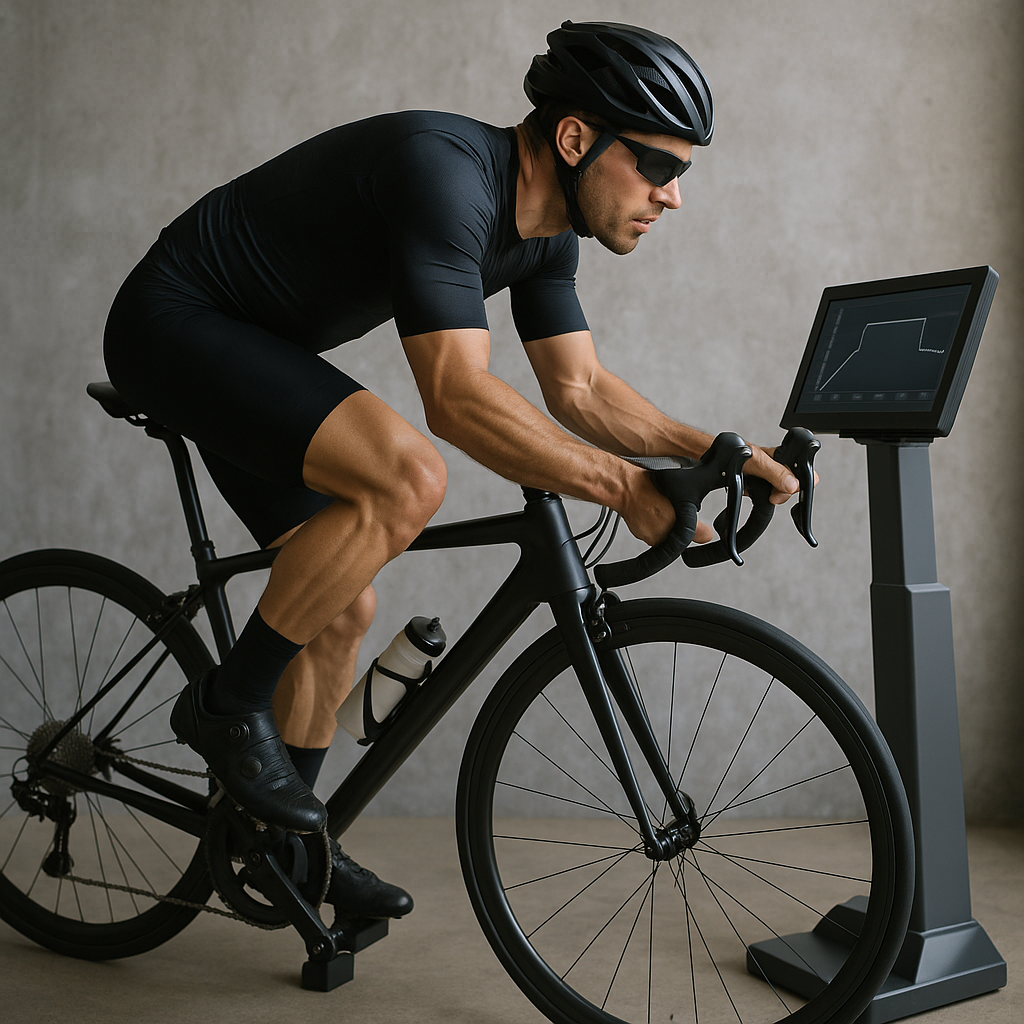
In a world where calendars are full and bodies spend more time sitting than moving, it’s worth asking: is your training program actually helping you feel stronger, or is it just another plan you struggle to keep up with? Many people start with good intentions, only to end up with routines that don’t match their day-to-day reality—especially if work involves long hours at a desk, repetitive movements, or limited recovery time.
When you search for a training program online, you’ll quickly notice how broad the term has become. The top results often focus on professional skill-building—particularly SEO and digital marketing courses—built around step-by-step frameworks, measurable progress, and clear outcomes. That popularity makes sense: people want structure, guidance, and a way to see improvement over time. The same logic applies to the body. A well-designed training program should be more than random exercises; it should be a system that fits your starting point, your goals, and the way you actually live and work.
That’s where a gap appears. While the internet is full of programs for learning tools and tactics, there are fewer structured options that combine body fitness with the practical ergonomics needed for modern life. Yet for many, the biggest performance barrier isn’t motivation—it’s discomfort. Tight hips from sitting, a stiff upper back, sore wrists, or a neck that feels “switched on” all day can quietly limit what you can do in training and in everyday movement.
Why a training program should match real life
Consistency is easier when your plan supports your body instead of fighting it. If your workday loads your posture in one direction, your training should help balance that load. If you’re active but feel recurring strain, your program should build resilience where you need it most. A smart approach focuses on quality of movement, progressive strength, and recovery habits that are realistic—not perfect.
Anodyne’s approach: fitness meets ergonomics
Anodyne works with ergonomic aids and body-focused solutions designed to make movement feel better in the moments that matter: at your desk, on your feet, and during training. Our perspective is simple: better support and better mechanics can make it easier to train consistently and comfortably. In the next section, we’ll break down what a training program can include, why ergonomics belongs in the conversation, and how Anodyne’s approach is built for people who want results that carry over into everyday life.

Men's Posture Shirt™ - Black
Activates muscles and helps reduce neck and back tension with patented NeuroBand™. CE-registered as medical device.
What a training program really includes
A training program is a structured plan designed to move you from where you are now to a specific outcome—stronger, fitter, more mobile, or simply more comfortable in your body. It can take many forms: an online course with modules, a workshop series, a coaching plan, or a set of weekly workouts. What matters is not the format, but the system behind it. The best programs share a few essentials: a clear goal, a starting-point assessment, progressive overload (gradually increasing challenge), and a way to track progress.
That’s also why so many top search results for training program content lean toward SEO and digital marketing courses. Those programs are built around step-by-step frameworks, measurable milestones, and practical implementation. People like knowing what to do next and how to judge whether it’s working. Body training benefits from the same clarity: if you can’t measure it or feel it improving, it’s hard to stay consistent.
For physical training, structure usually includes:
- Frequency: how many sessions per week you can realistically complete.
- Intensity: how hard the sessions should feel based on your level and recovery.
- Exercise selection: movements that match your goals and your body’s needs.
- Progression plan: when to add reps, load, range of motion, or complexity.
- Recovery habits: sleep, breaks, mobility, and stress management.
Why ergonomics belongs in modern training
If you spend hours at a desk, drive frequently, or repeat the same movements at work, your body is being trained all day—just not in a way that supports strength and comfort. Prolonged sitting is commonly associated with reduced hip mobility, deconditioned glutes, and a stiff thoracic spine, while repetitive computer work can contribute to neck and shoulder tension. When those patterns stack up, a standard fitness routine can feel harder than it needs to, because you’re trying to build capacity on top of an irritated baseline.
Ergonomics helps by reducing unnecessary strain and improving alignment during the hours you’re not “working out.” That matters because the majority of your week is spent outside the gym. Even small changes—screen height, chair support, keyboard position, foot contact with the floor—can reduce the background load on joints and soft tissue. When that load drops, many people find it easier to move well, recover faster, and train more consistently.
Ergonomic training is not about perfect posture. It’s about creating a setup and movement strategy that makes good mechanics easier and poor mechanics less tempting. For desk workers especially, it can be the missing link between “I exercise” and “I feel better.”

Women's Posture Shirt™ - Black
Stimulates muscles and relieves pain for better posture with patented NeuroBand™ tech. Documented, CE marked.
Anodyne’s ergonomic training program approach
Anodyne’s approach connects two things that are often treated separately: fitness and the physical reality of everyday life. Instead of assuming your body starts each session fresh, it acknowledges the impact of work positions, repetitive tasks, and long sitting periods. The goal is to build strength and resilience while also improving the conditions that influence your movement quality the other 23 hours of the day.
At a practical level, this means combining:
- Movement quality first: exercises that reinforce controlled range of motion and stable joint positions.
- Targeted strength: building capacity in areas that commonly “switch off” with sitting, such as glutes and upper back.
- Mobility and tissue tolerance: gradual exposure to positions your body avoids, without forcing extremes.
- Ergonomic support strategies: guidance on how aids and setup adjustments can reduce daily strain.
The result is a training program designed to translate: you’re not only training for performance in a workout, but for comfort and function at your desk, on your feet, and during daily tasks.
Traditional fitness vs. Anodyne’s ergonomic focus
| Element | Traditional fitness program | Anodyne ergonomic approach |
|---|---|---|
| Starting point | Often based on goal only (e.g., strength, fat loss) | Based on goal plus daily load (desk work, repetitive tasks, discomfort) |
| Exercise selection | General templates and popular movements | Movements chosen to balance common postural and work-related patterns |
| Progress tracking | Weights, reps, time, body metrics | Performance metrics plus comfort, mobility, and day-to-day function |
| Recovery strategy | Rest days and basic stretching | Recovery includes ergonomic setup, micro-breaks, and movement snacks |
| Long-term outcome | Fitness improvements that may not carry into work life | Fitness improvements designed to support posture, productivity, and comfort |
Benefits you can feel from a training program built for real life
A training program is only transformative if it improves what you do most days—not just what you do in a workout. When ergonomics and fitness work together, many people notice changes that go beyond strength or endurance. Movement becomes more efficient, discomfort is less distracting, and energy is easier to sustain throughout the day.
With Anodyne’s ergonomic focus, outcomes often show up in three practical areas:
- More consistent training: when daily strain is reduced, it’s easier to recover and keep momentum week to week.
- Better movement quality: improved control through the hips, upper back, and shoulders can make common exercises feel smoother and more stable.
- Improved day-to-day comfort: less background tension can support focus at work and make everyday tasks feel less “heavy.”
Think of it like the best SEO-style training programs you see in search results: they succeed because they make progress trackable and repeatable. A body-focused training program should do the same—clear steps, small wins, and a structure that fits the environment you’re in most of the time.
What success looks like in practice
Results are not only about lifting more. For many desk workers, the first meaningful change is that the body feels calmer: shoulders sit lower, the neck feels less loaded, and the lower back is less reactive after long periods of sitting. From there, strength and capacity build faster because you’re not constantly training on top of irritation.
One common pattern is that people start to notice “carryover” into the workday: fewer position changes to stay comfortable, less stiffness when standing up, and better tolerance for longer meetings or commutes. Over time, that can support productivity because discomfort takes up less attention.
How to integrate ergonomic habits into your daily routine
The goal is not perfect posture or a flawless schedule. It’s to reduce unnecessary load and add small doses of movement that keep joints and muscles from getting stuck in one position. These habits work best when they are simple and repeatable.
- Use micro-breaks: stand up for 30–60 seconds every hour, reset your shoulders, and take a few slow breaths.
- Change positions on purpose: alternate between sitting, standing, and walking calls when possible.
- Make your setup support you: keep the screen at a comfortable height, forearms supported, and feet stable on the floor.
- Add movement snacks: 1–2 sets of a simple drill (hip hinge, wall slides, glute bridge) can be enough to restore range of motion.
Sample weekly schedule for an ergonomic training program
This example shows how a training program can combine strength, mobility, and ergonomic habits without demanding long sessions every day. Adjust the volume to your level and recovery.
- Monday: strength (30–45 min) + 2 micro-breaks during work (1 min each)
- Tuesday: mobility (10–15 min) + short walk (15–20 min)
- Wednesday: strength (30–45 min) + workstation check (2 min)
- Thursday: light conditioning (15–25 min) + movement snacks (2 x 2 min)
- Friday: strength (25–40 min) + longer break outdoors (10–15 min)
- Saturday: optional activity you enjoy (walk, bike, sport) at easy pace
- Sunday: recovery focus (mobility 10 min, prepare work setup for the week)
When these pieces are combined, the training program becomes less about willpower and more about design: your workouts build capacity, and your daily setup helps protect that capacity.
Frequently Asked Questions
What is an ergonomic training program?
An ergonomic training program focuses on improving body mechanics so you can move with less strain and more efficiency. It typically combines strength and mobility work with practical adjustments to daily setups and habits—especially in the workplace.
How does Anodyne’s training program differ from traditional fitness programs?
Traditional fitness programs often focus mainly on workouts and performance metrics. Anodyne’s approach connects training with the reality of daily load (desk work, repetitive tasks, long sitting) and includes ergonomic strategies that support recovery and movement quality outside the gym.
Who can benefit from Anodyne’s training program?
It can benefit anyone who wants to improve posture, reduce recurring discomfort, and build strength that carries over into everyday life. It is especially relevant for desk workers, people with repetitive work tasks, and anyone who feels that tension or stiffness limits their consistency.
What kind of results can I expect?
Many people can expect improved posture awareness, reduced day-to-day discomfort, better movement control, and increased energy. The most reliable results come from consistent training combined with small ergonomic improvements during the workday.
How can I start with Anodyne’s training program?
Start by assessing your current routine and your daily setup: where do you feel strain, and when does it show up? Then introduce one or two ergonomic adjustments (screen height, arm support, foot support) and pair them with simple strength and mobility sessions you can repeat each week. Over time, build progression gradually rather than changing everything at once.
Källor
- Quistgaard, K. (2006). "PhD Dissertation". Syddansk Universitet.
- "Speciale". Audiologi.dk.
- "Auditory Training Exercises". Cochlear.
- "Incline Training Science". NordicTrack.
- Lund, K. "Research Paper". Aalborg Universitet.
- "ODIN Research". Syddansk Universitet.
- "Bilagsrapport Bind 1". Beskæftigelsesministeriet.
- "CVP809 Manual". Yamaha.
- "Sprog Giver Muligheder". Dansk Sprognævn.
- "Kliniske Retningslinjer for Erhvervet Hjerneskade". Danske Fysioterapeuter.