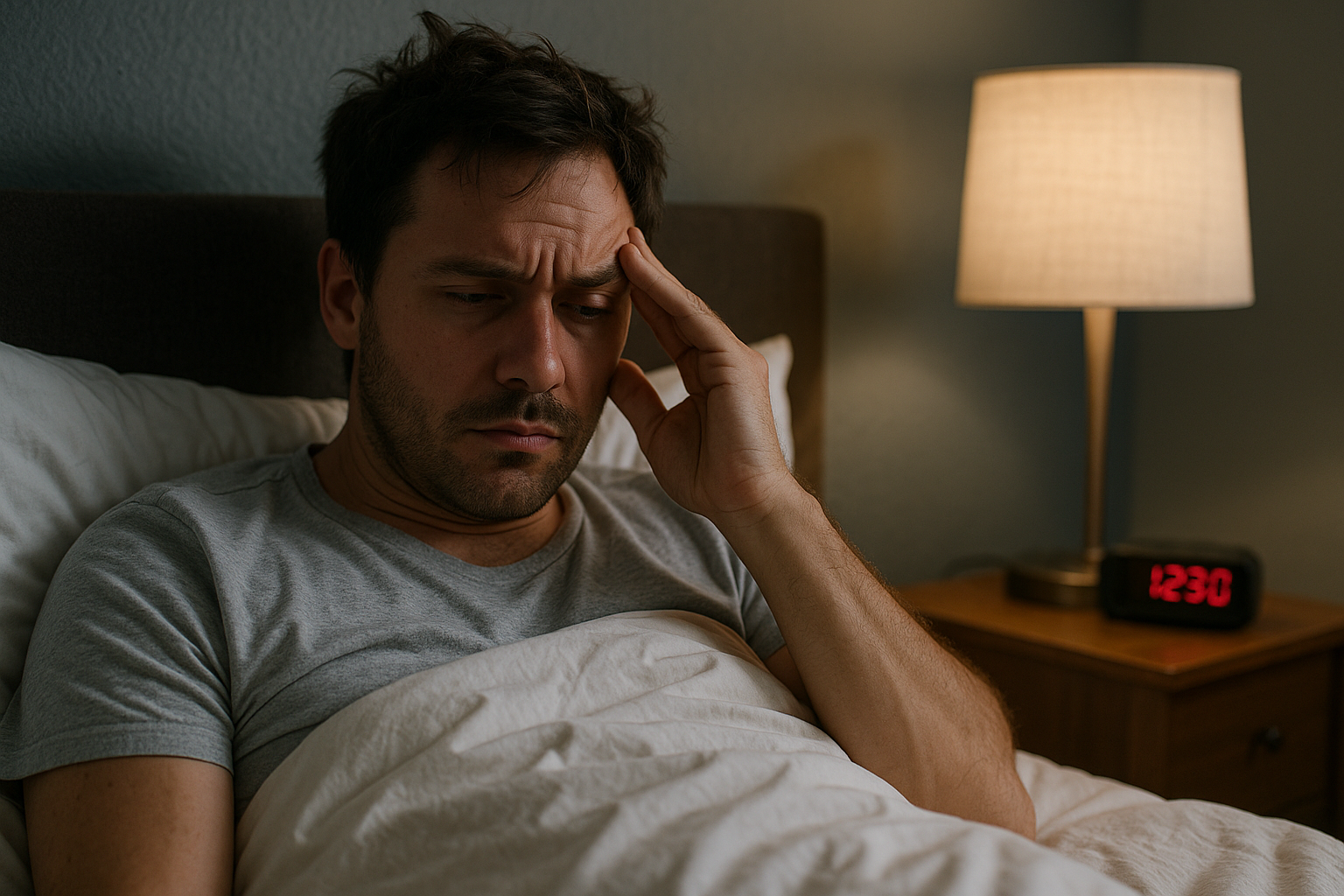
If you've been diagnosed with a herniated disc, you might be wondering if it can heal naturally. The good news is that in most cases, it can improve on its own. Understanding how this process works can provide reassurance and help you manage your condition effectively.
Understanding herniated discs
A herniated disc, often referred to as a slipped or bulging disc, occurs when the soft inner gel of a spinal disc pushes through a crack in the tougher exterior casing. This can cause pain, numbness, or weakness, particularly if the disc presses on spinal nerves. Herniated discs are relatively common and can affect individuals of all ages, though they are most prevalent in middle-aged adults.
While the discomfort from a herniated disc can be significant, it's important to note that the symptoms often improve over time. However, the timeline and degree of healing can vary widely among individuals, influenced by factors such as the severity of the herniation, lifestyle, and overall health.
The natural healing process
The body has remarkable healing capabilities, and a herniated disc is no exception. In many cases, the body can naturally resorb the herniated disc material over time. This process involves the immune system breaking down and absorbing the extruded disc material, gradually reducing its size and alleviating pressure on the nerves.
It's crucial to differentiate between symptom relief and structural healing. While you may experience significant symptom improvement, the disc itself may not fully return to its original state. Nonetheless, the reduction in size and inflammation often leads to a substantial decrease in pain and other symptoms.
Recognizing red-flag symptoms
While many herniated discs heal naturally, it's important to be aware of red-flag symptoms that may indicate a need for medical intervention. These include severe or worsening pain, loss of bowel or bladder control, and significant weakness or numbness in the legs. If you experience any of these symptoms, it's essential to seek medical attention promptly.
In conclusion, while a herniated disc can often improve on its own, understanding the natural healing process and recognizing when to seek medical help are key to managing your condition effectively. This knowledge empowers you to take proactive steps in your recovery journey.
Natural healing process of a herniated disc
The body's ability to heal a herniated disc naturally is a fascinating process that involves several biological mechanisms. One of the primary ways the body manages this is through the process of resorption, where the herniated material is gradually broken down and absorbed by the body. This often reduces the size of the herniation and relieves pressure on the affected nerves.
Immune cells, particularly macrophages, play a crucial role in this process. These cells help to clear away the extruded disc material, promoting healing and reducing inflammation. Additionally, water reabsorption from the disc can lead to a decrease in its size, further alleviating symptoms.
Understanding healing timelines
The timeline for healing a herniated disc can vary significantly among individuals, but there are general phases that many experience. In the initial 4 to 6 weeks, many individuals notice a reduction in pain and other symptoms as inflammation decreases. This period is critical for symptom relief, although the disc may not yet be structurally healed.
Between 3 to 6 months, major improvements are often observed, and in some cases, the herniated material may spontaneously resorb. During this time, patients may regain much of their normal function and experience significant pain reduction.
By 6 to 12 months, some individuals achieve full structural healing, although this is not guaranteed for everyone. It's important to note that while symptoms may improve, the disc may not completely return to its pre-injury state.
Factors influencing natural healing
Several factors can influence the healing process of a herniated disc. The type of herniation is a significant determinant; for instance, a sequestered disc may have a higher chance of resorption compared to a protrusion.
Lifestyle factors also play a crucial role. An active lifestyle, maintaining proper posture, managing weight, and avoiding smoking can all contribute positively to the healing process. Engaging in conservative care, such as physical therapy, ergonomic adjustments, and effective pain management strategies, can significantly enhance recovery outcomes.
Additionally, the severity of the herniation and the degree of nerve compression can impact the healing timeline. Patients with less severe symptoms and those who adhere to recommended lifestyle changes often experience better outcomes.
Supporting your body's healing process
While the body is capable of healing a herniated disc naturally, there are steps you can take to support this process. Engaging in regular, gentle exercises as advised by a healthcare professional can help maintain flexibility and strength, which are essential for recovery.
Incorporating ergonomic changes in your daily life, such as using lumbar supports or adjusting your workstation, can reduce stress on the spine and facilitate healing. Adopting good posture habits and avoiding activities that exacerbate pain are also important.

Lumbar support belt
Lower back support that helps combat pain, ideal for herniated disc and sciatica relief.
In conclusion, while a herniated disc can often improve naturally, understanding the healing process and the factors that influence it can empower you to take proactive steps in your recovery journey. By supporting your body's natural healing mechanisms and making informed lifestyle choices, you can enhance your chances of a successful recovery.
Role of ergonomics and posture in healing
Maintaining proper posture and utilizing ergonomic aids can significantly support the healing process of a herniated disc. Ergonomics involves designing your environment to fit your body’s needs, reducing strain and promoting comfort. For individuals with a herniated disc, this means making adjustments that alleviate pressure on the spine and support natural healing.
Ergonomic solutions can include using lumbar supports, posture-correcting garments, and making workstation adjustments. For instance, a well-designed chair that supports the lower back can help maintain the spine's natural curve, reducing the stress on a herniated disc. Similarly, standing desks or adjustable workstations can encourage movement and prevent prolonged periods of sitting, which can exacerbate symptoms.

ActivePosture® Shirt for men
Comfortable t-shirt that subtly supports good posture all day long.
When to seek medical attention
While many herniated discs heal naturally, it's crucial to recognize when to seek medical attention. Red-flag symptoms such as bowel or bladder dysfunction, severe leg weakness, or persistent, worsening pain require immediate medical evaluation. These symptoms could indicate nerve damage or other serious conditions that necessitate intervention.
Consulting with healthcare professionals ensures that you receive appropriate care and guidance, especially if conservative measures do not lead to improvement. A healthcare provider can offer additional treatment options and monitor your progress, helping to prevent complications.
Frequently asked questions
Can I exercise with a herniated disc?
Yes, exercising with a herniated disc is possible and often beneficial, but it should be done under the guidance of a healthcare professional. Gentle exercises that focus on flexibility, strength, and posture can aid in recovery without exacerbating symptoms.
Is it bad to sit all day?
Prolonged sitting can worsen symptoms of a herniated disc as it increases pressure on the spine. Incorporating regular movement and using ergonomic seating can help alleviate discomfort and support healing.
Do braces or posture shirts help, or make muscles lazy?
Braces and posture shirts can provide support and promote better posture without making muscles lazy when used correctly. They are intended to complement an active rehabilitation program rather than replace the need for muscle strengthening exercises.
What if my pain hasn’t improved after 6 weeks?
If your pain has not improved after 6 weeks, it is advisable to consult with a healthcare provider. They can reassess your condition and explore additional treatment options, such as physical therapy or other interventions, to aid in your recovery.
In conclusion, while a herniated disc can heal naturally, being proactive in your approach to recovery can enhance outcomes. By understanding the role of ergonomics, recognizing when to seek medical help, and engaging in appropriate exercises, you can support your body's healing process effectively.
Källor
- Hospital for Special Surgery. "Herniated Disc."
- Cleveland Clinic. "Herniated Disk."
- Instituto Clavel. "Can a Disc Herniation Disappear on Its Own?"
- Harvard Health Publishing. "Will My Herniated Disc Heal on Its Own?"
- Strenge Spine. "Can a Herniated Disc Heal Itself?"
- International Spine & Sports Institute. "Can a Herniated Disc Heal on Its Own: Myths vs. Facts."
- HealthCentral. "Can a Herniated Disc Heal Itself?"
- Wiles, D. "Will a Herniated Disc Heal on Its Own?"
- CurePain. "Do Herniated Discs Go Away on Their Own?"
- DISC Sports & Spine Center. "Can a Herniated Disc Heal on Its Own?"
- Khurana Spine. "Can a Herniated Disc Heal on Its Own?"
- Grewal Spine. "Can a Herniated Disc Heal on Its Own?"
- Frenkel, M. "Can a Bulging Disc Heal Naturally?"
- Spine-health. "Can Herniated Discs Heal on Their Own?"
- Spine Together. "Can a Herniated Disc Heal on Its Own?"