Weight loss diets have a way of sounding simple on paper: follow a plan, watch the scale move, repeat. In real life, it can feel like a revolving door of rules, “good” foods, “bad” foods, and a new trend every time you open your phone. That’s why the search for a diet for weight loss is so widespread—and so frustrating. People aren’t just looking for inspiration; they want something that works in everyday routines, with real meals, real schedules, and real stress.
Here’s the part that often gets lost in the noise: effective weight loss usually isn’t about finding a magic menu. It’s about combining what science consistently supports with what you can actually stick to. Research-backed guidance tends to be refreshingly unglamorous—focused on fundamentals—while the most successful plans are the ones that fit your preferences, budget, culture, and lifestyle. When those two sides meet, results become more predictable and less exhausting to maintain.
Why most diets feel different but work the same way
Many popular approaches look completely different on the surface: some emphasize carbs, others avoid them; some focus on timing, others on food quality. Yet most effective diets for weight loss share a common mechanism: they help you eat fewer calories than you burn, consistently enough to create progress. The “best” plan is often the one that makes that process easier—by improving fullness, simplifying choices, or reducing mindless snacking—without making you feel like you’re constantly fighting your own appetite.
At the same time, weight loss isn’t only a nutrition puzzle. Habits, sleep, stress, and your environment all influence what you eat and how active you feel. That’s why a plan that looks perfect in a spreadsheet can fall apart on a busy week, a travel month, or during a stressful season. Sustainable strategies account for real-world friction, not just ideal conditions.
What this guide will help you do
In the rest of this article, we’ll break down evidence-based diet strategies and the practical tools people use to follow them—without pretending there’s one universal solution. You’ll see how different dietary styles can support the same goal, what to look for in structured programs, and how free tracking apps can add clarity without turning meals into math homework.
The goal is simple: help you choose a diet for weight loss that feels doable, supports your health, and gives you a clear path forward—starting with the fundamentals that matter most.
The science behind a diet for weight loss
If you strip away the branding and trends, most successful weight loss approaches rely on the same physiological principle: an energy deficit. This means you consistently take in fewer calories than your body uses. When that happens, your body makes up the difference by drawing on stored energy, including body fat.
For many people, a moderate deficit is the most sustainable place to start. A commonly recommended range is roughly a 500–750 calorie daily deficit, which often supports steady progress without feeling overly restrictive. The exact number that fits you depends on factors like starting weight, activity level, age, and how aggressively you’re trying to lose.
It’s also important to know why “perfect” plans can stall. As you lose weight, your body needs fewer calories to maintain itself, and your metabolism can adapt slightly downward. That doesn’t mean something is broken—it means your plan may need small adjustments over time, such as tightening portions, improving food quality, or increasing daily movement.
Diet styles that can support weight loss
Because the energy deficit is the foundation, multiple dietary patterns can work. The best diet for weight loss is usually the one that helps you maintain that deficit while still feeling satisfied and healthy.
Mediterranean-style eating
The Mediterranean approach is often recommended for its strong long-term evidence and its association with cardiovascular benefits. Instead of strict rules, it emphasizes a pattern: plenty of vegetables, fruit, legumes, whole grains, olive oil, nuts, and fish, with more limited intake of ultra-processed foods and sweets. For weight loss, it works well because it tends to be high in fiber and nutrient-dense foods that support fullness while keeping calories reasonable.
Higher-protein diets
Protein is a practical lever for weight loss because it supports satiety (feeling full) and helps preserve lean mass while you’re in a deficit. Many evidence-based recommendations land around 1.0–1.2 grams of protein per kilogram of body weight per day for people actively trying to lose weight. In real life, this can look like building meals around protein anchors such as eggs, Greek yogurt, cottage cheese, chicken, turkey, tofu, tempeh, beans, lentils, or fish, then adding high-volume plants and a moderate amount of fats and carbs.
Low-carb and ketogenic approaches
Low-carb diets can be effective in the short term, in part because they reduce food choices and may decrease appetite for some people. Ketogenic diets are a more extreme form of low-carb eating. While many people see early results, long-term data is less consistent, and adherence can be challenging. If you choose low-carb, it often helps to focus on food quality (vegetables, protein, unsaturated fats) rather than simply cutting carbs while keeping ultra-processed foods.
Why weight regain happens (and how to reduce it)
One of the most frustrating realities of dieting is that weight regain is common after the “diet phase” ends. This usually isn’t about willpower—it’s about biology and environment. Hunger signals can increase, daily calorie needs may be lower after weight loss, and old routines tend to return when structure disappears.
The most reliable way to reduce regain is to treat your diet for weight loss as a transition into a maintenance pattern, not a temporary project. That means keeping some form of structure (even if it’s lighter), continuing to prioritize high-satiety foods like protein and fiber, and monitoring your weight or measurements just enough to catch small regains early.
Commercial weight loss programs: what you’re really paying for
Commercial programs can be helpful because they reduce decision fatigue and improve adherence through structure and support. The best fit depends on whether you need coaching, community, convenience, or education.
- Noom emphasizes behavioral psychology and habit change, which can be useful if emotional eating or inconsistency is your biggest barrier.
- Mayo Clinic Diet leans on medical credibility and practical meal planning, with a starting cost often listed around $19.99/month.
- WeightWatchers is known for flexibility and community support, which can improve consistency for people who don’t want rigid rules.
- Nutrisystem focuses on pre-portioned meals, making calorie control simpler if time and planning are major obstacles.
| Program | Key feature | Starting cost |
|---|---|---|
| Noom | Behavioral psychology | Variable |
| Mayo Clinic diet | Medical credibility | $19.99/month |
| WeightWatchers | Community support | Variable |
| Nutrisystem | Pre-portioned meals | Variable |
Free tools that make weight loss easier to manage
You don’t need a paid program to get structure. Free tracking and education tools can increase awareness and accountability, especially in the first few weeks when you’re learning portions and patterns.
- MyFitnessPal offers a large food database and customizable nutrition tracking for calories and macros.
- Sparkpeople provides meal planning options that can match different lifestyles, including vegetarian and lower-sodium approaches.
- Fooducate helps you compare packaged foods by grading options, which can make grocery decisions faster.
Why protein can make a diet for weight loss easier to maintain
Once you have the fundamentals in place—an energy deficit, a diet style you can live with, and a system for tracking or structure—protein becomes one of the most practical tools for staying consistent. A higher-protein approach tends to support weight loss in two key ways: it helps you feel fuller on fewer calories, and it helps preserve lean mass while you’re losing weight.
In practice, many people do well aiming for roughly 1.0–1.2 g of protein per kilogram of body weight per day, or around 30% of daily calories. That does not mean every meal needs to be “high protein,” but it does mean protein should show up regularly across the day so you are not trying to “catch up” at dinner.
A simple way to apply this without turning meals into a spreadsheet is to use a protein anchor at each meal:
- Breakfast: eggs, Greek yogurt, cottage cheese, tofu scramble, or a protein smoothie paired with fruit
- Lunch: chicken, tuna, lentils, tempeh, or turkey in a salad, bowl, or wrap
- Dinner: fish, lean meat, beans, or a tofu/edamame-based stir-fry with vegetables
- Snacks (if needed): yogurt, jerky, edamame, or a small portion of nuts plus a protein source
Protein works best when it is paired with high-fiber foods (vegetables, fruit, legumes, whole grains) and a reasonable amount of fat. This combination tends to improve fullness and reduces the “I’m dieting but still hungry” feeling that often leads to overeating later.
Ergonomics: the missing link between diet plans and real-life adherence
Most people approach a diet for weight loss as a nutrition-only project. But the ability to follow any plan is strongly influenced by how you feel in your body day to day—especially if your plan includes more walking, strength training, meal prep, or simply spending less time sitting.
Ergonomics and posture matter here because discomfort can quietly reduce your activity level. If your back, hips, knees, or feet hurt, you may move less without noticing: fewer steps, fewer workouts, more breaks, and more time sitting. Over weeks, that reduction in movement can shrink your daily calorie burn and make your deficit harder to maintain, even if your food choices are solid.

Men's Posture Shirt™ - Black
Posture shirt for men; helps relieve pain and tension and supports your back and shoulders throughout your day.
Comfort also affects consistency. People are more likely to stick with strength training, longer walks, or active hobbies when those activities feel manageable. If you are constantly fighting pain or stiffness, the “best” diet strategy can fail simply because the lifestyle around it becomes too difficult to sustain.
Consider a few practical ergonomic upgrades that can support adherence:
- Workstation posture: Adjust chair height, screen level, and keyboard position to reduce neck and lower-back strain.
- Movement quality: If you are adding workouts, start with technique-focused strength training and gradual progression to avoid flare-ups that derail momentum.
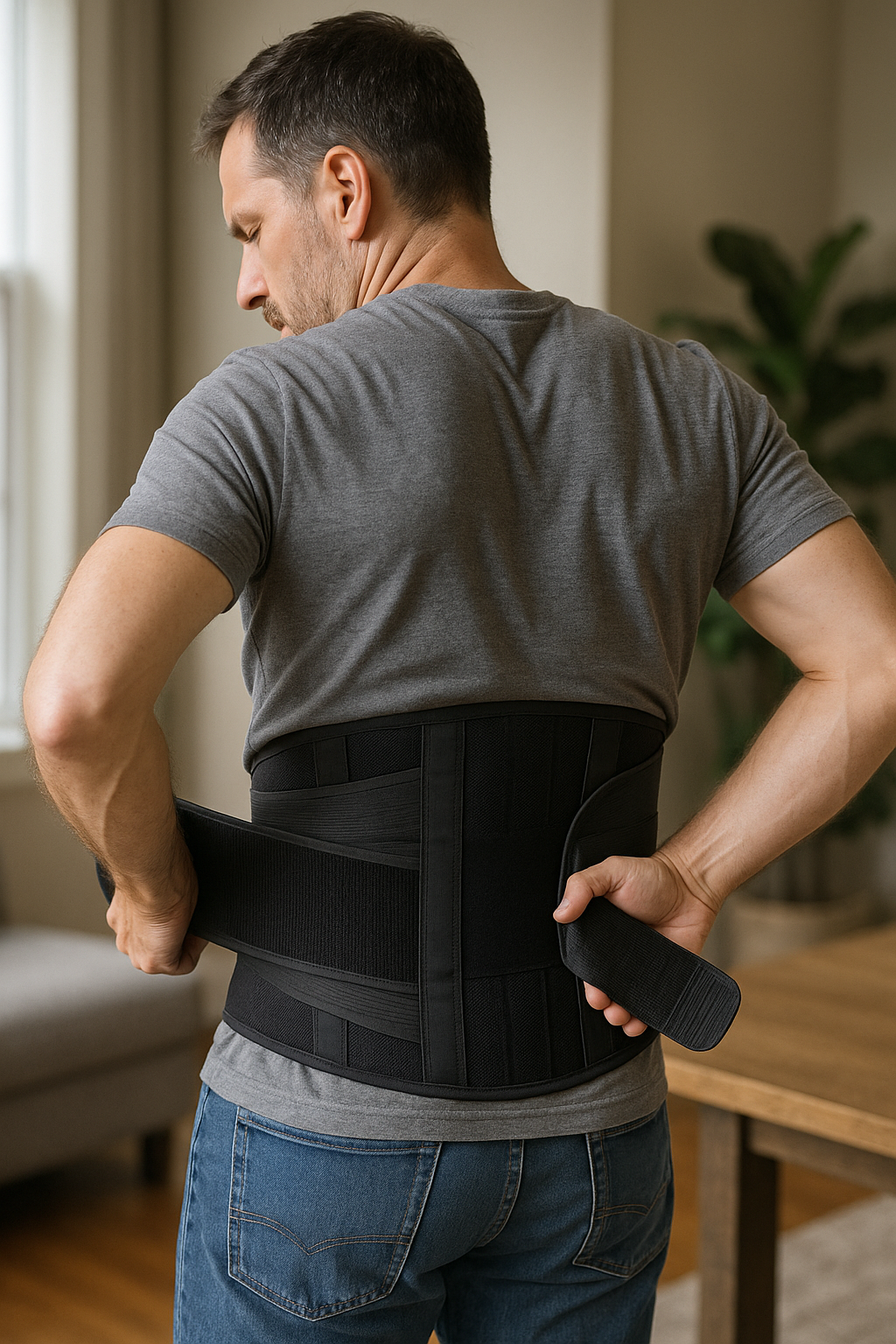
- Support where you need it: Ergonomic supports (for example, for back alignment or joint stability) can reduce friction during daily movement and exercise, making it easier to stay active while dieting.
The goal is not to “burn more calories through perfect posture.” It is to remove barriers that make healthy routines feel harder than they need to be. When your body feels supported, it is easier to keep the habits that make weight loss work: consistent movement, regular training, better sleep, and steadier meal planning.

Women's Posture Shirt™ - Black
Patented shirt for posture, pain relief and daily support; can help during movement or everyday sitting.
Frequently Asked Questions
What is the best diet for weight loss?
The best diet for weight loss is the one you can follow consistently while maintaining an energy deficit. Mediterranean-style eating, higher-protein approaches, and low-carb plans can all work, but they differ in how they affect fullness, food preferences, and long-term adherence. Choosing a style that fits your routine and appetite is usually more important than choosing the “perfect” macro split.
How much protein should I consume for weight loss?
A common evidence-based target is about 1.0–1.2 g of protein per kilogram of body weight per day. Another practical guideline is aiming for roughly 30% of daily calories from protein. Spreading protein across meals tends to improve satiety and helps preserve lean mass during a calorie deficit.
Are commercial weight loss programs effective?
They can be effective because they provide structure, education, accountability, and support—factors that often improve adherence. Results depend on personal fit: some people do best with coaching and behavior change tools, while others prefer flexible point systems, community support, or pre-portioned meals.
How can I maintain weight loss long-term?
Long-term maintenance typically requires continuing some form of structure: prioritizing protein and fiber, monitoring weight trends periodically, and keeping activity levels up. Ergonomic improvements can also help by reducing discomfort that limits movement, which supports consistency with exercise and daily activity.
Do free tracking tools really help with weight loss?
Yes. Free tools can increase awareness of portion sizes, calorie intake, and protein or fiber levels, which helps many people create and maintain an energy deficit. They also add accountability and make it easier to spot patterns, such as high-calorie snacks or low-protein meals that reduce satiety.
Källor
- Hall, K.D., et al. (2021). "A Perspective on Time in the Context of Weight Loss and Obesity Management." Journal of Obesity.
- Stanford Medicine. "Comparative Weight Loss Studies." Stanford Nutrition Studies.
- Mayo Clinic Staff. "The Mayo Clinic Diet: A Weight-Loss Program for Life." Mayo Clinic.
- Astrup, A., et al. (2019). "Satiation, Satiety and Their Effects on Eating Behavior." Nutrition Reviews.
- Harvard Health Publishing. "Diet and Weight Loss." Harvard Medical School.
- National Research Council (US). "Dietary Reference Intakes for Energy." National Academies Press.
- UCSF Health. "Guidelines for Losing Weight." UCSF Health.
- Lee, S.Y., et al. (2020). "Current Guidelines for Obesity Treatment." Journal of Obesity & Metabolic Syndrome.
- Tufts Medicine. "Weight Loss: Facts vs. Fiction." Tufts Medicine.
- AARP. "Weight Loss Foods That Really Work." AARP.
- CDC. "Losing Weight." Centers for Disease Control and Prevention.
- MedlinePlus. "Weight Loss - Tips for Success." MedlinePlus.
- NHS. "Healthy Eating When Trying to Lose Weight." National Health Service.
- Nutrition.gov. "Interested in Losing Weight?" Nutrition.gov.