Anxiety is a common issue affecting millions worldwide, often disrupting daily life and well-being. According to recent statistics, anxiety disorders are among the most prevalent mental health conditions, impacting approximately 18% of the adult population in the United States alone. Amidst the search for effective management strategies, exercise emerges as a powerful tool against anxiety, offering an accessible and versatile solution that can be tailored to individual needs and preferences.
the benefits of exercise for anxiety
Exercise is more than just a physical activity; it's a holistic approach to enhancing mental health. Regular physical activity has been shown to alleviate symptoms of anxiety by releasing endorphins, reducing stress hormones, and improving sleep quality. These benefits contribute to a more balanced mood and increased emotional resilience. Furthermore, engaging in exercise can serve as a healthy distraction, redirecting focus from anxiety-inducing thoughts to the task at hand, whether it's a brisk walk, a cycling session, or a yoga routine.
The growing body of research underscores the positive correlation between physical activity and mental health improvements. Studies highlight that even short bursts of exercise, as little as five minutes, can begin to produce anti-anxiety effects, making it a practical option for those with busy schedules. The evidence supporting exercise as a complementary approach to traditional anxiety treatments continues to grow, solidifying its role in mental health management.
purpose of this post
The intention of this post is to provide readers with evidence-based insights into how exercise can be effectively used to manage anxiety. We will explore the scientific evidence behind this connection, discuss the mechanisms through which exercise alleviates anxiety, and offer practical guidance on incorporating exercise into daily life. Whether you're looking for quick routines to ease anxiety or seeking to understand the science behind exercise's benefits, this post aims to equip you with the knowledge and tools to move your body and calm your mind.
scientific evidence supporting exercise against anxiety
The connection between exercise and anxiety relief is well-documented in scientific literature. The Anxiety and Depression Association of America highlights that even a brief session of aerobic exercise, lasting just five minutes, can initiate anti-anxiety effects. This immediate impact makes exercise an appealing option for those seeking quick relief from anxiety symptoms. Moreover, regular physical activity serves as a non-pharmacological intervention, offering a natural and accessible way to manage anxiety without medication.
Harvard Health emphasizes the importance of selecting enjoyable activities to ensure consistency and motivation. Engaging in exercise that you find pleasurable not only increases the likelihood of maintaining a routine but also enhances the mental health benefits. The added advantages of social interaction and spending time in nature during exercise can further amplify its positive effects on anxiety.
The Mayo Clinic recommends aiming for at least 150 minutes of moderate aerobic activity per week to alleviate anxiety symptoms. This guideline aligns with broader health recommendations and underscores the role of exercise in fostering mental well-being. Regular exercise releases endorphins, which are natural mood lifters, and reduces stress hormones, contributing to a calmer state of mind.
mechanisms of action: how exercise alleviates anxiety
Exercise alleviates anxiety through multiple physiological and psychological mechanisms. These include:
- Endorphin release: Physical activity stimulates the production of endorphins, chemicals in the brain that act as natural painkillers and mood elevators.
- Reduction of stress hormones: Exercise lowers levels of stress hormones, such as cortisol, helping to reduce feelings of stress and anxiety.
- Improved sleep: Regular physical activity enhances sleep quality, which is crucial for managing anxiety as poor sleep can exacerbate symptoms.
- Enhanced mental alertness: Exercise boosts cognitive function and mental clarity, aiding in better focus and decision-making.
- Increased emotional resilience: Engaging in regular exercise builds resilience against stressors, improving overall emotional stability.
comparing types of exercise for anxiety reduction
When considering exercise options for anxiety reduction, both aerobic exercises and strength training offer distinct benefits. Aerobic exercises, such as walking, jogging, and cycling, are particularly effective in reducing anxiety due to their ability to elevate heart rate and improve cardiovascular health. These activities are accessible to most people and can be easily incorporated into daily routines.
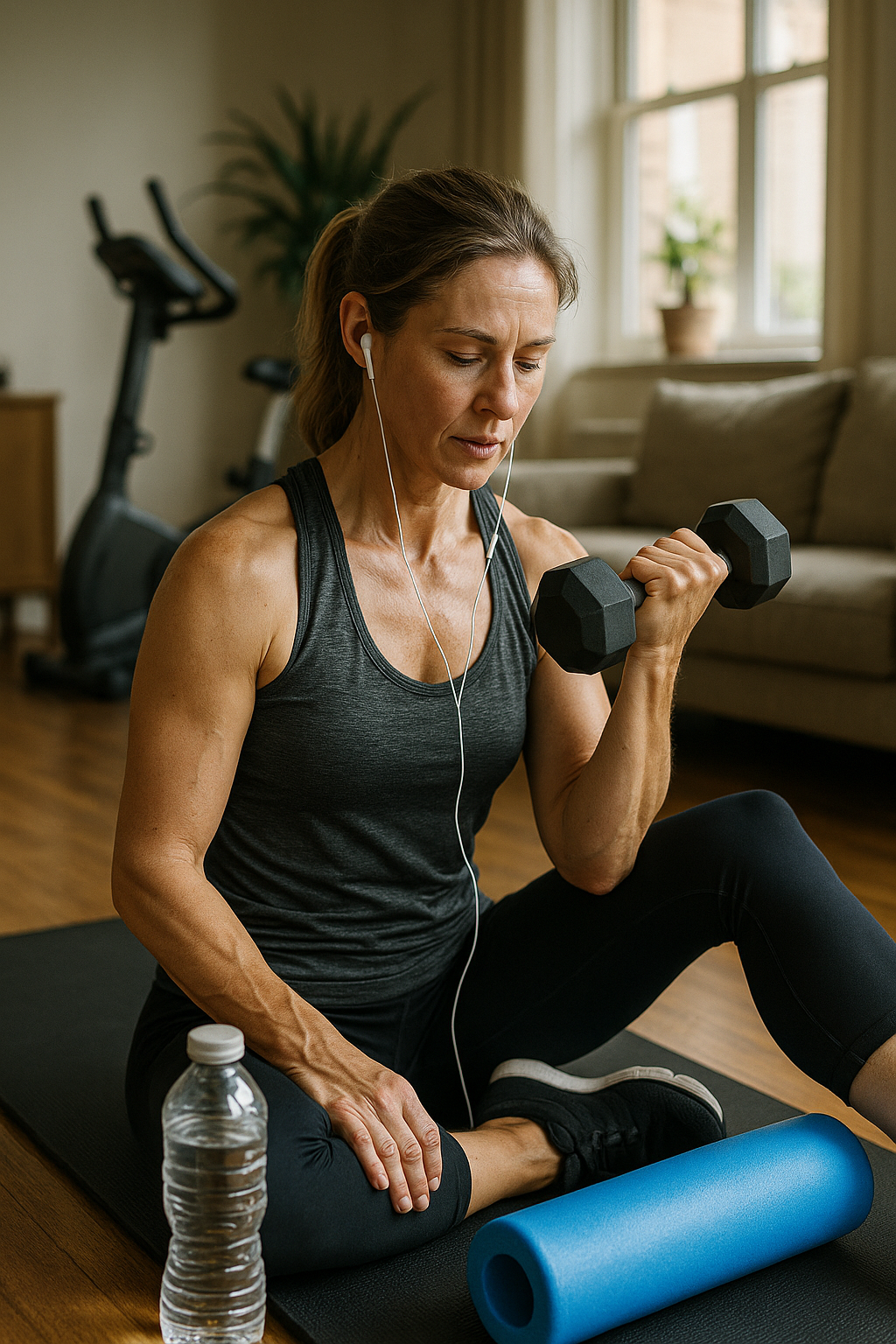
Strength training, while often associated with physical benefits like increased muscle mass and strength, also plays a role in anxiety management. It enhances self-esteem and confidence, which can positively impact mental health. Additionally, the focus required during strength training sessions can serve as a mindfulness practice, diverting attention from anxious thoughts.
| Exercise Type | Examples | Impact on Anxiety |
|---|---|---|
| Aerobic | Walking, Jogging, Cycling | Immediate anti-anxiety effects, improved cardiovascular health |
| Strength Training | Weightlifting, Resistance Exercises | Boosts self-esteem, mindfulness, and resilience |
Ultimately, the best exercise for anxiety is the one that you enjoy and can consistently incorporate into your lifestyle. Whether it's a brisk walk in the park, a group fitness class, or a solo session at the gym, finding an activity that resonates with you is key to reaping the mental health benefits.
practical exercise routines for anxiety relief
Incorporating exercise into your daily routine doesn't have to be time-consuming or complex. Here are some simple, yet effective exercises that can help relieve anxiety:
- 5-minute aerobic routine: Start with a brisk walk or stationary cycling for just five minutes. This short burst of activity can quickly elevate your heart rate, releasing endorphins and reducing anxiety.
- Diaphragmatic breathing: Sit comfortably with your back straight. Inhale deeply through your nose, allowing your diaphragm to expand, and exhale slowly through your mouth. This exercise can be done anywhere and helps calm the nervous system.
- Alternate nostril breathing: This yoga-based technique involves closing one nostril while inhaling through the other, then switching sides. It balances the mind and reduces stress.
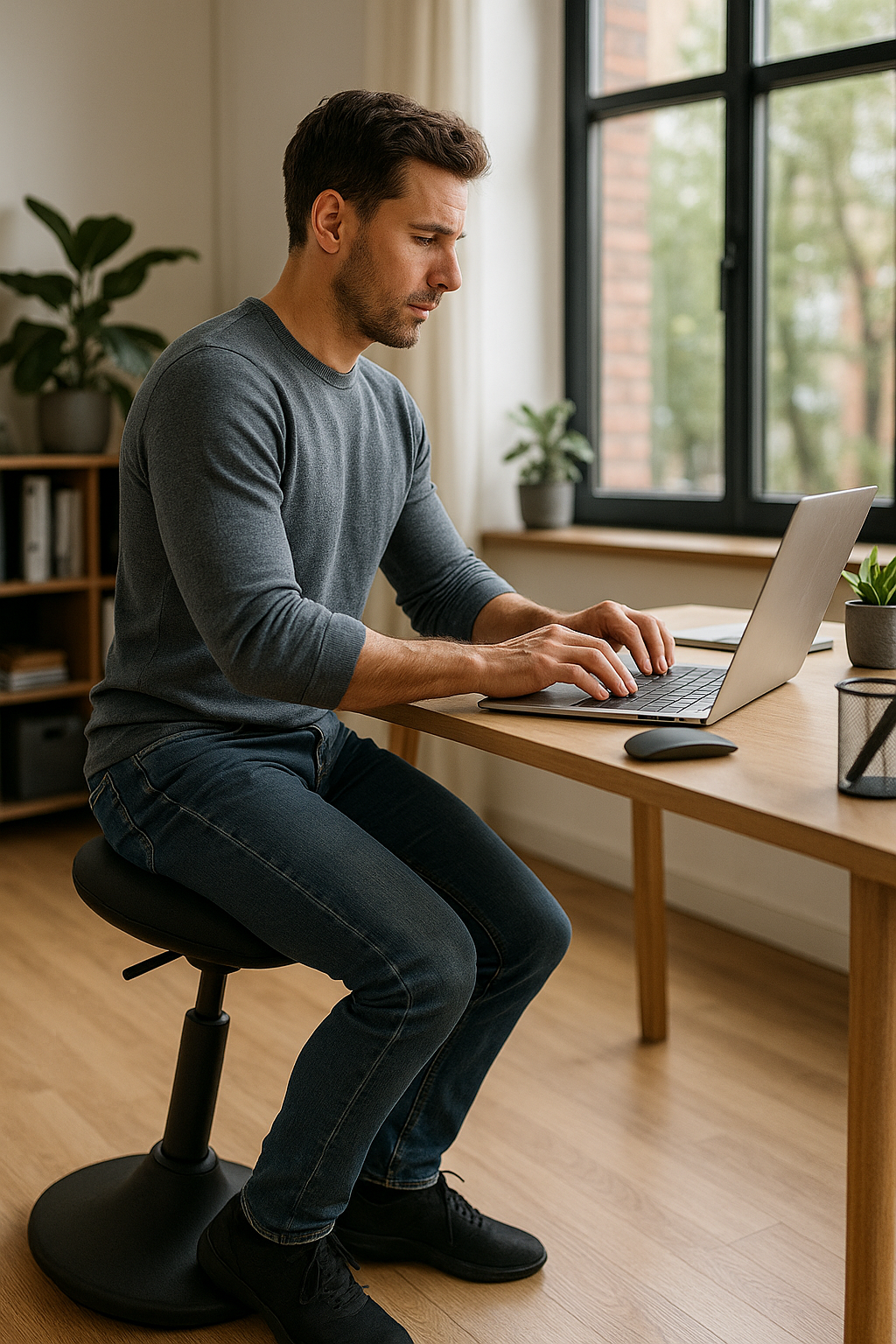
- Posture-aware exercises: At your desk, try shoulder rolls, neck stretches, and seated twists to relieve tension and improve posture, which can help reduce anxiety symptoms.

Women's Posture Shirt™ - Black
Supports posture, relieves pain, and enhances muscle activation daily.
integrating exercise into daily life
Making exercise a regular part of your routine can be easier than you think. Here are some tips to help you incorporate movement into your busy schedule:
- Micro-movement breaks: Set a timer to remind yourself to take short breaks every hour. Use this time to stand up, stretch, or walk around to keep your body active and your mind refreshed.
- Join walking groups: Walking with others not only provides social support but also makes exercise more enjoyable. Look for local walking clubs or invite friends to join you.
- Exercise with friends: Pairing up with a friend for workouts can boost motivation and make the activity more fun, helping you stick to your routine.
frequently asked questions
Can exercise cure anxiety?
While exercise is a powerful tool for reducing anxiety symptoms, it is most effective when used as part of a comprehensive management plan. It can significantly alleviate symptoms but is not a standalone cure.
How long does it take before exercise helps anxiety?
Exercise can have immediate effects, with studies showing that even five minutes of aerobic activity can begin to reduce anxiety symptoms. Long-term benefits are typically seen with regular, consistent exercise over weeks and months.
What if I have back pain?
If you experience back pain, consider low-impact exercises such as swimming or cycling, which are easier on the joints. Additionally, ergonomic aids like supportive seating or posture-correcting devices can help facilitate movement and reduce discomfort.

Lumbar support belt
Provides adjustable lower back support for relief and stability during activities.
conclusion
Regular exercise is a valuable component in managing anxiety, offering both immediate and long-term benefits for mental health. By incorporating simple routines into your daily life, you can harness the power of movement to calm your mind and improve your overall well-being. Explore different types of physical activities to find what works best for you, and enjoy the journey towards a more balanced and anxiety-free life.
Källor
- Harvard Health Publishing. (2019). "Can Exercise Help Treat Anxiety?"
- Anxiety and Depression Association of America. "Exercise, Stress, and Anxiety."
- Petruzzello, S.J., et al. (1991). "A Meta-analysis on the Anxiety-reducing Effects of Acute and Chronic Exercise." Sports Medicine.
- Anderson, E., & Shivakumar, G. (2013). "Effects of Exercise and Physical Activity on Anxiety." Frontiers in Psychiatry.
- Wegner, M., et al. (2014). "The Effect of Exercise on Anxiety and Depression." Deutsches Ärzteblatt International.
- Mayo Clinic. "Depression and Anxiety: Exercise Eases Symptoms."
- Herring, M.P., et al. (2010). "The Effect of Exercise Training on Anxiety Symptoms Among Patients." Archives of Internal Medicine.
- American Psychiatric Association. "Benefits of Exercise in Preventing and Treating Anxiety."
- Jayakody, K., et al. (2014). "Exercise for Anxiety Disorders: Systematic Review." British Journal of Sports Medicine.
- Healthline. "Exercise Reduces Anxiety and Improves Emotional Resilience."
- WebMD. "Best Exercises for Anxiety."
- National Academy of Sports Medicine. "Exercise as an Anxiety Intervention."
- Medical News Today. "Anxiety Exercises: How Physical Activity Can Help."
- Healthline. "Anxiety Exercises: 6 Exercises for Relief and Relaxation."
- The Lancet. "Exercise and Anxiety: A Review of the Evidence."