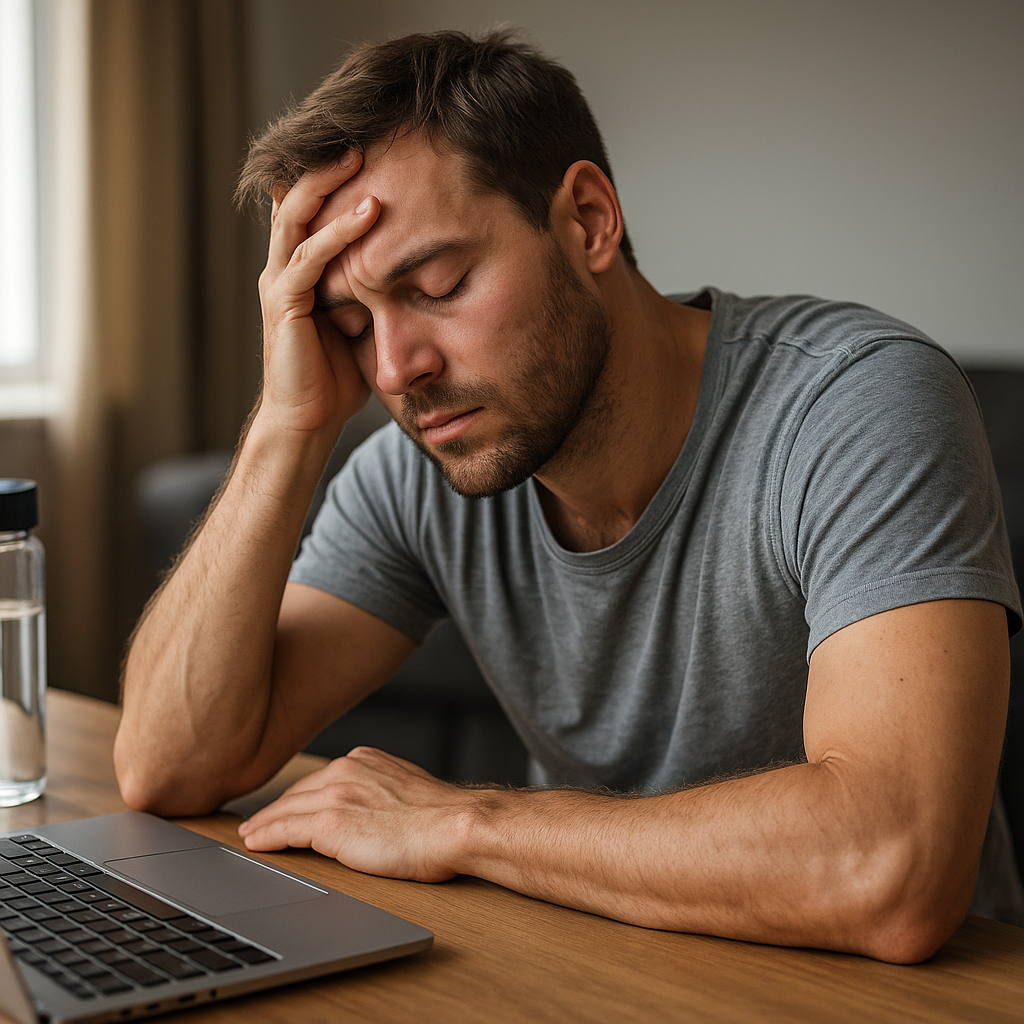
Scoliosis is a condition characterized by an abnormal curvature of the spine, and while it can affect individuals of all ages, it is particularly prevalent among the elderly. In older adults, this condition is often referred to as degenerative scoliosis. This specific type of scoliosis develops as a result of age-related changes and wear and tear on the spine. Studies indicate that over 60% of elderly volunteers exhibit some form of scoliosis, underscoring the importance of understanding this condition and its implications for senior health.
Challenges of scoliosis in the elderly
For elderly individuals, scoliosis can present several challenges, primarily revolving around pain and mobility limitations. As the spine curves, it can lead to discomfort and restrict movement, making everyday activities more difficult. Pain management and maintaining mobility are crucial for improving quality of life in affected seniors. While surgical options exist, conservative management strategies are often emphasized due to the risks associated with surgery in older adults. These strategies include physical therapy, exercise, and ergonomic adjustments, which aim to alleviate pain and enhance mobility without the need for invasive procedures.
The impact of aging on the spine
Aging naturally contributes to various degenerative changes in the spine, which can lead to the development of scoliosis. As we age, the discs between the vertebrae can degenerate, facet joints may develop arthritis, and ligaments can weaken. These changes can cause the spine to lose its structural integrity, resulting in the sideways curvature characteristic of scoliosis. Degenerative scoliosis differs from idiopathic scoliosis, which typically occurs during adolescence with no known cause, and from traumatic scoliosis, which results from injury.
Early recognition and management of scoliosis in the elderly are vital to preserving their quality of life. Identifying symptoms early allows for timely intervention, which can help manage pain and prevent further curvature progression. By understanding the impact of aging on the spine and the nature of degenerative scoliosis, caregivers and healthcare providers can better support elderly individuals in managing this condition effectively.
Understanding degenerative scoliosis
Degenerative scoliosis in the elderly primarily arises due to age-related changes such as disc degeneration, facet joint arthritis, and osteoporosis. As these components of the spine deteriorate, they can lead to a sideways curvature, which is characteristic of scoliosis. Several risk factors contribute to the development of degenerative scoliosis, including advancing age, a history of idiopathic scoliosis, and certain lifestyle factors such as a sedentary lifestyle or poor posture. Recognizing these risk factors is crucial for early intervention and management.
Symptoms and clinical presentation
Elderly individuals with scoliosis often experience a range of symptoms that can significantly impact their daily lives. Common symptoms include persistent back pain, leg pain, noticeable changes in posture, and neurogenic claudication, which is characterized by pain or discomfort in the legs when walking or standing. These symptoms can limit mobility and reduce the ability to perform everyday activities, ultimately affecting the individual's quality of life. Understanding these symptoms allows for targeted management strategies aimed at alleviating discomfort and maintaining function.
Conservative management strategies
Physical therapy and exercise
Physical therapy plays a vital role in managing scoliosis symptoms in the elderly. It focuses on exercises that strengthen the core muscles, improve posture, and enhance flexibility. Specific exercises, such as pelvic tilts, knee-to-chest stretches, and bird-dog exercises, can help stabilize the spine and reduce pain. It's essential to perform these exercises under the guidance of a healthcare professional to ensure safety and effectiveness.
| Exercise | Description | Safety Tips |
|---|---|---|
| Pelvic Tilts | Lie on your back with knees bent, tighten abdominal muscles to flatten your back against the floor. | Start slowly, avoid straining the neck. |
| Knee-to-Chest Stretches | Lie on your back, pull one knee towards your chest, hold, then switch legs. | Keep the opposite leg flat on the ground. |
| Bird-Dog | On hands and knees, extend one arm and the opposite leg, hold, then switch. | Maintain a neutral spine throughout. |
Ergonomic adjustments
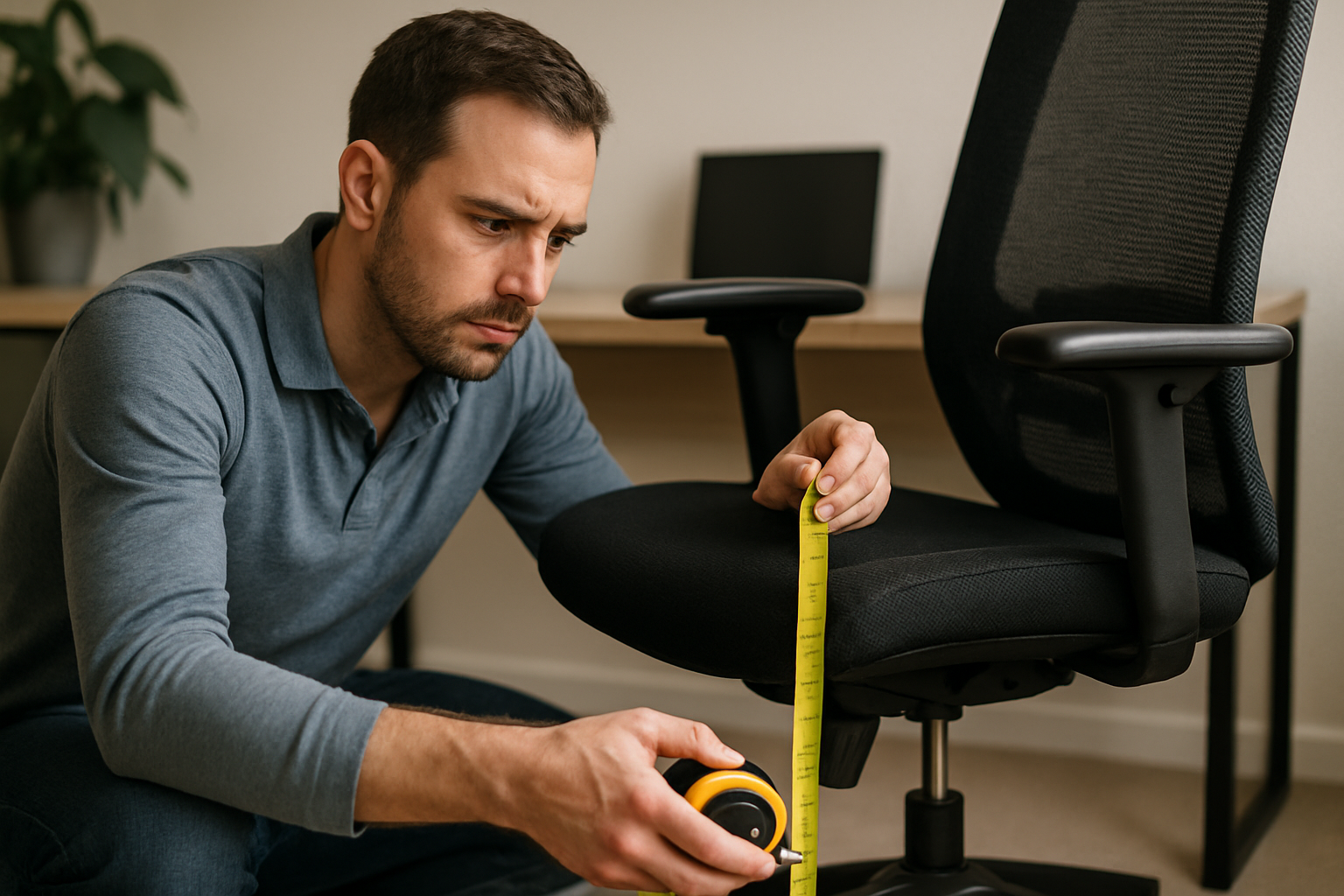
Incorporating ergonomic adjustments into daily life can significantly reduce pain and improve function for individuals with scoliosis. Setting up living spaces to minimize bending and twisting is crucial. For instance, placing frequently used items within easy reach, using supportive chairs with proper lumbar support, and ensuring that beds and seating are at a comfortable height can all contribute to a more ergonomic environment. Additionally, using posture aids such as lumbar rolls or seat cushions can help maintain proper spinal alignment.
- Choose chairs with adequate lumbar support.
- Keep frequently used items at waist height to avoid bending.
- Use a firm mattress and supportive pillows to maintain spinal alignment during sleep.
By understanding the causes, symptoms, and management strategies for scoliosis in the elderly, individuals and caregivers can better navigate the challenges posed by this condition. Focusing on conservative management approaches such as physical therapy and ergonomic adjustments can help maintain mobility and improve quality of life, allowing seniors to manage scoliosis with confidence and ease.
Bracing and supportive garments
In managing scoliosis in the elderly, braces and supportive garments can play a significant role in alleviating symptoms. While these tools are not corrective for adults, they provide necessary support that can help reduce pain and enhance comfort during daily activities. It's important to select the right type of brace or garment based on individual needs and to use them appropriately. Typically, braces should be worn for limited periods to prevent muscle weakening and should be fitted by a healthcare professional to ensure proper alignment and support.

Women's Posture Shirt™ - Black
Improves posture, relieves pain and stimulates muscle activity. Patented technology; medical device certified.

ActivePosture® Shirt for men
Discreet shirt for everyday posture support and comfort during activities and work.
When to consider surgery
For some elderly individuals, surgery might be considered when scoliosis symptoms are severe and significantly impact quality of life. Criteria for surgical intervention often include a large curve size, rapid progression, or debilitating symptoms that do not respond to conservative management. However, surgery in older adults carries higher risks, making it crucial to weigh the benefits against potential complications. Consultation with a specialist is essential to develop a personalized treatment plan that considers the individual's overall health and specific needs.
Self-management and monitoring
Effective self-management strategies are vital for elderly individuals with scoliosis. Keeping an activity log and monitoring symptoms can help track changes and identify patterns that may need medical attention. Regular follow-ups with healthcare providers, along with periodic imaging, can help monitor the progression of the condition. Seniors should be aware of red flags such as increased pain, changes in posture, or new neurological symptoms, which warrant prompt medical evaluation.
Frequently asked questions
Will my curve keep getting worse?
The progression of scoliosis in the elderly varies from person to person. Factors such as the degree of curvature, overall health, and adherence to management strategies can influence progression. While some individuals may experience a gradual worsening of the curve, effective management can help slow down this process.
Can I still exercise?
Yes, exercise is generally beneficial for individuals with scoliosis. Engaging in activities that strengthen the core, improve flexibility, and enhance posture can help manage symptoms. However, it's crucial to choose exercises that are safe and appropriate for your condition, ideally under the guidance of a healthcare professional.
Is surgery safe at my age?
Surgery for scoliosis in the elderly is typically considered a last resort due to increased risks associated with age. While it can offer significant benefits for those with severe symptoms, the decision to undergo surgery should be made after thorough consultation with a specialist, considering all potential risks and benefits.
What lifestyle changes can help manage scoliosis?
Adopting a healthy lifestyle can support scoliosis management. This includes maintaining a balanced diet rich in calcium and vitamin D, managing weight, and integrating ergonomic adjustments into daily routines to reduce strain on the spine. Regular physical activity tailored to your needs can also be beneficial.
How can I improve my posture?
Improving posture involves being mindful of your body's alignment during daily activities. Practicing exercises that strengthen the back and core can help maintain proper posture. Additionally, using posture aids such as lumbar rolls or supportive seating can promote better alignment and reduce discomfort.
Källor
- Scoliosis Institute. "Scoliosis in Older Patients."
- University of Maryland Medical Center. "Scoliosis Patient Guide."
- Hudson Valley Scoliosis. "Adult Onset Scoliosis."
- Mass General Brigham. "How to Manage Adult Scoliosis."
- Ubie Health. "Scoliosis in Seniors: Corrective Aging Spines."
- Hospital for Special Surgery. "Scoliosis in Adults."
- Healthline. "Scoliosis Treatment for Adults."
- Cleveland Clinic. "Scoliosis."
- Scoliosis Society. "Ageing Spine and Scoliosis."
- NHS. "Scoliosis Treatment in Adults."
- National Center for Biotechnology Information. "Degenerative Scoliosis."
- Ahlgren Spine. "Understanding Scoliosis Treatment for Seniors."
- Harvard Health. "Scoliosis Treatment: Can It Help as You Get Older?"
- Treating Scoliosis. "Managing Scoliosis in Older Adults."
- NHS. "Scoliosis."
- PubMed. "Scoliosis in the Elderly Population."
- YouTube. "Understanding Scoliosis in Seniors."
- Mayo Clinic. "Scoliosis: Symptoms and Causes."