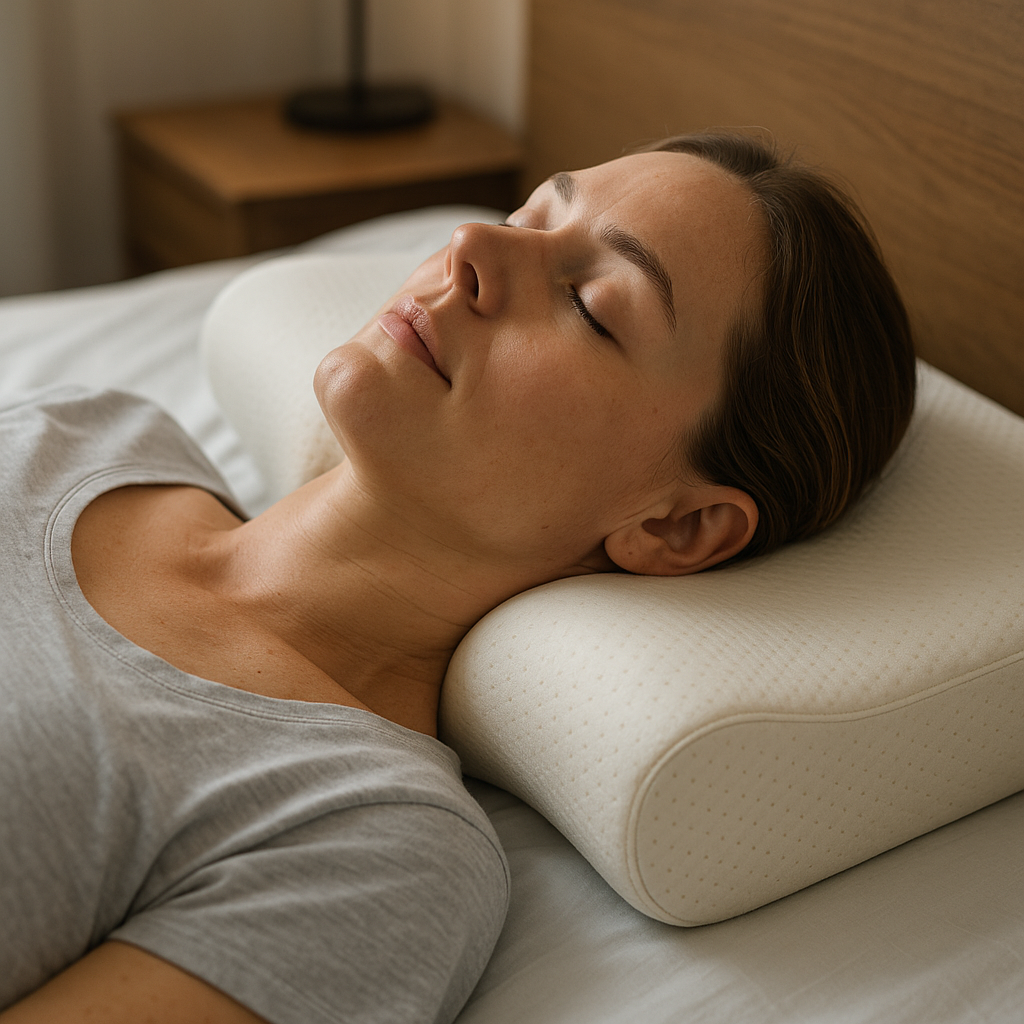
Deep sleep can feel like the most mysterious part of the night: you close your eyes, time disappears, and you wake up hoping your body and brain have done their quiet repair work. But if you regularly open your eyes feeling foggy, stiff, or strangely unrested, it’s worth asking a simple question: are you truly getting the restorative sleep your body craves?
While we often talk about sleep as one long block, your night is actually a repeating cycle of stages. Deep sleep is the stage many people are searching for when they say they want “better sleep” because it’s where the body shifts from simply resting to actively rebuilding. It’s also the stage that tends to shrink with stress, irregular schedules, late-night scrolling, and anything that keeps your nervous system on high alert.
What deep sleep actually is
Deep sleep is also known as Stage N3 of non-rapid eye movement (NREM) sleep. It’s sometimes called slow-wave sleep because brain activity slows into powerful, low-frequency waves. During this stage, your breathing and heart rate become more regular, your muscles relax, and waking up is noticeably harder. If you’ve ever been shaken awake and felt disoriented or heavy-headed, you may have been pulled out of deep sleep.
This is not “extra” sleep or a luxury stage. It’s a core biological setting where the body prioritises physical restoration and the brain shifts into maintenance mode. In a typical night, deep sleep is most concentrated in the earlier part of sleep, which is one reason consistent bedtimes matter more than many people realise.
Why deep sleep matters for body and mind
Deep sleep is strongly linked to the processes that help you recover from everyday wear and tear. It supports tissue repair and muscle recovery, helps regulate immune function, and plays a role in how refreshed you feel the next day. It’s also closely tied to cognitive performance: the brain uses the night to strengthen learning, stabilise memories, and clear out metabolic “waste” that builds up during waking hours.
When deep sleep is consistently reduced, the effects can show up in subtle ways first: slower thinking, lower resilience to stress, and a body that feels like it needs longer to bounce back. Over time, insufficient restorative sleep has been associated in research with higher risks to long-term brain health. The good news is that deep sleep is not purely luck. Understanding what it is and what influences it is the first step toward improving it.
Understanding sleep stages and where deep sleep fits
Your night is built from repeating sleep cycles that typically last around 90–120 minutes. Within each cycle, you move through non-rapid eye movement (NREM) sleep and rapid eye movement (REM) sleep. Deep sleep is the third NREM stage (N3), and it tends to appear most heavily in the first half of the night. That timing matters: if you regularly cut sleep short, you often lose a disproportionate amount of deep sleep compared with later-stage REM.
Each stage has a distinct job. Light stages help you transition from wakefulness, deeper NREM supports physical restoration, and REM is strongly linked to emotional processing and creative integration. Seeing the stages side-by-side makes it easier to understand why “more hours” isn’t always the same as “more recovery.”
| Stage | Typical timing in the night | What’s happening |
|---|---|---|
| N1 (light sleep) | Minutes, mostly at sleep onset | Transition phase; muscles begin to relax; easy to wake |
| N2 (stable sleep) | Largest share across the night | Body temperature drops; heart rate slows; brain activity becomes more organised |
| N3 (deep sleep) | Heaviest in the first 1–3 cycles | Slow-wave brain activity; hardest to wake; physical restoration is prioritised |
| REM (dream sleep) | Longer periods toward morning | Vivid dreaming; brain highly active; important for emotional and cognitive processing |
Physiological benefits of deep sleep
Deep sleep is when your body leans into repair. During N3, the nervous system shifts toward a calmer, recovery-focused state: breathing becomes more regular, heart rate slows, and muscles are deeply relaxed. This is also when the body supports tissue repair through growth hormone release, and when immune signalling molecules (including cytokines) are more active in coordinating defence and recovery processes.
For anyone training regularly, deep sleep is one of the reasons you can feel stronger after a good night and “flat” after a poor one. It’s not just about energy; it’s about rebuilding. Micro-damage from exercise, everyday strain on joints and connective tissue, and even the stress load of a demanding week all require biological resources to resolve. Deep sleep helps create the conditions where that work can happen efficiently.

Men's Posture Shirt™ - Black
Patented posture shirt that stimulates muscles and provides relief from pain and tension.
It also supports metabolic balance. When sleep is fragmented, the body spends more time in lighter stages, which can reduce the amount of time available for the deeper restoration processes that help you feel physically resilient. Over time, that can show up as slower recovery, more frequent aches, and a sense that your body is always “catching up.”
Cognitive recovery and long-term brain health
Deep sleep is not only a body reset; it’s also a brain reset. Slow-wave activity is closely linked to memory consolidation and learning efficiency. In simple terms, deep sleep helps stabilise what you learned during the day so it’s easier to recall and use later. When deep sleep is reduced, many people notice it as mental sluggishness: slower reaction time, poorer focus, and more difficulty retaining new information.
Another major area of interest is brain “maintenance.” Research has highlighted that deep NREM sleep supports the clearance of metabolic by-products that accumulate during waking hours. This nightly clean-up is one reason deep sleep is frequently discussed in relation to healthy ageing and neurodegenerative risk. While sleep alone is not a guarantee against conditions like Alzheimer’s disease, consistently poor restorative sleep is increasingly viewed as a meaningful risk factor for long-term brain health.
What happens when you don’t get enough deep sleep
Deep sleep deficiency isn’t always obvious, because you can still spend many hours in bed and wake up feeling tired. Common short-term signs include heavy morning grogginess, reduced motivation, difficulty concentrating, and a body that feels unusually sore or slow to recover. You may also notice that stress feels louder: when restorative sleep is low, the nervous system can become more reactive.
Over the longer term, insufficient high-quality sleep has been associated in large population studies with changes in brain structure and increased risk markers for cognitive decline and stroke. The takeaway isn’t to panic over a single bad night, but to treat persistent sleep disruption as a health signal worth addressing. Improving deep sleep often starts with understanding your patterns: consistent bed and wake times, fewer awakenings, and a sleep environment that supports comfort and uninterrupted rest.
Emerging research on deep sleep and recovery
Deep sleep research is moving beyond simply describing Stage N3 and into exploring how it might be supported more directly. One promising area is sleep stimulation, where researchers use carefully timed sound pulses or electrical stimulation to strengthen slow-wave activity. The goal is not to “force” sleep, but to reinforce the brain’s natural deep sleep rhythms so the restorative processes tied to slow waves can occur more efficiently. Early findings suggest that enhancing slow-wave patterns may support learning and memory performance, but these approaches are still primarily research-based and not a standard consumer solution.
Another trend is the growing interest in deep rest practices that complement deep sleep. Techniques such as yoga nidra, breathwork, and other structured relaxation methods aim to shift the nervous system out of a stress-driven state and into a calmer baseline. While deep rest is not a replacement for deep sleep, it may help people who struggle to unwind at night by lowering arousal and making it easier to fall asleep and stay asleep. In practical terms, anything that reduces late-day stress load can indirectly protect deep sleep by reducing awakenings and keeping the body in deeper stages for longer.
Practical ways to get more deep sleep
Because deep sleep is concentrated in the first part of the night, the most effective strategies often focus on protecting the beginning of your sleep window. Small changes that reduce fragmentation can add up to more time in Stage N3 over the week.
- Keep a consistent schedule: Going to bed and waking up at similar times helps stabilise your circadian rhythm, making it easier to enter deep sleep earlier and more reliably.
- Reduce light and screens before bed: Bright light and stimulating content can delay sleep onset and increase lighter-stage sleep. Aim for a calmer, dimmer last 30–60 minutes.
- Optimise your sleep environment: A cool, dark, quiet room supports deeper sleep. If noise wakes you, consider steady background sound rather than sudden changes in volume.
- Limit alcohol close to bedtime: Alcohol can make you sleepy initially, but it often fragments sleep later, reducing overall restorative quality and increasing awakenings.
- Be strategic with caffeine: If you’re sensitive, caffeine later in the day can reduce sleep depth. Track how your body responds and adjust timing accordingly.
- Move during the day: Regular physical activity supports sleep pressure and can improve sleep depth, but intense training very late may be too activating for some people.
Ergonomics, pain, and uninterrupted deep sleep
One of the most overlooked barriers to deep sleep is discomfort. If you wake up to change position, manage shoulder or hip pressure, or ease back and neck tension, your sleep can become fragmented even if you don’t fully remember waking. Those micro-awakenings can pull you out of deep sleep and reduce the time your body spends in its most restorative stage.
Ergonomics can help by reducing strain and supporting neutral alignment, especially for people who sit for long hours, train frequently, or already deal with stiffness. The goal is simple: fewer pain signals at night, fewer position changes, and a smoother path through the deeper stages of sleep. Practical starting points include choosing a pillow height that keeps the neck neutral, ensuring the mattress provides pressure relief without collapsing, and addressing daytime posture habits that can feed into nighttime discomfort.
If you suspect pain is driving poor sleep, treat it as a solvable input rather than “just how you sleep.” Improving comfort can be one of the most direct ways to protect deep sleep without adding complexity to your routine.

Women's Posture Shirt™ - Black
Stimulates your muscles and can relieve pain and tension for improved sleep and posture.
Frequently Asked Questions
What is deep sleep, and why is it important?
Deep sleep is Stage N3 of NREM sleep, also called slow-wave sleep. It is important because it supports physical restoration (including tissue repair and recovery processes), helps regulate immune function, and contributes to cognitive recovery such as memory consolidation and learning efficiency.
How much deep sleep do I need?
For most adults, deep sleep typically makes up about 10–20% of total sleep time. In practical terms, that often equals roughly 40–110 minutes per night, though it can vary by age, stress level, and overall sleep duration.
What are the signs of deep sleep deficiency?
Common signs include daytime fatigue, brain fog, reduced concentration, slower recovery after exercise, and feeling unrefreshed despite spending enough time in bed. Frequent nighttime awakenings and waking with stiffness or soreness can also be clues that sleep is fragmented.
Can lifestyle changes improve deep sleep?
Yes. Consistent bed and wake times, a cooler and darker sleep environment, reduced evening screen exposure, and managing stress can all support deeper sleep. Limiting alcohol close to bedtime and adjusting caffeine timing can also reduce sleep disruption.
Are there any tools or devices that can help track deep sleep?
Wearables such as smartwatches, rings, and fitness trackers can estimate deep sleep using movement and heart-rate patterns. They can be useful for spotting trends over time, but they are not a clinical measurement. Focus on patterns (for example, how deep sleep changes with bedtime, alcohol, or stress) rather than a single night’s number.
Källor
- Woman's Hospital. (n.d.). "What is Deep Sleep and Why Does it Matter."
- UCSF Psychiatry. (n.d.). "New Study Explores the Transformative Power of Deep Rest."
- Cleveland Clinic. (n.d.). "Sleep Basics."
- HotDoc. (n.d.). "The Science of Sleep."
- National Center for Biotechnology Information. (n.d.). "Sleep Physiology."
- PubMed Central. (n.d.). "The Role of Sleep in Recovery from Exercise."
- Johns Hopkins Medicine. (n.d.). "The Science of Sleep: Understanding What Happens When You Sleep."
- Sleep Foundation. (n.d.). "Deep Sleep."
- WebMD. (n.d.). "The Effects of Sleep on Your Body."
- Healthline. (n.d.). "Deep Sleep: What It Is and How Much You Need."