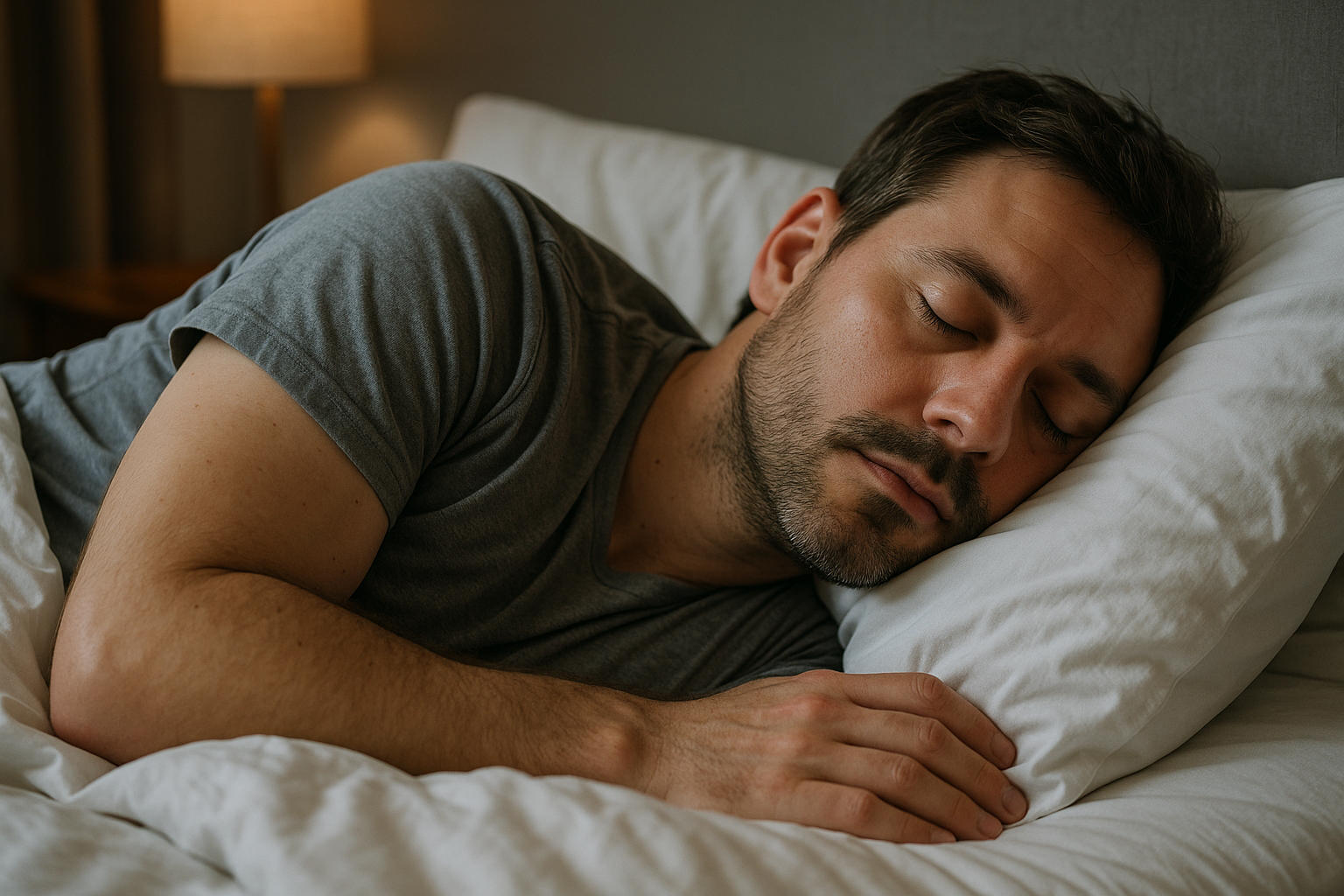
Sleep is one of the most powerful daily habits we have for supporting overall health, yet it’s often treated like a simple on/off switch: you either got enough hours or you didn’t. In reality, what happens during those hours matters too. One surprisingly influential factor is your sleeping positions—how you place your head, neck, shoulders, spine, and hips for roughly a third of your life.
Could the way you sleep be affecting your health more than you realize? For many people, the answer shows up in the morning: stiffness in the neck, a tight lower back, a dull headache, or the feeling that you “slept” but didn’t truly recover. Sleep posture can also influence breathing, snoring, and how often you wake up during the night. And because sleep is when the body restores tissue and the brain processes information, small nightly stressors can add up over time.
Why sleeping positions matter for health
Your body is designed to move, but during sleep you ideally want long, calm stretches of rest with minimal strain. The position you settle into can change how evenly your weight is distributed, whether your spine stays in a neutral line, and how open your airway remains. That’s why sleeping positions are often discussed in relation to sleep quality, pain management, and day-to-day energy.
Most people naturally gravitate toward side sleeping, and it’s frequently recommended as a practical “middle ground” for comfort and alignment. Side sleeping can make it easier to keep the airway more open than lying flat on the back, and it may feel more stable for the neck and lower back—especially when the pillow height and mattress firmness match your body.
There isn’t one perfect position for everyone
There are three main categories—side, back, and stomach—plus countless variations (think fetal, log, starfish, or freefall). The debate about the “best” option can get loud online, but the most useful approach is more personal: the best sleeping positions are the ones that support your breathing and keep your spine comfortable for your specific needs.
If you deal with snoring, reflux, shoulder sensitivity, or recurring neck tension, your ideal setup may look different from someone who sleeps soundly in almost any posture. Preference matters, too: many people spend a significant portion of the night in the position they find most natural, even if they start out differently. In the next section, we’ll look closer at what research and clinical insights suggest about side, back, and stomach sleeping—and why small adjustments can make a noticeable difference.
What research says about sleeping positions and sleep quality
Sleep advice can feel subjective, but several studies have tried to measure what actually happens when people settle into different sleeping positions. In a small multi-night study that tracked both objective sleep data and subjective ratings, a right-side (right lateral) preference was linked with the best overall sleep quality. Participants in that research also spent roughly half the night in the position they said they preferred—an important reminder that “training” a new posture isn’t just about how you fall asleep, but what your body naturally returns to after each micro-awakening.
Another consistent finding across sleep research is that posture can influence how often sleep gets disrupted. Lying on the back (supine) tends to be associated with more breathing-related arousals in people who are prone to snoring or obstructive sleep apnea, because gravity can encourage the tongue and soft tissues to fall backward and narrow the airway. That doesn’t mean back sleeping is always “bad,” but it helps explain why many people unconsciously roll to their side during the night.
Sleep posture and spinal comfort: why alignment matters
From a musculoskeletal perspective, the goal of most sleep posture recommendations is simple: keep the spine as close to neutral as possible from the neck down to the pelvis. When the head is propped too high or too low, the cervical spine can be pushed into side-bending or rotation for hours. Similarly, when the pelvis tilts or the top knee drops forward without support, the lower back can twist.
Clinical research that monitored people with cervical pain suggests that sleep posture patterns can differ meaningfully between those with pain and those without. In that work, the cervical pain group spent about twice as long in side-lying positions considered more “provocative,” and they also changed postures more frequently. The takeaway isn’t that side sleeping causes neck pain; it’s that certain variations of side sleeping (often involving head/neck angle and shoulder loading) may be less forgiving if your tissues are already sensitive.
Side sleeping: the most common choice with real advantages
Side sleeping is widely considered the most practical option for many people because it can support both breathing and spinal comfort—especially with the right pillow height and a mattress that cushions the shoulder and hip. It’s also the position many adults default to, which matters because a position that feels natural is easier to maintain with fewer awakenings.
Within side sleeping, the “right vs. left” question comes up often. Research on sleep quality has highlighted right-side sleeping as a strong performer in terms of fewer disruptions and better overall quality. Meanwhile, some emerging discussions around brain health have suggested that left-side sleeping may support certain clearance processes in the brain. The evidence here is still developing, but it reinforces a practical point: if you already sleep well on your side, small refinements (neck support, shoulder comfort, hip alignment) may be more valuable than forcing a dramatic change.
Back sleeping: supportive for the spine, but not always for breathing
Back sleeping can reduce pressure points and may feel “even” for the neck and lower back when the pillow supports the natural curve of the neck rather than pushing the head forward. For some people with hip or shoulder irritation, it can also be a relief because it avoids compressing one side of the body.
The trade-off is the airway. If you snore, wake with a dry mouth, or have been told you stop breathing at night, back sleeping can worsen symptoms by increasing airway collapse risk. Some research also explores possible links between back sleeping and neurodegenerative conditions, but these findings are not settled and should be interpreted carefully. If back sleeping is comfortable for your joints but problematic for breathing, a slight modification—like a gentle incline or a supported side-lean—may be more realistic than abandoning it entirely.
Stomach sleeping: why it’s often the hardest on the body
Stomach sleeping (prone) is frequently criticized because it tends to force the neck into sustained rotation so you can breathe, while also flattening the natural curve of the spine. Over time, that combination can contribute to morning neck stiffness, upper back tightness, or lower back discomfort.
Interestingly, some studies find that even when people say they prefer stomach sleeping, they may spend relatively little of the night there. That mismatch suggests the body may be seeking a less stressful posture once deeper sleep stages begin. If you’re a dedicated stomach sleeper, the most important goal is usually to reduce neck rotation and excessive lower back arching, rather than aiming for a “perfect” textbook position overnight.
Personality claims: fun to read, but not a health blueprint
You’ll also see plenty of viral content claiming that sleeping positions reveal personality traits—confident back sleepers, cautious fetal sleepers, sociable “yearners,” and so on. These ideas are popular because they’re relatable, but the evidence behind them is limited and often based on older or small studies. If you enjoy the quiz-style angle, treat it as entertainment. For health outcomes like pain, snoring, and sleep quality, posture mechanics and breathing tend to matter far more than personality labels.
Why fewer movements can improve sleep quality
It’s normal to shift during the night, but frequent turning can be a sign that something isn’t quite working—pressure points, an irritated shoulder, an airway that feels restricted, or a pillow that doesn’t support the neck well. In sleep research, lower turning frequency is often associated with more stable sleep, fewer awakenings, and a better chance of spending enough time in deeper, more restorative stages.
This is where sleeping positions become more than a “starting posture.” If you fall asleep on your side but repeatedly roll onto your back and wake up snoring, your sleep may be fragmented even if you’re technically in bed for eight hours. Likewise, if you prefer side sleeping but your shoulder or hip gets sore, you may unconsciously rotate and reset your position all night. The goal is not to eliminate movement entirely, but to make your default posture comfortable enough that your body doesn’t need constant adjustments.
Ergonomic support: small changes that make sleeping positions easier to maintain
The most effective improvements are usually simple: reduce twisting, reduce pressure, and keep the spine closer to neutral. Ergonomic aids can help you do that by “filling the gaps” between your body and the mattress—especially around the neck, waist, knees, and ankles.
- Neck support: Choose a pillow height that keeps your head level with your spine. Too high can side-bend the neck; too low can drop the head and strain the shoulder side.
- Knee support for side sleeping: A pillow between the knees can reduce pelvic rotation and lower-back twisting, especially if the top knee tends to fall forward.
- Waist support: If there’s a gap between your waist and the mattress in side lying, a small pillow or rolled towel can help keep the lumbar spine from “hanging” into side-bend.
- Back sleeping adjustments: A small pillow under the knees can reduce anterior pelvic tilt and ease tension in the lower back. If snoring is an issue, a gentle incline or a supported side-lean may help some people keep the airway more open.
- Shoulder pressure management: If side sleeping irritates your shoulder, check mattress firmness and pillow height first. Sometimes a slightly softer surface or a different arm position (not pinned under the body) reduces compression.

Women's Posture Shirt™ - Black
Improves posture, relieves pain, and activates muscles for support during work or rest.
How to transition to healthier sleeping positions
If your current posture leaves you sore or unrested, changing sleeping positions is possible—but it tends to work best as a gradual process. Your nervous system and tissues adapt over time, and forcing a new position overnight can backfire if it feels unsafe or uncomfortable.
Start with the position you can tolerate for the longest stretch. For many people, that’s side sleeping with better alignment. Use pillows as “bumpers” to reduce unwanted rolling: a pillow behind your back can discourage drifting into a flat supine position, while a body pillow in front can support the top arm and prevent the chest from collapsing forward. If you’re transitioning away from stomach sleeping, try a side-lying variation with a supportive pillow that keeps the head from rotating excessively, and consider hugging a pillow to stabilize the torso.
Pay attention to morning feedback. If you wake with numbness, tingling, sharp pain, or headaches that persist, it may be a sign your setup needs adjustment—or that an underlying issue (like sleep apnea, reflux, or a neck/shoulder condition) needs professional assessment. The best sleeping positions are ultimately the ones you can maintain comfortably, with steady breathing and minimal disruption.
Frequently Asked Questions
What is the best sleeping position for back pain?
For many people, side sleeping is a practical choice for back pain because it can reduce spinal twisting and distribute pressure more evenly. A supportive pillow between the knees often helps keep the pelvis aligned and may reduce strain in the lower back.

Lumbar support belt
Stabilizes and supports your lower back to help relieve pain and tension, ideal for everyday use.
Can sleeping on your back cause health problems?
Back sleeping can be comfortable for the spine in some cases, but it may worsen snoring and obstructive sleep apnea symptoms in people who are prone to airway collapse. If you wake up gasping, feel excessively sleepy during the day, or have been told you stop breathing at night, it’s worth discussing this with a healthcare professional.
How does sleeping position affect sleep quality?
Sleeping positions can influence sleep quality by affecting airway openness, pressure points, and how often you wake and reposition. Positions and setups that support neutral alignment and reduce frequent turning tend to promote more stable sleep.
Is it bad to sleep on your stomach?
Stomach sleeping is often considered the least supportive option because it typically forces the neck into prolonged rotation and can increase strain on the lower back. If you can’t fall asleep any other way, reducing neck rotation and using a very low pillow (or none) may help limit strain.
How can I change my sleeping position?
Make changes gradually and use pillows to guide your body into a more comfortable posture. A pillow between the knees (side sleeping), a pillow under the knees (back sleeping), or a body pillow to support the upper arm and chest can make new sleeping positions feel more natural and easier to maintain.
Källor
- "Sleeping Positions and Their Impact on Health." Journal of Sleep Research.
- "Is There a Best Sleep Position?" Houston Methodist.
- "Choosing the Best Sleep Position." Johns Hopkins Medicine.
- "The Role of Sleep Positions in Sleep Quality." Sleep Medicine Reviews.
- "Is Your Sleep Position Helping or Hurting You?" Harvard Health Publishing.
- "Your Sleeping Position May Help Determine Cognitive Health." Baptist Health News.
- "Sleeping Positions and Their Meanings." Sleep Foundation.
- "Can Sleep Position Affect Your Heart and Brain Health?" American Heart Association.
- "Slideshow: Sleep Positions." WebMD.
- "Press Release: Sleeping Positions and Health." Stony Brook University.