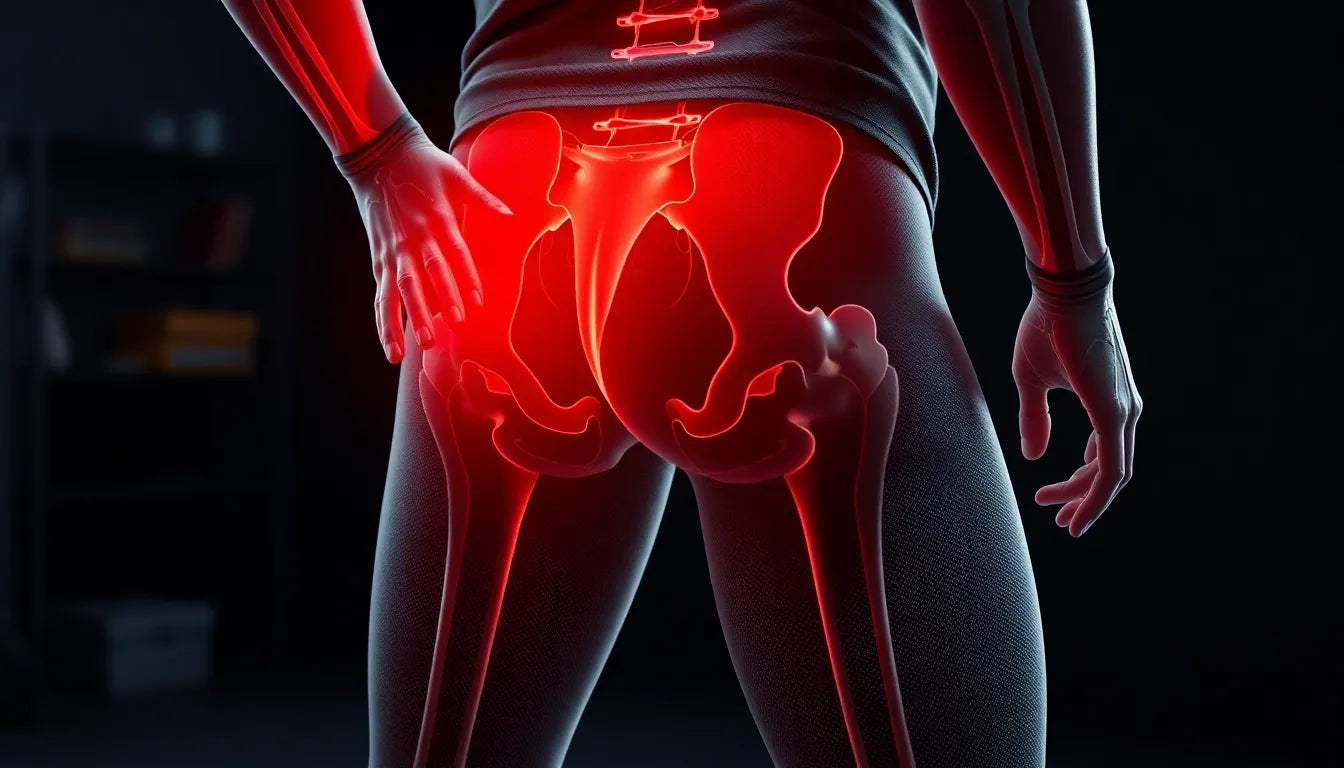
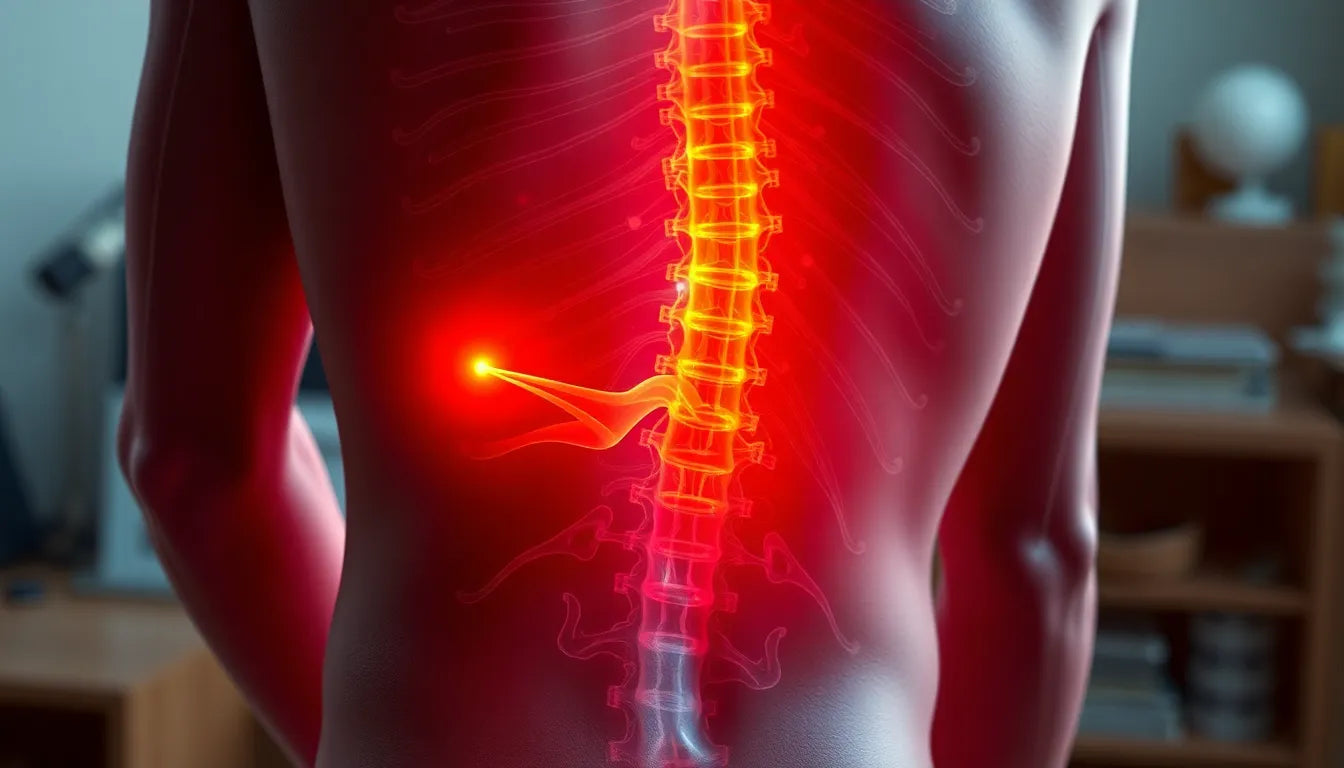
Experiencing a back strain can be a common yet debilitating issue that affects many individuals at some point in their lives. A back strain is an injury involving the muscles or tendons in the back, typically resulting from excessive stretching or tearing. This condition often arises from activities such as heavy lifting, sudden twisting, repetitive bending, or maintaining poor posture. Additionally, factors like being overweight, leading a sedentary lifestyle, or even severe coughing can contribute to the onset of back strain.
The prevalence of back strain is significant, impacting daily life and activities for those afflicted. Whether it's a sharp pain from lifting a heavy box or a dull ache from sitting too long at a desk, the effects of back strain can be both physically and mentally taxing. Understanding the causes and symptoms of back strain is crucial for addressing it promptly and effectively.
The importance of early intervention
Addressing back strain early is essential for preventing further complications. In most cases, back strain is self-limited, with over 90% of individuals experiencing complete recovery within a month. However, neglecting to manage acute back strain properly can lead to chronic pain, which is far more challenging to treat. Early intervention not only alleviates immediate discomfort but also reduces the risk of developing long-term issues.
Recognizing the signs and symptoms of back strain is the first step toward recovery. With proper care and management, individuals can take control of their health and prevent future occurrences. This blog post will explore practical solutions and preventative measures to help you find relief from back strain and get back to your daily activities with confidence.
recognizing symptoms and obtaining a diagnosis
Back strain can manifest through a variety of symptoms that can vary in intensity. Common indicators include localized pain that may worsen with movement, stiffness, and muscle spasms. In some cases, the pain might radiate to other areas due to nerve involvement. Distinguishing these symptoms from those of more severe conditions, such as herniated discs or spinal stenosis, is crucial. A thorough evaluation by a healthcare professional can help determine the correct diagnosis and appropriate treatment plan.
immediate treatment strategies for back strain
Upon experiencing back strain, initiating immediate treatment can significantly impact recovery. Cold and heat therapy are effective first-line treatments. Applying ice packs during the first 48 hours can help reduce inflammation and numb the affected area, thereby alleviating pain. Following this initial period, transitioning to heat therapy can aid in relaxing the muscles and improving blood flow, which promotes healing.
Medications can also play a role in managing back strain. Nonsteroidal anti-inflammatory drugs (NSAIDs) are commonly recommended for their ability to reduce pain and inflammation. In more severe cases, prescription painkillers or muscle relaxants may be prescribed, though their use is generally limited to short-term relief to avoid dependency.
the role of physical activity and rehabilitation
Contrary to the outdated belief that bed rest is beneficial, avoiding prolonged inactivity is essential. Engaging in light physical activity helps maintain mobility and prevents stiffness. Gentle stretching, walking, and exercises focusing on posture correction are recommended to support recovery. Consulting with a physical therapist can provide a tailored exercise regimen that includes core strengthening and posture training, which are vital for preventing future strains.

Lumbar support belt
Supports and stabilises the lower back to relieve pain and tension; adjustable for daily or therapeutic use.
exploring alternative and complementary therapies
For those seeking additional relief, alternative therapies such as acupuncture, chiropractic care, and yoga offer promising options. These therapies can complement conventional treatment by promoting relaxation and improving flexibility. However, it's important to consult with healthcare providers before beginning any alternative treatments to ensure they are appropriate and safe for your specific condition.
prevention tips for avoiding back strain
Preventing back strain involves a combination of exercise and lifestyle modifications. Regular physical activity, particularly exercises that strengthen the core and improve flexibility, can significantly reduce the risk of injury. Maintaining a healthy weight and avoiding smoking are also crucial factors that contribute to overall back health.
Proper ergonomics and posture are equally important. Learning correct lifting techniques and utilizing ergonomic aids, such as supportive chairs and standing desks, can help prevent strain during daily activities. Additionally, being mindful of posture both at home and in the workplace can prevent undue stress on the back.

Men's Posture Shirt™ - Black
Activates muscles and improves posture; helps relieve pain and tension with patented NeuroBand™ technology.
when to seek medical attention
While most cases of back strain improve with self-care, certain symptoms warrant professional evaluation. Severe pain, neurological symptoms like numbness or tingling, or pain following trauma are red flags that require immediate medical attention. Consulting healthcare providers for persistent or worsening symptoms ensures appropriate intervention and prevents potential complications.
By understanding the symptoms, implementing effective treatment strategies, and adopting preventive measures, individuals can manage back strain effectively and reduce the likelihood of recurrence. This comprehensive approach not only alleviates current discomfort but also promotes long-term back health.
prevention tips for avoiding back strain
Preventing back strain is an essential component of maintaining long-term back health. Incorporating regular exercise into your routine, with a focus on core strengthening and flexibility, can significantly reduce the risk of back injuries. Exercises such as planks, bridges, and yoga can enhance core stability and support the spine. Additionally, maintaining a healthy weight is crucial as excess weight can place undue stress on the back, leading to strain.
Proper ergonomics and posture play a vital role in prevention. When lifting heavy objects, it is important to use correct techniques, such as bending at the knees and keeping the object close to the body. Ergonomic aids, including supportive chairs and standing desks, can help maintain proper posture during prolonged sitting or standing. Being mindful of your posture both at home and at work can prevent unnecessary stress on the back.
when to seek medical attention
While most back strains can be managed with self-care, certain symptoms necessitate professional evaluation. If you experience severe pain, neurological symptoms like numbness or tingling, or if your pain follows a traumatic event, it is crucial to seek medical attention promptly. Persistent or worsening symptoms should also be evaluated by a healthcare provider to prevent complications and ensure appropriate treatment.
By understanding the symptoms, implementing effective treatment strategies, and adopting preventive measures, individuals can manage back strain effectively and reduce the likelihood of recurrence. This comprehensive approach not only alleviates current discomfort but also promotes long-term back health.
frequently asked questions
What is the difference between a back strain and a sprain?
A back strain involves injury to the muscles or tendons in the back, typically caused by excessive stretching or tearing. In contrast, a sprain involves the ligaments, which are the tissues connecting bones at a joint.
How long does it take to recover from a back strain?
Most individuals recover from a back strain within a month. However, proper care and management are essential to prevent the development of chronic issues.
Can back strain be prevented?
Yes, back strain can often be prevented through regular exercise, ergonomic adjustments, and lifestyle changes such as maintaining a healthy weight and avoiding smoking.
Is it safe to exercise with a back strain?
Engaging in gentle activity is generally beneficial for recovery from a back strain. Safe exercises include walking, gentle stretching, and activities that focus on maintaining good posture.
What role do ergonomic aids play in managing back strain?
Ergonomic aids, such as back support belts and ergonomic chairs, can help prevent and manage back strain by promoting proper posture and reducing strain during activities.
Källor
- American Association of Neurological Surgeons. "Low Back Strain and Sprain."
- WebMD. "Low Back Strain."
- Shoreline Orthopaedics. "Lumbar Back Strain."
- Cleveland Clinic. "Back Strains and Sprains."
- HealthPartners. "Pulled Back Muscle."
- Mayo Clinic. "Back Pain: Symptoms and Causes."
- Cleveland Clinic. "Lower Back Pain."
- Healthdirect Australia. "Back Injuries."
- University of Maryland Medical System. "Spine: Signs and Symptoms."