Neck injuries from falls are more common than many people realize, often resulting in strains or whiplash that can be just as impactful as those experienced in car accidents. Whether it’s a slip on an icy sidewalk or a tumble down the stairs, the sudden impact of a fall can exert significant force on the neck, leading to injuries that require immediate and careful attention. Understanding the dynamics of these injuries and their potential long-term effects is crucial for effective management and prevention.
Understanding neck injuries from falls
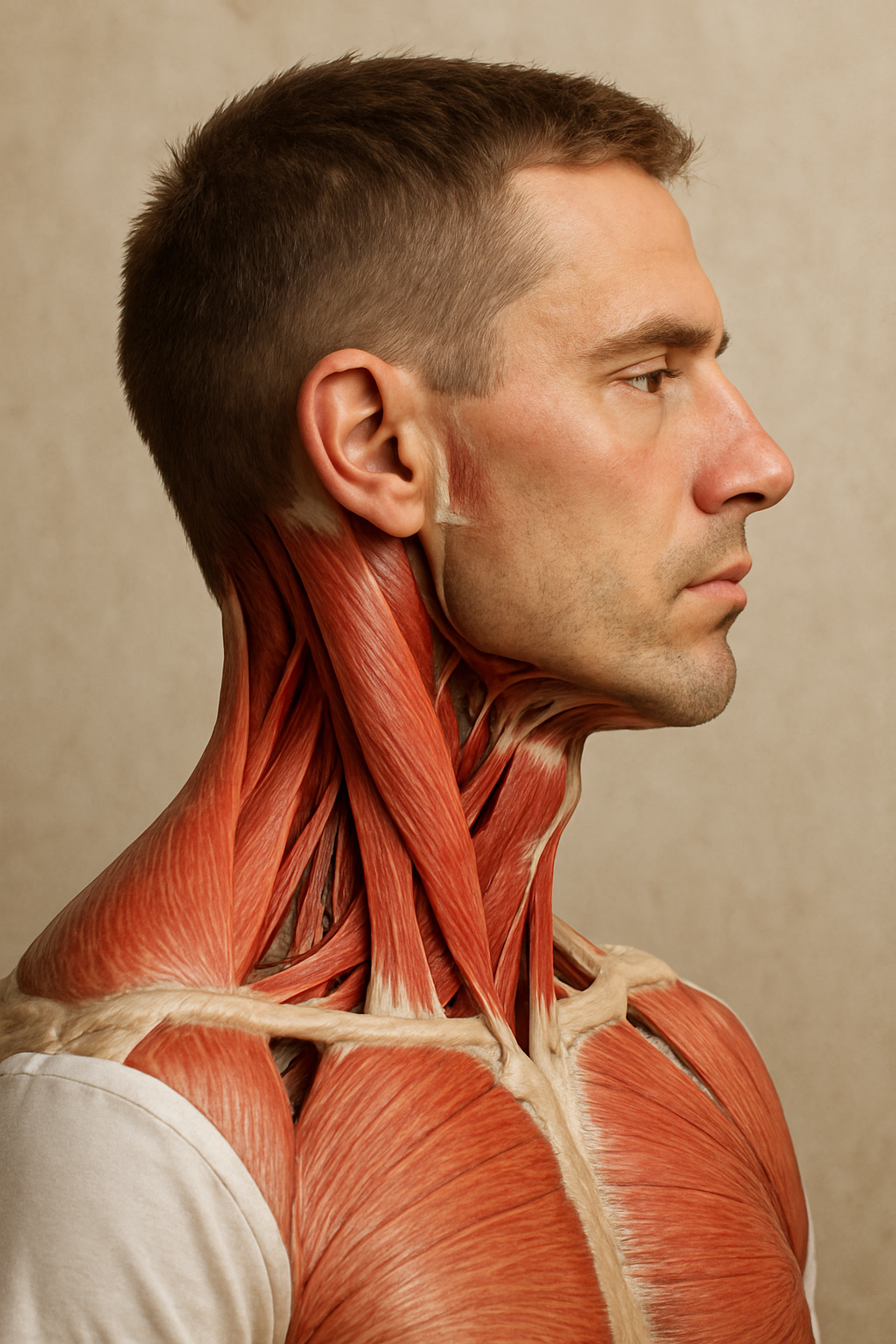
The mechanics of a neck injury from a fall typically involve a rapid jolt or force applied to the neck, causing the muscles and ligaments to stretch beyond their normal range. This can lead to conditions like whiplash, where the neck moves back and forth in a whip-like motion, or other forms of strain and sprain. Common symptoms of these injuries include persistent pain, stiffness, numbness, and headaches, which can severely impact daily life and mobility.
The importance of addressing neck injuries
Ignoring a neck injury from a fall can lead to chronic issues that may persist long after the initial incident. Untreated neck injuries can result in ongoing discomfort, reduced range of motion, and even long-term damage to the spinal cord or nerves. Therefore, addressing these injuries promptly and effectively is essential to prevent further complications and promote healing. This sets the stage for exploring comprehensive treatment, recovery, and prevention strategies that can help individuals regain their strength and avoid future injuries.
Treatment and recovery strategies for neck injuries
When dealing with a neck injury from a fall, the initial care is crucial in setting the foundation for recovery. Immediately after the injury, applying ice to the affected area for the first 7-10 days can significantly reduce swelling and inflammation. Following this period, transitioning to heat therapy can help relax the muscles and improve blood flow, which aids in healing. Over-the-counter pain medications, such as ibuprofen or acetaminophen, can also be effective in managing pain and reducing inflammation. In some cases, using a cervical collar may be recommended to provide support and limit movement, allowing the neck to heal.
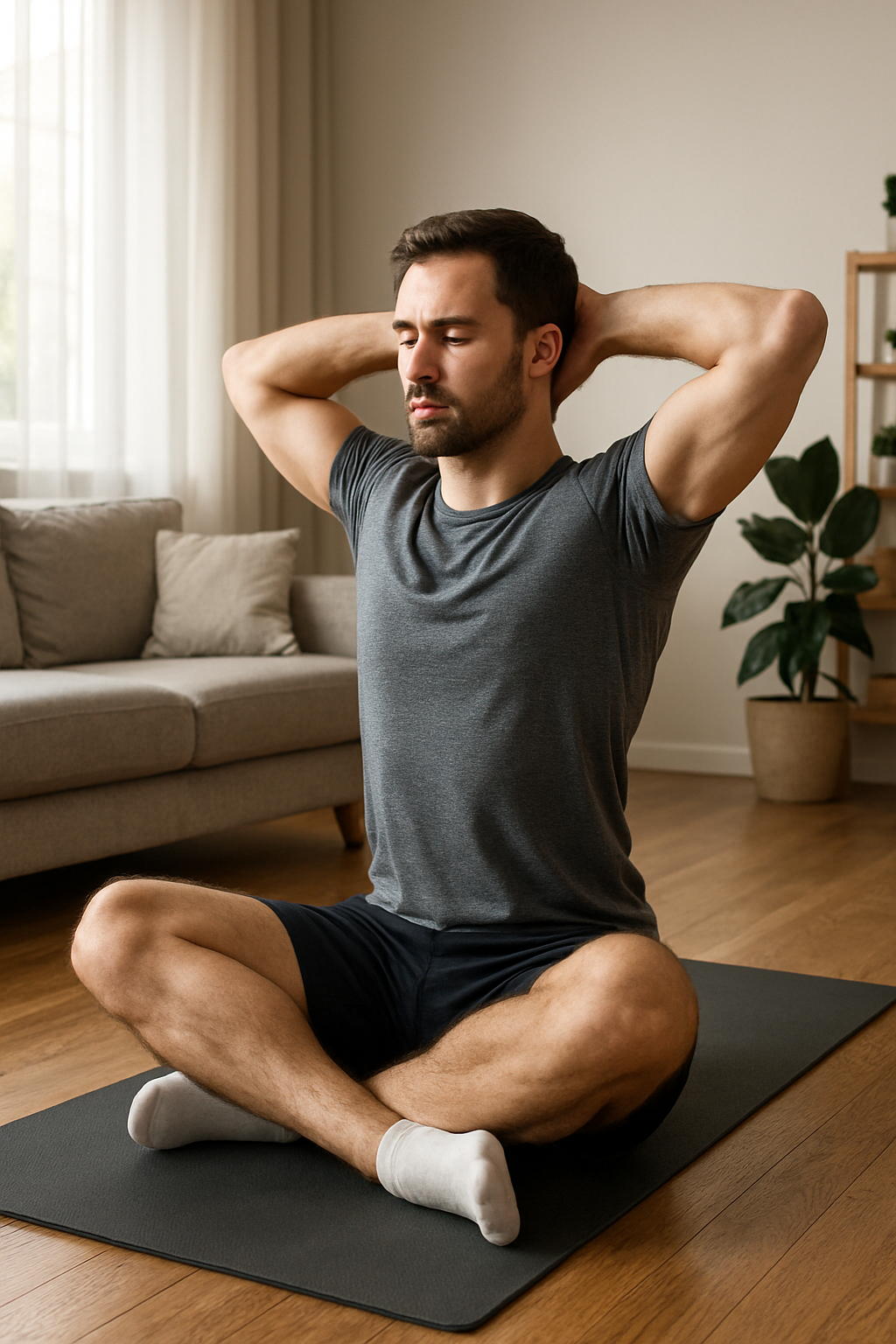
Physical therapy plays a vital role in the recovery process by strengthening neck muscles and restoring range of motion. A physical therapist can tailor a program to suit individual needs, incorporating exercises like neck rotations, isometric holds, and chin tucks. These exercises not only help in recovery but also serve as preventative measures against future injuries. For those experiencing persistent pain, advanced treatments such as Transcutaneous Electrical Nerve Stimulation (TENS), massage, and acupuncture may offer additional relief and facilitate recovery.
Preventing neck injuries through strengthening and balance
Preventing neck injuries from falls involves a proactive approach to strengthening the neck and improving overall balance. Engaging in neck strengthening exercises, such as neck rotations and isometric holds, can act as a "shock absorber," reducing the risk of injury during a fall. Experts recommend incorporating these exercises into a routine of 2-3 sessions per week to maintain neck strength and flexibility.
Balance training is equally important, particularly for those at higher risk of falls, such as the elderly. Activities like tai chi and yoga are excellent for enhancing balance and coordination, which can significantly reduce the likelihood of falls. Additionally, making simple modifications to the home environment, such as removing tripping hazards and ensuring adequate lighting, can further prevent falls and related neck injuries.
The role of ergonomics in neck injury prevention
Integrating ergonomic aids into daily life can provide significant benefits in preventing neck strain and injuries. Supportive pillows and rollers can be used to maintain proper neck alignment during sleep and relaxation, reducing the likelihood of strain. Ergonomic products, such as adjustable chairs and desks, can also help maintain good posture throughout the day, minimizing stress on the neck.

Men's Posture Shirt™ - White
Patented Posture Shirt™ to activate muscles and help relieve neck, shoulder & back pain.

Women's Posture Shirt™ Zipper - Black
Stimulates muscles to enhance posture and relieve neck, shoulder & back tension. Easy zip design.
By incorporating these ergonomic solutions into exercise routines and daily activities, individuals can support neck health and reduce the risk of injury. These non-invasive alternatives offer a practical way to complement traditional treatments and enhance overall well-being.
Enhancing home safety to prevent neck injuries
Creating a safer home environment is a crucial step in preventing neck injuries from falls. Simple modifications can significantly reduce the risk of falls, particularly for the elderly or those with mobility challenges. Start by removing tripping hazards such as loose rugs, electrical cords, and clutter from walkways. Ensure that all areas of the home are well-lit, especially staircases and hallways, to improve visibility and prevent accidents.
Installing grab bars in bathrooms and along stairways can provide additional support and stability, reducing the likelihood of falls. Non-slip mats in the bathroom and kitchen can also help prevent slips on wet surfaces. These practical adjustments not only enhance safety but also contribute to a more comfortable living environment.
Incorporating ergonomics into daily routines
Integrating ergonomic aids into daily routines can play a significant role in supporting neck health and preventing injuries. Ergonomic pillows and mattress toppers can help maintain proper neck alignment during sleep, reducing strain and promoting restful sleep. In the workplace, using adjustable chairs and desks can encourage good posture, minimizing stress on the neck throughout the day.
Incorporating these ergonomic solutions into exercise routines can further enhance their effectiveness. For example, using a neck roller during stretching exercises can help relieve tension and improve flexibility. By making ergonomics a part of everyday life, individuals can enjoy improved comfort and reduced risk of neck injuries.
Frequently Asked Questions
What should I do immediately after a neck injury from a fall?
If you experience a neck injury from a fall, apply ice to the affected area to reduce swelling and inflammation. If symptoms are severe, such as intense pain, numbness, or weakness, seek medical attention immediately.
How long does it take to recover from a neck injury caused by a fall?
Recovery time can vary depending on the severity of the injury. Generally, it involves a combination of rest, physical therapy, and gradual return to normal activities. It is essential to follow a healthcare provider's advice for a tailored recovery plan.
Are there specific exercises to prevent neck injuries?
Yes, exercises such as neck rotations, chin tucks, and isometric holds can help strengthen the neck muscles and improve flexibility, acting as a preventive measure against injuries.
When should I see a doctor for a neck injury after a fall?
If you experience symptoms such as numbness, weakness, severe pain, or if the pain persists despite initial treatment, it is crucial to seek medical attention to rule out serious injuries.
Can ergonomic aids really help in preventing neck injuries?
Yes, ergonomic aids can provide support and reduce strain on the neck, helping to prevent injuries. They can be particularly beneficial when integrated into daily routines and exercise programs.
Källor
- American Association of Neurological Surgeons. "Sports-Related Neck Injury."
- Science of Falling. "Neck Strength: Protecting Your Head from Fall-Related Injuries."
- TCM Law Office. "How Do I Know If My Neck Injury Is Serious?"
- Results Rehab. "Fall Prevention and Balance Improvements: TMJ and Neck Pains."
- Nagel Rice. "9 Common Neck Injuries from Slip and Fall Accidents."
- Pacific Neuroscience Institute. "7 Ways to Prevent Falls in Your Home."
- Cleveland Clinic. "Whiplash."
- Encompass Health. "Fall Prevention and Recovery."
- American Academy of Orthopaedic Surgeons. "Neck Sprain."
- PubMed Central. "Article on Neck Injuries."
- PeaceHealth. "Neck Pain."
- Hinge Health. "Neck Injuries."
- TriHealth. "Common Neck Injuries."
- Mayo Clinic. "First Aid for Spinal Injury."
- Mayo Clinic. "Whiplash: Symptoms and Causes."
- Advanced Spine and Pain. "Tips to Prevent Neck Injuries."
- UCHealth. "Neck Strain."
- UVA Health. "Neck Fracture."