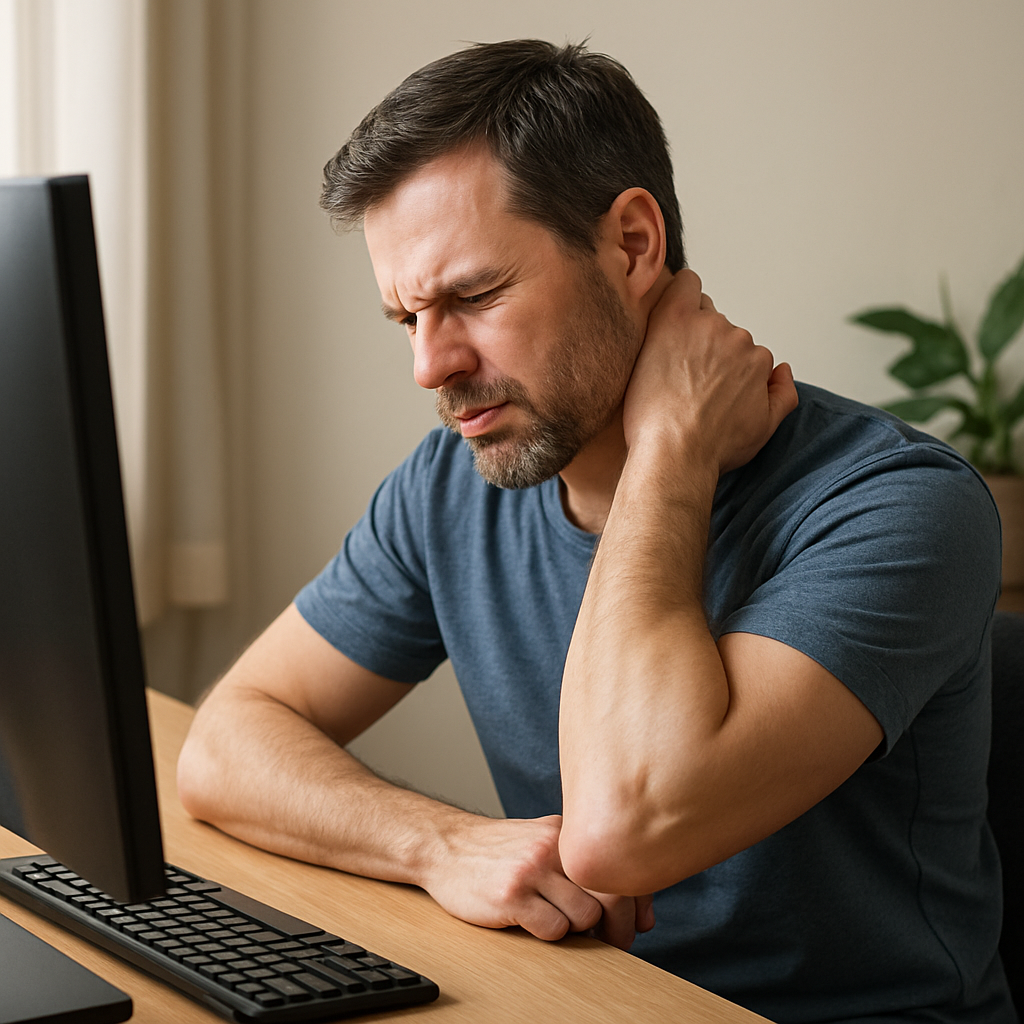
Hip flexor inflammation is a condition that can significantly impact your daily life, causing discomfort and limiting your mobility. At its core, this inflammation involves irritation or micro-tears in the muscles and tendons around the hip flexors, primarily due to strain or overuse. Understanding this condition is crucial for anyone looking to maintain their mobility and overall quality of life.
Understanding hip flexor inflammation
The hip flexors are a group of muscles located at the front of the hip, playing a vital role in movements such as walking, running, and bending. Key muscles involved include the iliopsoas, which is a combination of the psoas major and the iliacus, and the rectus femoris, part of the quadriceps. These muscles are responsible for lifting the thigh towards the torso and are essential for everyday activities.
When these muscles are overworked or subjected to sudden movements, they can become inflamed. This inflammation is often a result of micro-tears in the muscle fibers or tendons, leading to pain and discomfort. Recognizing the anatomy and function of these muscles helps in understanding why managing hip flexor inflammation is essential for maintaining an active lifestyle.
Common triggers of hip flexor inflammation
Several factors can contribute to the development of hip flexor inflammation. Sports and physical activities that involve sudden movements, such as sprinting, kicking, or jumping, are common culprits. These activities can place excessive strain on the hip flexors, leading to irritation and micro-tears.
In addition to sports, modern lifestyle factors also play a significant role. Prolonged sitting, poor posture, and repetitive activities can all contribute to chronic inflammation of the hip flexors. When seated for extended periods, the hip flexors remain in a shortened position, which can lead to tightness and discomfort over time. Poor posture further exacerbates this issue by placing additional stress on these muscles.
The impact on daily life
Hip flexor inflammation can have a profound impact on daily activities. Pain and mobility challenges are common, making simple tasks like walking, climbing stairs, or even sitting uncomfortable. This discomfort can significantly affect your quality of life, limiting your ability to engage in activities you enjoy.
Effective management of hip flexor inflammation is crucial to prevent long-term issues. Addressing the inflammation early can help reduce pain and improve mobility, allowing you to maintain an active lifestyle without being hindered by discomfort. By understanding the causes and impacts of hip flexor inflammation, you can take proactive steps to manage and alleviate its effects, ensuring that it doesn't interfere with your daily routine.
causes and symptoms of hip flexor inflammation
Understanding the causes of hip flexor inflammation is crucial for effective management. Acute strains often occur due to sudden overloads, such as those experienced during activities like sprinting, kicking, or abrupt directional changes. These movements can lead to immediate pain and discomfort due to micro-tears in the muscle fibers.
Chronic overuse is another significant contributor, characterized by repetitive motions or prolonged periods of sitting that keep the hip flexors in a shortened position. This can gradually lead to inflammation and pain, especially in individuals with sedentary lifestyles or those who engage in repetitive activities.
The symptoms of hip flexor inflammation are typically noticeable. Common signs include pain in the front of the hip or groin area, particularly when lifting the thigh or climbing stairs. Additional symptoms may include tightness, muscle spasms, and in some cases, swelling or bruising. Recognizing these symptoms early can aid in prompt management and prevention of further complications.
evidence-based acute management strategies
Addressing hip flexor inflammation promptly can prevent long-term discomfort. The RICE protocol—Rest, Ice, Compression, and Elevation—is a widely recommended initial treatment strategy. Resting the affected area helps prevent further strain, while applying ice can reduce swelling and numb pain. Compression with a bandage and elevating the leg can also aid in minimizing swelling.
In addition to the RICE protocol, the use of non-steroidal anti-inflammatory drugs (NSAIDs) like ibuprofen can help manage pain and inflammation. However, it's important to use these medications judiciously and under guidance to avoid potential side effects.
Gradual activity modification is crucial for recovery. Easing back into activities with a focus on gentle movements can prevent further strain and promote healing. It's essential to listen to your body and avoid pushing through pain, as this can exacerbate the condition.
ergonomic solutions for everyday relief
Incorporating ergonomic solutions into daily routines can significantly alleviate hip flexor strain and prevent future inflammation. A well-adjusted workstation setup is key. Ensure that your chair and desk height are appropriate to maintain a neutral posture, with your feet flat on the floor and your knees at a right angle. The computer screen should be at eye level to avoid straining the neck and back.

Men's Posture Shirt™ - White
Patented shirt activates muscles and helps relieve pain and tension for improved posture.

Women's Posture Shirt™ - Black
Patented shirt supports posture, relieves pain, and improves postural awareness daily.
Ergonomic aids such as posture correctors, seat cushions, and lumbar supports can also be beneficial. These tools help maintain a neutral pelvic and spinal alignment, reducing unnecessary stress on the hip flexors. For those who spend extended periods sitting, consider using sit-stand desks to alternate between sitting and standing, promoting movement and reducing muscle fatigue.
Regular movement breaks are essential in preventing hip flexor inflammation. Incorporate short walks or stretches every 30–60 minutes to keep the muscles active and prevent stiffness. By making these ergonomic adjustments and lifestyle changes, you can effectively manage and prevent hip flexor inflammation, ensuring comfort and mobility in your daily life.
stretching and strengthening regimen for hip flexor inflammation
A comprehensive approach to managing hip flexor inflammation involves both stretching and strengthening exercises. Incorporating specific stretches can help alleviate tightness and improve flexibility. Recommended stretches include the kneeling hip flexor stretch, which targets the iliopsoas, and the standing quad stretch, which focuses on the rectus femoris. Additionally, the pigeon pose can provide a deep stretch to the hip area, promoting relaxation and reducing tension.
Strengthening exercises are equally important to support the hip flexors and enhance overall stability. A progressive strengthening plan should include exercises that target the hip and core muscles, such as bridges and planks. These exercises help build the strength necessary to support the hip flexors, reducing the likelihood of further strain and inflammation.
prevention and long-term management
Preventing hip flexor inflammation requires a proactive approach that combines regular movement with ergonomic practices. Encourage micro-breaks throughout the day, incorporating simple movement routines every 30–60 minutes. These can include standing stretches or short walks to keep the muscles active and prevent stiffness.
Consistent ergonomic practices are crucial for long-term management. Ensure that your workstation is set up to promote good posture and reduce stress on the hip flexors. Combining these ergonomic adjustments with regular exercise can prevent flare-ups and maintain hip health over time.
when to seek professional help
While self-management strategies are effective for most cases of hip flexor inflammation, there are times when professional help is necessary. Red-flag symptoms that warrant medical evaluation include severe pain, inability to walk, or symptoms that persist despite self-care efforts. In such cases, consulting a healthcare professional can provide a more comprehensive assessment and treatment plan.
Physical therapy can be beneficial for addressing chronic inflammation and improving mobility. In severe cases, surgical consultation may be required to address underlying issues that contribute to hip flexor inflammation.
frequently asked questions
How do you reduce inflammation in the hip flexor?
Reducing inflammation in the hip flexor involves a combination of rest, ice application, compression, and elevation (RICE). Incorporating stretching exercises, ergonomic adjustments, and the use of non-steroidal anti-inflammatory drugs (NSAIDs) can also be effective in managing pain and inflammation.
Can sitting too much cause hip flexor pain?
Yes, prolonged sitting can lead to hip flexor pain. When seated for extended periods, the hip flexors remain in a shortened position, which can cause tightness and contribute to inflammation. Incorporating regular movement breaks and maintaining good posture can help alleviate this issue.
How long does hip flexor inflammation last?
The duration of hip flexor inflammation varies depending on the severity of the strain. Mild strains may resolve within a few weeks, while more severe cases can take six weeks or longer to heal. Consistent management and appropriate care can help expedite recovery.
Is walking good for hip flexor strain?
Walking can be beneficial for hip flexor strain as it promotes gentle movement and helps maintain mobility. However, it is important to listen to your body and avoid overexertion. Gradually increasing walking distance and intensity can aid in recovery without exacerbating the condition.
Kilder
- Proliance Orthopedic Associates. "Understanding Hip Flexor Strain/Bursitis."
- Jasper Bone & Joint. "Hip Strain Orthopedic Surgeon Jasper Alabama."
- Hollywood Presbyterian Medical Center. "Understanding Hip Flexor Pain."
- MedlinePlus. "Hip Flexor Strain."
- Beacon Orthopaedics & Sports Medicine. "Common Hip Flexor Injuries and Treatments."
- MyHealth.Alberta.ca. "Hip Flexor Strain."
- Orthopaedic Hospital of Wisconsin. "Hip Flexor Strains: Treatment and Symptoms."
- Cleveland Clinic. "Hip Flexor Strain."
- Hospital for Special Surgery. "Move Better: Hip Flexor Stretch."
- Healthline. "Hip Flexor Strain."
- Ortho Utah. "Hip Flexor Pain."
- OIB Orthopaedics. "Hip Flexor Pain."