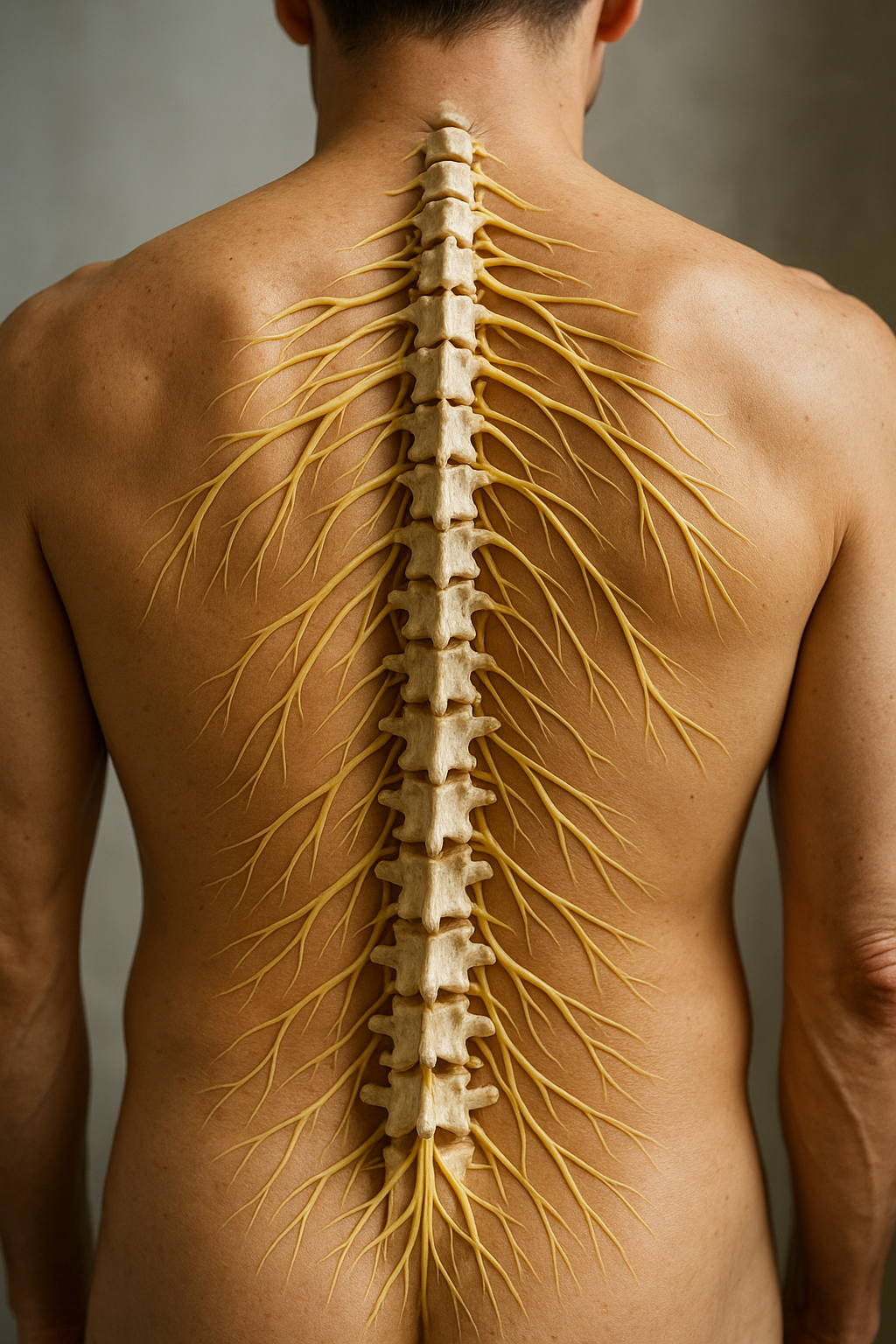
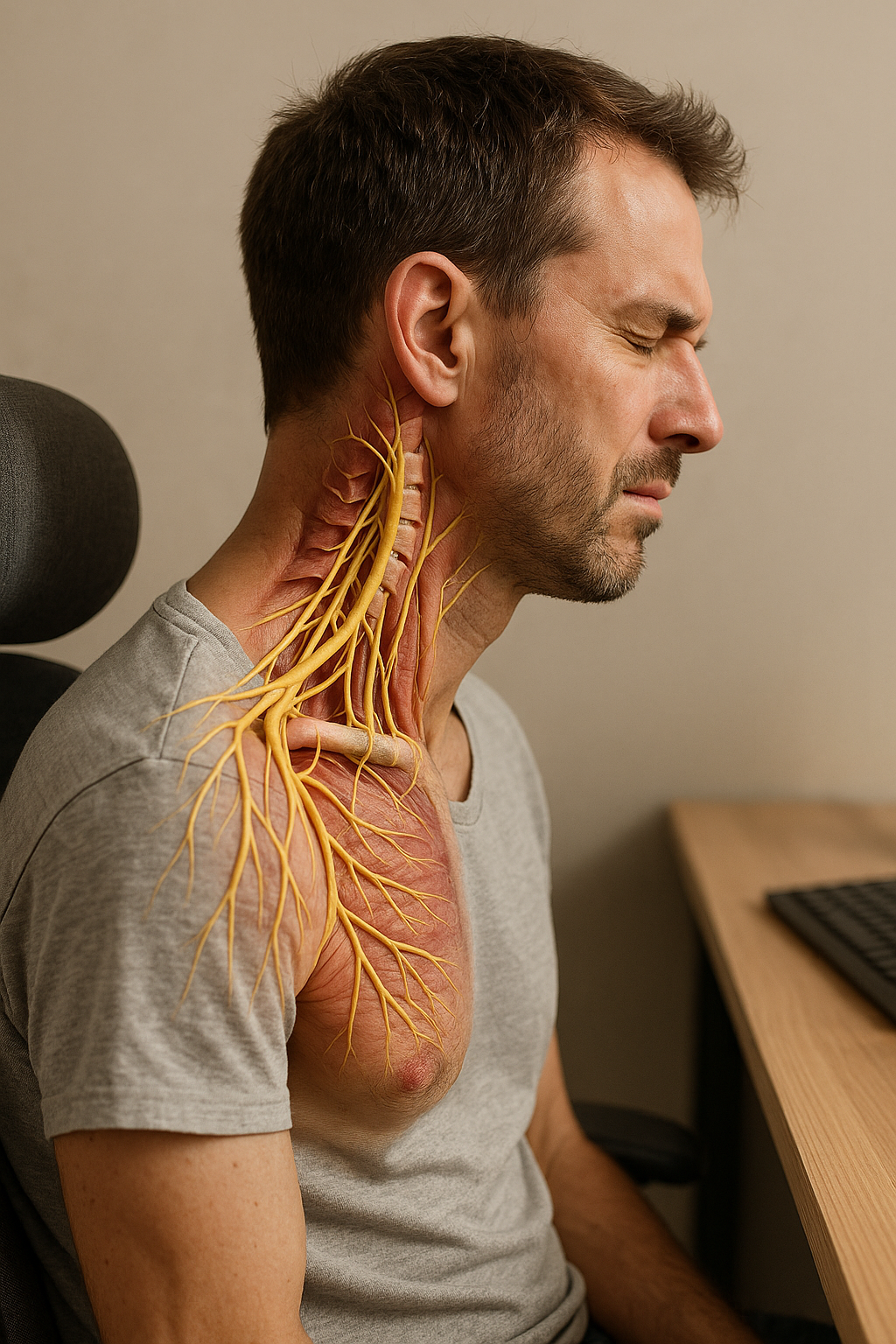
Spinal pain is a pervasive issue, often synonymous with back pain, affecting millions of individuals globally. It encompasses discomfort that can occur along any part of the spine, from the neck (cervical) to the lower back (lumbar). As one of the leading causes of disability and lost productivity, spinal pain imposes a significant burden on both individuals and society. According to the World Health Organization, this condition is not only a major public health concern but also a critical factor contributing to work-related absences and decreased efficiency.
understanding spinal pain
Spinal pain is a complex condition with various manifestations and causes. It can be characterized by a dull, persistent ache or a more acute, sharp sensation. The pain might be localized to a specific area of the spine or radiate to other parts of the body, indicating potential nerve involvement. Common causes include muscle strain, ligament sprain, bulging or herniated discs, and degenerative conditions like arthritis and osteoporosis. These issues can arise from poor posture, heavy lifting, or sudden movements, underscoring the importance of addressing spinal health proactively.
importance of ergonomics
In the quest to prevent and manage spinal pain, ergonomics plays a crucial role. Ergonomics refers to the design and arrangement of workspaces and products to fit the user's needs, thereby reducing strain and enhancing comfort. Despite its significance, ergonomics is often overlooked in discussions about spinal pain, which tend to focus on medical interventions and treatments. However, incorporating ergonomic solutions into daily routines can serve as a preventive measure, reducing the risk of spinal pain and improving overall well-being.
By optimizing the way we interact with our environment, ergonomic solutions can help maintain proper posture and minimize stress on the spine. This can include adjustments to workstation setups, the use of ergonomic furniture, and the adoption of posture-supporting garments. These interventions not only alleviate current discomfort but also prevent future occurrences, offering a practical approach to managing spinal health.

Women's Posture Shirt™ - Black
Styrker holdningen og reducerer smerter. Dokumenteret effekt til dagligdags brug.

Lumbar support belt
Støtter og stabiliserer lænden for at lindre rygsmerter og spændinger.
As spinal pain continues to impact lives worldwide, understanding its nature and addressing it through ergonomic solutions presents a promising opportunity. By integrating these strategies into everyday life, individuals can take proactive steps toward conquering spinal pain and enhancing their quality of life.
common causes and types of spinal pain
Spinal pain can arise from a variety of causes, each affecting the spine differently. One of the most prevalent causes is muscle strain and ligament sprain, which often result from poor posture, heavy lifting, or abrupt movements. These strains can lead to localized pain and discomfort, primarily affecting the muscles and ligaments that support the spine.
Another common source of spinal pain is disc-related issues. Bulging or herniated discs occur when the soft material inside a disc pushes through a crack in the tougher exterior, potentially compressing nearby nerves. This condition can lead to nerve pain characterized by sharp, shooting sensations that may radiate down the limbs.
Degenerative conditions such as arthritis and osteoporosis also contribute significantly to spinal pain. Arthritis can cause inflammation and stiffness in the joints of the spine, while osteoporosis can lead to weakened bones and increased risk of fractures. These conditions often result in chronic pain that can severely impact mobility and quality of life.
risk factors and red flags
Several risk factors can increase the likelihood of experiencing spinal pain. Modifiable risk factors include a sedentary lifestyle, poor ergonomics, obesity, and improper lifting techniques. Addressing these factors through lifestyle changes can significantly reduce the risk of developing spinal pain.
However, it is crucial to be aware of red flags that indicate the need for urgent medical attention. These include new leg weakness, saddle anesthesia, bowel or bladder issues, fever, and unexplained weight loss. Such symptoms could signify serious underlying conditions that require prompt evaluation and intervention.
role of ergonomics in managing spinal pain
Ergonomics plays a vital role in both preventing and managing spinal pain. Proper workstation setup is essential for maintaining good posture and reducing strain on the spine. An ergonomic desk and chair can help ensure that the spine is supported correctly, while adjustable furniture can accommodate different body types and preferences.
Moreover, posture-supporting clothing can assist in maintaining proper alignment and reducing muscle fatigue. These ergonomic aids serve as practical solutions that can be easily integrated into daily life, offering both immediate relief and long-term benefits.
By focusing on ergonomics, individuals can take proactive steps to manage spinal pain effectively. This approach not only alleviates existing discomfort but also helps prevent future occurrences, promoting overall spinal health and well-being.
Conservative management strategies for spinal pain
Managing spinal pain effectively often involves a combination of lifestyle changes and non-pharmacological interventions. Staying active is one of the most crucial elements of conservative management. Regular physical activity, including simple exercises and stretches, can help maintain mobility and strengthen the muscles supporting the spine. Incorporating these activities into daily routines can significantly reduce pain and prevent further injury.
Non-pharmacologic tools also play a vital role in managing spinal pain. Heat and cold therapy are simple yet effective methods for alleviating discomfort. Applying heat can relax tense muscles, while cold therapy can reduce inflammation and numb sharp pain. Additionally, supportive garments and ergonomic aids, such as posture-supporting clothing, can help maintain proper alignment and reduce muscle fatigue.
Long-term outlook and chronic pain management
Chronic spinal pain affects a significant portion of the population, with statistics indicating that 25–60% of individuals continue to experience pain a year after onset. To manage chronic pain effectively, it is essential to create a spine-friendly routine that incorporates ergonomic practices both at work and home. This includes setting up a proper workstation, using supportive furniture, and taking regular breaks to move around and stretch.
By adopting these strategies, individuals can not only alleviate existing pain but also prevent future occurrences. Consistent application of ergonomic principles can lead to improved spinal health and overall well-being, reducing the long-term impact of spinal pain.
Frequently Asked Questions
What is the difference between spinal pain and back pain?
Spinal pain and back pain are often used interchangeably in medical contexts. However, spinal pain is a broader term that encompasses discomfort along any part of the spine, from the neck to the lower back. Back pain typically refers to discomfort in the lower back area.
How can I improve my posture at work?
Improving posture at work involves adjusting your workspace to support a neutral spine position. Use an ergonomic chair with lumbar support, position your computer screen at eye level, and keep your feet flat on the floor. Additionally, consider using supportive aids like posture-supporting garments.
When should I see a doctor for spinal pain?
You should seek medical attention if you experience red-flag symptoms such as new leg weakness, saddle anesthesia, bowel or bladder issues, fever, or unexplained weight loss. These symptoms could indicate serious underlying conditions.
Can ergonomic clothing really help with spinal pain?
Yes, ergonomic clothing can assist in managing spinal pain by promoting proper posture and reducing muscle fatigue. These garments provide gentle support to help maintain alignment, which can alleviate discomfort and prevent further injury.
What lifestyle changes can help manage spinal pain?
Incorporating regular exercise, practicing proper lifting techniques, and making ergonomic adjustments to your living and working environments can significantly help manage spinal pain. Maintaining a healthy weight and staying active are also crucial components of a spine-friendly lifestyle.
Kilder
- "Understanding Spinal Pain." NCBI Bookshelf.
- "Lower Back Pain Clinical Trials." UCLA Clinical Trials.
- "Back Pain Diagnosis." NYU Langone Health.
- "Lower Back Pain Clinical Trials." UCSF Clinical Trials.
- "Spine Pain." UChicago Medicine.
- "Back Pain Clinical Trials." Mayo Clinic Research.
- "Back Pain: Symptoms and Causes." Mayo Clinic.
- "Pain Management Clinical Studies." NIH HEAL Initiative.
- "Back Pain Symptoms." Cleveland Clinic.
- "Low Back Pain Fact Sheet." World Health Organization.