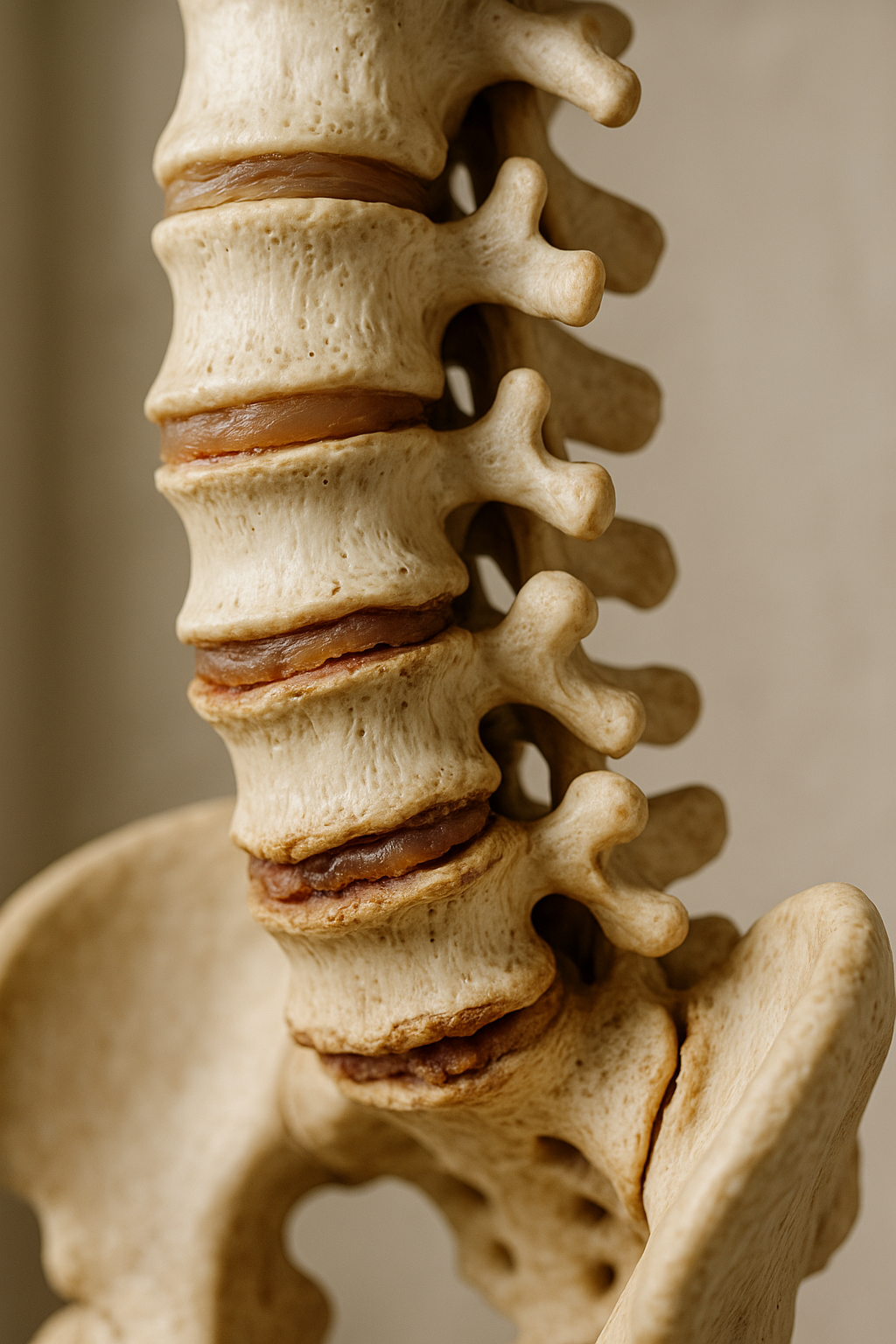
Neck nerves play a crucial role in our daily lives, influencing everything from basic movements to complex sensations. Understanding these nerves can be a key to unlocking relief from the common neck pain that many people experience. The cervical nerves, numbered C1 through C8, are integral to both sensation and movement in the neck and shoulders. By exploring how these nerves function and how they can be affected by various factors, we can better understand the root causes of neck discomfort and find effective ways to alleviate it.
the role of cervical nerves in sensation and movement
The cervical nerves are a group of eight pairs of nerves that emerge from the cervical spine, which is located in the neck region. These nerves are responsible for transmitting signals between the brain and the neck, shoulders, and arms. Each nerve exits the spinal column through a specific opening, with C1 to C7 exiting above their corresponding vertebrae and C8 exiting below the seventh cervical vertebra. This unique exit pattern allows these nerves to control various sensory and motor functions.
The cervical plexus, formed by the anterior rami of the C1 to C4 nerves, is particularly important for sensory and motor functions in the neck. This plexus includes branches that provide sensation to the skin and muscles of the neck, scalp, and shoulders. Meanwhile, the brachial plexus, which includes nerves from C5 to T1, extends into the upper limbs, playing a vital role in arm and hand movements. Together, these plexuses ensure the coordination and sensation necessary for everyday activities.
setting the stage for deeper understanding
Understanding the anatomy and function of neck nerves is just the beginning. These nerves can be susceptible to various issues, such as nerve compression, which can lead to pain and discomfort. Conditions like disc herniation can compress these nerves, resulting in symptoms such as radiating pain, numbness, and weakness in specific areas. Recognizing these symptoms and their connection to specific nerve roots can help in diagnosing and treating neck pain effectively.
Moreover, ergonomics plays a significant role in maintaining neck health. Poor posture, especially in modern work environments, can exacerbate nerve compression and increase the likelihood of neck pain. By adopting proper ergonomic practices, such as adjusting chair height and monitor level, individuals can reduce strain on their neck nerves and potentially alleviate discomfort.
This exploration into the world of neck nerves sets the stage for a deeper dive into their anatomy, common issues, and practical solutions. By gaining a better understanding of these critical components of our nervous system, we can unlock the relief needed to live a pain-free life.
anatomy of neck nerves: the cervical plexus and beyond
The cervical nerves, comprising eight pairs (C1–C8), exhibit a unique exit pattern from the spinal column. Specifically, the C1 to C7 nerves exit above their respective vertebrae, while the C8 nerve exits below the seventh cervical vertebra. This arrangement is integral to their role in sensory and motor functions. The cervical plexus, formed by the anterior rami of the C1 to C4 nerves, is crucial for sensory and motor functions in the neck. It includes branches like the ansa cervicalis, which is responsible for innervating the infrahyoid muscles that are important for swallowing and speech. Additionally, the phrenic nerve, derived from C3 to C5, plays a vital role in diaphragm movement, essential for breathing.
Beyond the cervical plexus lies the brachial plexus, formed from the C5 to T1 nerves. This complex network is responsible for innervating the upper limbs, facilitating a wide range of motions and sensory perceptions in the arms and hands. As these nerves traverse through the neck, their integrity is crucial for maintaining the coordination and sensation necessary for daily activities.
sensory and motor functions of cervical nerves
The cervical nerves are pivotal in providing sensory input and motor control to various regions. The sensory areas, known as dermatomes, are specific skin regions supplied by these nerves. For instance, the anterior neck region is primarily innervated by C2 to C4, while the posterior neck is influenced by C4 to C5. These dermatomes are essential for detecting sensations such as touch, temperature, and pain.
On the motor side, cervical nerves control muscles involved in head and neck movements. For example, the sternocleidomastoid and trapezius muscles, innervated by the spinal accessory nerve (cranial nerve XI), facilitate head rotation and shoulder elevation. Understanding these functions is crucial, especially when diagnosing nerve-related issues, as disruptions can lead to muscle weakness or loss of function.
clinical implications: from anatomy to symptoms
Understanding the anatomy of neck nerves is key to identifying and managing various clinical conditions. One common issue is nerve compression, often resulting from disc herniation or degenerative changes in the cervical spine. This compression can lead to a range of symptoms, including radiating pain, numbness, and tingling in areas supplied by the affected nerves. For instance, compression of the C6 nerve root can cause pain and sensory disturbances in the thumb and index finger.
Recognizing these symptoms and their patterns is crucial for effective diagnosis and treatment. A helpful way to visualize this is through a table mapping cervical nerve roots to common symptoms and affected areas:
| Nerve Root | Sensory Area | Common Symptoms |
|---|---|---|
| C1–C3 | Back of head, upper neck | Headache, neck pain |
| C4 | Lower neck, shoulder | Shoulder pain |
| C5–C8 | Arm, hand | Arm weakness, tingling |
By mapping these symptoms to specific nerve roots, healthcare professionals can better pinpoint the source of discomfort and tailor treatment plans accordingly. This understanding also underscores the importance of maintaining good posture and ergonomics, as these factors can significantly influence nerve health and alleviate symptoms.
Ergonomics and neck nerves: practical tips for relief
Understanding the role of ergonomics in relation to neck nerves is crucial for anyone looking to alleviate neck pain. Poor posture, particularly the forward-head posture common in many office settings, can exacerbate nerve compression. This occurs when the head is positioned forward of its natural alignment, increasing stress on the cervical spine and potentially compressing the cervical nerves.
To mitigate these issues, consider making ergonomic adjustments to your workspace. Start by ensuring that your monitor is at eye level to avoid tilting your head forward. Adjust your chair so that your feet are flat on the floor and your knees are at a 90-degree angle. These changes can help maintain the natural curve of your neck and reduce unnecessary strain on your cervical nerves.

Women's Posture Shirt™ - Black
Støtter holdningen og kan lindre spændinger i nakke, skuldre og ryg.

Men's Posture Shirt™ - White
Forbedrer kropsholdning og kan afhjælpe spændinger i nakke og ryg.
The role of ergonomic aids
In addition to adjusting your workspace, ergonomic aids can play a significant role in maintaining proper posture and reducing neck strain. Products such as posture-support garments can help keep your spine aligned, while ergonomic pillows can provide the necessary support for your neck during sleep. These aids work by promoting a neutral spine position, which is essential for minimizing pressure on the cervical nerves.
While these solutions are not a substitute for medical treatment, they can be an effective part of a comprehensive approach to managing neck pain. By integrating ergonomic practices into your daily routine, you can support the health of your neck nerves and potentially alleviate discomfort.
Conclusion
Understanding neck nerves and their role in sensation and movement is essential for addressing neck pain. By recognizing the impact of posture and ergonomics on these nerves, individuals can take proactive steps to reduce discomfort and improve their quality of life. Whether through adjusting your workspace or using ergonomic aids, these strategies can help maintain the health of your cervical nerves.
Frequently asked questions
What are the main functions of cervical nerves?
Cervical nerves are responsible for controlling sensation and movement in the neck, shoulders, and arms. They transmit signals between the brain and these regions, enabling both sensory perception and motor function.
How can poor posture affect neck nerves?
Poor posture, such as forward-head posture, can lead to compression of cervical nerves. This compression can cause pain, discomfort, and other symptoms, as it increases stress on the cervical spine and surrounding structures.
What are some common symptoms of cervical nerve compression?
Common symptoms of cervical nerve compression include neck pain, radiating arm pain, numbness, and tingling. These symptoms often correspond to specific nerve roots and can vary depending on the location of the compression.
Can ergonomic aids really help with neck pain?
Yes, ergonomic aids can help by promoting proper posture and reducing strain on neck nerves. By maintaining a neutral spine position, these aids can alleviate pressure and potentially reduce discomfort associated with neck pain.
Kilder
- Standring, S. (2020). "Gray's Anatomy: The Anatomical Basis of Clinical Practice." Elsevier Health Sciences.
- AnatomyZone. (2018). "Cervical Plexus - Human Anatomy | Kenhub." YouTube.
- Kenhub. (2023). "Neurovasculature of the Head and Neck." Kenhub.
- Drake, R. L., Vogl, W., & Mitchell, A. W. M. (2019). "Gray's Anatomy for Students." Elsevier Health Sciences.
- Spine-health. (2023). "Cervical Spinal Nerves." Spine-health.
- University of Maryland Medical Center. (2023). "Spinal Anatomy and Function." UMMC.
- TeachMeAnatomy. (2023). "Nerves of the Neck." TeachMeAnatomy.
- Physio-pedia. (2023). "Cervical Anatomy." Physio-pedia.
- Cleveland Clinic. (2023). "Nerves." Cleveland Clinic.