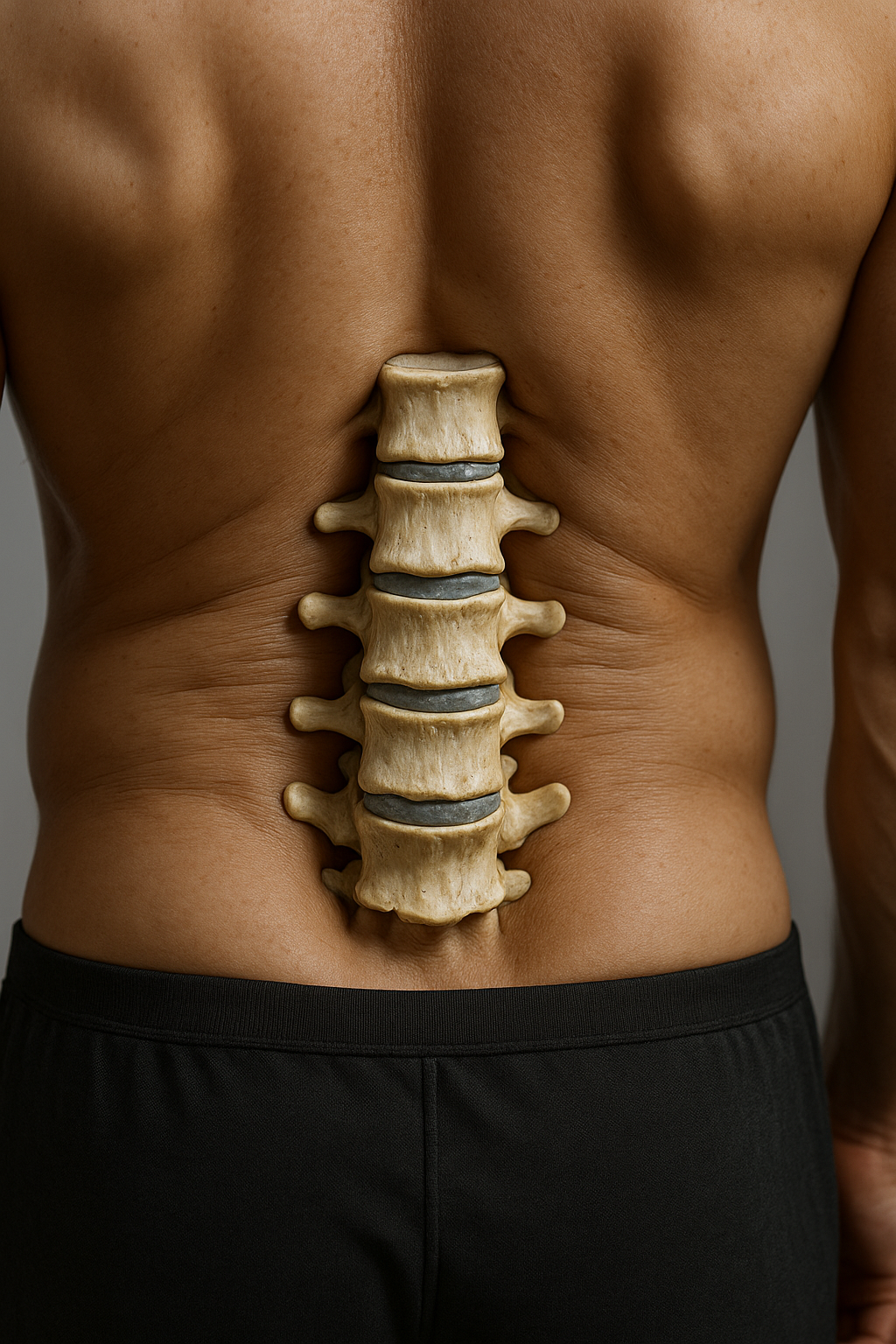
Neck cracking, commonly referred to as crepitus, is a phenomenon that many people experience at some point in their lives. The sound of a pop or crack when moving your neck can be startling, yet it is often harmless. However, there are instances where this seemingly benign occurrence can be a sign of something more concerning. Understanding when neck cracking pain is a cause for alarm is crucial for maintaining your health and well-being.
understanding neck cracking
Neck cracking occurs when there is a popping sound in the neck, often accompanied by a sensation of relief or release. This is a common experience for many and is usually the result of cavitation, where gas bubbles in the synovial fluid of the joints collapse, creating a popping noise. While neck cracking is often harmless, it can sometimes be indicative of underlying issues, especially if accompanied by pain. Recognizing when neck cracking is benign versus when it signals a more serious condition is important for effective management and treatment.
the common experience
Neck cracking is a common occurrence in various everyday scenarios. Many people notice their neck cracking after sitting at a desk for prolonged periods, during exercise, or even while stretching. This is particularly prevalent among individuals who work in sedentary jobs or engage in activities that require repetitive neck movements. Neck cracking is not limited to any specific age group or demographic, although it may be more noticeable in those who have a history of neck or spinal issues.
Understanding the commonality of neck cracking can help alleviate concerns for many individuals. However, it is essential to pay attention to any associated symptoms, such as pain, stiffness, or limited range of motion. These could indicate a need for further evaluation by a healthcare professional.
In summary, while neck cracking is often a normal part of life, it's important to be aware of the signs that suggest it might be more than just an innocuous sound. By distinguishing between harmless and potentially harmful causes of neck cracking pain, individuals can take proactive steps towards maintaining their neck health and seeking appropriate treatment when necessary.
benign causes of neck cracking
Neck cracking, while often harmless, can be attributed to several benign causes. Understanding these can help differentiate between normal occurrences and those that might require further attention.
cavitation
One of the most common benign causes of neck cracking is cavitation. This process occurs when gas bubbles in the synovial fluid of the neck joints collapse, creating a popping sound. This is similar to the sound you hear when cracking your knuckles. Cavitation is typically painless and is not associated with any adverse effects on the neck's health. It is a natural phenomenon that occurs as the joint surfaces move and create space for gases to form and then collapse.
ligament and tendon movement
Another benign cause of neck cracking involves the movement of ligaments and tendons over the bones in the neck. As you move your head, these soft tissues may snap over bony prominences, producing a cracking or popping sound. This is a normal part of the body's mechanics and usually does not indicate any underlying pathology. The sounds are often more pronounced when the neck has been in one position for a prolonged period, such as after sleeping or sitting at a desk.
minor joint shifts
Minor shifts in the neck joints can also lead to cracking sounds. These small adjustments occur as the neck moves and the joints realign themselves. This is often painless and does not signify any structural damage or disease. Such shifts are part of the body's natural ability to maintain flexibility and mobility in the neck.
painful causes and red flags
While many instances of neck cracking are benign, there are certain conditions where pain and cracking can indicate a more serious issue. It's important to be aware of these potential causes to seek appropriate care when necessary.
cartilage loss and arthritis
Conditions like osteoarthritis and degenerative disc disease can cause painful neck cracking. These conditions involve the gradual loss of cartilage, leading to increased friction between the bones in the neck. This can result in both cracking sounds and pain. Individuals with these conditions may also experience stiffness, swelling, and a reduced range of motion.
joint hypermobility and muscle imbalance
Joint hypermobility, where joints move beyond their normal range, can contribute to neck pain and cracking. This condition, often accompanied by muscle imbalances, can lead to instability in the neck, resulting in discomfort and audible cracking. Strengthening the muscles around the neck through targeted exercises can help manage these symptoms.
post-trauma and whiplash
Injuries such as whiplash or trauma from accidents can lead to persistent neck pain and cracking sounds. These injuries may cause damage to the ligaments, tendons, or discs in the neck, resulting in instability and pain. It's essential to seek medical evaluation after any neck injury to rule out serious complications and receive appropriate treatment.
red flag symptoms
Certain symptoms accompanying neck cracking warrant immediate medical attention. If you experience numbness, tingling, dizziness, weakness, or radiating pain down the arms, it could indicate nerve involvement or other serious conditions. Additionally, new or worsening symptoms following an injury should be evaluated by a healthcare professional to prevent further complications.
myths and misconceptions
There are several myths surrounding neck cracking that can lead to unnecessary worry. One common misconception is that cracking your neck can cause arthritis. However, there is no scientific evidence to support this claim. Occasional neck cracking is generally harmless, but habitual self-cracking can lead to ligament laxity, which might contribute to joint instability over time.
Understanding the difference between harmless and potentially harmful neck cracking can help individuals make informed decisions about their neck health. By recognizing the signs that require medical attention and debunking common myths, you can take proactive steps to maintain a healthy neck and seek appropriate care when necessary.
treatment and relief options for neck cracking pain
When neck cracking is accompanied by pain, finding effective relief is a priority. Fortunately, there are several treatment options available that can help alleviate discomfort and address the underlying causes.

Women's Posture Shirt™ - Black
Støtter og aktiverer musklerne for bedre holdning og lindring af smerter.

Men's Posture Shirt™ - Black
Forbedrer holdning, aktiverer muskler og kan lindre nakkesmerter.
over-the-counter medications
For mild neck pain associated with cracking, over-the-counter anti-inflammatory medications like ibuprofen can be effective. These medications help reduce inflammation and alleviate pain, providing temporary relief. However, they should be used as directed and not relied upon for long-term pain management without consulting a healthcare professional.
physical therapy
Physical therapy plays a crucial role in treating neck pain and preventing future occurrences. A physical therapist can guide you through exercises designed to strengthen the neck muscles, improve posture, and enhance flexibility. This targeted approach not only alleviates current pain but also reduces the risk of future issues by addressing muscle imbalances and joint instability.
heat therapy and imaging
Applying heat packs to the affected area can help relax tense muscles and improve blood circulation, thereby reducing pain and stiffness. If symptoms persist, diagnostic tools such as X-rays or MRIs may be recommended to identify any structural issues or underlying conditions contributing to the pain.
surgical interventions
In rare cases where conservative treatments fail to provide relief, surgical interventions might be considered. This is typically reserved for severe cases involving significant structural abnormalities or nerve compression. A thorough evaluation by a medical professional is necessary to determine the best course of action.
ergonomics and prevention
Preventing neck cracking pain often involves making ergonomic adjustments to your environment and daily habits. Implementing these changes can significantly reduce the frequency and severity of neck issues.
ergonomic solutions
Setting up your workstation to support good posture is essential. Ensure that your computer monitor is at eye level, your chair provides adequate lumbar support, and your feet are flat on the floor. Using a supportive pillow that maintains the natural curve of your neck can also help prevent discomfort during sleep.
posture and lifestyle tips
Maintaining good posture throughout the day is crucial. Avoid slouching or leaning forward for extended periods, and take regular breaks to stretch and move around. Incorporating exercises that strengthen the neck and upper back muscles into your routine can further support neck health and prevent pain.
frequently asked questions
Why does my neck crack when I move it?
Neck cracking is often due to cavitation, where gas bubbles in the synovial fluid collapse, or the movement of ligaments and tendons over bones. These are generally harmless and part of normal joint function.
Is neck cracking bad for you?
Neck cracking is usually harmless. However, if it is accompanied by pain, stiffness, or other symptoms, it is advisable to seek medical advice to rule out underlying conditions.
What can I do to stop my neck from cracking?
To reduce neck cracking, focus on maintaining good posture, using ergonomic setups, and performing exercises that strengthen the neck muscles. Avoid habitual self-cracking, as it may lead to ligament laxity over time.
When should I see a doctor for neck cracking pain?
Consult a doctor if you experience neck cracking with pain, numbness, tingling, dizziness, weakness, or radiating pain down the arms. These symptoms could indicate more serious conditions that require professional evaluation.
Can neck cracking lead to arthritis?
There is no evidence to suggest that neck cracking causes arthritis. However, if you have concerns about your joint health, it is best to discuss them with a healthcare professional for reassurance and guidance.
Kilder
- Orthopedic & Laser Spine Surgery. (n.d.). "Risks and Benefits of Cracking Your Neck."
- Medical News Today. (2017). "Is It Safe to Crack Your Neck?"
- Brain and Spine Center LLC. (2025). "Is Cracking Your Neck Bad for You?"
- Spine-Health. (n.d.). "When Neck Cracking Needs Medical Attention."
- Town Center Orthopaedics. (n.d.). "Is Cracking Your Neck Bad for You? Risks, Benefits, and When to Seek Help."
- Cleveland Clinic Health Essentials. (n.d.). "Is It Safe to Crack Your Neck?"
- KC Rehab. (n.d.). "Why Does My Neck Crack So Much and When Should I Be Concerned?"
- Hinge Health. (n.d.). "Is It Bad to Crack Your Neck?"