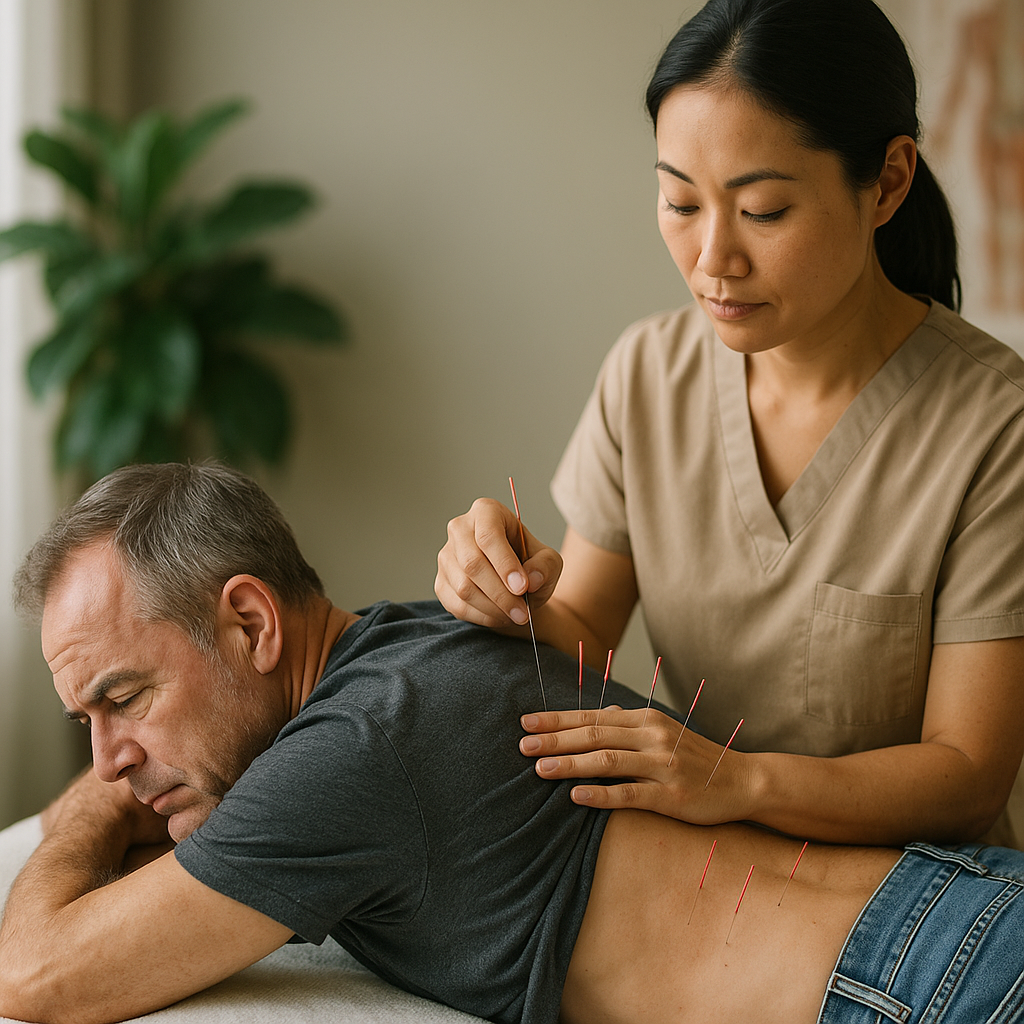
Understanding the lower part of the back is crucial for anyone seeking lasting relief from the discomfort that often plagues this area. The lower back, or lumbar spine, plays a vital role in our daily movements and overall physical support. Despite its significance, it is a region frequently overlooked until pain arises, impacting quality of life and mobility.
what is the lower part of the back?
The lower back is anatomically referred to as the lumbar spine, which extends from the lowest rib to the upper buttock. This section of the spine comprises five lumbar vertebrae, labeled L1 through L5. These vertebrae are stacked upon one another, separated by intervertebral discs that act as shock absorbers, cushioning the spine against the stresses of daily activities. This area is not only a structural marvel but also a complex network of muscles, ligaments, nerves, and joints that work in harmony to support the upper body and facilitate movement.
the significance of the lumbar spine
Recognizing the importance of the lumbar spine is essential for diagnosing and managing lower back pain. This area is integral to our ability to perform everyday activities, from sitting and standing to lifting and bending. Its health directly influences our overall well-being, affecting everything from posture to the ability to engage in physical activities.
The lumbar spine's natural inward curve, known as lordosis, is key to its function. This curvature helps distribute body weight evenly and aids in maintaining balance and stability. However, when this curve is altered, whether by poor posture or injury, it can lead to discomfort and chronic pain. Therefore, understanding the anatomy and function of the lower back is not merely academic; it is a practical step towards achieving and maintaining a pain-free life.
In the following sections, we will delve deeper into the anatomy of the lower back, exploring the intricacies of its components and the common causes of pain in this area. By gaining a comprehensive understanding of the lumbar spine, individuals can better identify symptoms and seek appropriate treatment, paving the way for effective pain management and improved quality of life.
anatomy of the lower back: understanding its components
The lower part of the back, or lumbar spine, is a complex structure that is crucial for movement and support. It consists of five lumbar vertebrae, labeled L1 through L5, which are stacked vertically and separated by intervertebral discs. These discs act as shock absorbers, cushioning the spine against daily stresses. However, they are prone to degeneration and herniation, which can lead to significant pain and discomfort. This degeneration is often a result of age-related wear and tear, but it can also be exacerbated by poor posture, obesity, and lack of exercise.
The natural inward curve of the lumbar spine, known as lordosis, is essential for distributing body weight and facilitating movement. This curvature helps maintain balance and stability. When the lordotic curve is flattened, it can lead to discomfort and chronic pain. This condition is often the result of prolonged poor posture, such as slouching while sitting or standing, and can be aggravated by activities that involve bending or lifting incorrectly.
muscles and ligaments: the backbone of stability
The muscles and ligaments of the lower back play a pivotal role in maintaining stability and facilitating movement. The multifidus muscle, located deep in the spine, is crucial for spinal stability. It is often one of the first muscles to weaken in cases of lower back pain, leading to further instability and discomfort. Strengthening the multifidus, along with the abdominal muscles, can significantly reduce the risk of recurring pain.
The erector spinae muscles run parallel to the spine and are responsible for extending the back. Imbalances in these muscles can lead to increased stress on the intervertebral discs, contributing to pain. Ligaments, such as the iliolumbar ligament, provide additional stability to the spine and help prevent excessive movement that could lead to injury.
nerves and joints: the communication and movement facilitators
The lumbar spine is also home to a network of nerves that extend from the spinal cord to the lower body. The nerve roots from L2 to L5 innervate the thighs, legs, and feet, playing a vital role in sensation and movement. Compression of these nerves can lead to conditions such as radiculopathy or sciatica, which are characterized by pain radiating down the legs. This compression can occur due to disc herniation, spinal stenosis, or other degenerative conditions.
The facet joints in the lumbar spine allow for a range of movements, including flexion, extension, and side-bending. These joints are crucial for maintaining the spine's flexibility and supporting the body's weight. However, they can become arthritic or suffer from stenosis, a narrowing that compresses nerves and leads to pain, especially when standing or walking.
common causes of lower back pain
Understanding the common causes of lower back pain can aid in diagnosis and treatment. Muscle weakness or imbalance is a frequent culprit, often resulting from a sedentary lifestyle or improper exercise techniques. Disc degeneration or herniation is another common cause, leading to nerve compression and pain. Spinal stenosis, characterized by the narrowing of the spinal canal, can also compress nerves and cause discomfort.
clinical relevance: the importance of professional assessment
Understanding the anatomy of the lower part of the back is crucial for diagnosing conditions such as radiculopathy and stenosis. A professional assessment is essential for an accurate diagnosis and developing an effective treatment plan. This may include physical therapy, medications, or in some cases, surgical intervention. By gaining a comprehensive understanding of the lumbar spine, individuals can better manage symptoms and seek appropriate treatment, paving the way for effective pain management and improved quality of life.
preventive measures and management for lower back health
Maintaining a healthy lower back requires a proactive approach, focusing on preventive measures and effective management strategies. Regular exercise is crucial for strengthening the muscles that support the lumbar spine, particularly the multifidus and abdominal muscles. These exercises can help prevent pain recurrence by enhancing spinal stability and reducing the risk of injury.
Incorporating ergonomic aids into daily life can also significantly alleviate lower back strain. Using lumbar supports, such as cushions or specialized chairs, helps maintain the natural lordotic curve of the spine. This support reduces undue stress on the intervertebral discs and muscles, promoting a healthier posture.

Lumbar support belt
Stabilizes and relieves the lower back; ideal for sciatica, herniated discs, and lumbar pain.
Posture plays a vital role in preventing lower back pain. Maintaining a good posture, whether sitting, standing, or lifting, ensures even weight distribution and minimizes the risk of muscle imbalances and disc stress. Simple adjustments, like keeping feet flat on the floor while sitting or bending at the knees when lifting, can make a significant difference in spinal health.

Men's Posture Shirt™ - Black
Stimulates muscles to improve posture; can relieve pain and tension when sitting or active.
frequently asked questions
What is the role of the lumbar spine?
The lumbar spine is responsible for supporting the body's weight, enabling a range of movements, and protecting the spinal nerves. Its structure allows for flexibility and strength, which are essential for daily activities like bending, twisting, and lifting.
Why does the lower back curve inward?
The inward curve of the lower back, known as lordosis, helps distribute body weight evenly and facilitates bipedal motion. This natural curvature is essential for maintaining balance and reducing the strain on the spine during movement.
How can I strengthen my lower back?
Strengthening the lower back involves exercises that target the multifidus and core muscles. Activities like planks, bridges, and specific yoga poses can enhance stability and support, reducing the likelihood of pain and injury.
What are common symptoms of lower back issues?
Common symptoms include localized pain and stiffness in the lower back. In more severe cases, individuals may experience radiating pain, numbness, or weakness in the legs, often indicative of nerve compression or other spinal issues.
When should I seek medical advice for lower back pain?
It is advisable to consult a healthcare provider if lower back pain persists, worsens, or is accompanied by symptoms such as leg weakness, numbness, or bladder issues. Early intervention can prevent further complications and aid in effective treatment planning.
Källor
- Spine-Health. (n.d.). "Understanding Lower Back Anatomy."
- Mainstay Medical. (n.d.). "Lumbar Spine Anatomy."
- Physio-pedia. (n.d.). "Lumbar Anatomy."
- OINT. (n.d.). "Spine Education."
- NCBI. (n.d.). "Anatomy, Back."
- Cleveland Clinic. (n.d.). "Lumbar Spine."
- Globus Medical. (n.d.). "Anatomy of the Spine."
- University of Rochester Medical Center. (n.d.). "Spine Anatomy."