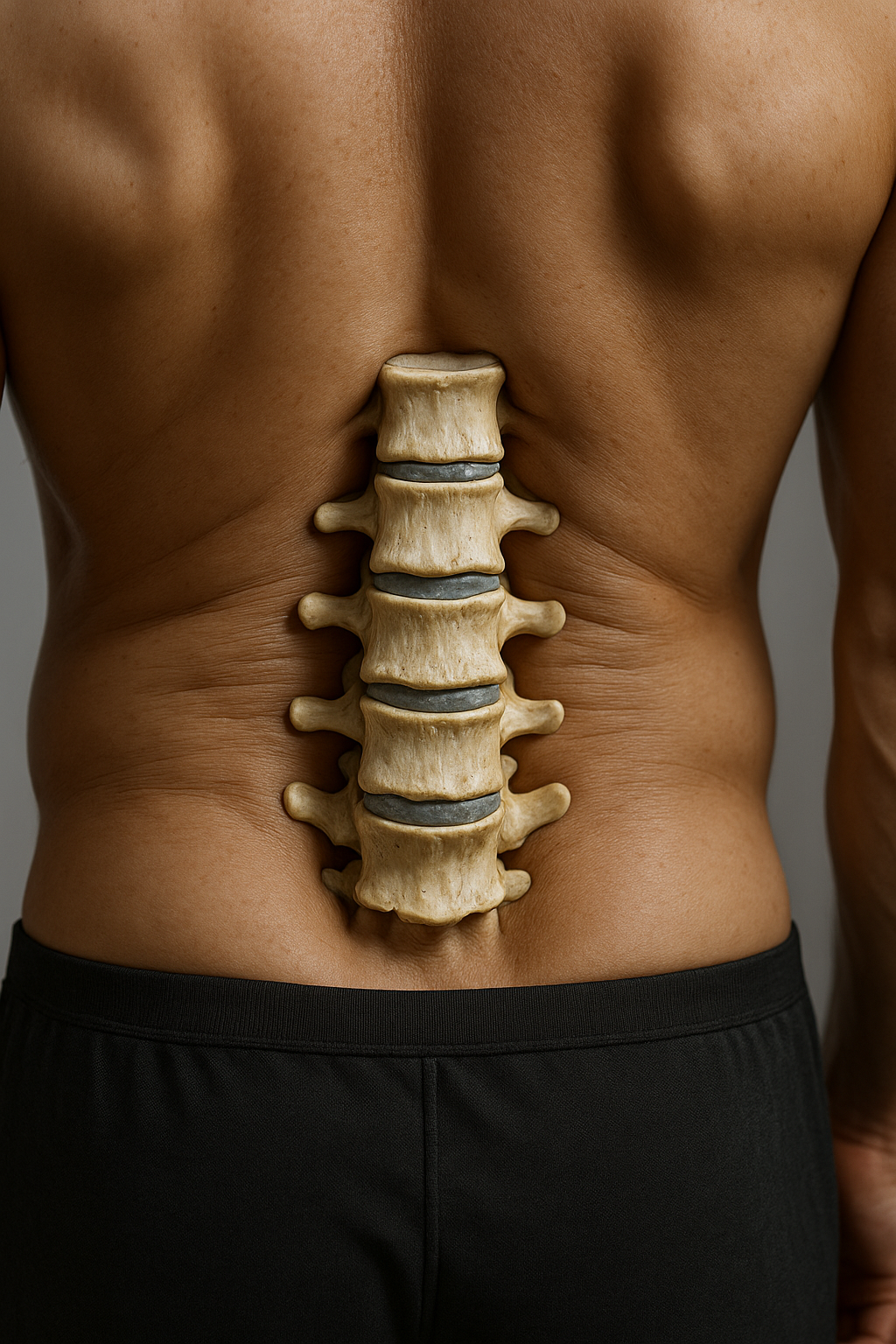
Living with sciatica pain can be a challenging experience, affecting your ability to perform everyday tasks and diminishing your quality of life. Sciatica is a condition characterized by pain that radiates along the path of the sciatic nerve, which extends from the lower back down through the hips, buttocks, and legs. This pain can be sharp, burning, or accompanied by tingling and numbness, making even the simplest movements uncomfortable.
understanding sciatica pain
Sciatica is often caused by compression or irritation of the sciatic nerve, with common culprits including herniated disks, spinal stenosis, or bone spurs. These conditions can put pressure on the nerve, leading to the debilitating symptoms associated with sciatica. The impact of sciatica on daily life can be profound, affecting mobility, sleep, and overall well-being, thus necessitating effective pain management solutions.

Lumbar support belt
Giver støtte og lindrer smerter i lænden – ideel ved iskias, diskusprolaps og lændesmerter.
introduction to acupuncture
Acupuncture, a key component of Traditional Chinese Medicine, has been practiced for thousands of years. It involves the insertion of thin needles into specific points on the body to balance the flow of energy, or qi. In recent years, acupuncture has gained popularity in the Western world as an alternative treatment for various forms of pain, including sciatica. Its non-invasive nature and minimal side effects make it an attractive option for those seeking relief without the use of pharmaceuticals.
the promise of acupuncture for sciatica
There is a growing interest in acupuncture as a viable treatment for sciatica pain. Recent scientific studies have highlighted its effectiveness, showing that acupuncture can provide significant pain relief and improve quality of life for those suffering from this condition. As more people seek alternatives to traditional medications, acupuncture stands out as a promising intervention that aligns with a holistic approach to health. The increasing body of evidence supporting acupuncture's role in pain management is encouraging for both patients and healthcare providers looking for effective, non-pharmaceutical solutions.
scientific evidence supporting acupuncture for sciatica
The effectiveness of acupuncture in treating sciatica pain is supported by a growing body of scientific evidence. Meta-analyses and systematic reviews have consistently demonstrated acupuncture's superiority over traditional medications like NSAIDs. One significant finding is that acupuncture not only provides a higher total efficacy rate but also reduces the recurrence of symptoms. For instance, a meta-analysis indicated an efficacy rate of 1.25 times higher than medications, with a substantial reduction in pain scores and recurrence rates.
Furthermore, acupuncture has been shown to outperform sham treatments, which are placebo-like interventions used in clinical trials. In one study, patients receiving real acupuncture experienced a reduction in pain scores by an average of 30.8 points compared to just 14.9 points in the sham group. This suggests that acupuncture's effects are not merely due to placebo but have a genuine therapeutic impact.
understanding the mechanisms of action
The mechanisms by which acupuncture alleviates sciatica pain are multifaceted and rooted in both traditional and modern understandings of the body. Acupuncture is believed to modulate pain through neuroplasticity, which involves the brain's ability to reorganize itself by forming new neural connections. This process can help reduce the perception of pain and improve nerve function.
Additionally, acupuncture is known to reduce inflammation, a key factor in sciatica pain. By stimulating specific acupuncture points, the treatment can promote the release of anti-inflammatory substances in the body, thereby alleviating pain and discomfort. These points are strategically located along the body's meridians, pathways through which energy, or qi, flows. By targeting these points, acupuncture helps restore balance and harmony, contributing to pain relief.
types of acupuncture treatments for sciatica
Acupuncture for sciatica can be administered through various techniques, each offering unique benefits. Manual acupuncture involves the traditional insertion of needles, while electroacupuncture uses a small electrical current passed between pairs of acupuncture needles to enhance the treatment's effects. This method is particularly effective for stimulating nerve activity and reducing pain.
Warm acupuncture, another variant, combines traditional acupuncture with heat therapy. Studies have shown that warm acupuncture is non-inferior to gabapentin, a common medication for nerve pain, in managing pain and disability associated with sciatica. Patients often experience significant improvements in pain and mobility, making it a viable alternative to pharmaceutical interventions.
acupuncture's safety profile and adverse events
One of the most appealing aspects of acupuncture is its high safety profile. Compared to medications, acupuncture is associated with fewer adverse events. In clinical studies, the incidence of side effects was significantly lower for acupuncture, with a relative risk of 0.38 compared to traditional medical treatments. This makes acupuncture a safe option for individuals seeking to avoid the side effects commonly associated with pharmaceuticals.
Overall, acupuncture presents a compelling case as an effective and safe treatment for sciatica pain. Its ability to provide pain relief, improve quality of life, and do so with minimal side effects positions it as a valuable component of a comprehensive pain management strategy. As scientific evidence continues to mount, acupuncture's role in treating sciatica is likely to grow, offering hope to those suffering from this debilitating condition.
comparing acupuncture with other treatments for sciatica
When evaluating treatment options for sciatica, acupuncture emerges as a compelling alternative to conventional medications. Studies indicate that acupuncture not only increases pain thresholds but also significantly reduces recurrence rates compared to medications. For instance, a meta-analysis highlighted that acupuncture has a 1.25 times higher total efficacy rate than medications, with a substantial reduction in pain scores and recurrence rates. This positions acupuncture as a superior option for those seeking long-term relief.
In comparisons with sham treatments, acupuncture consistently shows greater pain reduction. For example, patients receiving real acupuncture reported a pain score reduction of 30.8 points, significantly higher than the 14.9 points observed with sham treatments. This demonstrates that acupuncture's therapeutic effects are genuine and not merely attributable to placebo.
Acupuncture also holds its ground against gabapentin, a commonly prescribed medication for nerve pain. Warm acupuncture, a variant of the traditional technique, has been shown to be non-inferior to gabapentin in managing pain and disability associated with sciatica. Patients often report significant improvements in pain and mobility, making acupuncture a viable alternative to pharmaceutical interventions with fewer side effects.
practical considerations for acupuncture treatment
For those considering acupuncture for sciatica, understanding the practical aspects of treatment is crucial. The effectiveness of acupuncture can vary depending on the number of sessions. Research suggests that significant pain relief can be achieved in less than 15 sessions, although some cases may require 15 or more sessions for optimal results. This flexibility allows for personalized treatment plans tailored to individual needs.
It is essential to consult certified practitioners to ensure safe and effective treatment. Certified acupuncturists are trained to identify the specific acupuncture points that will best address sciatica pain, providing a personalized approach that maximizes the benefits of the therapy. By working with qualified professionals, patients can develop a comprehensive pain management strategy that incorporates acupuncture alongside other treatments as needed.
conclusion
Acupuncture presents a viable, evidence-backed option for managing sciatica pain. With its high efficacy, low risk of adverse effects, and ability to complement other treatments, acupuncture offers a holistic approach to pain management. As more individuals seek alternatives to traditional medications, acupuncture stands out as a promising intervention that aligns with a natural and integrative approach to health. Patients and healthcare providers alike are encouraged to consider acupuncture as part of a comprehensive strategy for alleviating sciatica pain and improving quality of life.

Men's Posture Shirt™ - Black
Forbedrer din holdning og kan afhjælpe smerter og spændinger i ryg, nakke og skuldre.
frequently asked questions
Is acupuncture effective for sciatica pain?
Yes, studies show significant pain relief and reduced recurrence rates with acupuncture. It has been demonstrated to be more effective than traditional medications and sham treatments.
How does acupuncture compare to traditional medications?
Acupuncture has been shown to be superior in efficacy compared to traditional medications like NSAIDs, with fewer adverse events and a higher pain threshold increase.
Are there any risks associated with acupuncture?
Acupuncture is generally safe with a low incidence of adverse events. It is important to seek treatment from certified practitioners to minimize any potential risks.
How many acupuncture sessions are needed for sciatica?
Effectiveness can be seen in fewer than 15 sessions, although some individuals may require 15 or more sessions depending on their specific condition and response to treatment.
Can acupuncture be combined with other treatments?
Yes, acupuncture can be effectively combined with other treatments, such as medications or physical therapy, to enhance overall pain relief and management strategies.
Kilder
- "Acupuncture for Sciatica Pain: A Comprehensive Review." PubMed.
- "Efficacy of Acupuncture in Treating Sciatica: A Meta-Analysis." PMC.
- "The Role of Acupuncture in Sciatica Management." SAGE Journals.
- "Neuroscience Insights into Acupuncture for Sciatica." Frontiers in Neuroscience.
- "Comparative Study of Acupuncture and Medications for Sciatica." JAMA Internal Medicine.
- "Systematic Review of Acupuncture for Sciatica." PCOM Scholarly Papers.
- "Clinical Trial Supports Acupuncture for Chronic Sciatica." Pharmacist.com.
- "Acupuncture Therapy for Sciatica: An Overview." Dove Press.