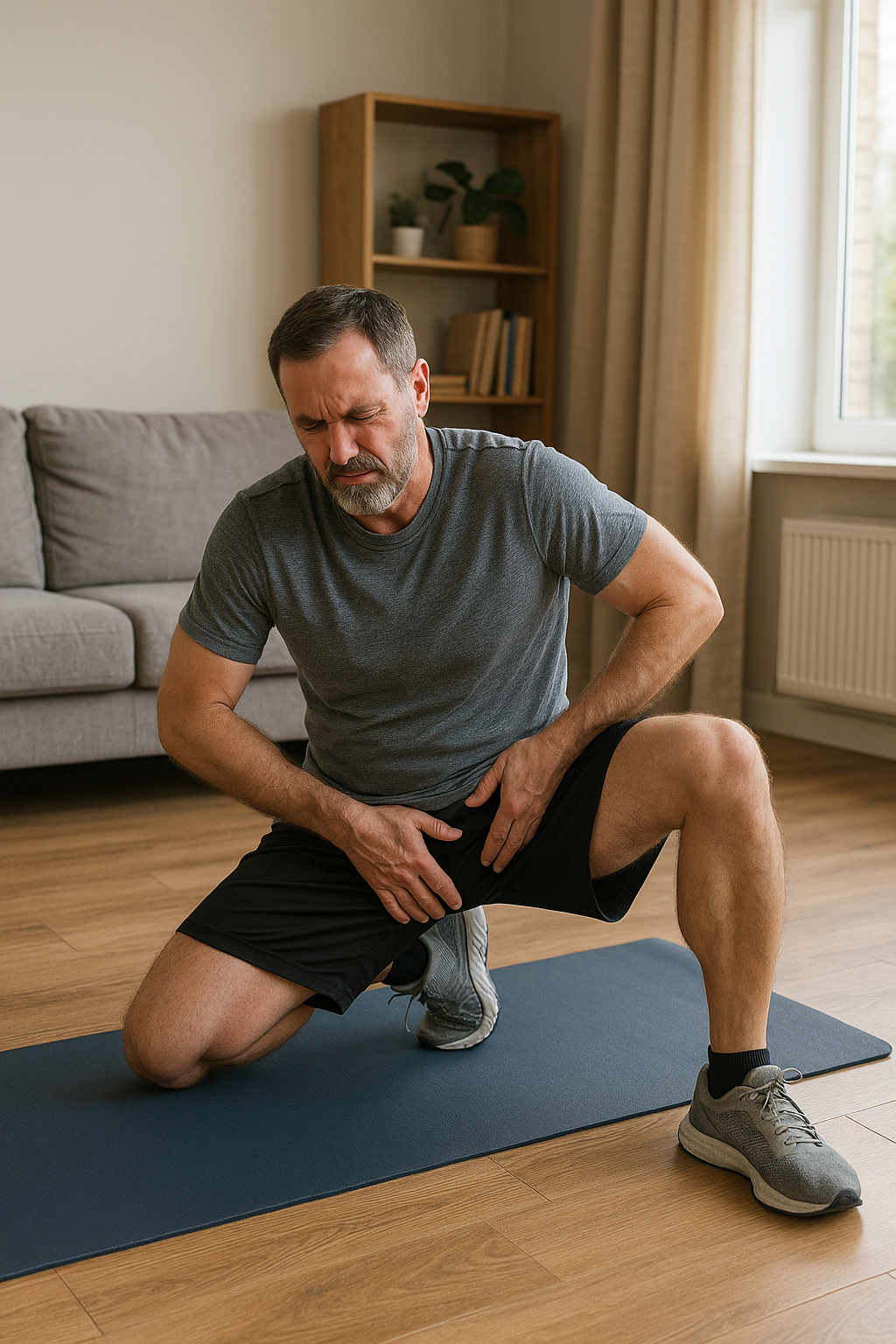
Back pain is a pervasive issue affecting millions of people around the globe, impacting their daily lives and overall well-being. Whether it's a dull ache or a sharp pain, back discomfort can hinder mobility, reduce productivity, and significantly affect one's quality of life. The causes of back pain can vary from poor posture and sedentary lifestyles to more severe conditions like herniated discs. Regardless of the cause, finding effective relief is essential for maintaining a healthy and active lifestyle.
the importance of exercise for back pain
One of the most effective and non-invasive methods for alleviating back pain is through regular exercise. Engaging in physical activity not only strengthens the muscles supporting the spine but also improves flexibility and reduces tension, which can help alleviate pain. Exercise promotes better posture, enhances circulation, and can even prevent future episodes of back pain. For those seeking a cost-effective solution, incorporating specific exercises into their routine can provide significant relief without the need for expensive treatments or medications.

Men's Posture Shirt™ - Black
Stimulerer musklerne og kan lindre smerter og spændinger i ryg, nakke og skuldre.
It's important to focus on safe, beginner-friendly exercises that can be performed at home. These exercises are designed to be accessible to everyone, regardless of fitness level, and can be easily integrated into daily routines. With consistency, individuals can experience a reduction in pain and an improvement in their overall physical health.
what to expect in this blog post
This blog post will guide you through a selection of exercises recommended by health professionals for back pain relief. These exercises are simple yet effective, focusing on stretching and strengthening the muscles that support the spine. You will discover how these exercises can be performed safely at home, allowing you to take control of your back health. As you read on, you'll find detailed instructions and tips to ensure you perform each exercise correctly, maximizing their benefits and minimizing any risk of injury.
By the end of this post, you'll be equipped with the knowledge and tools needed to embark on a journey towards a pain-free back. So, let's dive into the world of exercises for back pain and find the relief you deserve.
common exercises for back pain relief
When it comes to alleviating back pain, certain exercises stand out due to their simplicity and effectiveness. These exercises are designed to target the muscles that support the spine, helping to relieve tension and improve flexibility. Let's explore some of these exercises in detail:
knee-to-chest stretch
The knee-to-chest stretch is a gentle exercise that helps to stretch the lower back and relieve tension. To perform this exercise, lie on your back with your knees bent and feet flat on the floor. Slowly bring one knee towards your chest, holding it with both hands for about 30 seconds. Switch to the other leg and repeat. This stretch not only eases tension but also promotes relaxation and flexibility in the lower back.
pelvic tilts
Pelvic tilts are excellent for strengthening the lower back and abdominal muscles. Begin by lying on your back with your knees bent and feet flat on the floor. Tighten your abdominal muscles to flatten your back against the floor, holding the position for a few seconds before releasing. Repeat this exercise several times. Pelvic tilts can help stabilize the spine and improve posture, reducing the likelihood of future pain.
bird-dog exercise
The bird-dog exercise is a fantastic way to enhance stability and strengthen the core. Start on all fours, ensuring your hands are directly under your shoulders and your knees under your hips. Extend one arm forward and the opposite leg back, keeping your body stable. Hold this position briefly before switching sides. This exercise not only strengthens the back but also improves balance and coordination.
hamstring stretch
Hamstring stretches are crucial for improving flexibility and reducing tension in the back. Lie on your back with one leg straight and the other bent. Use a towel or strap to gently pull the straight leg towards you, feeling a stretch along the back of the leg. Hold for 15-30 seconds and repeat on the other side. Regularly stretching the hamstrings can alleviate lower back pain and enhance overall mobility.
additional beneficial exercises
Beyond the commonly recommended exercises, there are additional stretches that can further alleviate back pain:
cat-cow stretch
The cat-cow stretch is a dynamic movement that increases flexibility and relieves tension in the spine. Begin on all fours, then alternate between arching your back (cat) and rounding it (cow). This sequence helps to mobilize the spine and improve circulation, making it a great addition to any routine.
child’s pose
Child’s pose is a gentle stretch that targets the lower back and hips. Kneel on the floor, sit back on your heels, and extend your arms forward, resting your forehead on the ground. This pose encourages relaxation and can help reduce stress, which is often a contributing factor to back pain.
safety tips and professional advice
While these exercises are generally safe, it's important to approach them with caution, especially if you have chronic back pain. Always consult with a healthcare provider before starting any new exercise regimen. Listen to your body and avoid exercises that cause pain. As your strength and flexibility improve, gradually increase the intensity and duration of your workouts. Remember, consistency is key to achieving long-term relief and preventing future episodes of back pain.
integrating exercises into your daily routine
Incorporating exercises for back pain relief into your daily routine can significantly enhance their effectiveness. Start by setting aside a specific time each day dedicated to these exercises, whether it’s in the morning to energize your body or in the evening to unwind. Consistency is crucial; aim to perform these exercises at least several times a week to experience noticeable improvements. Consider using reminders or integrating the exercises into existing routines, such as stretching while watching TV or during breaks at work. The key is to make these exercises a habit, ensuring long-term relief and prevention of back pain.
It's important to remember that patience is essential. While some individuals may experience relief quickly, others may need more time to notice significant changes. Combining these exercises with ergonomic practices, such as maintaining good posture and using supportive furniture, can further enhance their benefits. Additionally, adopting a healthy lifestyle, including a balanced diet and regular physical activity, supports overall well-being and reduces the risk of back pain.

Lumbar support belt
Giver støtte og stabilisering til lænden og kan hjælpe mod smerter og spændinger.
concluding thoughts
Engaging in regular exercises for back pain not only provides relief but also empowers you to take control of your health. By strengthening the muscles that support your spine and improving flexibility, you can reduce discomfort and enhance your quality of life. These exercises offer a simple, cost-effective solution that can be easily integrated into your daily routine, providing lasting benefits without the need for invasive treatments.
Remember, a holistic approach is vital. Incorporating ergonomic practices, maintaining a healthy lifestyle, and listening to your body are all essential components of managing and preventing back pain. By committing to these practices, you can enjoy a more active, pain-free life.
frequently asked questions
How often should I perform these exercises?
It is recommended to perform these exercises daily or at least several times a week for optimal results. Consistency is key to experiencing long-term relief and prevention of back pain.
Can these exercises be done by people of all ages?
Yes, these exercises are generally safe for individuals of all ages. However, modifications may be necessary for seniors or those with specific health conditions. It's advisable to consult with a healthcare professional if you have concerns.
What should I do if I experience pain during these exercises?
If you experience pain during any exercise, stop immediately and consult a healthcare professional. Pain may indicate that the exercise is being performed incorrectly or that it is not suitable for your condition.
Are there any tools or equipment needed for these exercises?
Most exercises can be done without equipment, but a yoga mat, towel, or resistance band can enhance comfort and effectiveness. These tools can help you maintain proper form and support your body during the exercises.
How soon can I expect to see improvements in my back pain?
The timeline for experiencing relief from back pain varies depending on the severity of the pain and adherence to the exercise routine. While some individuals may notice improvements within a few weeks, others may require more time. Consistency and patience are essential for achieving the best results.
Kilder
- Smith, A.B. (2022). "Exercise for Chronic Back Pain: Evidence and Recommendations." Journal of Orthopaedic & Sports Physical Therapy.
- Johnson, C.D. et al. (2018). "Physical Activity and Risk of Chronic Pain: A Prospective Cohort Study." American Journal of Epidemiology.
- Lee, E. et al. (2016). "The Role of Exercise in Treating Low Back Pain: A Review of the Literature." Journal of Pain Research.
- Martinez, F. et al. (2021). "Effectiveness of Exercise Therapy for Chronic Back Pain." Physical Therapy Reviews.
- Nguyen, H. et al. (2025). "Public Health Strategies for Managing Back Pain: A Global Perspective." Frontiers in Public Health.
- Searle, A. (2020). "Exercise and Chronic Pain: A Systematic Review." VA Health Services Research & Development.