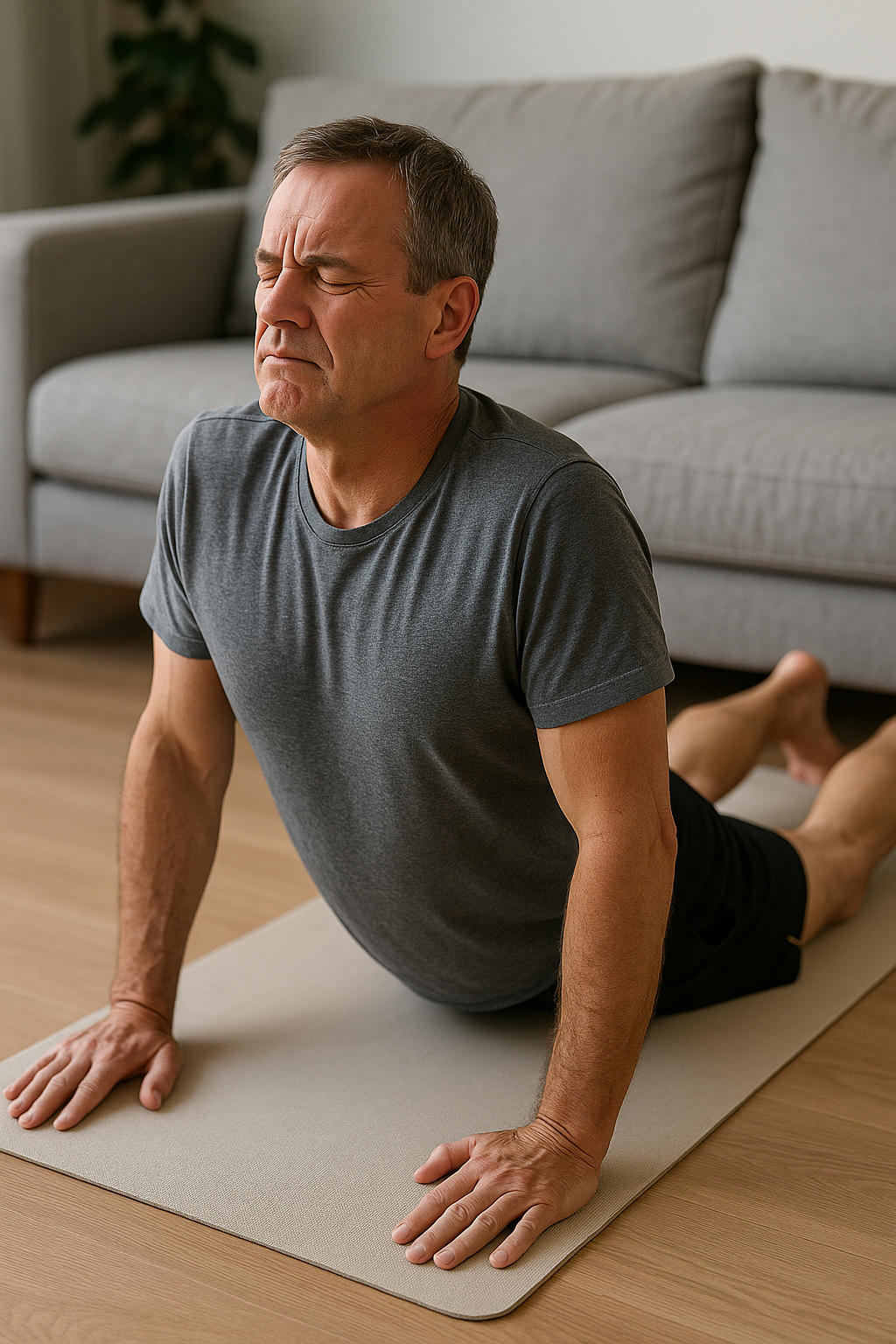
A pinched nerve in the groin can be a perplexing and painful condition, often mistaken for a more common groin strain. While both conditions involve discomfort in the groin area, they are distinct in nature. A pinched nerve occurs when surrounding tissues apply too much pressure on a nerve, leading to sharp pain, numbness, and tingling sensations. In contrast, a groin strain refers to an injury of the muscles or tendons in the groin area. Recognizing these symptoms and understanding the difference is crucial for effective treatment and to prevent further complications.
diagnosing the discomfort
One of the challenges in managing groin pain is accurately diagnosing the source of the discomfort. Many people confuse the symptoms of a pinched nerve with those of a groin strain, largely due to the overlap in pain location and general discomfort. This confusion is compounded by the prevalence of online content focusing primarily on muscle strains rather than nerve compression. As a result, individuals experiencing nerve-related pain may struggle to find the targeted information they need to address their condition effectively.
the purpose of this guide
The aim of this blog post is to fill that gap by providing a comprehensive guide to exercises specifically designed to relieve a pinched nerve in the groin area. By focusing on targeted stretches and strengthening exercises, this post will help those suffering from nerve compression find relief and improve their quality of life. Whether you're dealing with sharp, shooting pain or persistent numbness, the exercises outlined here will serve as a valuable resource in your journey to recovery.
Stay tuned as we delve into initial management strategies and specific exercises that can ease the discomfort of a pinched nerve in the groin, helping you regain mobility and comfort in your daily activities.
initial management strategies for pinched nerve relief
When dealing with acute pain from a pinched nerve in the groin, it is essential to start with basic management strategies that can help alleviate discomfort. The PRICE protocol—Protect, Rest, Ice, Compress, and Elevate—is a widely recommended approach. This method not only helps in managing immediate pain but also sets the stage for more targeted interventions.
Protecting the affected area from further strain is crucial. This might mean avoiding activities that exacerbate the pain or using supportive gear that minimizes movement. Rest is equally important, allowing the body to heal naturally without additional stress. Applying ice packs can reduce inflammation and numb the area, providing temporary relief from sharp pain. Compression, although more commonly associated with muscle injuries, can sometimes help in stabilizing the area and preventing swelling. Elevation is the least applicable in the groin area but can still be beneficial in reducing overall body inflammation.
In addition to the PRICE protocol, non-steroidal anti-inflammatory drugs (NSAIDs) like ibuprofen can be used to manage inflammation and pain. However, it's always advisable to consult with a healthcare professional before starting any medication.
effective exercises for pinched nerve relief
Once the acute pain is under control, incorporating specific exercises can significantly aid in relieving a pinched nerve in the groin. These exercises focus on stretching and strengthening the surrounding muscles to reduce pressure on the nerve.
stretches for nerve relief
Two effective stretches can help alleviate nerve compression:
- Piriformis Stretch: This stretch targets the piriformis muscle, which can sometimes compress the sciatic nerve, contributing to groin pain. To perform this stretch, lie on your back with both knees bent. Cross one leg over the other, placing your ankle on the opposite knee. Gently pull the bottom knee towards your chest until you feel a stretch in the buttock and hip area. Hold for 30 seconds and switch sides.
- Outer Hip Stretch: This stretch helps to reduce tension in the hip area, potentially alleviating pressure on the nerve. Stand with your feet shoulder-width apart. Cross one leg behind the other and lean towards the side of the back leg. Hold for 20-30 seconds and switch sides.
strengthening exercises
Strengthening exercises are crucial for supporting the muscles around the groin and reducing nerve compression:
- Hip Adductor Strengthening: Lie on your side with your bottom leg straight and top leg bent over the bottom. Lift the bottom leg upwards in a slow, controlled motion, then lower it back down. Perform 10-15 repetitions on each side.
- Lateral Lunges: Stand with feet wide apart. Shift your weight to one side, bending the knee while keeping the other leg straight. Push back to the starting position and repeat on the other side. Perform 10-15 repetitions per side.
dynamic stretches and isometrics for quick relief
For those seeking quick relief, dynamic stretches and isometric exercises can be highly effective. Leg swings and half-kneel rocks are excellent for increasing blood flow and flexibility, providing immediate comfort. These exercises can be performed at home without any equipment, making them convenient for daily practice.
lifestyle and ergonomic adjustments
Beyond exercises, lifestyle changes can play a significant role in managing a pinched nerve in the groin. Maintaining good posture and using ergonomic aids, such as standing desks and supportive chairs, can prevent further nerve compression. Wearing loose clothing and maintaining a healthy weight also contribute to reducing pressure on the nerve, facilitating a smoother recovery process.

Men's Posture Shirt™ - Black
Patented Posture Shirt™ with NeuroBand™ technology to improve posture and relieve tension or pain.

Women's Posture Shirt™ - Black
Patented Posture Shirt™ with NeuroBand™ technology designed to improve posture and relieve discomfort.
By integrating these exercises and lifestyle adjustments into your daily routine, you can effectively manage the symptoms of a pinched nerve in the groin, promoting long-term relief and improved quality of life.
advanced techniques for pinched nerve relief
To further alleviate the discomfort of a pinched nerve in the groin, advanced techniques can be incorporated into your routine. One such method is neural glides, which are specifically designed to improve nerve mobility and reduce irritation. To perform a neural glide for the groin, lie on your back and gently bring your knee towards your chest, then slowly extend your leg back out. This motion helps to mobilize the nerve without causing additional strain.
Foam rolling is another effective technique that can be adapted for nerve relief. Focus on rolling the adductors and quadriceps, as these areas can often contribute to nerve compression. By applying gentle pressure with a foam roller, you can help release tension and improve circulation, which may alleviate symptoms.
preventive measures for long-term relief
Consistent exercise and ergonomic practices are key to preventing the recurrence of a pinched nerve in the groin. Incorporating a balanced exercise routine that includes both stretching and strengthening exercises can help maintain muscle balance and reduce the risk of nerve compression. Additionally, ergonomic adjustments, such as using posture-correcting tools and ensuring proper workstation setup, can prevent undue stress on the groin area.
Physical therapy is also a valuable resource for long-term management and recovery. A physical therapist can provide personalized exercises and strategies tailored to your specific needs, ensuring a comprehensive approach to recovery and prevention.
concluding thoughts
Managing a pinched nerve in the groin requires a multifaceted approach that combines immediate pain relief with long-term preventive strategies. By implementing the exercises and techniques outlined in this guide, along with making necessary lifestyle and ergonomic adjustments, you can significantly reduce symptoms and enhance your quality of life. Always consult with healthcare professionals to tailor a recovery plan that best suits your individual needs.
frequently asked questions
What is the difference between a pinched nerve and a groin strain?
A pinched nerve involves compression of a nerve by surrounding tissues, leading to symptoms like sharp pain, numbness, and tingling. In contrast, a groin strain is an injury to the muscles or tendons in the groin area, typically resulting from overstretching or tearing.
How long does it take to recover from a pinched nerve in the groin?
Recovery time for a pinched nerve in the groin varies. Mild cases may resolve within a few weeks with consistent management, while more severe cases could take longer. Adhering to a structured exercise and lifestyle plan can expedite recovery.
Can exercises alone cure a pinched nerve?
While exercises play a crucial role in alleviating symptoms and promoting recovery, they are most effective when combined with lifestyle changes and, in some cases, physical therapy. A comprehensive approach is often necessary for optimal results.
When should I see a doctor for groin pain?
If groin pain persists despite self-care measures, or if symptoms worsen over time, it is important to seek medical advice. A healthcare professional can provide a proper diagnosis and recommend appropriate treatments tailored to your condition.
Källor
- Surrey Physio. (n.d.). "Best 5 Exercises for a Groin Strain."
- Evergreen Clinic. (n.d.). "Best Stretches and Exercises for Groin Pain."
- Berkshire Healthcare NHS. (n.d.). "Groin Strain Physio Leaflet."
- ChoosePT. (n.d.). "Physical Therapy Guide to Groin Strain."
- YouTube. (n.d.). "Groin Pain Stretches and Exercises."
- YouTube. (n.d.). "Exercises for Groin Pain Relief."
- Hinge Health. (n.d.). "Groin Stretches."
- YouTube. (n.d.). "Effective Groin Stretches."