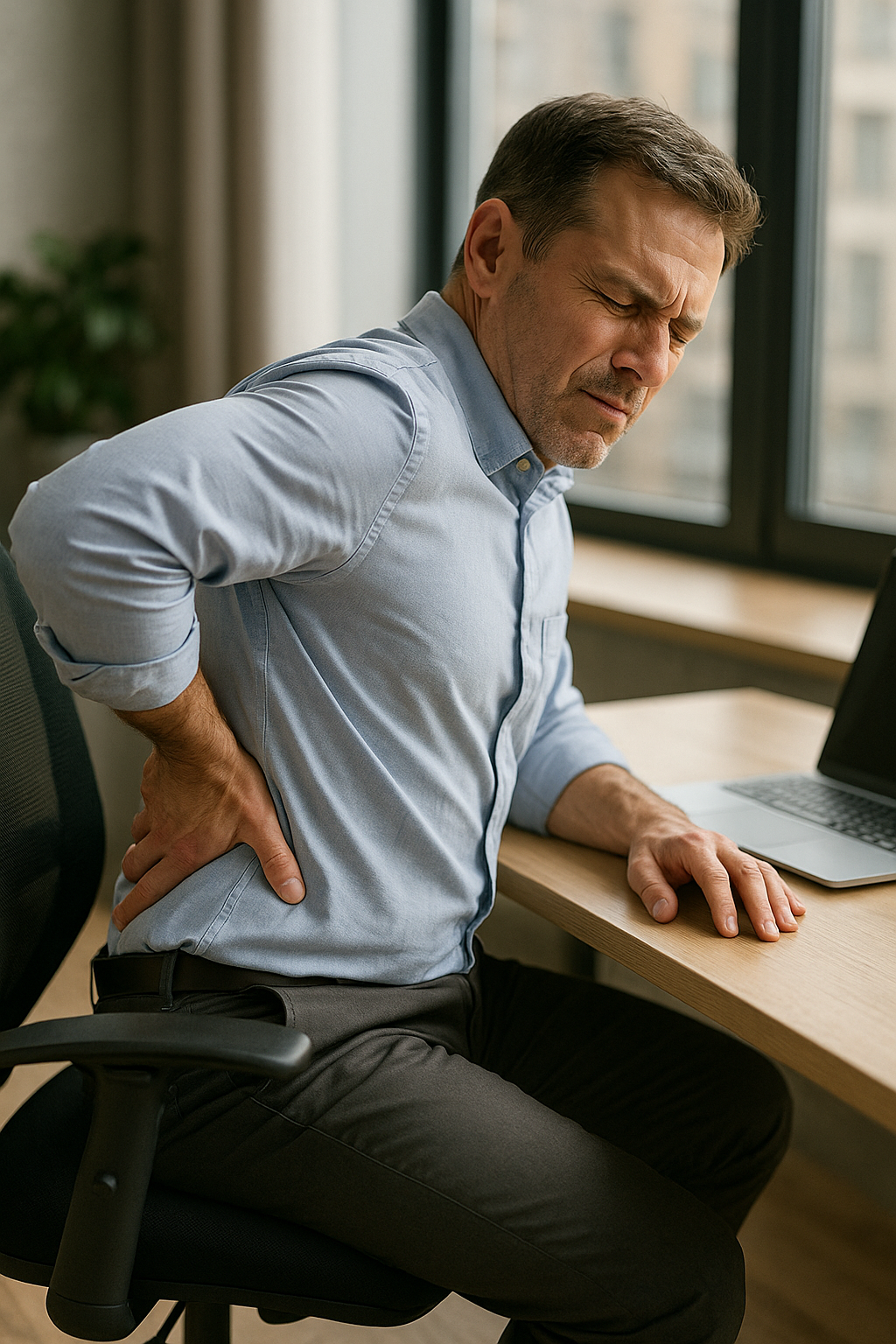
Sciatica pain is a common yet often debilitating condition that affects millions of people worldwide, significantly impacting their daily lives. This condition is characterized by pain that radiates along the path of the sciatic nerve, which extends from the lower back through the hips and buttocks and down each leg. The symptoms of sciatica can range from a mild ache to a sharp, burning sensation or excruciating pain, often accompanied by tingling, numbness, or muscle weakness in the affected leg or foot. For many, these symptoms make routine activities like sitting, standing, or walking challenging.
Understanding the impact of sciatica pain
The prevalence of sciatica is largely attributed to modern lifestyle factors, such as prolonged sitting, which is common in today's work environments. This sedentary lifestyle can contribute to the development of sciatica by placing additional pressure on the lower back and sciatic nerve. As a result, understanding how to manage and alleviate sciatica pain is crucial for maintaining quality of life and productivity.
The importance of non-surgical solutions
When it comes to treating sciatica, non-surgical solutions are often preferred as the first line of defense. These approaches are not only less invasive but also focus on addressing the root causes of the pain without the need for surgical intervention. The emphasis on non-surgical treatments aligns with the growing demand for simple, effective strategies that can be easily incorporated into daily routines. This blog will explore various methods and techniques that can help manage and alleviate sciatica pain, providing readers with practical solutions to improve their well-being.
By prioritizing non-invasive treatments, individuals can often experience significant relief from sciatica pain without the risks and recovery time associated with surgery. This approach not only empowers individuals to take control of their health but also encourages a proactive stance in managing their condition. As we delve deeper into this topic, we will uncover a range of strategies designed to help you find relief and improve your overall quality of life.
common causes of sciatica pain
Understanding the root causes of sciatica is crucial in finding effective relief. One of the most common causes is a herniated disc, which occurs when the soft inner gel of a spinal disc pushes through its tougher outer layer. This can compress the sciatic nerve, leading to the characteristic pain and discomfort. Similarly, spinal stenosis, a condition where the spinal canal narrows, can also put pressure on the sciatic nerve, resulting in pain.
Other potential causes include spondylolisthesis, where one vertebra slips over another, and piriformis syndrome, which involves the piriformis muscle in the buttocks irritating the sciatic nerve. Lifestyle factors, such as prolonged sitting, can exacerbate these conditions by increasing pressure on the lower back and sciatic nerve.
symptoms and diagnosis of sciatica
Sciatica typically presents with a range of symptoms including sharp or burning pain that radiates down the leg, numbness, tingling, and muscle weakness. These symptoms can vary in intensity and may affect one side of the body more than the other. Diagnosing sciatica often involves a physical examination where a healthcare provider assesses your medical history and conducts tests to evaluate muscle strength and reflexes.
Imaging tests, such as X-rays, MRIs, or CT scans, may be used to identify the underlying cause of the pain, such as a herniated disc or spinal stenosis. These diagnostic tools help in formulating an effective treatment plan tailored to the individual's specific condition.
non-surgical treatment options for sciatica
physical therapy and exercises
Physical therapy plays a pivotal role in managing sciatica pain. A structured program focusing on strengthening core and back muscles can significantly alleviate symptoms. Exercises such as stretching routines targeting the piriformis and hamstring muscles are particularly beneficial. These exercises help in reducing muscle tension, improving flexibility, and promoting better posture, which can alleviate pressure on the sciatic nerve.
medications for pain relief
Medications are often used to manage the pain associated with sciatica. Over-the-counter options like nonsteroidal anti-inflammatory drugs (NSAIDs) and acetaminophen can provide relief. In more severe cases, prescription medications, including muscle relaxants and anti-inflammatories, may be recommended by healthcare providers to reduce pain and inflammation.
injections for sciatica relief
Epidural steroid injections are another non-surgical option aimed at reducing inflammation and pain. These injections are typically administered directly into the area around the spinal cord where the sciatic nerve is affected. While effective, there are limitations, such as the recommendation to limit these injections to a maximum of three per year to avoid potential side effects.
By exploring and understanding these non-surgical treatment options, individuals suffering from sciatica can find significant relief and improve their quality of life. These methods not only address the symptoms but also target the underlying causes, providing a comprehensive approach to managing this often debilitating condition.
Self-care and lifestyle adjustments for sciatica relief
Managing sciatica pain often involves incorporating various self-care and lifestyle adjustments into your daily routine. One effective method is hot and cold therapy. Alternating between heat and cold packs can help reduce inflammation and alleviate pain. Heat therapy promotes blood flow and relaxes tight muscles, while cold therapy helps numb sharp pain and reduce swelling.
Maintaining an active lifestyle is crucial in managing sciatica. Regular physical activity helps strengthen the muscles supporting your spine, reducing pressure on the sciatic nerve. Avoiding prolonged sitting is also essential, as it can exacerbate symptoms. Incorporating short breaks to stand and stretch throughout the day can help mitigate this risk.
Ergonomic adjustments in your workplace or home can significantly impact your comfort and pain levels. Investing in ergonomic chairs and lumbar supports can help maintain proper posture and reduce strain on your lower back. These tools are designed to support the natural curve of your spine, preventing unnecessary pressure on the sciatic nerve.

Lumbar support belt
Giver stabilisering og lindring til lænden ved rygsmerter og iskias.
When to consider medical intervention
While many cases of sciatica can be managed with non-surgical treatments, there are instances where medical intervention may be necessary. If you experience severe pain that does not improve with self-care measures or if you notice significant weakness or numbness, it may be time to consult a healthcare professional.
Surgical options are typically considered a last resort and are reserved for cases where other treatments have failed. Conditions such as a herniated disc or spinal stenosis that do not respond to conservative treatments may require surgical intervention. Although surgery can provide relief, it carries risks and requires a recovery period, making it less desirable than non-invasive methods.
Frequently Asked Questions
What is the fastest way to relieve sciatica pain?
For quick relief, try stretching exercises, over-the-counter NSAIDs, and alternating hot and cold therapy. These methods can help reduce inflammation and alleviate pain temporarily.
Can sciatica go away on its own?
Yes, many cases of sciatica resolve on their own with time and proper self-care. It's important to maintain an active lifestyle and incorporate ergonomic adjustments to prevent recurrence.
How can I prevent sciatica from recurring?
Preventing sciatica involves maintaining good posture, engaging in regular exercise, and using ergonomic aids like supportive chairs and lumbar cushions. These practices help reduce strain on your lower back and sciatic nerve.

Men's Posture Shirt™ - White
Posture Shirt™ aktiverer musklerne og kan lindre smerter og spændinger.
Is walking good for sciatica?
Walking is a low-impact exercise that can be beneficial for sciatica. It helps improve circulation and strengthens the muscles supporting your spine, which can alleviate symptoms.
When should I see a doctor for sciatica pain?
If your symptoms persist or worsen despite self-care efforts, or if you experience severe pain, weakness, or numbness, it's advisable to seek medical attention. A healthcare professional can provide a thorough evaluation and recommend appropriate treatment options.
Kilder
- Cleveland Clinic. "Sciatica."
- Yale Medicine. "Sciatica."
- Tylenol. "Sciatica Pain Relief."
- Hospital for Special Surgery. "Sciatica."
- Mayo Clinic. "Sciatica: Symptoms and Causes."
- National Center for Biotechnology Information. "Sciatica."
- UVA Health. "Sciatica: Symptoms, Causes, and Treatment."
- American Academy of Orthopaedic Surgeons. "Sciatica."
- NHS. "Sciatica."
- Connecticut Advanced Spine. "Sciatica Pain: Causes and How It's Treated."