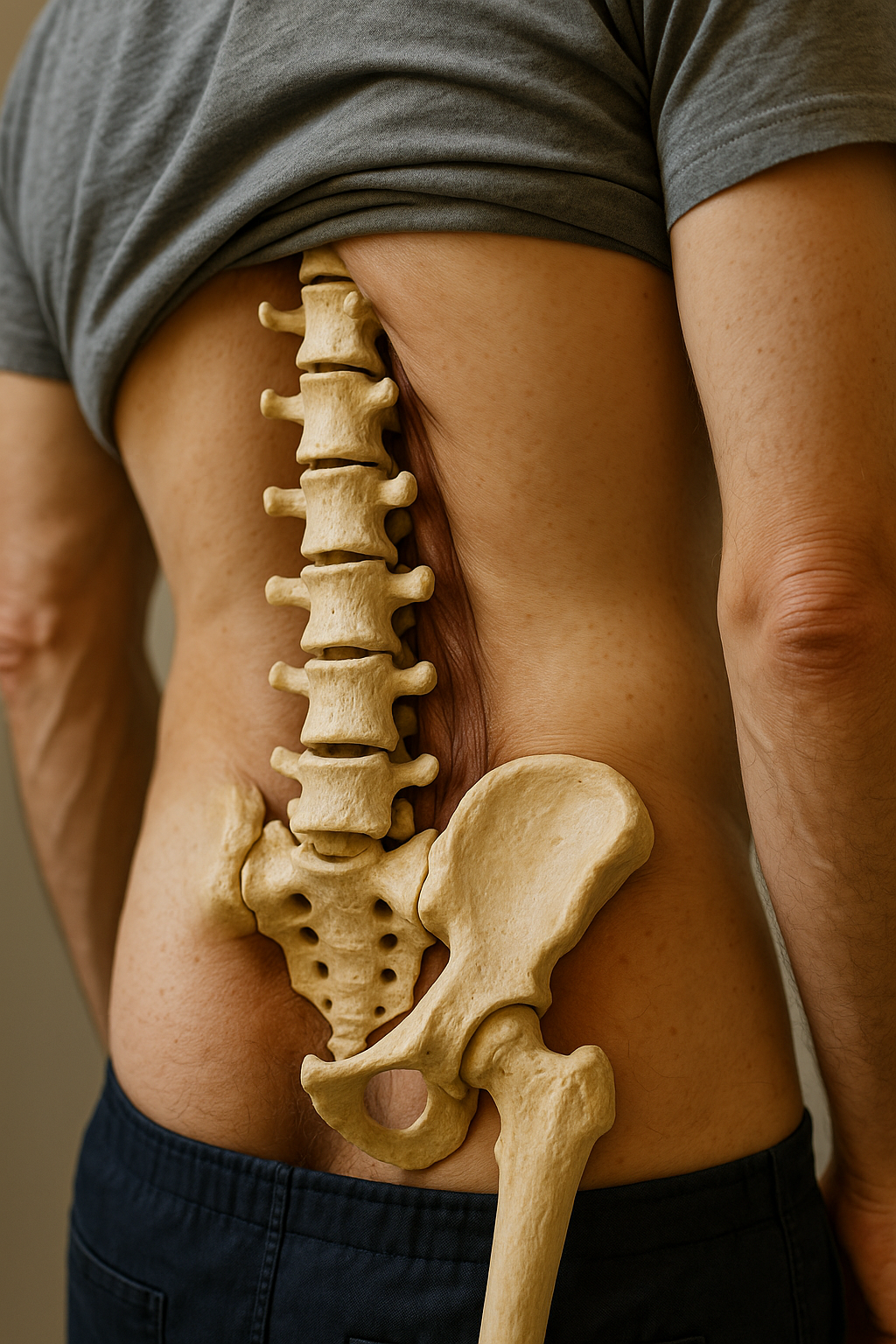
In today's fast-paced world, where many of us find ourselves sitting for prolonged periods, a stiff lower back has become an increasingly common complaint. Whether it's due to hours spent in front of a computer screen or long commutes, the discomfort of a stiff lower back can significantly impact daily activities and overall well-being. The persistent ache and limited mobility can make even simple tasks feel challenging, affecting everything from work productivity to leisure activities.
Common causes of a stiff lower back
Understanding the root causes of lower back stiffness is crucial in addressing and alleviating the discomfort. One of the primary culprits is muscle strain, which can occur from overuse, improper lifting, or sudden movements. This strain often leads to small tears in the muscle fibers, resulting in stiffness and pain.
Poor posture is another significant contributor. Spending extended periods in a slouched position can put undue stress on the spine and surrounding muscles, leading to stiffness and discomfort. This is particularly common in individuals who spend much of their day seated at a desk or in a car.
Prolonged sitting, often unavoidable in today's work environments, exacerbates these issues. Sitting for long stretches can lead to tightness in the hip flexors and hamstrings, further contributing to lower back stiffness. These muscles, when tight, can alter pelvic alignment and increase strain on the lower back.

Lumbar support belt
Stabiliserer og aflaster lænden med justerbar kompression og blød komfort hele dagen.
The purpose of this post
The goal of this blog post is to provide you with valuable insights into understanding, managing, and ultimately preventing a stiff lower back. By exploring the common causes and symptoms, you'll be better equipped to identify the factors contributing to your discomfort. Furthermore, we'll delve into practical strategies and preventive measures that can help you maintain a healthier, more flexible back.
Whether you're seeking quick relief or long-term solutions, this post aims to empower you with the knowledge and tools needed to tackle lower back stiffness head-on. So, let's embark on this journey to unlock comfort and say goodbye to a stiff lower back, enhancing your quality of life and overall well-being.
Understanding the causes of a stiff lower back
A stiff lower back can often be traced back to a combination of muscle strain, poor posture, and muscle tightness. Each of these factors plays a significant role in how our bodies respond to daily activities and the environments we place ourselves in.
Muscle strain and sprain
Muscle strain or sprain is a frequent cause of lower back stiffness. A strain refers to tears in the muscle fibers, while a sprain involves the ligaments that connect bones. These injuries often occur during activities that involve lifting heavy objects or twisting the body incorrectly. Symptoms typically include pain, stiffness, and muscle spasms, and they generally resolve within 10 to 14 days with appropriate care.
Postural issues and muscle tightness
Postural habits and muscle tightness are other critical contributors to lower back discomfort. Tight hamstrings can pull on the lower spine, disrupting pelvic alignment and causing tension. Similarly, prolonged sitting can lead to tight hip flexors and piriformis muscles, which may compress nerves or reduce blood flow, resulting in fatigue and spasms. Everyday activities such as sitting for long periods, driving, or maintaining poor posture can exacerbate these issues, making it essential to address these habits to alleviate stiffness.

Men's Posture Shirt™ - White
Patenteret NeuroBand™ teknologi aktiverer muskler og hjælper med at forbedre din holdning.
Structural and degenerative causes
In some cases, structural or degenerative conditions may be responsible for prolonged lower back stiffness. Conditions such as herniated discs, spinal stenosis, and arthritis can lead to stiffness lasting more than three to four weeks. These conditions often present with additional symptoms like point tenderness and may require medical evaluation for proper diagnosis and treatment.
Recognizing symptoms and when to seek help
Understanding the symptoms of a stiff lower back can help determine when to seek medical attention. Common symptoms include restricted bending, tension after periods of immobility, and improvement with rest or gentle movement. However, certain red flags warrant further evaluation, such as pain persisting for more than one to six weeks, leg weakness, or unexplained weight loss. In these cases, diagnostic measures like MRI or CT scans may be necessary to identify underlying issues.
Addressing a stiff lower back requires a comprehensive approach that includes recognizing the causes and symptoms, as well as implementing effective management strategies. By understanding the underlying factors contributing to lower back stiffness, individuals can take proactive steps to alleviate discomfort and prevent future occurrences. In the next section, we will explore practical strategies and preventive measures to help maintain a healthier, more flexible back.
Effective strategies for managing and preventing lower back stiffness
Managing and preventing a stiff lower back involves a combination of self-care strategies, ergonomic adjustments, and regular exercise. These approaches not only alleviate existing discomfort but also help prevent future occurrences by addressing the root causes.
Self-care strategies
One of the most effective ways to manage lower back stiffness is to find a balance between rest and gentle activity. While rest is important, prolonged inactivity can exacerbate stiffness. Engaging in light activities, such as walking or gentle stretching, can promote circulation and relieve tension. Applying heat or cold packs can also provide temporary relief by reducing inflammation and soothing sore muscles.
Ergonomic adjustments
Ergonomic solutions play a crucial role in preventing lower back stiffness, particularly for those who spend long hours sitting. Investing in ergonomic furniture, such as adjustable chairs with lumbar support, can significantly reduce strain on the lower back. Additionally, setting up a workstation that promotes good posture, with computer screens at eye level and feet flat on the floor, can prevent the onset of stiffness.
Stretching and exercise
Regular stretching and exercise are vital for maintaining flexibility and strength in the lower back. Incorporating stretches that target the hamstrings, hip flexors, and lower back can help alleviate tension. Exercises that strengthen the core muscles, such as planks and bridges, provide additional support to the spine and improve overall posture.
Conclusion
Understanding the causes and symptoms of a stiff lower back is essential for effective management and prevention. By adopting self-care strategies, making ergonomic adjustments, and engaging in regular stretching and exercise, individuals can significantly reduce discomfort and enhance their quality of life. Taking proactive steps to address lower back stiffness not only alleviates current symptoms but also prevents future occurrences, leading to improved overall well-being.
Frequently Asked Questions
What are the main causes of a stiff lower back?
The main causes include muscle strain, poor posture, prolonged sitting, and degenerative conditions.
How long should I wait before seeing a doctor for a stiff lower back?
If pain persists for more than 1-2 weeks without improvement, or if accompanied by red flags like leg weakness, it is advisable to see a doctor.
Can ergonomic aids help with a stiff lower back?
Yes, ergonomic aids like lumbar supports and adjustable chairs can significantly reduce strain and improve posture, helping alleviate stiffness.
What exercises are recommended for relieving lower back stiffness?
Gentle stretching exercises, such as hamstring and hip flexor stretches, along with core strengthening exercises, are beneficial.
Is it normal for a stiff lower back to improve with movement?
Yes, in non-serious cases, stiffness often improves with gentle movement and activity.
Kilder
- SpineOne. (n.d.). "Four Common Reasons for a Stiff Back."
- Hinge Health. (n.d.). "Tight Lower Back: Causes and Solutions."
- Baptist Health. (n.d.). "5 Methods to Loosen and Relieve a Tight Lower Back."
- Cleveland Clinic. (n.d.). "Lower Back Pain."
- Mayo Clinic. (n.d.). "Back Pain: Symptoms and Causes."
- MedlinePlus. (n.d.). "Low Back Pain."
- NIAMS. (n.d.). "Back Pain Health Topics."
- University of Maryland Medical System. (n.d.). "Spine Signs and Symptoms."