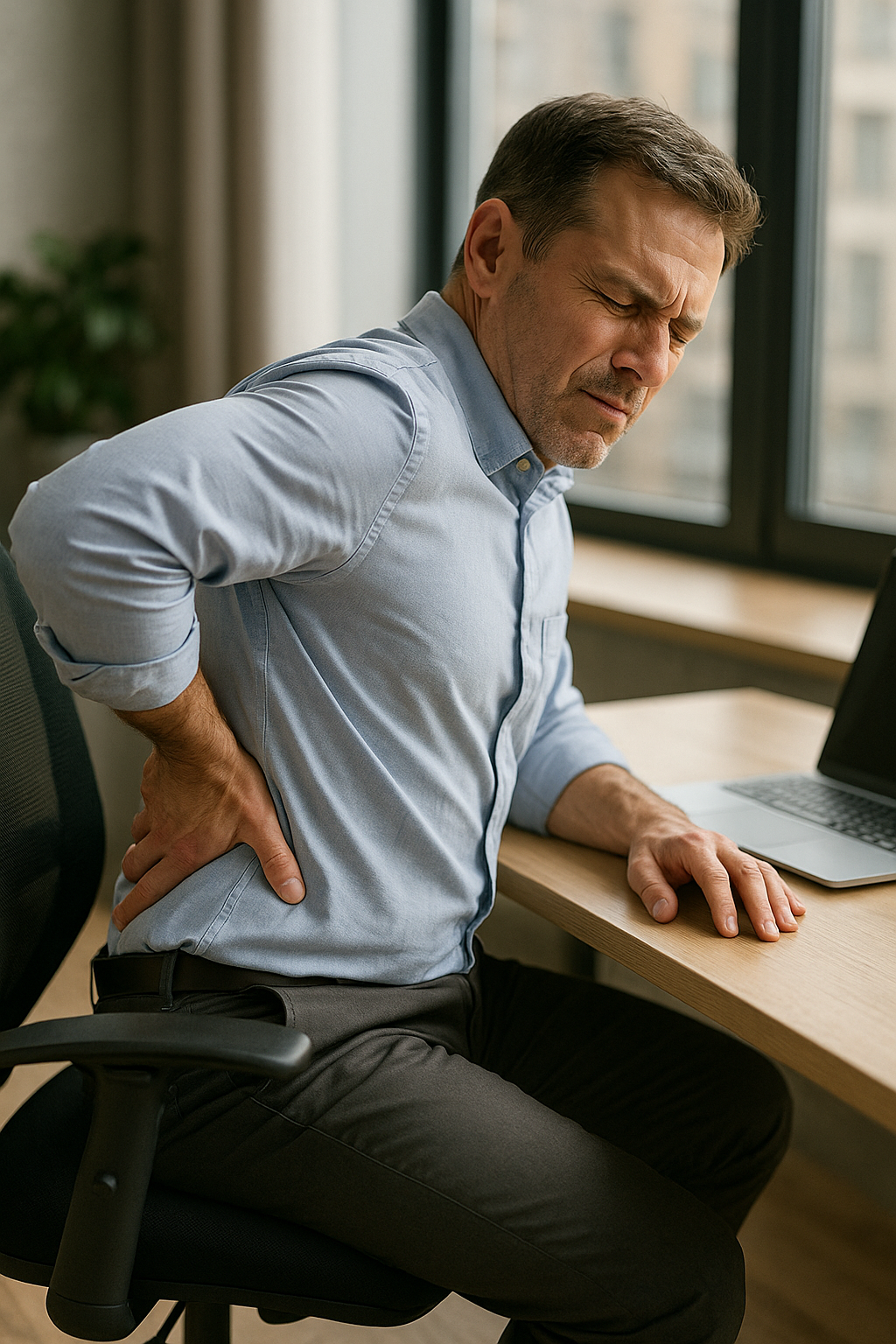
The lumbar region, often referred to as the lower back, plays a pivotal role in our body's overall functionality and well-being. This crucial section of the spine consists of five vertebrae, labeled L1 through L5, which are responsible for supporting the weight of the upper body and enabling a wide range of movements. Understanding the anatomy and function of the lumbar region is essential for maintaining a pain-free and active lifestyle.
importance of the lumbar region
As a fundamental component of the spinal column, the lumbar region is tasked with bearing the brunt of our body's weight. It acts as a bridge between the upper and lower body, facilitating movements such as bending, twisting, and lifting. This region's significance is further underscored by its role in maintaining posture and balance through a natural inward curve known as lumbar lordosis. This curvature is essential for reducing stress on the spine and distributing mechanical loads during various activities.
relevance to everyday life
The lumbar region's health is paramount, as issues in this area can significantly impact daily activities. Back pain, particularly in the lower back, is a common ailment that affects millions of people worldwide. It can hinder mobility, productivity, and overall quality of life. The prevalence of lumbar-related issues has been exacerbated by modern sedentary lifestyles and poor posture habits, making it a pressing concern for many individuals.
Understanding the lumbar region's anatomy and its role in everyday function can empower individuals to take proactive measures in preserving spinal health. Whether it's through ergonomic adjustments, posture improvements, or targeted exercises, maintaining the integrity of the lumbar region is crucial for a pain-free life.
In the following sections, we will delve deeper into the intricacies of the lumbar region's anatomy, exploring the vertebrae, muscles, and ligaments that contribute to its function. Additionally, we will provide practical insights and recommendations to support lumbar health, ensuring that you can navigate your daily activities with ease and comfort.
anatomy of the lumbar region
The lumbar region's anatomy is a marvel of engineering, designed to provide both strength and flexibility. This section of the spine comprises five vertebrae, labeled L1 through L5, which are the largest and most robust in the spinal column. These vertebrae are uniquely structured to support the upper body's weight while allowing a range of movements, including bending and twisting. Each vertebra is separated by intervertebral discs, which act as shock absorbers, cushioning the vertebrae and facilitating smooth motion. Occasionally, some individuals may have a sixth lumbar vertebra, a variation that generally does not affect spinal function but can be of interest in clinical assessments.
curvature and function
The lumbar spine is characterized by a natural inward curvature known as lumbar lordosis. This curvature plays a critical role in maintaining the spine's overall health, as it helps distribute mechanical loads evenly across the spine and reduces stress during movement. The lumbar region's design allows for significant flexion and extension, which are essential for activities such as bending forward and backward. However, rotation is limited in this area to protect the spine from injury. This balance of mobility and stability is crucial for everyday function and is a testament to the sophisticated design of the human spine.
muscles and ligaments
Supporting the lumbar spine are several key muscles and ligaments that ensure stability and movement. The psoas major and quadratus lumborum are two prominent muscles in this region. The psoas major connects the lower spine to the femur, playing a vital role in hip flexion and lumbar stability. The quadratus lumborum, on the other hand, helps stabilize the pelvis and spine, contributing to lateral flexion of the trunk. Additionally, the anterior and posterior longitudinal ligaments run along the spine's length, providing structural support and preventing excessive movement that could lead to injury. These ligaments are essential for maintaining spinal integrity and protecting the delicate structures within the spine.
clinical perspectives on lumbar health
Orthopedic and physiotherapy experts emphasize the importance of understanding lumbar anatomy to address common back issues effectively. One area of concern is the vulnerability of the posterior intervertebral discs, which are prone to herniation and can lead to conditions such as sciatica. Sciatica occurs when the herniated disc presses on the sciatic nerve, causing pain that radiates down the leg. This highlights the need for proper care and attention to the lumbar region, particularly for those with sedentary lifestyles or poor posture habits. Regular assessments by healthcare professionals can help identify potential issues early, allowing for timely interventions to prevent chronic pain and discomfort.
Practical insights for maintaining lumbar health
Maintaining the health of your lumbar region is essential for a pain-free life and can be achieved through simple lifestyle adjustments and ergonomic practices. One of the most effective ways to support your lumbar region is by ensuring proper posture, whether sitting, standing, or moving. Using ergonomic furniture, such as chairs with lumbar support, can significantly reduce strain on your lower back, helping to maintain the natural curve of lumbar lordosis.

Lumbar support belt
Provides lower back support and relief, ideal for sciatica, herniated discs, or general pain.
Regular exercise is another critical component in supporting lumbar health. Engaging in activities that strengthen the core and lower back muscles can enhance stability and reduce the risk of injury. Exercises such as planks, bridges, and gentle yoga are particularly beneficial for the lumbar region, as they target the muscles that support the spine. Additionally, incorporating flexibility exercises can improve the range of motion and prevent stiffness.

37 exercises collected in the ultimate exercise book
E-book with 37 physiotherapist-approved exercises for strength, mobility, and injury prevention.
Beyond exercise and posture, maintaining a healthy weight is vital for reducing the load on the lumbar region. Excess weight can increase the strain on the lower back, exacerbating existing issues or leading to new ones. A balanced diet and regular physical activity can help manage weight effectively, contributing to overall spinal health.
Conclusion
Understanding the anatomy and function of the lumbar region is a crucial step toward a pain-free life. The lumbar spine's unique structure, with its robust vertebrae, intervertebral discs, and supportive muscles and ligaments, plays a vital role in our body's functionality. By taking proactive measures, such as maintaining proper posture, engaging in regular exercise, and using ergonomic aids, individuals can support their lumbar health and prevent common issues like back pain.
Incorporating these practices into daily life can help preserve the integrity of the lumbar region, ensuring that you can enjoy an active and comfortable lifestyle. Remember, the key to lumbar health lies in understanding its importance and taking steps to protect it.
Frequently Asked Questions
What is the lumbar region?
The lumbar region is the lower part of the spine, consisting of five vertebrae (L1-L5) that support the upper body's weight and allow for movement.
Why is lumbar lordosis important?
Lumbar lordosis is the natural inward curve of the lower back, crucial for maintaining posture and balance. It helps distribute mechanical loads evenly across the spine, reducing stress during movement.
What causes lumbar pain?
Lumbar pain can result from muscle strain, poor posture, disc issues, or underlying conditions like arthritis or sciatica. It is often exacerbated by sedentary lifestyles and improper ergonomic practices.
How can I strengthen my lumbar region?
Engage in exercises that target the core and lower back muscles, such as planks, bridges, and gentle yoga. These exercises enhance stability and support the spine, reducing the risk of injury.
Are ergonomic aids helpful for lumbar pain?
Yes, ergonomic aids like lumbar supports and adjustable chairs can help maintain proper posture and reduce strain on the lumbar region. They are beneficial for preventing and alleviating lower back pain.
Kilder
- Kenhub. "Lumbar Region Anatomy."
- NCBI. "Lumbar Spine Anatomy and Function."
- Lee Spine. "Lumbar Spine Anatomy."
- University of Maryland Medical System. "Spine Anatomy and Function."
- Physio-pedia. "Lumbar Anatomy."
- Don Park MD. "Lumbar Spine Anatomy."
- Hinge Health. "Lumbar Spine."
- Globus Medical. "Anatomy of the Spine."
- Wikipedia. "Lumbar Vertebrae."
- University of Rochester Medical Center. "Lumbar Spine."
- Cleveland Clinic. "Lumbar Spine."
- TeachMeAnatomy. "Lumbar Spine."
- PhysioPartners. "Lumbar Spine Anatomy."