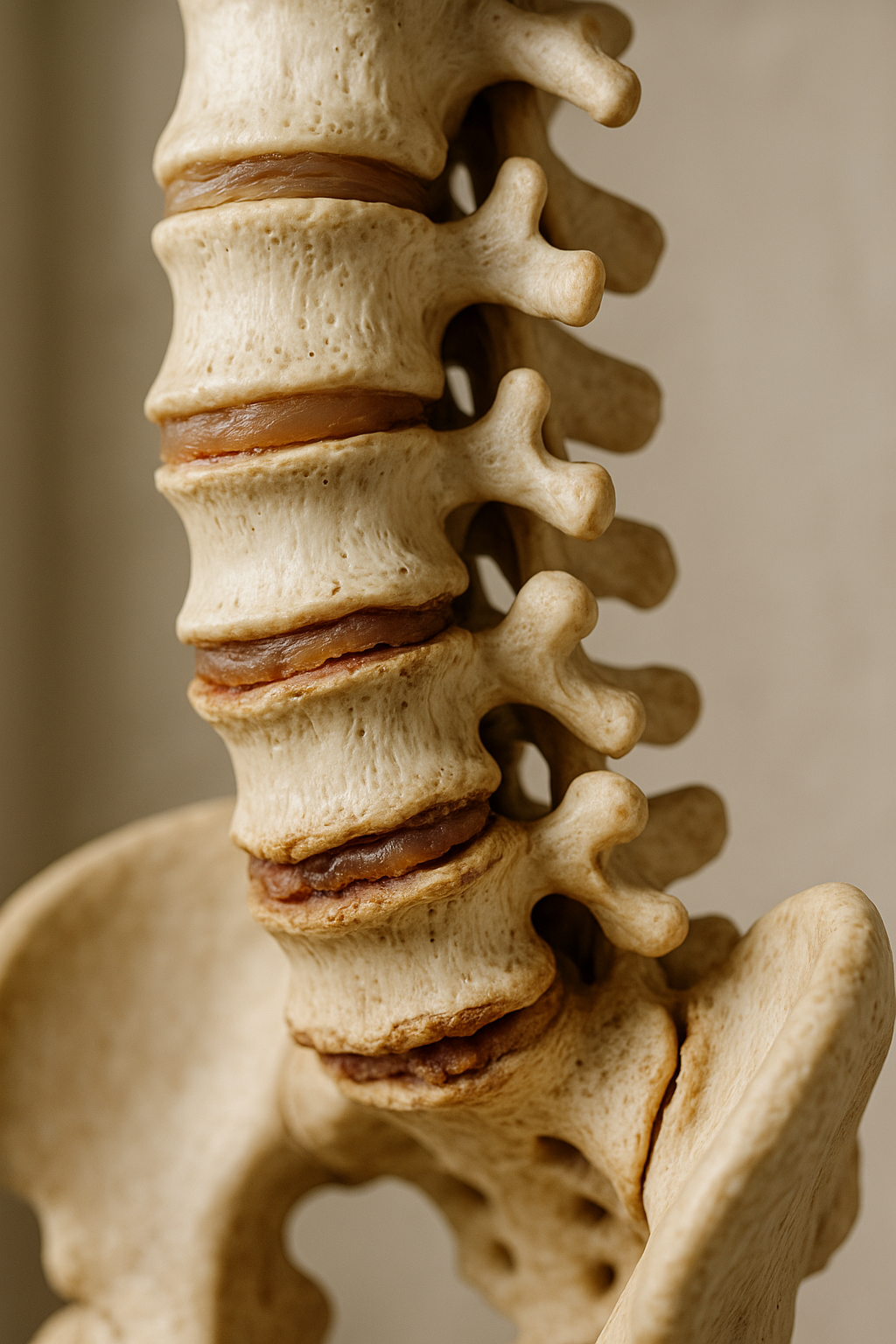
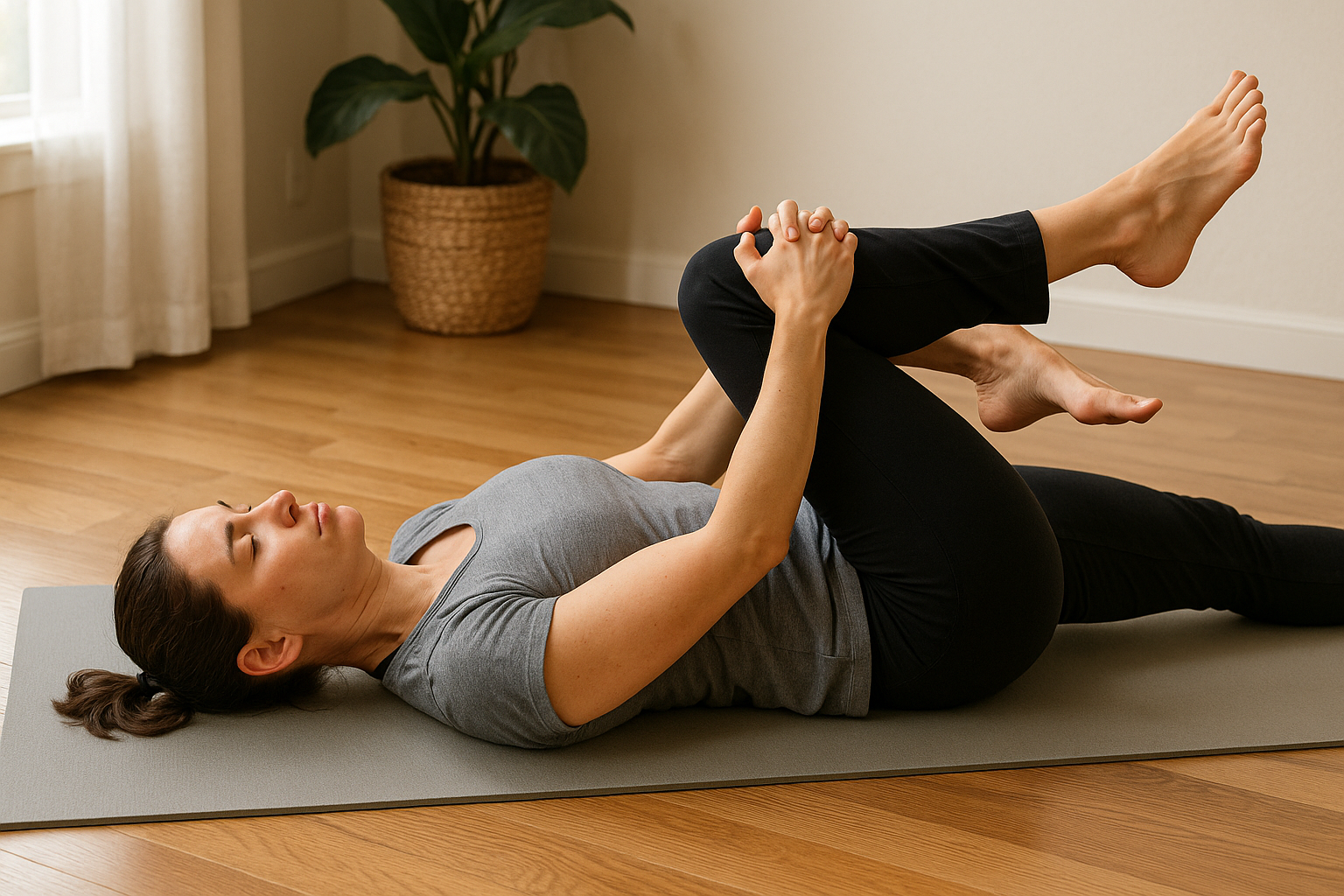
Groin pain is an issue that affects many people, often resulting from everyday activities such as prolonged sitting or improper lifting techniques. The groin area, which includes the inner thigh muscles known as adductors and the hip region, is susceptible to strains and discomfort. Understanding the causes and solutions for groin pain can significantly improve one's quality of life.
Understanding groin pain and its impact
Groin pain is commonly caused by sports-related strains, but it can also result from everyday activities. Prolonged sitting, for example, can lead to tight hip flexors and weak adductors, contributing to discomfort and pain. Additionally, sudden overload or improper lifting can exacerbate these issues, making daily tasks challenging. Groin exercises play a crucial role in both the rehabilitation and prevention of pain, offering benefits such as improved strength, mobility, and reduced discomfort in daily activities.
Incorporating groin exercises into your routine is essential for maintaining comfort and preventing pain, whether you're an athlete or someone who spends long hours at a desk. These exercises help strengthen the muscles in the groin area, enhancing mobility and reducing the risk of injury. By focusing on this often-overlooked area, individuals can experience significant improvements in their overall physical well-being.
The gap in current content
While there is a wealth of information available on groin exercises, much of it is geared towards athletes and sports enthusiasts. This sports-centric content often overlooks the needs of non-athletes, desk workers, and individuals with standing occupations. As a result, there is a lack of resources tailored to those who experience groin pain due to everyday activities.
Anodyne recognizes this gap and aims to provide a unique perspective by focusing on everyday pain and ergonomics. By integrating groin exercises with lifestyle and work habits, Anodyne offers a comprehensive approach to managing groin pain. This involves not only strengthening exercises but also ergonomic adjustments and lifestyle changes that can prevent pain and improve comfort in daily life.
By addressing the needs of a broader audience, Anodyne's approach ensures that everyone, from office workers to those in physically demanding jobs, can benefit from effective groin exercises. This holistic strategy not only targets the symptoms of groin pain but also addresses its root causes, leading to long-term relief and improved quality of life.
Scientific insights on groin exercises
Groin exercises are more than just a remedy for athletes; they are a scientifically-supported method for managing both acute and chronic groin pain. Exercise therapy has proven to be a vital component in rehabilitation programs, offering substantial benefits in terms of pain reduction and strength enhancement. A systematic review highlights the effectiveness of 8–12 week strengthening programs, emphasizing the importance of consistency and progressive loading. These programs focus on strengthening the hip flexors, abductors, adductors, and core muscles, which are crucial for maintaining groin health.
One notable regimen is the Hölmich Protocol, a structured 10-week exercise program designed to address long-standing adductor-related groin pain. This protocol has shown significant improvements in pain reduction, hip adductor/abductor strength, and overall functional performance. It emphasizes progressive loading and the integration of hip and core exercises, which are essential for achieving optimal results. Additionally, preventive programs that combine eccentric, concentric, and isometric contractions have been successful in reducing the incidence of groin injuries, particularly in sports settings.
Levelled exercise program for all
For those seeking to incorporate groin exercises into their routine, a levelled exercise program can provide a structured approach to improving strength and mobility. This program is divided into three phases: Beginner, Intermediate, and Advanced, each designed to cater to different fitness levels and goals.
Beginner Phase: Pain Reduction & Activation
- Supine adductor squeeze: Perform 3–5 sets with 20–60 second holds. This exercise targets the inner thigh muscles and helps in reducing pain.
- Gentle bridge with ball squeeze: This exercise activates the glutes and adductors, promoting stability and strength.
- Light hip flexor and adductor stretches: These stretches improve flexibility and reduce tension in the groin area.
Intermediate Phase: Strength & Control
- Banded crab walks: Engage the hip abductors to balance adductor work, enhancing overall hip stability.
- Standing resisted hip adduction: Use a band or cable for resistance, focusing on controlled movements to strengthen the adductors.
- Split squats and lunge variations: These exercises incorporate whole-chain movements, improving strength and coordination.
Advanced Phase: Functional & Occupation-Specific
- Copenhagen adduction progressions: Ideal for those needing high-demand functionality, this exercise targets deep adductor strength.
- Dynamic drills: Incorporate lateral shuffles and directional changes to mimic real-life movements and enhance agility.
- Work context translation: Focus on exercises that improve lifting techniques, stair climbing, and walking tolerance.
Ergonomics and daily-life integration
Integrating groin exercises with ergonomic practices can significantly enhance daily comfort and prevent pain. Prolonged sitting, a common issue for desk workers, can lead to shortened hip flexors and weakened glutes and adductors, increasing the load on the groin. To counteract these effects, it's recommended to use height-adjustable desks, allowing for alternation between sitting and standing.

Women's Posture Shirt™ - Black
Patenteret Posture Shirt™ til kvinder – dokumenteret støtte og smertelindring til hele dagen.
Incorporating short movement breaks with groin and hip mobility exercises can also be beneficial. These breaks not only improve circulation but also help in maintaining flexibility and reducing muscle tension. Additionally, using postural garments and supports can aid in maintaining an upright posture, reducing compensatory strain on the groin and hip.

Lumbar support belt
Lændebælte til støtte og lindring – ideelt ved rygsmerter og daglige aktiviteter.
By focusing on ergonomics and integrating groin exercises into daily routines, individuals can enhance their ability to perform everyday tasks with ease. Proper lifting techniques, engaging the groin and core, and improving walking tolerance and stair climbing are all achievable through consistent practice and attention to posture.
When to seek professional help for groin pain
While groin exercises are beneficial for many individuals, there are situations where professional medical advice is necessary. If you experience persistent groin pain lasting more than four to six weeks, it is advisable to consult a healthcare professional. Severe or sudden pain, especially if it prevents weight-bearing, should not be ignored. Additionally, if the pain radiates to the abdomen or testicles or is accompanied by systemic symptoms such as fever or nausea, seeking immediate medical attention is crucial. These symptoms could indicate a more serious underlying condition requiring a tailored treatment plan.
Conclusion
Groin exercises are not solely the domain of athletes; they are essential for anyone looking to enhance comfort and prevent pain in everyday life. Anodyne's approach combines evidence-based exercise routines with ergonomic and lifestyle adjustments, offering a comprehensive strategy for groin health. By integrating these exercises into daily activities, individuals can experience improved strength, mobility, and overall well-being, reducing discomfort and enhancing their quality of life.
Frequently Asked Questions
What are the best exercises for groin pain?
Isometric exercises such as the supine adductor squeeze and dynamic drills like split squats are highly effective for managing groin pain. These exercises target the adductors and core, promoting strength and stability.
How long does it take to see improvements with groin exercises?
Generally, significant improvements can be observed after 8–12 weeks of consistent groin exercises. This timeframe allows for progressive strengthening and adaptation of the muscles involved.
Can groin exercises help with posture?
Yes, groin exercises can enhance posture by strengthening the core and lower body muscles. This improvement helps reduce strain during prolonged sitting or standing, contributing to better overall posture.
Are these exercises suitable for everyone?
Most groin exercises can be adapted for various fitness levels. However, it is important to consult a healthcare professional if you experience pain or have specific health concerns to ensure the exercises are appropriate for your condition.
How can I incorporate these exercises into my daily routine?
Integrate groin exercises into short breaks during work and combine them with ergonomic adjustments for optimal results. This approach ensures that you maintain flexibility and strength throughout the day, enhancing comfort and preventing pain.
Källor
- Effects of a Groin Pain Prevention Program in Male High School Soccer Players: A Cluster Randomized Controlled Trial. International Journal of Sports Physical Therapy.
- Groin Injury Prevention in Sports: A Systematic Review. Scientific Reports.
- Rehabilitation Programs for Groin Pain: Effectiveness and Outcomes. Rehabilitation Research and Practice.
- The Role of Exercise in Managing Groin Pain. Journal of Sports Science & Medicine.
- Efficacy of Groin Strengthening Exercises in Athletes. Sports Health.
- Groin Pain: Causes, Prevention, and Treatment. High Desert Physical Therapy.